Category: Research Articles

  • (Peer Reviewed) தென் பொதிகையின் பெண் ஞானியர்கள்: செங்கோட்டை ஆவுடை அக்காளும் தென்காசி ரசூல் பீவியும் – ஓர் ஒப்பீடு

    (Peer Reviewed) தென் பொதிகையின் பெண் ஞானியர்கள்: செங்கோட்டை ஆவுடை அக்காளும் தென்காசி ரசூல் பீவியும் – ஓர் ஒப்பீடு

    முனைவர் ரமேஷ் தங்கமணி, M.Sc., PhD., SET., DIBT., DMLT., DOA., DDTP., MZSI., MIAES
    உதவிப் பேராசிரியர்
    முதுகலை மற்றும் ஆராய்ச்சி – உயிர்த்தொழில்நுட்பவியல் துறை, இந்துஸ்தான் கலை மற்றும் அறிவியல் கல்லூரி, படூர்,
    கேளம்பாக்கம் – 603103
    அலைபேசி: 8056083656
    மின்னஞ்சல்: drramesht.bt@gmail.com

    முகவுரை

    சங்க இலக்கியம் தொடங்கி, பக்தி இலக்கியம்வரை உள்ள பழந்தமிழர் இலக்கியங்களில் பெண்களுடைய பங்களிப்பு என்பது முக்கியத்துவம் வாய்ந்ததாகும். சங்ககாலத்தில் பெண்பாற் புலவர்கள் காதல், பிரிவு, பிரிவின் துயரம், பரத்தமை, பொருளீட்டல், போர் மற்றும் வீரம் போன்றவற்றை மையப்படுத்தியே பாடல்கள் இயற்றினர். பக்தி இலக்கியக் காலத்தைச் சார்ந்த பெண்கவிகளோ தமது பாடல்களில் இறைவன், இறைவன்மீது கொண்ட காதல் மற்றும் முக்தி போன்றவற்றை முன்னிலைப்படுத்தியுள்ளனர். காலமாற்றத்தில் பெண்கவிஞர்களுடைய கற்பனையின் புழங்குவெளி மற்றும் பாடுபொருட்களில் ஏற்பட்ட பெரிய மாற்றம் கூர்ந்து ஆராயத்தக்கது. இத்தகைய மாற்றம் காலச்சூழ்நிலையின் அடிப்படையில் மட்டுமின்றிப் பண்பாட்டுப் படையடுப்பு மற்றும் பெண்கள் மீதான சமூக அடக்குமுறையின் காரணமாகவும் ஏற்பட்டிருக்கலாம். மாற்றத்திற்கான காரணம் எதுவாக இருப்பினும் பக்தி இலக்கியப் பாடல்களில் வெளிப்படும் பெண்கவிகளின் கவித்திறன் மற்றும் இறைத்தன்மையின் மீதான உயர் விருப்பம் போன்றவை போற்றுதலுக்குரியன.

    தென்பொதிகையின் சாரலைப் பெறும் சிறு நகரங்களான தென்காசி மற்றும் செங்கோட்டையில் வாழ்ந்த இரு பெண் ஞானியர்கள் செங்கோட்டை ஆவுடை அக்காள் மற்றும் தென்காசி ரசூல் பீவி ஆவர். இவ்விரு ஞானியர்களும் இயற்றிய அத்வைதச் சிந்தனை நிறைந்த கவிப்பாடல்கள் பக்தி இலக்கிய மரபின் தொடர்ச்சியாக விளங்குபவையாகும். பெண் ஞானியர்கள் தத்தமது சமயம், வாழ்வியல் முறை மற்றும் சமூகநிலை போன்றவற்றால் வேறுபட்டாலும் தம்முடைய ஞானப்பாடல்களில் மிளிரும் தத்துவ நோக்கில் ஒன்றுபட்டே விளங்குகின்றனர். இத்தகைய பெண் ஞானியர்களின் காலம், வாழ்வு, குரு பக்தி, தத்துவம், இயற்றிய பாடல்கள் மற்றும் முக்தி போன்றவைகளுக்கு இடையேயான ஒற்றுமை மற்றும் முரண்களை ஆராய்வதே இக்கட்டுரையின் நோக்கமாக அமைகிறது.

    அத்வைதமும் சூபியிசமும்

    பாரதத்தின் தொன்மையான தத்துவ நெறிகளில் ஆதிசங்கரரால் உருவாக்கப்பட்ட அத்வைதமும் ஒன்று. இருமைத்தன்மையற்ற ஒரே நிலை என்பதே அத்வைதம் (அ-இல்லை + த்வைதம்-இரண்டு) என்பதன் பொருள். ஜீவாத்மாவும் (வணங்குபவர்) இறைவனும் (வணக்கத்திற்குரியவர்) வேறல்ல ஒன்றுதான் என்றும் உலகில் உள்ள அனைத்தும் இறைவனின் அம்சமே என்றும் இத்தத்துவம் கூறுகிறது. பெரும்பாலும் சைவர்களால் பின்பற்றப்படும் அத்வைதத் தத்துவமானது இந்துத் தத்துவ மரபில் முதன்மையானதாக விளங்குகிறது.

    அரேபியத் தீபகற்பத்தில் உருவான இஸ்லாமிய மார்க்கத்தின் அடிப்படைக் கொள்கைகளில் தலையாயது “ஓரிறைக் கொள்கையாகும் (அரபி – தவ்ஹீத்)”. வணக்கத்திற்குரியவர் அல்லாஹ் ஒருவனே என்பதே ஓரிறைக் கொள்கையாகும். மதத்தைக் கடைபிடிக்கும் முறையை அடிப்படையாகக் கொண்டு இஸ்லாமிய மார்க்கத்தில் உண்டான பல பிரிவுகளில் சூபியிசமும் (அரபி – தசவ்வுப்) ஒன்றாகும். இறைவனைத் தன்னுள்ளும், இறைவனுக்குள் தன்னையும் (அரபி – வஹ்ததுல் வுஜுத்) காணும் உள்ளார்ந்த ஆன்மீகப் பார்வையை சூபித் தத்துவம் கூறுகிறது. உலகில் உள்ள அனைத்திலும் இறைவனைக் காணும் உயர்ந்த ஆன்மீக உணர்வுநிலையே சூபியிசம். அத்வைதமும், சூபியிசமும் பல பரிமாணங்களில் ஒன்றோடொன்று நெருங்கி நிற்கும் தத்துவ நெறிகள் ஆகும். இதனைத் தமிழ் சூபிப்பாடல்களில் காணப்படும் அத்வைத மற்றும் சைவ சமயக் கருத்துக்களின் தாக்கத்தைக் கொண்டு அறியலாம். இவ்விரு பெரும் தத்துவ நெறிகளில் செங்கோட்டை ஆவுடை அக்காள் அத்வைதத்தையும், தென்காசி ரசூல் பீவி அத்வைதம் கலந்த சூபி தத்துவத்தையும் பின்பற்றிப் பாடல்கள் இயற்றினர்.

    ஊரும் உறவும்

    செங்கோட்டை ஆவுடை அக்காள் மற்றும் தென்காசி ரசூல் பீவி ஆகிய இருவரையும் அவர்கள் வாழ்ந்த ஊரின் பெயரை முன்னொட்டாக வைத்தே அடையாளப்படுத்துகின்றனர். மேலும் அக்காள் மற்றும் பீவி (உருது: பீவி – மனைவி) என்கின்ற உறவுமுறைச் சார்ந்த சொல்லே இருவருடைய பெயரின் பின்னொட்டாக அமைந்துள்ளது. ஆவுடை என்பது இறைவனையும், ரசூல் என்பது இறைவனின் தூதரையும் குறிக்கும் சொற்களாகும். பெயரில் காணப்படும் இத்தகைய பொருத்தங்களும் முரண்களும் வெகுமக்கள் பார்வையில் ஆர்வமூட்டக் கூடிய வகையில் அமைந்துள்ளன.

    காலமும் கற்பிதமும்

    ஆவுடை அக்காள் வாழ்ந்த காலம் பற்றிய முரணான கற்பிதங்களே காணக்கிடைக்கின்றன. இத்தகைய சூழலில் ஆவுடை அக்காள் பற்றி வாய்மொழியாகப் பெறப்பட்ட வாழ்க்கைக் குறிப்புகளை நான்கு பேர் பதிவு செய்துள்ளனர். முதன் முதலில் அக்காளின் வாழ்க்கைக் குறிப்பானது, 1910ஆம் ஆண்டு தஞ்சாவூரைச் சேர்ந்த நா. வைத்தியநாத பாரதி அவர்களால் பதிப்பிக்கப்பட்ட “பிரம்ம மேகம்” எனும் சிறு பாடல் புத்தகத்தில் வெளியிடப்பட்டது. அந்நூலில் அக்காள் அவர்கள் 100 ஆண்டுகளுக்கு முன் (1810) வாழ்ந்தவர் என்று பதிவு செய்யப்பட்டுள்ளது. இரண்டாவதாக, ஆய்குடி வெங்கடராம சாஸ்திரிகளால் 1953 ஆம் ஆண்டு வெளியிடப்பட்ட சிறு பாடல் புத்தகத்தில், அக்காள் அவர்கள் 400 ஆண்டுகளுக்கு முன் (1553) வாழ்ந்தவர் என்று குறிப்பிடப்பட்டுள்ளது. மூன்றாவதாக “ஸ்ரீ ஆவுடையக்காள்” எனும் தலைப்பில் கோமதி ராஜாங்கம் (1954-ல்) எழுதிய கட்டுரையினை 1964 ஆம் ஆண்டு “ஸ்ரீ சங்கர க்ருபா” பத்திரிக்கையில் வெளியிட்டார். அக்கட்டுரையில் அக்காள் அவர்கள் 250 ஆண்டுகளுக்கு முன் (1704) வாழ்ந்தவர் எனக் குறிப்பிடுகின்றார். நான்காவதாக நித்யானந்தகிரி ஸ்வாமிகள் 2002 ஆம் ஆண்டு பதிப்பித்த “செங்கோட்டை ஸ்ரீ ஆவுடை அக்காள் பாடல் திரட்டு” எனும் நூலின் முன்னுரையில் (ஸமர்ப்பணம்) அக்காள் அவர்கள் 350 ஆண்டுகளுக்கு முன் (1652) வாழ்ந்தவர் எனக் குறிப்பிட்டிருக்கிறார். மேலே கூறப்பட்ட காலக் குறிப்புகளை ஆராயும்போது ஆவுடை அக்காள் அவர்கள் 1553, 1652, 1704, மற்றும் 1810 ஆகிய காலகட்டங்களில் வாழ்ந்திருக்கலாம் என்கின்ற முரண்பட்ட முடிவே கிடைக்கின்றன.

    ஆவுடை அவர்கள் வாழ்ந்த காலத்தினைப் பற்றி நிலவும் முரணான கற்பிதங்களைக் களைந்து ஓரளவு சரியான காலகட்டத்தை அறிந்து கொள்வதென்பது, ஆவுடை அவர்களின் மறுவாழ்விற்கு வித்திட்ட ஆன்மீக குருவான திருவிசைநல்லூர் ஸ்ரீதர வெங்கடேச தேசிக அய்யாவாளின் வாழ்க்கையை அறிந்து கொண்டதன் மூலம் சாத்தியப்பட்டது. 1635 ஆம் ஆண்டில் மைசூரில் பிறந்த அய்யாவாள், அங்கேயே திருமணம் செய்து தன்னுடைய தந்தையின் மரணம் வரை அங்கு வாழ்ந்து வந்தார். பின்பு ஆன்மீக வாழ்வினை மேற்கொண்ட அய்யாவாள் மைசூரிலிருந்து திருச்சி வந்தடைந்து சிலகாலம் தங்கினார். அதன்பின்பு திருச்சியிலிருந்து (கிட்டத்தட்ட 49 வது வயதிற்கு மேல்) இடம்பெயர்ந்து ஷாஹாஜி II அவர்கள் ஆண்டுகொண்டிருந்த (1684–1712) தஞ்சாவூருக்கு உட்பட்ட திருவிசைநல்லூரில் வந்து தாங்கினார். பல ஆன்மீகத் தலங்களுக்கும் நடைபயணமாகச் சென்று வந்த அய்யாவாள் இறுதியாகத் திருவிசைநல்லூரில் 1720 ஆம் ஆண்டு தனது 85 ஆம் அகவையில் முக்தியடைந்தார் என்பது தகவல். மேலும் அய்யாவாள் அவர்கள் சங்கரமடத்தின் 59 ஆம் பட்டமான ஸ்ரீ பகவன் நாம போதேந்த்ர சரஸ்வதி (1638–1692) அவர்களுக்கும், அத்வைத வேதாந்தியும், கருநாடக இசை வல்லுநருமான சதாசிவப் பிரம்மேந்திரரின் (????–1753) சமகாலத்தவர் என்ற தகவலும் சிலரால் பதிவு செய்யப்பட்டுள்ளது.

    மேற்கூறிய தகவல்களை அடிப்படையாகக் கொண்டு ஆராயும் போது, தன்னுடைய 49 வயதிற்கு மேல் திருவிசைநல்லூர் கிராமத்தில் குடியேறிய அய்யாவாள் தமிழகத்தின் பல பகுதிகளுக்கு ஆன்மீகப் பயணம் மேற்கொண்டார். அய்யாவாளின் ஆன்மீகப் பயணத்தின் ஒரு பகுதியாக அவர் தென்காசி, குற்றாலம் வழியாக நடைபயணமாக வேணாட்டு அரசர்களின் ஆட்சிக்குப்பட்ட செங்கோட்டைக்கு வருகை புரியும்போது அவர் ஏறக்குறைய 50லிருந்து 75 வயதிற்குட்பட்டவராக (கிட்டத்தட்ட 1685 க்கு மேல்) இருந்திருக்கவே வாய்ப்பு அதிகம். இந்தக் கணிப்பானது, கோமதி ராஜாங்கம் அவர்கள் ஸ்ரீசங்கர க்ருபா பத்திரிக்கையில் எழுதிய கட்டுரையில் வயது முதிர்ந்த நிலையில் இருந்த அய்யாவாள் செங்கோட்டைக்கு வருகை தந்தார் எனும் தகவலுக்கு வலுச் சேர்க்கும் விதமாக அமைந்துள்ளது. மேலும் ஆவுடை அவர்கள் பருவமடைந்த இளம் விதவையாகவே இருந்தபோதுதான் முதன்முதலாக தன்னுடைய ஞான குருவான அய்யாவளைச் சந்தித்ததாக ஆய்குடி வெங்கடராம சாஸ்திரி மற்றும் கோமதி ராஜாங்கம் ஆகிய இருவரும் பதிவு செய்திருக்கிறார்கள். இதன் அடிப்படையில் 50 வயதுக்கு மேற்பட்ட அய்யாவாளை, இளம் கைம்பெண்ணான ஆவுடை அவர்கள் தன்னுடைய 15 மற்றும் 30க்கு உட்பட்ட வயதிற்குள் சந்தித்திருக்கவே வாய்ப்புள்ளது. மேற்கூறிய தரவுகளை அடிப்படையாகக் கொண்டு ஆராயும்பொழுது ஆவுடை அவர்கள் கிட்டத்தட்ட கி.பி. 1655–1695 இடைப்பட்ட காலகட்டத்தில் பிறந்திருக்க வாய்ப்பு இருப்பதாகக் கருதலாம்.

    ரசூல் பீவி அவர்கள் வாழ்ந்த காலம் மற்றும் வாழ்க்கை வரலாறு பற்றிய முழுமையான தகவல்கள் எதுவும் காணக் கிடைக்கவில்லை. இருப்பினும் ரசூல் பீவி அவர்களைப் பற்றிய சில வரலாற்றுத் தகவல்கள் அவருடைய பாடல்களில் அகச்சான்றாகக் காணக்கிடைக்கிறது. மேலும் ரசூல் பீவி அவர்கள் வாழ்ந்த காலகட்டம் 1910 என்று முனைவர் தாயம்மாள் அறவாணன் அவர்கள் பதிவு செய்துள்ளார். அதேசமயம் 1910 ஆம் ஆண்டு, ரசூல் பீவியினுடைய மகன் முகம்மதப்பா சாஹிப் அவர்கள் தன்னுடைய பெற்றோர்கள் இயற்றிய ஞானப்பாடல்களைத் தொகுத்து பரிமளத்தார் பாடல் எனும் தலைப்பில் நூலாக தென்காசி ராமானுஜம் அச்சுக்கூடத்தில் பதிப்பித்தார் என்றும், ரசூல் பீவி அவர்கள் இயற்றிய ஞானாமிர்த சாகரம் எனும் ஞானப்பாடல்கள் அடங்கிய தொகுப்பானது, பரிமளத்தார் பாடல் என்ற அந்த நூலின் பிற்பகுதியில் இடம் பெற்றுள்ளதாகவும் இரா. முத்துக்குமாரசாமி அவர்கள் எழுதிய சூஃபி இலக்கியப் பதிப்புகளும் உரைகளும் எனும் கட்டுரையில் குறிப்பிட்டுள்ளார். மேற்காணும் தகவல்களின் அடிப்படையில் நோக்கும்பொழுது ஞானாமிர்த சாகரம் எனும் நூலினைப் பதிப்பிக்கும்பொழுது முகம்மதப்பா அவர்களின் வயதானது தோராயமாக 20க்கு மேல் 70க்குள் இருக்கக்கூடிய பட்சத்தில் ரசூல் பீவி அவர்கள் 1822க்கு மேல் 1872க்கு உட்பட்ட காலகட்டத்தில் பிறந்திருக்கவே வாய்ப்பு அதிகமாக உள்ளது.

    மேற்கண்ட ஆய்வின் வழியாக, ஆவுடை அக்காள் அவர்கள் பதினாறாம் நூற்றாண்டில் வேணாட்டு மன்னர்களின் ஆட்சிக்குட்பட்ட செங்கோட்டையிலும், ரசூல் பீவி அவர்கள் பதினெட்டாம் நூற்றாண்டில் பிரித்தானியக் கிழக்கிந்தியக் கம்பெனி ஆட்சி அல்லது பிரித்தானிய இந்தியப் பேரரசின் ஆட்சிக்குட்பட்ட தென்காசியிலும் பிறந்திருக்கலாம் என்பது புலனாகிறது.

    கைம்மை நோன்பும் காதல் வாழ்வும்

    பழமைவாதத்தின் பாசறையாக விளங்கிய பதினாறாம் நூற்றாண்டில், கேரள வேணாட்டு மன்னர்களின் ஆட்சியின்கீழ் இருந்த சிறுநகரமான செங்கோட்டையில் வாழ்ந்த ஓர் அந்தணர் குடும்பத்தில் பிறந்த பெண் ஆவுடை. அறிவார்ந்த சிறுமியான ஆவுடை குழந்தைப் பருவத்திலேயே திருமணமாகிக் கைம்பெண்ணானவர். ஆவுடை அவர்களின் தாயார் தாம் சார்ந்திருந்த சமூக வழக்கத்திற்கு மாறாக ஆவுடை அவர்களுக்கு அடிப்படைக் கல்வி புகட்டியும் கைம்மை நோன்பை ஏற்கவிடாமலும் வளர்த்தார். இருப்பினும் ஆவுடை பருவமடைந்த பின்பு சமூக நெருக்கடியின் காரணமாக தன்னுடைய தலை முடியயை மழித்து கைம்மை நோன்பினை ஏற்கவேண்டிய சூழ்நிலை ஏற்பட்டது. மேலும் கைம்பெண்கள் மீதான அடக்குமுறை மற்றும் சமூகக் கட்டுப்பாடுகள் காரணமாக ஆவுடை அவர்கள் உளவியல் ரீதியாகப் பல துன்பங்களை அனுபவிக்க நேர்ந்தது.

    ரசூல் பீவி அவர்களின் வாழ்க்கை குறித்த தகவல்கள் அவரது பாடல்களில் காணக்கிடக்கின்றன. ரசூலின் பாடலின் வழியாக அவருடைய தந்தையார் நயினார் முகமது என்றும் கணவர் பரிமளத்தார் என்று அழைக்கப்படும் புலவர் ஞானி முகமது காசிம் சாகிபு என்றும், மகன் முகம்மதப்பா சாஹிப் என்றும் அறியமுடிகிறது. ரசூல் பீவி மட்டுமின்றி அவரது கணவரும் ஒரு சூபி ஞானியாகத் திகழ்ந்தார். மேலும் இருவரும் இணைந்தே ஆன்மீகச் சுற்றுப்பயணங்கள் மேற்கொண்டனர். பீவி தன்னுடைய கணவர் பரிமளத்தாரோடு வாழ்ந்த காதல் வாழ்வினை மரணத்துக்குப் பின்பான மறுமையிலும் தொடரவேண்டும் என்று இறைவனிடம் வேண்டுவதாகக் கீழ்வரும் பாடலில் பதிவு செய்துள்ளார்;

    ‘மயில் குயில்போல் கூடினமே மாநிலத்தில் மனமே
    மறைந்தாலும் இதுபோலே மண்ணறையில் இருக்க
    துயிலுடைந்து எழுந்ததுபோல் துணைமஹூலில் இருக்க
    துலக்கும் ரஹ்மான் ஆணை துய்யோன் பரிமளமே’

    மேலும் ரசூல் பீவியை புகழ்ந்து அவருடைய மகன் பாடல் இயற்றியதோடு மட்டுமல்லாமல் பீவியினுடைய பாடல்களைப் புத்தகமாகப் பதிப்பித்திருப்பதையும் காணும்பொழுது ரசூல்பீவி அவர்கள் மனநிறைவான காதல் வாழ்க்கையின் வழியே ஆன்மீக வாழ்வினை வாழ்ந்தார் என்பதையும் அறிந்து கொள்ள முடிகிறது.

    ஆவுடை அக்காள் மற்றும் ரசூல் பீவி ஆகியோருடைய வாழ்வினை ஒப்புநோக்கும்பொழுது கைம்பெண்ணான அக்காளுக்கு ஏற்பட்ட சமூக அழுத்தம் எனும் சிறையில் இருந்து மீள்வதற்கு ஆன்மீக விடுதலையை நோக்கிப் பயணித்ததை உணரலாம். இதற்கு மாறாக ரசூல்பீவி அவர்கள் இல்லற வாழ்க்கை வாழ்ந்து கொண்டே ஆன்மீக மெய்ஞான நிலையை நோக்கிப் பயணித்தார் என்பது புலனாகிறது.

    குருவருளும் திருவருளும்

    ஆவுடை அவர்கள் சமூக அடக்குமுறையின் காரணமாக மனமுடைந்திருந்த சமயத்தில், தஞ்சை மராத்திய அரசின் ஆளுகைக்கு உட்பட்ட திருவிசைநல்லூர் என்ற கிராமத்தில் இருந்து ஸ்ரீதர வெங்கடேச தேசிக அய்யாவாள் என்கிற மகான் செங்கோட்டைக்கு வருகை புரிந்தார். கைம்பெண்ணான ஆவுடை அவர்கள் சமூக கட்டுப்பாட்டையும் மீறி ஸ்ரீதர வெங்கடேச அய்யாவாளை அரிஹர நதிக்கரையில் அமைந்த மண்டபத்தில் சந்தித்து, அவரை தன்னுடைய ஞானகுருவாக ஏற்றார். இதன் காரணமாக சமூக நிந்தைக்கும் ஆளானார். இந்தச் சந்திப்பே ஆவுடை அவர்களின் வாழ்வில் பெரும் திருப்புமுனையாக அமைந்தது. குருவினுடைய திருவருளால் அத்வைத ஞானமார்க்கத்தைப் பின்பற்றி மெய்ஞானத் தெளிவடைந்து தன்மீது வலுக்கட்டாயமாகத் திணிக்கப்பட்டிருந்த சமூக அடக்குமுறையினைத் தகர்த்தெறிந்தார். மேலும் இப்பூவுலகில் தனக்கு ஏற்பட்ட பற்றினை அகற்றி இறைவனோடு தன்னை ஒன்றச் செய்த குருநாதருக்கு தனது நன்றியைக் கீழ்காணும் பாடல் வழியே சமர்பிப்பதன் மூலம் அக்காளுடைய குரு பக்தி புலனாகிறது.

    “பாசமகற்றிப் பதிதன்னில் சேர்த்து வைத்த பண்டிதனே! – குருநாதா!
    தேசமெங்கும் புகழ் ஸ்ரீ வெங்கடேசுவர தேசிகரே! – குருநாதா!”

    அத்வைத மெய் ஞான ஆண்டி, பக்: 10

    “குருநாதனைப் பூஜித்தால் தாண்டி உனக்கு நன்மைவரு மென்றாண்டி
    கும்பிக்குச் சோறிடு என்றாண்டி – அவன் கூடைக்கு முத்திடு என்றாண்டி”

    குரு, பக்: 85

    ஒரு ஆன்மீகக் குருவின் ஞான வழிகாட்டுதலின் வழியாகவே ஒரு சூபி தன்னுடைய ஆன்மீக மெய்ஞான நிலையினை அடைய முடியும். மேலும் எவருக்கு ஷைகு (குரு) இல்லையோ அவருக்கு ஷைத்தான்தான் ஷைகு என்பது சூபிக்கள் மத்தியில் வழக்கிலுள்ள பழமொழியாகும். குரு வழங்கக்கூடிய ஆன்மீக அறிவுரைகளும் அங்கீகாரமும் (இஜாஸா) சூபியின் வாழ்வில் தவிர்க்க இயலாத அங்கங்களாகும். இத்தகைய குரு – சீட உறவு எனும் நெடிய உடைபடாத சூபியிச சங்கிலித் தொடரின் இரு கண்ணிகளாக விளங்கியவர்கள்தான் சூபி ஞானி ரசூல் பீவி அவர்களும் அவருடைய ஆன்மீக குருவான ஷெய்கஃப்துல் காதர் ஷாஹன்ஷா அவர்களும் ஆவர். ஆன்மீகக் குருவினுடைய திருவருட் துணையால் பீவி அவர்கள் பல அத்வைத மெய்ஞான ஒளிவீசும் பாடல்களை இயற்றினார்.

    அத்வைத மற்றும் சூபி தத்துவ மரபின்படி ஞானவாழ்வுப் பயிற்சி செய்பவர்களுக்கு குருவழிகாட்டுதல் மிகவும் அவசியமானது. ஆவுடை மற்றும் ரசூல் பீவி ஆகிய இருவரும் தத்தமது குருவின் ஞான வழிகாட்டுதலின்படி ஆன்மீக சாதனைகளை மேற்கொண்டனர் என்பதை அவர்களின் பாடல்களின் வழியே அறிய முடிகிறது.

    பக்தியும் பாடலும்

    குருவினுடைய திருவருளால் ஆன்மீக சாதனைகளை மேற்கொண்ட ஆவுடை அவர்கள், நடைபயணமாகப் பல புண்ணியத் தலங்களுக்குச் சென்று இறுதியாக, செங்கோட்டை வந்து தங்கினார். செங்கோட்டையில் பல ஆண்டுகள் வாழ்ந்த ஆவுடை அவர்கள் அத்வைதச் சிந்தனை மிளிரும் பல பாடல்களை இயற்றினார். வாய்மொழியாகப் பரவிய ஞானப்பாடல்களில் சேகரிக்கப்பட்டவை சொற்பமே. அவற்றில் சில:

    1. வேதாந்த குறவஞ்சி நாடகம்

    2. வேதாந்த வித்யா சோபனம்

    3. வேதாந்த அம்மானை

    4. வேதாந்தப் பள்ளு

    5. வேதாந்த ஆண்டி

    6. வேதாந்த வண்டு

    7. வேதாந்த ஆச்சே போச்சே

    8. ப்ரும்ம ஸ்வரூபம்

    9. “அன்னே பின்னே” என்னும் வேதாந்த ப்ரத்தியோத்திரகும்மி

    10. ப்ரும்ம மேகம்

    11. தக்ஷிணாமூர்த்தி படனம்

    12. வேதாந்தப் பல்லி

    13. பகவத்கீதா ஸாரசங்கிரஹம்

    14. வேதாந்தக் கப்பல்

    திருநெல்வேலிச் சீமையிலுள்ள அந்தணப் பெண்கள் மத்தியில் ஆவுடை அவர்களின் பாடல்கள் வெகுவாகப் பாடப்பட்டு வந்தன. இதுவரையிலும் ஆவுடை அவர்களை நிந்தனை செய்த சமூகம் அவருடைய ஞானப் பாடல்கள் மற்றும் ஆன்மீகப் பணியின் காரணமாக அவரை ஆவுடை அக்காள் என்று போற்றியழைத்து மரியாதை செலுத்தியது.

    ரசூல் பீவி அவர்கள் இயற்றிய ஞானாமிர்த சாகரம் எனும் ஞானப் பாடற் தொகுதியில்:

    1. காப்பு – கடவுள் வாழ்த்து
    2. பொருள் வினா விடை
    3. கண்மணிப்பதிகம்
    4. பரிமளக் கண்ணி, வெண்பா
    5. கண்ணிகள்
    6. மாக்கொடிக்கண்ணி
    7. வெண்பா
    8. என் தாய்க் கண்ணி
    9. முச்சுடாக் கண்ணி
    10. றகுமான் கண்ணி
    11. பரமானந்தக்கண்ணி
    12. பீர்முறாதுக்கண்ணி
    13. என்னாட்கண்ணி
    14. குருபரக்கண்ணி
    15. கண்மணிக்கண்ணி
    16. வேகுதேகக் கண்ணி
    17. காணேனோ
    18. வாழ்வோமே
    19. காண்பேனே
    20. ஆகாதோ
    21. நெஞ்சோடு புலம்பல்
    22. வெண்பா
    23. இரட்டை ஆசிரிய விருத்தம்
    24. காட்சிப்படலம்
    25. கோட்டைப்படலம்
    26. விருத்தம்
    27. சந்தவிருத்தம்
    28. முகிய்யிதீனே
    29. பேரின்பத் திறவுகோல் படலம்
    30. கொச்சகம்
    31. அம்மானை
    32. பைத்து அல்லாகூ
    33. முனா ஜாதது
    34. இலாஹி என முடியும் தந்நிலையின் ஆனந்தக் கும்மி
    35. ‘தானே நீ தானல்லா தானே குனறூகல்லா’ ‘தானே றசூலுல்லா தானே இன்ஷானல்லா’ எனும் பாடல்
    36. கப்பல் சிந்து
    37. தாய் மகனேசல்

    போன்ற தலைப்பில் ஞான ஒளி வீசும் பாடல்கள் அடங்கியுள்ளன.

    அக்காளும் பீவியும் தமது ஆன்மீக மெய்யுணர்வின் வெளிப்பாடாக அமைந்த ஞானப் பாடல்களை, அனைத்துத் தரப்பினரும் அறிந்து கொள்ளும் வண்ணம் எளிமையான நாட்டுப்புறப் பாடல் வடிவிலேயே இயற்றினார்கள். எளிமையான கண்ணிகளும், முடுகுகளும், சிந்துகளும், கப்பற்பாடல்களும் எளியவரும் மனனம் செய்யும்படி இருந்ததால், வாய்மொழியாகவே பரவ ஏதுவாய் இருந்தது. அக்காளின் ஞானப் பாடல்களால் ஈர்க்கப்பட்ட அநேகர் அவருடைய சீடர்களாக மாறினர் என்று கோமதி ராஜாங்கம் அவர்கள் பதிவு செய்துள்ளார். இதேபோன்று ரசூல் பீவியினுடைய ஞானப் பாடல்கள் அவருக்கு அநேகம் பிறசமயத்தைச் சார்ந்த சீடர்களைப் பெற்றுத்தந்தது. அவர்களுள் குறிப்பிடத் தகுந்தவர்கள் பாளையம்கோட்டை எம். சுப்பையா பிள்ளை, தென்காசி பாடலிங்க முதலியார் மற்றும் தென்காசி கிருஷ்ணம்மாள் சந்நியாசி ஆகியோர் ஆவர்.

    முழுமையும் முக்தியும்

    ஆவுடை அவர்களின் மரணம் பற்றிய தெளிவான குறிப்புகள் கிடைக்கப் பெறவில்லை. ஆன்மீக முழுமையடைந்த ஆவுடை அவர்கள் ஆடி அமாவாசை தினத்தன்று குற்றாலத்தில் நீராடிவிட்டு, தனது புடவைப்பெட்டியோடு பொதிகை மலைமீது ஏறிச்சென்றவர் பின்பு திரும்பவே இல்லை என்ற செவிவழிச் செய்தியைக் கோமதி ராஜாங்கம் அவர்கள் பதிவுசெய்துள்ளார். அதேசமயம் அனுபோக ரத்னமாலை எனும் இரங்கற்பாடலை, கி.பி. 1720ஆம் ஆண்டில் மறைந்த ஸ்ரீதர அய்யாவாளுக்காக ஆவுடை அவர்கள் இயற்றியுள்ளார். இதனடிப்படையில் நோக்கும்போது ஆவுடை அக்காள் அவர்கள் 1720க்கு பின்னர்தான் இறந்திருக்க வேண்டும் என்பதனை  அறிய முடியும்.

    ரசூல் பீவி அவர்கள் மரணித்த வருடம் பற்றிய சரியான குறிப்புகள் இல்லை. இருப்பினும், தாயம்மாள் அறவாணன் அவர்களின் கருத்தின்படி ரசூல்பீவி 1910ஆம் ஆண்டுக்குப் பின்புதான் இயற்கை எய்தி இருக்க வேண்டும். அப்படி இல்லாத பட்சத்தில் ரசூல்பீவி 1910க்கு முன்பே மரணித்து இருக்கக் கூடிய வாய்ப்பு உள்ளதாகவும் கருதலாம்.

    முடிவுரை

    செங்கோட்டை ஆவுடை அக்காள் மற்றும் தென்காசி ரசூல்பீவி ஆகிய இருவரும் தென்பொதிகையின் சாரலின் இருவேறு பகுதியைச் சார்ந்தவர்களாக இருந்தாலும் அவர்கள் வாழ்ந்த காலம், வாழ்க்கை, குரு பக்தி, இயற்றிய பாடல்கள் மற்றும் மரணம் போன்றவற்றில் பல ஒற்றுமை மற்றும் வேற்றுமைகள் காணப்படுகின்றன. ஆவுடை அக்காள் மற்றும் ரசூல் பீவி ஆகிய இருவரும் வாழ்ந்ததற்கான கால இடைவெளி அதிகபட்சமாக 200 ஆண்டுகளேனும் இருக்கலாம். ஆவுடை அவர்களின் பதின்ம வயதிலிருந்து மரணம் வரை தாம் சந்தித்த இன்னல்களையும் அடக்குமுறைகளையும் ஞானவாழ்வினை ஆயுதமாக ஏந்தியே எதிர்கொள்ள வேண்டியதாய் இருந்தது. இதற்கு மாறாக ரசூல்பீவி அவர்கள் கணவனோடு இணைந்து இனிமையான இல்லற மற்றும் ஞானவாழ்வினை மேற்கொண்டார் என்பதும் புலனாகிறது. குருவினுடைய வருகையும் அருளும் ஆவுடை அவர்களின் வாழ்க்கையில் பெரும் மாறுதலையும் ஆறுதலையும் தந்தது. குருவினுடைய அருளுளோடு இணைந்து கணவருடைய ஆன்மீக வழிகாட்டுதலும் ரசூல் பீவி அவர்களை வழி நடத்தியது எனலாம். ஆவுடை அவர்கள் தன்னுடைய பாடல்களில் துயரத்தின் வலியையும், உலக வாழ்வின் உள்ளீடற்ற தன்மையையும், மதசம்பிரதாய எதிர்ப்பினையும் அத்வைத சிந்தனை கலந்து பாடியுள்ளார். ரசூல் அவர்களின் பாடல்களில் இஸ்லாமியச் சிந்தனைகளோடு சைவ சமயச் சொல்லாடல்களும், அத்வைதச் சிந்தனைகளும் விரவிக் காணப்படுகின்றன. மேலும் ரசூல் அவர்களின் பாடல்களில் ஆவுடை அவர்களின் பாடற் கருத்துக்களின் தாக்கம் பரவலாகக் காணப்படுகின்றது. உதாரணமாக, கண்ணிகள், முடுகுகள் மற்றும் கப்பல் சிந்து போன்ற பாடல்களில் இந்த ஒற்றுமையை அறியலாம். இரும்புப் பாதையின் இரு தண்டவாளங்களைப் போன்று இருவரின் மத நம்பிக்கையும் வாழ்வும் இருந்தாலும் அவர்கள் வெளிப்படுத்திய ஞானக் கருத்துக்களும் அதன் சாரமும் ஒன்றே, இறுதியாக அவை சேரும் இடமும் ஒன்றே. மத சகிப்புத்தன்மை அருகிவரும் இக்காலகட்டத்தில் இவ்விரு ஞானியரின் வாழ்வும் ஆன்மீகப் பங்களிப்பும் அனைவரும் படித்து உணர வேண்டியது என்றால் அது மிகையில்லை.

    ஆய்வுக்கு உதவிய சான்றுகள்:

    1. பதிப்பாசிரியர் நித்யானந்த கிரி ஸ்வாமிகள் (2002). செங்கோட்டை ஸ்ரீ ஆவுடை அக்காள் (பக்தி, யோக, ஞான, வேதாந்த ஸமரஸ) பாடல் திரட்டு. ஸ்ரீ ஞானானந்த நிகேதன், விழுப்புரம்.
    2. நாஞ்சில் நன்மொழியோன் (1981). தமிழில் இஸ்லாமிய மெய்ஞான இலக்கியங்கள்: பெண்பாற் சூஃபி தென்காசி ரசூல் பீவி. தொகுப்பாசிரியர் மணவை முஸ்தபா, வெளியீடு: மீரா பவுண்டேஷன், சென்னை. பக். 125–137.
    3. இரா. முத்துக்குமாரசாமி (1981). தமிழில் இஸ்லாமிய மெய்ஞான இலக்கியங்கள்: சூஃபி இலக்கியப் பதிப்புகளும் உரைகளும். தொகுப்பாசிரியர் மணவை முஸ்தபா, வெளியீடு: மீரா பவுண்டேஷன், சென்னை. பக். 207.
    4. முனைவர். அ. ஸ்ரீவித்யா (2017). பல்துறை ஆய்வுக் களஞ்சியம் (மகளிர் தினக் கருத்தரங்கம்): செங்கோட்டை ஸ்ரீ ஆவுடை அக்காள், தமிழ்ப் பல்கலைக்கழகம், தஞ்சாவூர். பக். 380–382.
    5. நாஞ்சில் நாடன் (2010). கட்டுரை: செங்கோட்டை ஸ்ரீ ஆவுடை அக்காள் (பக்தி, யோக, ஞான, வேதாந்த ஸமரஸ) பாடல் திரட்டு – நூல் அறிமுகம், சொல்வனம் (23-08-2010) – இதழ் 32.
    6. முனைவர். தாயம்மாள் அறவாணன் (2017). கட்டுரை: இஸ்லாமியப் பெண் ‘ஞானி’கள்! தினமணி (04-03-2017)
    7. ரா. கணபதி (2018). தெய்வத்தின் குரல்: அத்வைதம்: (முதல் பகுதி) – ஸ்ரீ சந்திரசேகரேந்திர சரஸ்வதி சுவாமிகள், வானதி பதிப்பகம். பக். 19-27.
    8. வலையப்பேட்டை ரா. கிருஷ்ணன் (2010). சிந்தை நிறைக்கும் சிவ வடிவங்கள். விகடன் பிரசுரம். பக்கம் 18.
    9. மௌல்வி முஹம்மது அப்துர் ரஹ்மான் ஸாஹிபு (1962). முஸ்லிம் அத்வைத மூலமொழி-துஹ்பத்துல் முர்ஸலா, ஷாஹுல் ஹமீதிய்யா பிரஸ், திருவல்லிக்கேணி, சென்னை.
    10. ஸ்ரீ பகவன் நாம போதேந்த்ர ஸரஸ்வதி ஸ்வாமிகள் திவ்ய சரித்திரச் சுருக்கம். வெளியீடு: ஸ்ரீ பகவன் நாம போதேந்த்ர ஸரஸ்வதி ஸ்வாமிகள் அதிஷ்டானம். கோவிந்தபுரம், ஆடுதுறை.
    11. Kanchana Natarajan (Translator) (2012). Transgressing boundaries: The songs of Shenkottai Avudai Akkal. Zubaan an Asso. of Kali for Women; 2012 edition, eBook ISBN: 9789383074464.
    12. Larrie Benton Zacharie (Ed.) (2013). Sridhara Venkatesa Ayyaval, Verpublishing, United States, ISBN10 6139223547 / ISBN13 9786139223541
    13. Th. Emil Homerin (2014). The Principles of Sufism. New York University Press, New York and London.

    இணையச் சுட்டிகள்:

    1. https://www.britannica.com/place/Kerala/History
    2. https://www.hindutamil.in/news/spirituals/192752–2.html
    3. http://www.sriayyaval.org/lsdetail.html
    4. http://sriayyaval.org/history/sridhara1.htm
    5. https://serfojimemorialhall.com/maharajah-shahaji-II.html
    6. https://www.vikatan.com/spiritual/temples/83043-
    7. https://www.sufimanzil.org/tag/sufism-tamil-books/
    8. https://www.urdupoint.com/dictionary/urdu-to-english/biwi-meaning-in-english/97417.html
    9. http://www.mailofislam.com/sufism_tamil.html

    கட்டுரை ஆசிரியர் 
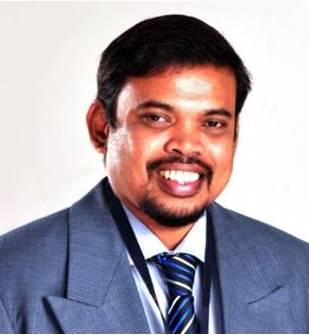
    முனைவர். ரமேஷ் தங்கமணி


    ஆய்வறிஞர் மதிப்புரை (Peer Review):

    தமிழகத்தின் தென்பகுதியாகிய தென்காசி மற்றும் செங்கோட்டையில் வாழ்ந்த இரு பெண் ஆளுமைகளின் வாழ்வியலை ஒப்பிட்டுச் செய்யப்பட்டுள்ள ஒப்பீட்டாய்வாக இக்கட்டுரை அமைகிறது. இருவர்தம் படைப்புகளில் உள்ள அத்வைத சூபியிசக் கோட்பாட்டு ஒற்றுமையைப் புலப்படுத்தியிருப்பது கட்டுரைக்கு மேலும் வலுச் சேர்க்கிறது. அதைப் போலவே இருவர்தம் கால ஆராய்ச்சியும் தகுந்த சான்றுகளால் நிறுவப் பெற்றுள்ளது.

    இம்மையில் போராடிய ஒருவரும் மறுமைக்குப் பேறு வேண்டிய மற்றொருவருமாக குருவருளையும் திருவருளையும் வேண்டிப் பாடிய இருவருடைய வாழ்வியலைப் ஆய்வுக்கு உட்படுத்த ஒப்புமையும் பகுப்புமையுமாக விளங்கும் உத்தி நன்று. பாடல் மேற்கோள்கள், நூல்களின் பட்டியல், மேலும் பல ஆய்வுகளுக்கு வழிகோலும். இருநூறு ஆண்டுக்கால இடைவெளியில் ஒரே பகுதியில் ஒன்றியும் மாறுபட்டுமான வாழ்வியலைக் கொண்டிருந்த இருவர்தம் படைப்புகளும் ஒத்துக் காணப்பட்டுள்ளதை இந்தக் கட்டுரை எடுத்துக் காட்டுகிறது.


    Share
  • (Peer Reviewed) கவிதைக் கட்டுமானத்தில் யாப்பின் ஆளுமை

    (Peer Reviewed) கவிதைக் கட்டுமானத்தில் யாப்பின் ஆளுமை

    புலவர் முனைவர் கோ.சுந்தராம்பாள் 
    உதவிப்பேராசிரியர், தமிழ்த்துறை 
    பான் செக்கர்ஸ் மகளிர் கல்லூரி, 
    விளார் புறவழிச்சாலை, 
    தஞ்சை மாவட்டம் – 613006. 
    மின்னஞ்சல் முகவரி –  egowrisss@gmail.com

    முன்னுரை

    தமிழிலக்கியப் பெரும்பரப்பு கவிதைகளுக்குரியது. இருபதாம் நூற்றாண்டின் இறக்குமதிக் கவிதை வடிவமான ‘புதுக்கவிதை’ தன்னை நிலைநிறுத்திக் கொள்ள பட்டபாடு பெரும்பாடு. இந்தப் பாட்டிற்குப் பண்டிதர்கள் காரணம் என்பது சரியன்று. கவிதை பற்றிய புரிதல் தெளிவாக அமையாமற் போனதே காரணம். கவிதையை யாப்பை வைத்து அளந்ததனால் ஒரு வகை குழப்பமே நிலவியது. அது இன்றைக்கும் தொடர்வதாகவே தோன்றுகிறது. ‘யாப்பில்லாமல் போனால் அது புதுக்கவிதை’ என்னும் அளவிற்கு அதன் வடிவம் வரையறைக்குள்ளானது. அதனின்றும் வேறுபடுத்திக் காட்ட யாப்பு உள்ளவையெல்லாம் மரபுக் கவிதையானது. இதனால் ‘கவிதை என்ன ஆனது? என்பது பற்றி யாரும் கவலைப்பட்டதாகத் தெரியவில்லை.  சங்கக் காலம் முதல் இன்றுவரை “யாப்பென்னும் தமிழ்க்கவிதையின் கட்டுமான மூலம் தமிழக்கவிதைகளைத் தனது செல்வாக்கோடு கூடிய அரவணைப்பிலேயே வைத்துக் கொண்டிருக்கிறது” என்னும் ஒருவரிக் கருதுகோளை முன்வைத்து இக்கட்டுரை அமைகிறது.

    கட்டுரைப் பரிமாணம்

    ‘கவிதைக் கட்டுமானத்தில் யாப்பின் ஆளுமை’ என்னும் தலைப்பில் அமையும் இக்கட்டுரை சங்கக் காலம் தொடங்கி இற்றை நாள்வரை தமிழின் யாப்பு தமிழ்க்கவிதைகளின்மேல் செலுத்தும் ஆளுமை பற்றிச் சுருக்கமாக ஆராய்கிறது. தொடைவிகற்பங்கள், பாக்கள், அவற்றின் இனம் முதலியன கவிதைப் பொருண்மைகளைத் துல்லியமாக வெளிப்படுத்துவதில் செலுத்தும் ஆதிக்கத்தை வெளிப்படுத்துவதாக அமைகிறது. அமையவே தமிழ்யாப்புக்கும் தமிழ்க்கவிதைகளுக்குமான யாப்புறவு பற்றிய புரிதல் மேலும் விரியக்கூடும்.

    இலக்கிய வடிவங்களில் கவிதை

    செய்யுள், நாடகம், சிறுகதை, புதினம் என இலக்கிய வடிவங்கள் பலவாம். அவற்றுள் செய்யுள் அல்லது கவிதையே சிறந்த வடிவம் என்பது எல்லார்க்கும் ஒப்ப முடிந்த கருத்து. ‘செய்யுள்’ என்பதற்கும் ‘கவிதை’ என்பதற்குமான நுண்ணிய வேறுபாட்டினை அறிஞர் மு.வ. ஆராய்ந்திருக்கிறார். மேலும் ‘புதுக்கவிதை’ என்பது போலப் ‘புது நாவல்’ ‘புதுச் சிறுகதை’, ‘புது நாடகம்’ என்னுமாறு யாரும் அழைப்பதில்லை. படைப்பாளியின் உணர்ச்சியனுபவத்தை நேரடியாகப் படிப்பாளிக்கும் பரிமாறும் பேராற்றல் கவிதைக்கு இருப்பதே அதன் வடிவச் சிறப்புக்கான  அடிப்படைக் காரணம் எனலாம்.

    “கலையின் வடிவமே கலைஞரின் உள்ளத்தையும் கற்பவரின் உள்ளத்தையும் தொடர்பு படுத்துவதாகும்” 1

    என்பது சிந்திக்கத்தக்க கருத்தாகும்.

    தமிழ்க்கவிதை வடிவங்கள்

    வெண்பா, ஆசிரியப்பா, கலிப்பா, வஞ்சிப்பா, மருட்பா எனக் கிடந்த ஐவகைப் பாக்களும், மருட்பாவைத் தவிர்த்த பிற பாக்களுக்குரிய இனங்களும் தமிழ் நெடுங்கவிதைப் பரப்பினைத் தம் ஆளுகைக்குள் வைத்திருந்தன. இவற்றுள் அடங்காத ஆனால் இவற்றினும் நெகிழ்ச்சியினையுடைய நாட்டுப்புறக் கவிதை வடிவங்களோ இளங்கோவடிகள் முதலிய கவிஞர் பெருமக்களையும் யாப்பினை எதிர்ப்பதாகவோ மீறுவதாகவோ தமக்குத் தாமே கூறிக்கொள்ளும் இன்றைய புதுக்கவிதைகள் வரையும் தனது ஆக்டோபஸ் கரங்களை நீளச் செய்திருக்கின்றன.

    வடிவம் – வரையறை – பயன் – இன்றியமையாமை

    உணர்ச்சி, கருத்து, கற்பனை, வடிவம் என்பன இலக்கியக் கூறுகள் என்பது மேனாட்டுக் கவிதைக் கொள்கை. இது தமிழியலுக்கு எந்த அளவுக்குப் பொருந்தி வரும் என்பதற்கான ஆராய்ச்சி இன்னும் தொடங்கப் பெற்றதாகத் தெரியவில்லை. காரணம் அறிஞர் மு.வ. தொடங்கி இற்றை நாள் வரை திறனாய்வுக் கொள்கைகளை அல்லது நெறிகளை வடிவமைத்தோர் பெரும்பாலும் மேனாட்டுக் கொள்கைகளாலேயே தமிழ்ப்படைப்புக்களை அளந்தறிந்து வந்துள்ளனர். சென்னை உலகத் தமிழாராய்ச்சி நிறுவனத்தில் தமிழ் இலக்கியக் கொள்கைகள் பற்றிய புதிய சிந்தனை கால்கொண்டதும் இங்கே கருத்தில் இருத்த வேண்டிய செய்தியாகும். கவிதைக்கு உணர்ச்சி தலையாயது என்பது உண்மையாயினும் மேனாட்டு இலக்கிய உணர்ச்சிக்கும் தமிழ்க்கவிதை உணர்ச்சிக்கும் நிலவும் நுண்ணிய வேறுபாடு நோக்கத்தக்கதாகும். இது பற்றிப் பின்னால் விவாதிக்கப்படும். கவிதைக்கு வடிவம் என்பது கவிஞனின் உணர்ச்சி அனுபவத்தை நுகர்வோனுக்குக் கொண்டு செல்லும் காட்சி ஊடகமாக இருப்பதாகும். வடிவம் இல்லையாயின் அனுபவத்திற்கான வழி இல்லாது போய்விடும்.

    “கவிஞர் தன் எண்ணத்தையும் உணர்ச்சியையும் சுவைஞருக்கு உணர்த்த முற்படும் ஆழ்ந்த முயற்சியே இலக்கிய வடிவமாகும். …………………………..இலக்கியம் அழகு பெறுவது வடிவத்தால்” 2

    உணர்ச்சிக்கும் கருத்துக்கும் இசைவில்லாவிடினோ அவற்றுள் முரணேதும் அமைந்துவிடினோ ‘படைப்புச் சிதைவு’ தவிர்க்க இயலாததாகிவிடும்.

    “ஓர் இலக்கியம் சிறந்ததா இல்லையா என்பது அதனுள் அமைந்த உணர்ச்சியின் விழுப்பத்தைப் பொருத்தது. ஓர் இலக்கிய நூல் நன்கு அமைந்ததா இல்லையா என்பது உணர்ச்சிக்குத் தரப்பட்ட வடிவத்தைப் பொருத்தது.” 3

    என்பது அறிஞர் மு.வ. அவர்களின் வடிவத்தைப் பற்றிய சிந்தனை முத்துக்களில் ஒன்றாகும்.

    கவிதையும் யாப்பும்

    கவிதைக்கு யாப்பு அடிப்படையாக அமைந்ததற்குத் தலையாய காரணம் அதன் ஒலியமைதியே. ‘இன்ன எழுத்துக்களால் இன்ன அசைகள் அமையும்’, ‘இன்ன அசைகளால் இன்ன சீர்கள் உருவாகும்’, ‘இன்ன சீர்களின் இசைவால் இன்ன தளைகள் பிறக்கும்’ என்றெல்லாம்  விதிக்கப்பட்டிருக்கும் யாப்பியல் விதிகளே மேற்கண்ட கூற்றினை உறுதி செய்யும்.  ஒலியின்பமே யாப்பின் நோக்கம்.  யாப்பே ஒலியாகாது. யாப்பு காரணம். ஒலி காரியம். இந்தப் புள்ளியில்தான் கவிதையினின்றும் உரைநடை வேறுபடுகிறது. உரைநடையில் ஒலியின்பம் பொருண்மையை நீர்த்துப் போகச் செய்துவிடும். கவிதையிலோ அதன் குழைவுக்கு மெருகேற்றி வெளிப்பாட்டு உணர்ச்சியைத் துல்லியமாகப் பதிவு செய்துவிடும். அளபெடையின் நுட்பமே இதுதான். வெறும் இடைச்சொற்களை வைத்துக் கொண்டு ‘ஒண்ணுதற் கோஓ உடைந்ததே”4 எனத் திருவள்ளுவர் கவிதைத் தொழில் செய்திருப்பதற்கும், இலக்கண நூற்பாக்களைக் கவிதைபோல அமைத்துக் காட்டியதற்கும் இதுவே தலையாய காரணம் என அனுமானிக்கலாம்.

    இலக்கணத்தையும் ஆட்கொண்ட யாப்பு

    தொல்காப்பியப் பொருளதிகாரம் கவிதைக் கட்டுமானத்தைப் பற்றிய ஆய்விலக்கணம் ஆகும் என்பது இக்கட்டுரையாளர் கருத்து. அது தனி ஆய்வுக்குரியது. பொருளதிகாரத்தில் கவிதையின் புறக்கட்டுமானத்தைப் பற்றி ஆராய்ந்திருக்கும் பகுதி செய்யுளியல் ஆகும். அதில் கூறப்பட்டுள்ளது பல தொடை பற்றிய இலக்கணங்கள். தமிழ் இலக்கண நூற்பாக்களைத் தம் ஆளுகைக்கு உட்படுத்தியுள்ளன என்பதை அறியமுடிகிறது.

    ‘கண்ணுக்கு இமைகாவல்’ என்பது போலக் கவிதைக்கு யாப்பு காவல் என்றாலும் பொருந்தும். கண்ணுக்கு வெளியே இருந்து இமை செய்யும் பணியைக் கவிதைக்கு உள்ளேயிருந்து யாப்பு செய்கிறது. ஊராட்சி உறுப்பினர் தொடங்கி நாட்டின் தலைமையமைச்சர் வரை செல்லும் மக்களாட்சிக் கட்டமைப்பும் தமிழ்க்கவிதையின் யாப்பியல் கட்டமைப்பும் பெரும்பாலும் ஒத்திருப்பதைக் காணலாம். எழுத்தால் அசை, அசைகளால் சீர், சீர்களால் தளை, தளைகளால் ஒலிவிகற்பம். இந்த நிரலில் அமைவதுதான் யாப்பியல் அமைந்த கவிதை. எழுத்தில் தொடங்கிப் பாக்களாலும் இனங்களாலும் வளர்ந்து நூலாக நிறைவடையும் சிறப்புடையது தமிழ் யாப்பு. விதிக்கப்பட்ட நெறியினின்று தவிர்க்க இயலாத காரணங்களினால் நெடுவழிப் பயணத்தில் தாயின் கைப்பிடியை நழுவி விலகிச் செல்லும் சிறார் போல விலகிச் செல்வனவற்றையும் பாசத்துடன் அரவணைத்துக் கொள்ளும் பாங்கு தமிழ் யாப்பிற்கு உண்டு. புறனடை, ஒழிபியல் என்றெல்லாம் தமிழ் இலக்கணம் இதுபற்றிப் பேசியிருக்கிறது.

    யாப்பின் கொடுமுடியான ஒலியமைதிக்குக் கவிதைகள் மட்டுமன்று இலக்கணநூல்களே மயங்கி நின்றிருந்ததை வரலாறு நமக்குக் காட்டுகிறது. ஓரடி முதல் ஐம்பத்து நான்கு அடிகள் வரை  நீண்டிருக்கும்  தொல்காப்பிய நூற்பாக்களில் தென்படும் யாப்பின் ஆளுமை, இலக்கியத்திற்கு மட்டுமன்று இலக்கணக் கட்டமைப்பிற்கும் இலக்கிய அமைதிக்கும் அதன் இன்றியமையாமையை உணர்த்தி நிற்கிறது.

    இலக்கண நூற்பாக்களில் எதுகையின் ஆளுமை

    ‘எகனை மொகனை’ என்னும் வழக்காறு புலனெறிவழக்கத்தில் எதுகை, மோனை எனத் திரியும். தொல்காப்பியத்தில் நூற்றுக்கணக்கில் அமைந்துள்ள ஓரடி நூற்பாக்கள் இலக்கணத்தை ஒலியின்பத்தோடு புரிய வைப்பவையாக உள்ளன. அறிவுக்கும் செவிக்கும் ஒருசேர மகிழ்ச்சியைத் தருவனவாக அவை அமைந்துள்ளன.

    “ஒற்றள பெடுப்பினும் அற்றென மொழிப”5

    “வஞ்சி மருங்கின் எஞ்சிய உரிய”6

    “ஒவ்வும் அற்றே நவ்வலங் கடையே”7

    “எண்ணரும் பாசறை பெண்ணொடும் புணரார்”8

    என்பன போன்ற அமைப்புக்களையுடைய நூற்பாக்களும் இடையியல், உரியியல் ஆகியவற்றுள் அமைந்துள்ள நூற்பாக்களும் மேற்கண்ட ஒலியின்ப உண்மையை உணர்த்தக் கூடும். பிற்காலத் தமிழ் யாப்பியல் கொள்கைப்படி நாற்பத்து மூன்று தொடை விகற்பங்களுள் ‘பொழிப்பு’ என்பது ஒலியின்பத்தை மிகுத்துக் காட்டப் பயன்படுத்தப்படும் கவிதை உத்தியாகும். அப்பொழிப்பெதுகையைத் தொல்காப்பியம் மேற்கண்ட நூற்பாக்களில் பொருத்தமாகப் பயன்படுத்தியுள்ளதைக் காணலாம்.

    முற்றெதுகைகளால் கண்ட முழுமை

    நான்கு சீர்களால் அமைந்த அடி அளவடி எனப்படும். தொடைவிகற்பங்கள் அளவடிக்கே உரியவை. அவற்றுள் ‘முற்றெதுகை’ குறிப்பிடத்தக்கது. பழந்தமிழ் இலக்கியங்களில் மட்டுமன்றித் தற்காலப் புதுக்கவிதைகளிலும் முற்றெதுகைகள் தங்களது ஆளுமையை வெளிப்படுத்தியிருக்கிறது.

    “துப்பார்க்குத் துப்பாய துப்பாக்கித் துப்பார்க்குத்
    துப்பாய தூஉம் மழை” 9

    “எத்தனை நாள்? எத்தனையாண்டு?
    எத்தனைப்போர்? எத்தனைப் பேர்?
    எத்தனைத்தோள்? இந்திக்கு எழுவதோ?
    எத்தனைப்பேச்சு எத்தனைத்தாள்?
    எத்தனைப்பாடு எத்தனைப் பாட்டு?
    எத்தனைத்தாம் எழுதிக் குவிப்பதோ?”10

    எனத் திருவள்ளுவரும் தனித்தமிழ்ப் பாவலர் பெருஞ்சித்திரனாரும் பயன்படுத்திய பாங்கு மேலே சுட்டப்பட்டுள்ளது. திருவள்ளுவர் எழுதியது குறள் வெண்பா. பெருஞ்சித்திரனார் எழுதியது சந்தப்பா! எடுத்துக்காட்டுக்காகச் சொல்லப்பட்டவைகள் இப்படியிருக்கக் கணிதச் சூத்திரங்களாக இருக்க வேண்டிய இலக்கணங்களைக் கவிதைக்கனிகளாக மாற்றித் தந்திருக்கும் தொல்காப்பியரின் கவிப்பாங்கு சிலவற்றைக் காணலாம்.

    “மின்னும் சின்னும் ஆனும் ஈனும்
    பின்னும் முன்னும் வினையெஞ்சு கிளவியும்
    அன்ன இயல என்மனார் புலவர்” 11

    “நெல்லும் செல்லும் கொல்லும் சொல்லும்
    அல்லது கிளப்பினும் வேற்றுமை இயல”12

    மின்னும் பின்னும் பன்னும் கன்னும்
    அந்நாற் சொல்லும் தொழிற்பெயர் இயல”13

    மேற்கண்ட தரவுகளிலிருந்து இலக்கணத்தை வறட்சி வெளிப்பாடாகக் கருதாமல் செவிநுகர் கனிகளாக ஆக்கித் தரவேண்டும் என்னும் பழந்தமிழ் இலக்கண ஆசிரியர்களின் கற்பித்தல் உத்தி பெறப்படுவதாகக் கொள்ள இயலாதா? இந்த உத்திக்கு அவர்களுக்கு யாப்பியல் கூறுகளுள் ஒன்றான எதுகைதான் பயன்பட்டிருக்கிறது.

    எதுகைக்காக எதுவும் செய்யலாம்

    தொல்காப்பியப் புறத்திணைகளுள் ‘இயங்குபடை அரவம்’ என்பதும் ஒன்று. இது வெட்சிக்கும் வஞ்சிக்கும் பொதுவான துறை. இத்தொடரை ‘இயங்குபடை அரவம்’ எனவும் ‘படையியங்கு அரவம்’ எனவும் இருவேறு முறைகளில் தொல்காப்பியர் கையாண்டிருப்பது தெரியவருகிறது.

    “படையியங்கு அரவம் பாக்கத்து விரிச்சி
    புடைகெடப் போகிய செலவே”14

    “இயங்குபடை அரசம் எரிபரந் தெடுத்தல்
    வயங்கல் எய்திய பெருமை”15

    ஐந்தே நூற்பாக்களின் இடைவெளியில் தொல்காப்பியர் ஒரு தொடரை இருவேறு நூற்பாக்களில் இருவேறு வகையாக அமைத்திருக்கும் பாங்கு எதுகையில் அவர்க்கிருந்த ஈர்ப்பையும் கவிதையில் வெளிப்படும் வடிவழகு இலக்கண நூற்பாக்களிலும் அமைதல் வேண்டும் என்னும் அவருடைய அவாவையும் ஒருசேரப் புலப்படுத்துவதாகக் கொள்ளலாம்.

    குற்றியலுகரமா? குன்றியல் உகரமா?

    கவிதையிலக்கணத்துள் பின்பற்றப்படும் வலித்தல் முதலிய விகாரங்களாகிய ஒலியமைதிகளைத் தொல்காப்பியர் தாம் எழுதிய இலக்கண விதிகளிலேயே பின்பற்றியிருப்பதை அறிய முடிகிறது.

    “ஒன்றறி கிளவி தறட ஊர்ந்த
    குன்றிய லுகரத்து இறுதியாகும்”16

    குற்றியலுகரம் என்பது எதுகை நோக்கி மெலிந்து நின்றது என உரையாசிரியர்கள் விளக்கமளிக்கும் நிலை இருந்துள்ளது.

    யாப்பு உணர்ச்சிக்குத் தடுப்புவேலியா?

    நீர்த்துப் போன எண்சீர் விருத்தங்களை எழுதிவைத்துக் கொண்டு “நாங்கள் மரபுக்கவிஞர்கள்” என்று மார்தட்டிக் கொண்டு சிலர் இருக்க ’நாங்கள் புதுக்கவிதைப் படைப்பாளர்கள்’ என்று ஒரு கூட்டம் வந்தது. இந்த அணியினரின் தலைமைப் பொறுப்பாளர்கள் சிலர் மரபு பற்றிய விழிப்புணர்வு கொண்டவர்கள். முறையான தமிழ்க்கல்வி பெற்றவர்கள். இவர்கள் செய்த ஒரு செயல்தான் புதுக்கவிதை கவிதையாக வளராமல் போனதற்குத் தலையாய காரணமாக அமைந்தது. அப்படி அவர்கள் என்ன சொன்னார்கள்? “யாப்பு கவிதையுணர்ச்சிக்குத் தடுப்பு வேலியாக இருக்கிறது”. இதுதான் அவர்கள் சொன்ன சேதி. இந்தச் சேதியின் நம்பகத்தன்மை பற்றிய ஆராய்ச்சி இல்லாமலேயே பின்னால் வந்தவர்கள் ‘கவிதைக்கு யாப்பே தேவையில்லை’ என்றும் முடிவுக்கு வந்து “ஏடும் எழுத்தாணியும்” கையிலிருந்தால் அவன் கவிஞன் என்னும் பெருமையைத் தாங்களாகவே சூட்டிக் கொண்டார்கள். தமிழகத்தில் கவிஞர்கள் எண்ணிக்கை வெட்டுக் கிளிகளைப்போலப் பரந்தும் கவிதைகள் அன்னப் பறவைகளைப் போலக் குறைந்தும் போனதற்குப் பத்து ரூபாய்க்குப் பால்பாயிண்ட் பேனா வாங்கியவனெல்லாம் பாட்டு எழுதியதுதான் காரணம். சமயக் குரவர்களும் ஆழ்வார்களும் யாப்பமைப் பாடல்களில் மானுடத்தின் அரிய உணர்ச்சியாகிய பக்தி உணர்ச்சியைத் தேனொழுகப் பாடி, ஊனுருகச் செய்திருக்கின்றனர். மிகக் கடுமையான யாப்பெனக் கருதப்படும் கட்டளைக் கலித்துறையில் அமைந்த ‘அபிராமி அந்தாதி’, பல்வகை யாப்புக்கள் அடங்கிய பாடல்களின் தொகுப்பான மணிவாசகரின் ‘திருவாசகம்’, வள்ளற்பெருமானின் திருவருட்பா முதலிய இலக்கியங்கள் எல்லாம் உணர்ச்சிப் பிழிவு என்பதை இவர்கள் ஏன் சிந்திக்கவில்லை என்பது ஒரு புதிராகவே உள்ளது. குமரகுருபரரின் அனைத்துப் படைப்புக்களும் யாப்புக்குள் செறித்து வைக்கப்பட்டுள்ள உணர்ச்சிப் பிழம்புகளே என்பதைக் கற்றார் உணர்வர். எல்லாவற்றினும் உச்சமாக யாப்பும் உணர்ச்சியும் கைகோத்த அரிய நிலையில் அருணகிரியார் பாடிய திருப்புகழ் வண்ணம் இவர்கள் அறியாததா? இன்னும் சொல்லின் விரியும். யாப்பு எந்த நிலையிலும் உணர்ச்சிக்குத் தடுப்புவேலியாக இல்லை என்பதற்கு இவையே போதுமான சான்றுகளாகலாம்.

    எதுகைக்கு வந்த வாழ்வு

    எதுகையில்லாத ஒரு பாடலை எண்ணிப் பார்க்கவே முடியாது என்ற அளவிற்குத் தமிழ்க்கவிதைகளில் அதன் ஆளுமை நிலவுகிறது.  ஒலி நயம், ஒலி ஒற்றுமை இவற்றை நோக்கமாகக் கொண்டு அமையும் அத்தகைய அமைப்பாளுமைகளை உரையாசிரியர்கள் கண்டறிந்து உணர்த்தியுள்ள பாங்கு உளங்கொளத்தக்கது. சான்றாக,

    “உடைசெல்வம் ஊண்ஒளி கல்வியென் றைந்தும்
    அடையாவாம் ஆயம் கொளின்”17

    என்னும் குறட்பாவில் காணும் வைப்புமுறை ஒளி, கல்வி, செல்வம் ஊண், உடை என்றே இருத்தல் வேண்டுமெனினும் ‘அடையாவாம்’ என்னும் எதுகைக்கேற்ப அமைந்தது என்பதனை உரையாசிரியர் பரிமேலழகர்,

    “இச்சிறப்பு முறை செய்யுள் நோக்கிப் பிறழ நின்றது”18
    என எழுதிக் காட்டுகிறார்.

    “நெடுநீர் மறவி மடிதுயில் நான்கும்
    கெடுநீரார் காமக் கலன்”19

    என்னும் குறட்பா விளக்கவுரையில் “மடி, நெடுநீர், மறவி, துயில்” என்னும் நிரல் பிறழ நின்றமைக்கு,

    “முன்னிற்கற்பாலதாய ‘மடி’ செய்யுள் நோக்கி இடைநின்றது”20

    என எழுதிக் கவிதைக்கு எதுகையால் அமையும் ஒலியின்பத்தைக் குறிப்பாகச் சுட்டுவார் பரிமேலழகர். ‘எழுவாய் – செயப்படுபொருள் – பயனிலை’ என்னும் உரைநடைத் தொடரமைப்பு செய்யுளில் மாறுபடலாம் என்பது நெறி. கவிதையுள் அவ்வாறு மாறுபடுவதற்கான காரணங்களுள் தலையாயது எதுகையினால் அமையும் ஒலியின்பம் என்பது கருத்து.

    கவிதையில் வலித்தலும் மெலித்தலும்

    தொடையின்பத்திற்காக எதுகை திரியும் என்றால் அதே தொடையின்பத்திற்காக வலித்தல், மெலித்தல் விகாரங்களும் எதுகையை ஆளுகின்றன என்பதையும் காணமுடிகிறது.

    “இருள்நீங்கி இன்பம் பயக்கும் மருள்நீங்கி
    மாசறு காட்சி யவர்க்கு”21

    என்னும் குறட்பா உரையில்,

    (இருள் நீக்கி என இருக்க வேண்டியது) ‘நீங்கி’ எனத் தொடைநோக்கி மெலிந்து நின்றது., நீங்க என்பதன் திரிபெனினும் அமையும்” 22

    என எழுதிக் கவிதையின் புறக்கட்டுமானத்தைப் பற்றிய தனது கருத்தைப் பதிவு செய்திருக்கிறார் பரிமேலழகர். முதற்சீரும் நான்காம் சீரும் எதுகையால் ஒன்றுபடின் ஒரூஉ எதுகையாகலின் அது பங்கப்படக் கூடாது என்பது பரிமேலழகரின் கருத்து. நூலின் உள்ளடக்க நுண்பொருளைக் காணவேண்டிய உரையாசிரியர். அத்தோடு அதன் புறக்கட்டுமானத்தையும் இலக்கண மற்றும் தொடையமைதியையும்  நோக்கி உரையெழுதியிருப்பது கவிதையின் மேல் நிலவும் யாப்பின் ஆளுமையைக் காட்டுவதாகக் கருதலாம்.

    யாப்புக்குத் தலைவணங்கும் திருவள்ளுவர்

    கருத்து நிலைக்கு முதன்மை, ஒலியின்பம் காத்தல் என்னும் கவிதைக் கொள்கைகள் திருக்குறளில் சீராக அமைக்கப்பட்டிருந்தாலும் எந்த நிலையிலும் யாப்பமைதி சிதைந்து விடக்கூடாது என்பதையே தமது தலையாய வடிவக் கொள்கையாகத் திருவள்ளுவர் கொண்டிருந்தார் என்பதற்குப் பல சான்றுகளைக் காட்ட இயலும்.

    “அகழ்வாரைத் தாங்கும் நிலம்போலத் தம்மை
    இகழ்வார்ப் பொறுத்தல் தலை”23

    என்னும் குறட்பாவைத் தமிழகப் பேருந்துகள் பலவற்றிலும் கண்டிருக்க முடியும். குறளறிந்த பலரும் இக்குறட்பாவை,

    “அகழ்வாரைத் தாங்கும் நிலம்போலத் தம்மை
    இகழ்வாரைப் பொறுத்தல் தலை”

    என்றே மேடைகளில் முழங்குவதையும் செவிமடுத்திருக்கலாம்.  உண்மையில் இக்குறட்பா மேடையில் முழக்கத்தில் சொல்லப்படுவதுபோல் அமையவில்லை. அப்படி அமைந்திருந்தால் யாப்பமைதியைத் திருவள்ளுவர் காக்கவில்லை என்னும் அடாத பழி அவருக்கு வந்திருக்கும். முதலடியின் முதற்சீருக்கு ஏற்ப இரண்டாவது அடியின் முதற்சீர் அமைதலே முறை என்று எண்ணியிருந்தால் அவ்வடி,

    “இகழ்வாரைப் பொறுத்தல் தலை”

    என அமைத்திருப்பார். அவ்வாறு அவர் அமைத்திருந்தால் காய்முன் நிரைவந்து வெண்பாவில் வரக்கூடாதென விலக்கப்பட்ட கலித்தளைத் தட்டுச் செப்பலோசைக்குச் சிதைவு ஏற்பட்டிருக்கும்.

    தொடக்கக்காலக் கவிதைக் கட்டுமானங்கள்

    இலக்கண நூல்கள் பெரும்பாலும் ஆசிரியப்பாக்களின் இலக்கண அமைதி கொண்டவையே. பெரும்பாலும் ஒருவரி நூற்பாவும் ஆசிரியப்பா ஒலியைக் கொண்டே அமைந்திருக்கும். சங்க இலக்கியங்கள் ஆசிரியப்பா, கலிப்பா, வஞ்சியடி விரவிய நிலையில் அமைந்த ஆசிரியப்பா என்ற அளவிலேயே கட்டுமானம் செய்யப்பட்டன. இரட்டைக்காப்பியங்ள் ஆசிரியப்பாவினால் அமைந்தாலும் சிலப்பதிகாரத்தின் கவிதைக் கட்டுமானம் வரிப்பாடல்களையும் அணைத்துச் செல்கிறது. பத்துப்பாட்டின் இறுதியிலும் சிலம்பின் ஒவ்வொரு காதையின் இறுதியிலும் காணப்படும் வெண்பாக்கள் கவனத்திற்குரியன. சீவகசிந்தாமணி யாப்பின் தளர்ச்சியைக் காட்டுவதுபோல விருத்தப்பாவில் அமைந்தது. கம்பராமாயணமும் வில்லிபாரதமும் பெரியபுராணமும் விருத்தத்தை அதன் உச்சிக்கே கொண்டு சென்றன. தொடர்ந்து வந்த பதிகங்களும் பாசுரங்களும் விருத்தங்களால் அமைந்தன. தொண்ணூற்றாறு வகை சிற்றிலக்கியங்கள் யாப்பின் அனைத்துவகைக் கூறுகளையும் கொண்டிலங்கின.

    சிந்தையள்ளும் சிந்து

    தொல்காப்பியச் செய்யுளியல் தமிழ்ச் செய்யுள் உலகில் ‘வடிவக்கருவியாக’ மிக மிகக் குறைவாகவே செயல்பட்டுள்ளது.  தொல்காப்பியம் கற்றாரும் ‘செய்யுளியல் நீங்கலாகவே’ கற்றனர். இதற்குப் பெரிதும் காரணமாக அமைந்தது அமிதசாகரரால் எழுதப்பட்ட ‘யாப்பருங்கலம்’, ‘யாப்பருங்கலக்காரிகை’ ஆகிய இரண்டு நூல்களே.  இவை தோன்றிய காலத்திற்குப் பிறகு தமிழ்க்கவிதை உலகம் பெரும்பாலும் இவற்றின் ஆளுகைக்கே உட்பட்டிருந்தமையை அறியலாம். இந்தப் பின்புலத்தில் நோக்கினால் சிந்து என்னும் வடிவத்திற்கான இலக்கணம் கிட்டுமாறு இல்லை. அசை, சீர், தளை என்னும் வகைபாடுகளை முற்றிலும் புறக்கணித்து ஒலியமைதியை மட்டுமே அளவாகக் கொண்ட சிந்திலக்கிய இலக்கணம் பற்றிப் புதுச்சேரி அறிஞர் முனைவர் திருமுருகன் பெருமளவில் ஆராய்ந்திருப்பதாகத் தெரிகிறது.  ‘சிந்துக்குத் தந்தை’ எனப் பாரதிதாசன் தனது நண்பரான சுப்பிரமணிய பாரதியைப் பாராட்டுவார். எனினும் சிந்துக்குத் தந்தை சென்னிகுளம் அண்ணாமலை ரெட்டியாரே. இது இதுவரைக் கிட்டியிருக்கிற தரவுகளின் அடிப்படையில் ஆய்வாளர்கள் செய்த முடிவாகும். இருபத்து நான்கு பாடல்கள் மட்டுமே கிட்டியுள்ள ரெட்டியாரின் சிந்துக்கள் தரும் ஓலியின்பம் கேட்டு மாளாது. அடுத்த சில பத்திகளில் ரெட்டியாரின் சிந்துக்களின் தாக்கம் தமிழ்க்கவிதை உலகை எவ்வாறு பாதித்துள்ளது என்பதை அறிந்து கொள்ள உதவக்கூடும். சிற்றிலக்கியங்களிலும் யாப்பியல் நூல்களிலும் அறியப்படாத மக்கள் வாழ்வியலோடு தொடர்புடைய சிந்தின் கட்டமைப்பு ஒலியழகின் கொடுமுடி எனலாம்.

    சிந்துக்குத் தலைவாசல்

    அண்ணாமலை ரெட்டியாரின் காவடிச்சிந்து பின் வந்த இலக்கியங்களைப் பாதித்த வரலாற்றைப் பார்ப்பதற்கு முன் திரிகூடராசப்பக் கவிராயர் படைத்த திருக்குற்றாலக் குறவஞ்சியின் சிந்துக்களை மறந்துவிட இயலாது.

    “இருண்ட மேகஞ்சுற்றிச் சுருண்டு சுழியெறியுங்
    கொண்டையாள் – குழை
    ஏறி யாடிநெஞ்சைச் சூறையாடும் விழிக்
    கெண்டையாள்
    திருந்து பூமுருக்கி னரும்பு போலிருக்கும்
    இதழினாள் – வரிச்
    சிலையைப் போல்வளைந்து பிறையைப் போலிலங்கு
    நுதலினாள்”24

    “கல்லுப் பதித்ததங்கச் செல்லக் கடகமிட்ட
    செங்கையாள் – எங்கும்
    கச்சுக் கிடக்கினும் தித்திச்சுக் கிடக்குமிரு
    கொங்கையாள்
    ஒல்லுங் கருத்தர் மனக் கல்லுஞ் சுழிக்குமெழில்
    உந்தியாள் – மீதில்
    ஒழுங்கு கொண்டுள்ளத்தை விழுங்கு சிறிய ரோம
    பந்தியாள்”25

    என்னும் வசந்தவல்லியின் தோற்ற வண்ணனையும்,

    “சூடக முன்கையில் வால்வளை கண்டிரு தோள்வளை
    நின்றாடப் – புனை
    பாடக முஞ்சிறு பாதமு மங்கொரு பாவனை
    கொண்டாட – நய
    நாடக மாடிய தோகை மயிலென நன்னகர்
    வீதியிலே – அணி
    ஆடக வல்லி வசந்த ஒய்யாரி
    அடர்ந்துபந் தாடினளே.”26

    என்னும் வசந்தவல்லி பந்தடித்த வண்ணனையும் சொற்கள் நேரடியாக உணர்த்தும் பொருளினின்றும் கூடுதலானதொரு உணர்ச்சியைப் பொருளாக உணர்த்தி நிற்பதைக் காணலாம். இந்த ஒலி நுட்பமே யாப்பின் கொடுமுடி. யாப்பினால் பெறப்பட வேண்டிய ஒலி நுட்பத்தை சிந்துப்பாடல்கள் வாழ்வியல் அசைவுகளிலிருந்து பெற்றிருப்பதைக் காணலாம். பா, அதன் இனங்களுக்குச் சீரிலக்கண வரையறை போலச் சிந்துக்குச் செய்து காட்ட இயலாது.  மெட்டுக்குப் பாட்டெழுதும் தற்காலச் திரையிசைப் பாடல்களின் இசைத்தொழில் நுட்பம் சிந்திலிருந்தே தொடங்குவதாகவும் கொள்ளலாம். ஒலியைத் தத்தகாரத்தில் பாடிக்காட்டுவது இதன் அடிப்படையாகலாம்.

    ரெட்டியாரின் அடிப்பொடிகள்

    குற்றாலக் குறவஞ்சியில் சிந்து தொடங்கியிருந்தாலும் சுப்பிரமணிய பாரதி ஏற்படுத்திய கவிதைத் தாக்கத்தைப் போல் சிந்தில் தாக்கத்தை ஏற்படுத்தியது ரெட்டியாரின் காவடிச்சிந்தே ஆகும். இன்றைய திரைப்படப்பாடல்கள் வரை காவடிச்சிந்தின் தாக்கத்தை ஆராய்கிறபொழுதே யாப்பின் உச்சமான ஒலி எவ்வாறு தமிழ்க்கவிதைக் கட்டுமானத்தைத் தன் ஆளுகைக்குள் வைத்திருக்கிறது என்பதை அறியலாம். வெறும் 24 பாடல்களே கிட்டியுள்ள ரெட்டியாரின் காவடிச் சிந்து, 24 தனித்தனி ஒலியமைதிகளைக் கொண்டது என்பதுதான் வியப்பானது. அது தனி ஆய்வுக்குரியது. ஒருசில சுட்டலாம்.

    “வன்ன மயில்முரு கேசன் – குற
    வள்ளி பதம்பணி நேசன் – உறை
    வரமேதரு கழுகாசல பதிகோயிலின் வளம்நான் மற –
    வாதே – சொல்வன் மாதே!”27

    “வள்ளிக்கிசைந்தமுரு கேசன் – அண்ணா
    மலைக்கவி ராசன்மகிழ் நேசன் – என்றும்
    வாழும் கழுகுமலை வாவிவளம் சொல்வன்
    மாதே! கேள்இப் போதே!”28

    “சுந்தரம் மிகுந்த குழல் மேகம்! – அவள்
    சொந்த நுதல் இந்துவிலோர் பாகம்! திருத்
    தும்புருவம் வில்லோடுசி நேகம்!
    தவயோகம்! வென்ற தேகம்! – வஞ்சம்
    துஞ்சுவிழி நஞ்சினினும் வேகம்”29

    மேற்கண்ட மூன்று பாடல்களில் முன்னிரண்டு பாடல்களின் சரணங்களின் உள்ளடக்கம் ஒன்றே. ரெட்டியார் மிக இலாவகமாகச் சந்தத்தை மாற்றியிருப்பதைக் பாடிப்பார்த்தால் உணர முடியும். வள்ளியின் தோற்ற வண்ணனையை மூன்றாவது தரவினால் அறியலாம். ஒலியின்பத்திற்காக யாப்பியலில் வகையுளியைப் பயன்படுத்துவதுபோல் இந்தப் பாடல்களில் ‘மற — வாதே — சொல்வன் — மாதே’ ‘இசைந்தமுரு — கேசன்’ ‘திருத் — தும்புருவம்’ என்றெல்லாம் ஒலியமைதிக்காகச் சீர்கள் பிரிக்கப்பட்டிருப்பதைக் காணலாம்.

    “தெள்ளுதமி ழுக்குதவு சீலன் — துதி
    செப்புமண்ணா மலைக் கனுகூலன் — ஊர்
    செழியப் புகழ்விளைத்த கழுகு மலைவளத்தைத்
    தேனே – சொல்லு வேனே”30 

    என்னும் ரெட்டியாரின் சந்தத்தில் சிந்தையிழந்த பாவேந்தர் பாரதிதாசனும் உவமைக்கவிஞர் சுரதாவும் அதே சந்தத்தில் பாடியிருக்கும் பாடல்களின் சரணம் இப்படி அமைந்திருக்கின்றன.

    “கிட்டிமர வேர்கள்பல கூடும் — அதன்
    கீழிருந்து பாம்புவிரைந் தோடும் —  மர
    மட்டையசை வால்புலியின்
    கட்டிகள் போய் தாய்ப்புலியைத்
    தேடும் – பின் – வாடும்”31

    “ஆசைகொண்டு விண்வெளியின் மீது – மதி
    ஆடையின்றியே உலவும் மாது – முகில்
    ஓசைகொண்ட மண்டலத்தில்
    ஊர்ந்துலவி வாழ்ந்து வரும்
    ஊமை! வெள்ளி ஆமை!”32

    மேற்கண்ட இரண்டு சிந்துக் கண்ணிகள் கவிஞர்களின் உள்ளத்துள் ரெட்டியார் சிந்தொலியின் ஊடுருவலை நன்கு காட்டக் கூடும்.

    எல்லையில்லாச் சந்தங்கள்

    மக்கள் உள்ள அசைவுக்கு ஏற்பவே உடலசைவு அமையும் என்பது உளவியல் நுட்பம்.  நாட்டுப்புற விழாக்களில் அல்லது இன்ப, துன்ப நிகழ்வுகளில், தொழில் சார்ந்த நிகழ்வுகளில் வகைவகையான தாளகதிக்கு ஏற்ப இளைஞர்களும் பெண்களும் ஆடிப்பாடி மகிழ்வதை இதற்குச் சான்றாக்க இயலும். நலுங்கும் ஒப்பாரியும் வேறு வேறு உணர்வுகள். எனவே வேறு வேறு இசையமைதிகள். தாளகதியும் மாறுகிறது. இந்த அடிப்படையில் பல்வகைப்பட்ட சிந்துக்கள் தமிழில் காணக்கிடக்கின்றன. அண்ணாமலை ரெட்டியாரின் இருபத்து நான்கு பாடல்களும் இருபத்து நான்கு வகை சந்தங்கள் என்பது முன்னரே சுட்டப்பட்டது.

    வள்ளி கணவன் பேரை
    வழிப்போக்கன் சொன்னாலும்
    உள்ளம் குழையுதடி – கிளியே
    ஊனும் உருகுதுடி”33

    “நீல மயில் மீதில் ஏறி
    ஆவினன்கு டியில் தோன்றும்
    நிமலனாம் குழந்தை முரு கேசன் -– அவன்
    நித்திலப்புன் முறுவல் வள்ளி நேசன் -– இந்த
    நீணீலந்தனில் அன்பு செய்திடும்
    அடியர் யாரையும் காத்து நின்றிடும்
    நித்தஜோதி வடிவமாம்பிர காசன் தூரன்
    நெஞ்சை நீங்காதென்றும் மகிழ் வாசன்”34

    முருகனருளாகிய பாடுபொருளைத் திருமுருகாற்றுப்படையும் பாடியிருக்கிறது. பரிபாடலும் பாடியிருக்கிறது. கந்தபுராணமும் பாடியிருக்கிறது. அண்ணாமலை ரெட்டியாரும் பாடியிருக்கிறார் பின்னாலே வந்தவர்களும் பாடியிருக்கிறார்கள்.  இவை அத்தனைப் பாடல்களும் யாப்பின் அரவணைப்பிலேயே படைக்கப்பட்டுள்ளன என்பதை உணர்ந்து கொள்ள முடியும். பெரியசாமி தூரன் எழுதிய மேலே காட்டப்பட்ட பாடலில் சந்த இன்பத்திற்காகவும் தாளகதிக்கு ஏற்பவும் வடமொழிச் சொற்கள் விரவி வந்திருப்பதைக் காணலாம். இந்த வகையில் அருணகிரியாரின் திருப்புகழை ஒத்தது இது.

    புதுக்கவிதை விடமுடியாத யாப்பு

    யாப்பினை வேலியாகக் கொண்ட வித்தகக் கவிஞர்களுக்கு இடையே பதர்கள் வந்து கலந்தது ஒரு பக்கம். ஆனால் மரபறிந்த மாகவிஞர் பலர் தொடைகளையும் விகற்பங்களையும் பின்னிப் புனைவதில் தனித்ததோர் தடம் அமைத்தனர்.

    “கொட்டும் மழையினில் வெட்ட வெளியினில்
    குடும்பம் நடத்துகிற – எங்கள்
    பட்டினித் தோழரைக் கட்டி அணைத்திட
    பாரதி வந்திருந்தான் அவன்
    தொட்ட இடமெலாம் வீரம் பிறந்தெங்கள்
    தோளைத் தழுவிடவே – நான்
    சட்டென ஓடித் தலைவன் அவன் பதம்
    நாடிச் சரண்புகுந்தேன்!”35

    என்னும் மேத்தாவின் கவிதை இதற்கொரு சான்றாகலாம். பொருண்மையடிப்படையில் அடையாளம் காணப்பட்ட புதுக்கவிதைகளிலும் யாப்பு பிறவித்தொடர்பு போல அக்கவிதைகளில் தன்னை இழைத்தே வந்திருக்கிறது.

    “ஒருவர் நினைவை
    ஒருவர் கொளுத்திக் கொண்டு
    இருவரும் எரிவோம்
    மெதுவாக!
    நான் மெழுகுத்திரியாக
    நீ ஊதுவத்தியாக”36

    இந்த உணர்ச்சி யாப்புக்குள் அடங்காது. அடக்க இயலாது. இதற்கு வடிவமே இந்தக் கற்பனைதான். இந்தக் கற்பனை எந்த அளவுக்கு மனத்தைப் பாதிக்கிறதோ அந்த அளவுக்கு மனத்துள் நின்று நிலைபெறும். இத்தகைய உணர்வுகளின் வெளிப்பாட்டிலும் யாப்பு தன் ஆக்டோபஸ் கரங்களை நீட்டியிருக்கிறது என்பதுதான் வியப்பானது. ‘மெழுகுவர்த்தியாக’ ‘ஊதுவத்தியாக’ என்னும் முரணிலும் இயைபிலும் யாப்பு புன்னகை புரிவதைக் காணலாம்.

    “இந்த மலையூரில்
    எங்கள் நினைவுகளில்
    இங்கொருத்தி உறங்குகின்றாள்
    இங்கே வரவேண்டாம்
    இதயங்கள் அழுமென்றால்
    இங்கே வரவேண்டாம்”37

    என்னும் கவிதை வரிகள் மோனையோடு கைகோத்துக் கொண்டுள்ளதைக் காணலாம்.

    “அவன் ஒரு
    பட்டு வேட்டி பற்றிய
    கனாவில் இருந்தபோது
    கட்டியிருந்த கோவணமும்
    களவாடப்பட்டது”38

    யாப்பென்னும் உறையிலிருந்து கவனமாகக் கழற்றப்பட்டதே புதுக்கவிதை’ எனத் தனக்குத்தானே சொல்லிக் கொண்ட வைரமுத்து எழுதிய கவிதைதான் மேலே இருப்பது. அதனுள் யாப்பாகிய கட்டுமானம் இல்லாதிருக்கலாம். கட்டுமானத்தின் துணை மூலங்களான மோனை, எதுகை இவையெல்லாம் படிந்து போயுள்ளன என்பதைக் கற்பார் அறியலாம்.

    “சித்தத்தினால் கொண்ட
    பித்தத்தினால் கனவு
    முத்தத்தினால் வந்த
    சத்தத்தினால்
    தூக்கம் கலைந்ததடி தோழி! செத்த
    சூரியன் உதிப்பதெந்த நாழி!”39

    மேற்கண்ட எடுத்துக்காட்டுக்களால் உணர்ச்சியைத் தடுக்கின்ற யாப்பினை நாங்கள் முரித்தே தீர்வோம் என முழக்கமிட்டு வந்த புதுக்கவிதைப் படைப்பாளர்கள் தொடைவிகற்ப வெள்ளத்தில் அடித்துச் செல்லப்பட்டிருக்கிறார்கள். இது அவர்களுக்கே தெரியாது. மரபு என்றால் சொல்லித் தெரிவதன்று. படைப்பில் படிந்து போவது. எனவே புதுக்கவிதை வரை தொடரும் கவிதை இலக்கியம் யாப்பின் பேராளுமைக்கு அடங்கியே நடந்து வந்திருக்கிறது என்பது ஓரளவு புலனாம். புதுக்கவிதைக்கு அடுத்த நிலையில் மக்கள் ஊடகமாகத் திகழும் திரைப்படங்களில் வரும் பாடல்கள் அதாவது திரையிசைப்பாடல்களில் யாப்பு எவ்வாறு தனது ஆக்டோபஸ் கரங்களை நீட்டிப் பிணைத்திருக்கிறது என்பதைப் பின்வரும் பகுதிகளில் காணலாம்.

    திரையிசையில் சிந்து

    தற்கால அறிவியல் உலகின் வலிமையான ஊடகங்களில் ஒன்று திரைப்படம். சமுதாய மாற்றங்களுக்குக் காரணமாய் அமைந்துவிடும் அளவுக்கு அதன் தாக்கம் இருந்து வருகிறது. அதற்குப் பெருந்துணையாக இருப்பன திரையிசைப்பாடல்கள். இந்தத் திரையிசைப்பாடல்களில் அதாவது மெட்டுக்குப் பாட்டெழுதும் இந்தத் துறையிலும் யாப்பு தன் ஆக்டோபஸ் கரங்களை எப்படி நீட்டியிருக்கிறது என்பதை ஒருசில எடுத்துக்காட்டுக்களால் காணலாம்.

    “ஆடை கட்டி வந்த நிலவோ கண்ணில்
    மேடைகட்டி ஆடும் எழிலோ குளிர்
    ஓடையில் மிதக்கு மலர்
    ஜாடையில் சிரிக்கும் இவள்
    காடுவிட்டு வந்த மயிலோ நெஞ்சில்
    கூடுகட்டிவாழும் குயிலோ”40

    என்னும் வரிகளை மெட்டுக்காக எழுதப்படும் சாதாரணமான திரைப்பாடல் வரிகள் என ஒதுக்கிவிட முடியாது.

    “நீலவான் ஆடைக்குள் உடல் மறைத்து
    நிலவென்று காட்டுகிறாய் ஒளிமுகத்தை!
    கோலமுழு தும்காட்டி விட்டால் காதல்
    கொள்ளையிலே இவ்வுலகம் சாமோ?” 41

    என்னும் பாவேந்தரின் கற்பனை பட்டுக்கோட்டையின் எழுதுகோலின் வேறுவடிவத்தில் வந்திருக்கிறது என்பதை உணர்ந்து சுவைத்தல் வேண்டும்.

    “சின்னஞ் சிறுசுகள் உள்ளம் கலங்கிட
    சிந்தையிலே புதுவெள்ளம் பெருகிட
    அன்னம் பிறப்பதன் முன்னம் பிறந்தவர்
    ஆடுவதைக் கண்டு மாமழை பெய்திட
    நீரோடும் வைகை
    ஆத்தோர மேடையிலே
    ஆனந்தக் கூத்தாட்டம்”42

    பட்டுக்கோட்டை நிலவைப் பாடிய பாங்கு அவ்வாறெனின் கண்ணதாசன் நாட்டுப்புற விழாவை மேற்கண்ட சந்தப்பாட்டில் காட்சிப்படுத்துகிறார். சிந்தில் சந்தமாக இருந்தது திரையிசையில் மெட்டாக மாறுகிறது. இரண்டு பாடல்களின் வெற்றியும் சந்தத்தில்தான் அமைந்துள்ளது. “தண்ணிலவு தேனிறைக்க” எனத் தொடங்கும் பாடல் சரணத்தில் வரும்,

    “நெஞ்சமதில் அலை எழும்ப கஞ்சமலர் அடி கலங்க
    அஞ்சி அஞ்சி இடை துவழ
    வந்தாள் அங்கு அன்பருள்ளம்
    தனை நினைந்து நின்றாள்”43

    என்னும் பூவை செங்குட்டுவன் பாடல் மெல்லினச் சந்தத்தை மிக மென்மையாக்கித் தருவதைக் காணலாம். சிந்திசையைத் திரையிசையில் இலக்கியத்தின் உச்சிக்குக் கொண்டு சென்றவர் கவிஞர் கே.டி.சந்தானம் ஆவார். முதிர்ச்சியான தமிழால் இவர் எழுதியிருக்கும் திரையிசைச் சிந்துக்கள் சிந்திலக்கியத்திற்குத் தற்கால வலுவான சான்றுகள் ஆகலாம்.

    மாலை யிட்டமங்கை யாரோ? என்ன பேரோ? அந்த
    மானினியாள் எந்த ஊரோ? உங்கள்
    மனம் நாடிய சுகமேதரு மதிமேவிய வனிதாமணி
    மன்மத வேள்தென்றல் தேரோ? – திரு
    வாய்மலர்ந் தேயரு ளீரோ?”44

    “அனங்கன் அங்கதன் அன்பன்
    வசந்தன் மன்மதன் என்று
    வணங்கும் என் உயிர் மன்னவா?
    மன்னுயிர்க் கின்பம்
    வழங்கும் உன் புகழ் சொல்லவா?
    ஆடலும் பாடலும் அன்பின்
    ஊடலும் கூடலும் இன்பம்
    தேடலும் உன் செயலல்லவா?
    நீ இல்லையென்றால்
    வாடிடும் வையமல்லவா?”45

    என்னும் சந்தானத்தின் சிலவரிகள் கற்பாரைச் சிந்தொலியின் மயக்க நிலைக்கே கொண்டு செல்கின்றன எனலாம். முன்னது ஜி.இராமநாதன் அவர்கள் இசையிலும் பின்னது குன்னக்குடி வைத்தியநாதன் அவர்கள் இசையிலும் உள்ளத்தைக் கொண்ட பாடல்கள் ஆகும்.

    திரையிசைப்பாடல்கள் தொடை விகற்பங்கள்

    அடி மோனை, அடி எதுகை, அடி இயைபு, அடி முரண், அடி அளபெடை என்னும் ஐந்தும் இணைமோனை முதலான தொடைவிகற்பங்கள் முப்பத்தைந்தும் அந்தாதித் தொடை, செந்தொடை, அளபெடைத் தொடை என்னும் ஐந்தும் ஆக 43 தொடைவிகற்பங்கள் தமிழில் உண்டு.46

    “விண்ணோடும் முகிலோடும் விளையாடும் வெண்ணிலவே!
    கண்ணோடு கொஞ்சும் கலையழகே இசையமுதே!
    சங்கீத தென்றலிலே சதிராடும் பூங்கொடியே
    சந்தோஷம் காண உள்ளம் நாடுதே
    மங்காத தங்கமிது மாறாத வைரமிது
    ஒன்றாகி இன்பகீதம் பாடுதே!”47

    என்ற வரிகளில் பொழிப்பு மோனையின் ஆளுமையைக் காணலாம். கற்பனை, பொருத்தமான இசை, எதுகை, மோனை, இயைபு முதலிய தொடைவிகற்பங்களின் ஆளுமை இவை அத்தனையும் இந்தப் பாடலை இனிமையாக்குகின்றன.

    திரையிசைப்பாடல்களில் முரண்

    கவிதைக்கு முரண் அழகு தரும் என்பது உலக இலக்கியங்களுக்குப் பொதுவானதொரு திறனாய்வுக் கொள்கை. ஆனால் முரணை ஓர் உத்தியாகப் பயன்படுத்தி இலக்கணம் சொன்ன மொழி தமிழ்.

    “கறுப்பும் சிவப்பும் வெகுளிப் பொருள” உரியியல்48

    என்பது தொல்காப்பியம். தொல்காப்பியம் நினைத்திருந்தால் அதே உரியியலில் மற்ற சொற்களை விளக்கியது போன்றே இவற்றையும் தனித்தனியாக விளக்கியிருக்க முடியும். ‘ஐ’ வியப்பாகும்’ என ஒரு தொடரில் இலக்கணம் சொன்னவர் முரணில் இலக்கணம் காண்பது அதன் இலக்கியச் செல்வாக்கை உணர்ந்தே என்பது இக்கட்டுரையாளர் கருத்து.

    “செஞ்ஞாயிற்று நிலவு வேண்டினும்
    வெண்திங்களுள் வெயில் வேண்டினும்
    வேண்டியது விளைக்கும் ஆற்றலை ஆகலின்” 49

    எனவரும் சங்க இலக்கிய வரிகள் தமிழ்க்கவிதையில் முரணின் ஆளுமையை வெளிப்படுத்த போதுமான சான்றாகலாம்.

    “கண்ணகி கருங்கணும் மாதவி செங்கணும்” 50

    என்று காப்பியங்களில் இதன் ஆளுமையைப் புரிந்து கொள்ள முடியும். இவற்றையெல்லாம் ஆண்டிருந்த முரண் திரையிசைப்பாடல்களையும் ஆண்டிருக்கிறது.

    “நான்பிறந்த காரணத்தை நானே அறியுமுன்னே
    நீயும் வந்து ஏன் பிறந்தாய் செல்வமகனே!” 51

    கண்ணதாசன் எழுதிய இந்தச் சிந்தனை முரணை ஆலங்குடி சோமு பொருள் முரணாகப் பாடியிருப்பதை,

    “இரவு வரும் பகலும் வரும் உலகம் ஒன்றுதான்
    உறவு வரும் பிரிவு வரும் இதயம் ஒன்றுதான்
    பெருமை வரும் சிறுமை வரும் பிறவி ஒன்றுதான்
    வறுமை வரும் செழுமை வரும் வாழ்க்கை ஒன்றுதான்
    இளமை வரும் முதுமை வரும் உடலும் ஒன்றுதான்
    தனிமை வரும் துணையும் வரும் பயணம் ஒன்றுதான்” 52

    என்னும் வரிகளால் அறிய முடியும்.  இவ்விரண்டு முரண்களையும் தனது வெளிப்பாட்டு உத்தியால் திரு.டி.ராஜேந்தர் அவர்களுக்குத் தருகின்ற திரைப்பாடல் வரிகள் இப்படி அமைந்திருக்கின்றன.

    “இது குழந்தை பாடும் தாலாட்டு
    இது இரவு நேர பூபாளம்
    இது மேற்கில் தோன்றும் உதயம்
    இது நதியில்லாத ஓடம்” 53

    ‘முரண்’ என்னும் தமிழ்க்கவிதைத் தொடைவிகற்பம் தொல்காப்பியத்திலிருந்து இன்றைய திரையிசைப்பாடல் வரை தனது ஆளுமைப் பரப்பை விரிவு செய்து கொண்டிருக்கிறது என்பது புலனாகலாம்.

    திரையிசைப் பாடல்களில் அந்தாதித் தொடை

    ஒரு பாட்டின் இறுதியடி, இறுதிச் சீர், இறுதி எழுத்து தொடர்ந்து வரும் பாட்டின் தொடக்கமாக அமையப் பாடுவது அந்தாதியாகும். ஒரு பாட்டின் ‘அந்தம்’ அடுத்த பாட்டின் ‘ஆதியாக’ அமைவது என்பது பொருள். இந்த அமைப்பே தனியொரு சிற்றிலக்கியமாக வளர்ந்த மொழி தமிழ். அந்த அந்தாதிக் கூறுகளைத் திரையிசையில் வைத்துப் பாடியவர் பலர்.

    “வசந்த கால நதிகளிலே வைரமணி நீரலைகள்
    நீரலைகள் மீதினிலே நெஞ்சிரண்டின் நினைவலைகள்

    நினைவலைகள் தொடர்ந்து வந்தால் நேரமெல்லாம் கனவலைகள்
    கனவலைகள் வளர்வதற்குக் காமனவன் மலர்க்கணைகள்!

    மலர்க்கணைகள் பாய்ந்துவிட்டால் மடியிரண்டும் பங்சணைகள்
    பஞ்சணையில் பள்ளி கொண்டால் மனமிரண்டும் தலையணைகள்

    தலையணையில் முகம்புதைத்து சரசமிடும் புதுக்கலைகள்
    புதுக்கலைகள் பெறுவதற்குள் பூமாலை மணவினைகள்

    மணவினைகள் யாருடனோ? மாயவனின் விதிவகைகள்
    விதிவகையை முடிவுசெய்யும் வசந்த கால நீரலைகள்”54

    “பருத்தி எடுக்கையிலே என்னப் பலநாளும் பாத்த மச்சான்

    ஒருத்தி இருக்கையிலே ஓடிவந்தாலாகாதோ?
    ஓடித்தான் வந்திருப்பேன் நான் ஒன்ன மட்டும் பாத்திருந்தா
    …………………………………………………………………………………………………………………………….
    ஒத்தையடிப் பாதையிலே ஒருத்தியா நான் போகையிலே
    பித்தனைப் போல் நித்தம் நித்தம் சுத்தி சுத்தி வந்தாயே!

    சுத்திச் சுத்தி வந்ததனால் சொந்தமாகிப் போனவளே
    சித்தம் குளிர இப்ப சேர்த்தணைக்கப் போறேண்டி

    சேர்த்தணைக்கும் வேளையிலே சென்றவர்கள் வந்துவிட்டால்
    பார்த்துச் சிரித்திடுவார் பழிபோட்டுப் பேசிடுவார்!
    சிரிப்போரும் பழிப்போரும் சேர்ந்து வந்து வாழ்த்திடவே!”55

    என்னும் பாடல்களில் அந்தாதி மிகச் சிறப்பாகவும் எளிதில் புரியும் வண்ணமாகவும் அமைந்திருப்பதைக் காணலாம்.

    திரையிசைப்பாடல்களில் அளபெடை

    சங்க இலக்கியத்திலிருந்து இன்றுவரை ஒவ்வொரு படைப்பாளருக்கும் தனித்தனி இலக்கண அமைதி என்பது இல்லை. தாய்மொழித் தமிழும் தமிழிலக்கணமும் ஒன்றே. திரையிசையின் தொடைவிகற்பங்கள் மறுதலிப்புக்குரியனவல்ல. மாறாகக் கவனத்துடன் கூடிய ஆய்வுக்குரியன. நெட்டெழுத்துக்களாலும் மெய்யெழுத்துக்களாலும் அடையாளப்படுத்தப்பட்டு அலகிடப்படும் அளபெடை திரையிசைப் பாடல்களில் வேறுவகையாகக் கையாளப்படுகின்றன. வீரபாண்டிய கட்டபொம்மன் படத்தில் வரும் ‘ஜக்கம்மா’ 56 என்னும் பாடலின் தொடக்கமும், ‘மாலையிட்ட மங்கை’ படத்தில் வரும்  ‘சில்லென்று பூத்த சிறுநெருஞ்சி காட்டினிலே’57 என்னும் பாடலின் தொடக்கமும் வானம்பாடி படத்தில் வரும்  ‘கங்கைகரைத் தோட்டம்”58 என்னும் பாடலின் தொடக்கமும் ‘ஊட்டிவரை உறவு’ படத்தில் வரும் ‘பூ மாலையில்’59 என்னும்  பாடலின் தொடக்கமும் ‘இரயில் பயணங்களில்’ படத்தில் வரும் ‘வசந்த ஊஞ்சலிலே’60 என்னும் பாடலின் தொடக்கமும் அளபெடையை மெட்டில் காட்டும் தொழில் நுட்பம் எனத்தகும்.

    தொகுப்புரை

    மரபு மாறாதது. மண்ணிலிருந்து பிறப்பது. மண்வாசனை கொண்டது. மனத்திற்குள் படிவது. படைப்பாளர் அறியாமல் படைப்புக்குள் வந்தமையும் பாங்குடையது. ‘யாப்பு’ என்பது தமிழ்க்கவிதைகளின் உயிர்வேலியாக இருந்த காலம் ஒன்றுண்டு. இந்தக் கட்டுரையில் தரவுகளின் அடிப்படையில் கண்டறிந்து முன்வைக்கப்படும் ஆய்வு மெய்ம்மைகள் பின்வருமாறு தொகுத்துரைக்கப்படுகின்றன.

    • தொல்காப்பியம் உட்பட்ட தமிழ்க்கவிதை பற்றிச் சிந்தித்த தமிழிலக்கண நூல் அனைத்தும் யாப்பிலக்கணத்தைக் கவிதையின் கட்டுமான வரம்பாக நிர்ணயித்துள்ளது.
    • இலக்கண நூற்பாக்களில் பல மாணவர்களின் உள்ளம் கவர்தற்பொருட்டுச் சந்தத்தை அடிப்படையாகக் கொண்டு எதுகை மோனைகளை முன்னிறுத்தி அமைக்கப்பட்டுள்ளன.
    • சங்க இலக்கியங்களில் ஆசிரியப்பாவின் ஆளுமையைக் காண இயலும்.
    • இரட்டைக் காப்பியங்கள் ஆசிரியப்பாவில் அமைந்திருந்தாலும் சீவகசிந்தாமணி, கம்பராமாயணம், பெரியபுராணம், வில்லிபாரதம் முதலியவை விருத்தங்களின் ஆளுகைக்கு உட்பட்டிருந்தன.
    • விருத்தங்களின் மேலாதிக்கம் பதிகங்களிலும் பாசுரங்களிலும் எதிரொலித்தது.
    • சிற்றிலக்கியக் காலம் யாப்பின் பொற்காலம் எனக் கூறுமளவுக்கு அமைந்தது.
    • தமிழ்க்கவிதைப் பெரும்பரப்பு முழுமையும் யாப்பின் அல்லது யாப்புக்கூறுகளின் ஆளுகைக்கு உட்பட்டே அமைந்திருக்கிறது.
    • ‘யாப்பின் மந்தணம் ஓசையொழுங்கே’ என்பதை மக்கள் வாழ்வியலிலிருந்து உருவான சிந்து ஒலியமைதி காட்டுகிறது.
    • குற்றாலக்குறவஞ்சியில் தொடங்கிய சிந்தமைப்பு இன்றையத் திரையிசைப்பாடல்கள் வரை தனது பயணத்தை நீட்டித்திருக்கிறது.
    • யாப்பைப் புறக்கணித்த புதுக்கவிதை வல்லாளர்களும் எதுகை, மோனை, இயைபு முதலிய தொடைவிகற்பங்களைப் புறக்கணிக்க இயலாத அளவுக்கு யாப்பு தனது ஆதிக்கத்தைச் செலுத்தியிருக்கிறது.
    • அசை, சீர், தளை என்பனவற்றின் நோக்கம் ஒலியமைதியே என்பதனால் மெட்டுக்களாகிய ஒலியமைதிக்குப் பொருத்தமான சொற்களை இட்டு நிரப்பும் திரையிசைப்பாடலின் தொழில்நுட்பம் ஒருவகையில் மரபு சார்ந்ததே எனக் கொள்ள முடியும்.
    • இசைக்குப் பொருத்தமான சொற்களால் அமைக்கப்பட்டாலும் மரபு சார்ந்த தொடைவிகற்பங்களாலேயே திரையிசைப்பாடல்கள் கட்டுமானச் சிறப்பைப் பெறுகின்றன.

     நிறைவுரை

    எழுத்து, அசை, சீர், தளை என வந்த தமிழிலக்கணம் செப்பலோசை முதலான வகைகளைக் கண்டறிந்தும் அவ்வொலியமைதியைக் கவிதைக்கூறாகக் (செய்யுள் உறுப்புக்கள்) கொள்ளாததற்கான காரணம் புலப்படவில்லை. எழுத்திலிருந்து ஒலியென்பது இலக்கணம். ஒலியிலிருந்து எழுத்து என்பது திரையிசை. இந்தக் கட்டுரையில் கருதுகோளை நிறுவுவதற்காக எடுத்தாளப்பட்ட தரவுகள் அத்தனையும் உண்மையானவை வலிமையானவை என்பதனால் ‘தமிழ்க்கவிதையின் வடிவம் எப்படி மாறினாலும் யாப்பிலக்கணத்தின் ஏதேனுமொரு கூறு அதனுள் இடம்பிடித்து விடுகிறது என்பது உறுதியாகிறது. தரவுகளின் அடிப்படையில் கண்ட ஒரு  வரி மெய்ம்மையாகத்

    “‘தமிழ் யாப்பிலக்கணம் வந்த நாள் முதல் இந்த நாள் வரை’ தோன்றிய அனைத்துப் படைப்புக்களிலும் தன் ஊடுருவலை ஏதேனும் ஒருவழியில் நிகழ்த்தியே வந்திருக்கிறது”

    என மொழிந்து இக்கட்டுரை தன்னை நிறைவு செய்து கொள்கிறது.!

    சான்றெண் விளக்கம்

    1. வரதராசனார் மு., இலக்கியத்திறன், ப 152
    2. அரங்கசாமி ப., இலக்கிய ஆராய்ச்சிச் சிந்தனைகள், ப 122
    3. வரதராசனார் மு., இலக்கியத்திறன், ப 180
    4. திருவள்ளுவர், திருக்குறள், கு.எண். 1088
    5. தொல்காப்பியர், தொல்காப்பியம், நூ.எண். 1275
    6. மேலது, நூ.எண். 1279
    7. மேலது, நூ.எண். 72
    8. மேலது, நூ.எண். 112
    9. திருவள்ளுவர், திருக்குறள், கு.எண். 12
    10. பெருஞ்சித்திரனார், கனிச்சாறு, ப 108
    11. தொல்காப்பியர், தொல்காப்பியம், நூ.எண். 333
    12. மேலது, நூ.எண். 371
    13. மேலது, நூ.எண். 345
    14. மேலது, நூ.எண். 1004
    15. மேலது, நூ.எண். 1009
    16. மேலது, நூ.எண். 481
    17. மேலது, நூ.எண். 491
    18. திருவள்ளுவர், திருக்குறள், கு.எண். 939
    19. மேலது, பரிமேலழகர் உரை
    20. திருவள்ளுவர், திருக்குறள்,  கு.எண். 605
    21. மேலது, பரிமேலழகர் உரை
    22. திருவள்ளுவர், திருக்குறள், கு.எண். 362
    23. மேலது, பரிமேலழகர் உரை
    24. திருவள்ளுவர், திருக்குறள், கு.எண். 151
    25. திரிகூடராசப்பக் கவிராயர், திருக்குற்றாலக் குறவஞ்சி, இணையதளம்
    26. மேலது
    27. அண்ணாமலை ரெட்டியார், காவடிச் சிந்து, பா.எண். 04
    28. மேலது, பா.எண். 06
    29. மேலது, பா.எண். 15
    30. மேலது, பா.எண்.  3
    31. பாரதிதாசன், பாரதிதாசன் கவிதைகள் தொகுதி 1, ப 43
    32. சுரதா,  தேன்மழை,  ப 24
    33. இணையதளம்
    34. தூரன் இணையதளம்
    35. மேத்தா. மு., கண்ணீர் பூக்கள், ப 46
    36. அப்துல் ரகுமான், பால்வீதி, ப 25
    37. காமராசன், தாஜ்மகாலும் ரொட்டித்துண்டும், ப 31
    38. வைரமுத்து,  கொடிமரத்தின் வேர்கள், ப 107
    39. வைரமுத்து, திருத்தி எழுதிய தீர்ப்புகள்,  ப 76
    40. தஞ்சை ராமையாதாஸ் அமுதவல்லி, திரைப்படப்பாடல்
    41. பாரதிதாசன், பாரதிதாசன் கவிதைகள் தொகுதி 1, ப 19
    42. கண்ணதாசன், திரையிசைப்பாடல் தொகுதி 1, ப 155
    43. பூவை செங்குட்டுவன், படித்தால் மட்டும் போதுமா படப்பாடல்
    44. சந்தானம் கே.டி., அம்பிகாபதி திரையிசைப்பாடல்
    45. மேலது
    46. குணசாகரர், யாப்பருங்கலக்காரிகை உரை, ப 195
    47. ஆத்மநாதன் கே.ஏ., ‘புதையல்’ திரைப்படப்பாடல்
    48. தொல்காப்பியர், தொல்காப்பியம் உரியியல், நூ.எண். 855
    49. ஆவூர் மூலங்கிழார், புறநானூறு,  பா.எண். 38
    50. இளங்கோவடிகள், சிலம்பு. இ.வி.எ.காதை,  வரி 654
    51. கண்ணதாசன், திரையிசைப்பாடல் தொகுதி 1, ப 282
    52. ஆலங்குடி சோமு, ‘இரவும் பகலும் திரைப்படப்பாடல்
    53. ராஜேந்தர் டி., இரயில்பயணங்களில் திரைப்படப்பாடல்
    54. கண்ணதாசன், திரையிசைப்பாடல் தொகுதி 5, ப 367
    55. மேலது, ப 372
    56. பாலசுப்பிரமணயின் கு.மா., வீரபாண்டிய கட்டபொம்மன் திரைப்படப்பாடல்
    57. கண்ணதாசன், திரையிசைப்பாடல் தொகுதி 2, ப 29
    58. மேலது, ப 12
    59. மேலது தொகுதி 1, ப 230
    60. ராஜேந்தர் டி., இரயில் பயணங்களில் திரைப்படப்பாடல்

    துணைநூற் பட்டியல்

    அண்ணாமலை ரெட்டியார், அண்ணாமலை ரெட்டியார் காவடிச் சிந்து
    திருநெல்வேலி தென்னிந்திய சைவ சித்தாந்த நூற்பதிப்புக் கழகம்
    சென்னை – 600001. முதற்பதிப்பு – 1989

    அப்துல் ரகுமான், பால்வீதி
    அன்னம் பதிப்பகம்
    புதுத்தெரு, சிவகங்கை 623 560
    முதற்பதிப்பு 1974

    கண்ணதாசன், திரையிசைப் பாடல்கள் (ஐந்து தொகுதிகளும்)
    வானதி பதிப்பகம்
    13, தீனதயாளு தெரு
    தியாகராய நகர், சென்னை – 600 017
    முதற்பதிப்பு – 1971

    காமராசன் நா., தாஜ்மகாலும் ரொட்டித் துண்டும்
    நர்மதா பதிப்பகம்
    81 பாண்டி பஜார்.
    சென்னை – 600 017. முதற்பதிப்பு – 1977

    குணசாகரர், யாப்பருங்கலக்காரிகை உரை
    திருநெல்வேலி தென்னிந்திய சைவ சித்தாந்த நூற்பதிப்புக் கழகம்
    சென்னை – 600001. முதற்பதிப்பு – 1940

    சுரதா, தேன்மழை
    முல்லை நிலையம்
    9, பாரதி நகர் முதல் தெரு
    தியாகராய நகர், சென்னை – 600 017

    திருவள்ளுவர், திருக்குறள்  பரிமேலழகர் உரை
    வை.மு.கோபால கிருஷ்ணமாச்சாரியார் அவர்கள் எழுதிய குறிப்புரையுடன்
    உமா பதிப்பகம்  சென்னை 600 001
    முதற்பதிப்பு 2009

    தொல்காப்பியர், தொல்காப்பியம்
    திருநெல்வேலி தென்னிந்திய சைவ சித்தாந்த நூற்பதிப்புக் கழகம்
    சென்னை – 600001. முதற்பதிப்பு – 1940

    பரிமேலழகர், திருக்குறள் உரை
    திருநெல்வேலி தென்னிந்திய சைவ சித்தாந்த நூற்பதிப்புக் கழகம்
    சென்னை – 600001. முதற்பதிப்பு – 1940

    பாரதிதாசன், பாரதிதாசன் பாடல்கள்
    நியூ செஞ்சுரி புக் ஹவுஸ் பிரைவேட் லிமிடெட்
    41/B சிட்கோ இண்டஸ்ட்ரீஸ் எஸ்டேட்
    அம்பத்தூர், சென்னை – 600 098

    பெருஞ்சித்திரனார், கனிச்சாறு (எட்டுத்தொகுதிகளும்)
    தென்மொழி பதிப்பகம்
    மேடவாக்கம் கூட்டுச்சாலை
    சென்னை – 600 100. முதற்பதிப்பு – 2012

    மேத்தா மு., கண்ணீர்ப்பூக்கள்
    அகரம் பதிப்பகம்
    சிவகங்கை. முதற்பதிப்பு – 1974

    வைரமுத்து, கொடிமரத்தின் வேர்கள்
    சூர்யா லிட்டேரச்சர் பிரைவேட லிட்
    4வது குறுக்குத் தெரு
    டிரஸ்ட் புரம் சென்னை — 600 024  –
    ஏழாம் பதிப்பு 1996

    வைரமுத்து, திருத்தி எழுதிய தீர்ப்புகள்
    சூர்யா லிட்டேரச்சர் பிரைவேட லிட்
    4வது குறுக்குத் தெரு
    டிரஸ்ட் புரம் சென்னை — 600 024  –
    முதற்பதிப்பு 1979


    ஆய்வறிஞர் மதிப்புரை (Peer Review):

    • திரைப்படம் ஒரு வலிமையான சமுதாய ஊடகம். அத்திரைப்படப் பாடல்கள் இலக்கியமா? என்னும் சிக்கல் தொடர்ந்து நிலவி வரும் ஒரு சூழலில் கவிதைக் கட்டுமானம் பற்றிய இச்சிந்தனை கவனம் பெறுகிறது.
    • தமிழின் ஆதியந்த கவிதைகள் அனைத்தும் ஏதோ ஒரு வகையில் யாப்பியல் கூறுகளைத் தாங்கியே வந்திருக்கின்றன என்னும் கருதுகோள் வலிமையான தரவுகளால் உறுதி செய்யப்பட்டுள்ளது.
    • செய்யுள் உறுப்புகள் எட்டனுள் பந்தமாகிய தளையும் தளையடிப்படையில் தோன்றும் ஓசையும் நுண்பொருள். ஏழுவகைத் தளையை உறுப்பாகக் கொண்ட சான்றோர்கள் பன்னிரண்டு வகை ஓசையை உறுப்பாகக் கொள்ளாதது ஏன் என்னும் வினாவைக் கட்டுரையாளர் எழுப்பியிருப்பது புதிய ஆய்வுக்கு வழிவகுக்கலாம்.
    • விரும்பிய வகையில் இலக்கண விள்ககம் சொல்லும் ஆற்றல் மிக்க  இல்ககண ஆசிரியர்கள் எதுகை, மோனைகளையும் அவற்றின் விகற்பங்களையும் இலக்கண நூற்பாக்களிலும் வைத்து இலக்கணம் சொல்லியிருப்பதைச் சுட்டிக்காட்டியிருக்கும் கட்டுரையாளர் பாராட்டுக்குரியவர்.
    • ஆய்வு முடிகள் எப்படி;யிருந்தாலும் கருதுகோளுக்கான  தரவுகளைத் தொகுத்துக் காட்டியிருக்கும் கட்டுரையாசிரியரின் பன்முக உழைப்பு மதிப்புமிக்கது.
    • சிற்றிலக்கிய வகைகளில் தனிச்சிறப்புக்குரிய சிந்தின் இலக்கிய வெற்றியை அண்ணாமலை ரெட்டியார் தொடங்கி இன்றைய புதுக்கவிதை, திரையிசைப்பாடல்கள் வரையிலான தரவுகள் கொண்டு உறுதி செய்திருக்கும் பாங்கு பாராட்டுக்குரியது.
    • புதுக்கவிதைகள் எழுதுவார் கூற்றுப்படி அவை அசை, சீர்களால் வேண்டுமானால் வேறுபட்டிருக்கலாம். கவிதைக்கு இனிமை தரும் யாப்பியலின் அடிப்படைக் கூறுகளிலிருந்து அவை என்றைக்கும் விலகவே முடியாது என்பதை உறுதி செய்திருக்கிறார் கட்டுரையாசிரியர்.
    • எழுத்து  அசை சீர் தளை ஓசை என நின்று அடி, தொடை, பா, இனம் எனப் படைக்கப்படும் இயற்றமிழ் கவிதைகளிலும்  நேராக மெட்டென்னும் இசைத்தளத்திலிருந்து படைக்கப்படும் திரையிசைப் பாடல்களிலும் யாப்பியல் தொடைவிகற்பங்களின் ஆளுமையைக் கடடுரையாசிரியர் மிகச் சிறப்பாகப் புலப்படுத்தியுள்ளார்.
    • முரணாளுமையைத் தொல்காப்பியத்தை மேலலகாகவும் இயக்குநர் டி. ராஜேந்தர் வரிகளைக் கீழலலகாகவும் கொண்டு கட்டுரையாளர் விளக்கியிருக்கும் முறையால் கட்டுரையின்  பரிமாணம் உயர்கிறது.
    • கவிதை ஒலியால் உரைநடையினின்றும் வேறுபடுகிறது. உரைநடை கவிதையாகலாம். ஆனால் கவிதை உரைநடையாகிவிடக் கூடாது. முடியாது. ஒலிக்கு அடிப்படை எழுத்து, அசை, சீர் தளை. இந்தக் கூறுகளிலிருந்து விலகிய  அல்லது கூறுகளிலிருந்து விலக்கிய எதுவும் கவிதையாக வெளிப்பட  வாய்ப்பில்லை என்பதைத் தெளிவாக நிறுவும் கட்டுரை இது.
    • ஒரு முனைவர்ப் பட்ட ஆய்வேட்டுக்குரிய கருதுகோளை  சுருக்கமாகவும் ஆழமாகவும் வலிமையான தரவுகள் கொண்டு நிறுவ முயன்றிருக்கும் கட்டுரையாளர் முயற்சிக்குத் தனிப் பாராட்டுகள்.
    • இப்பொருள் பற்றிய நேர்முக அல்லது எதிர்முகப் பின்னூட்டங்களும் தொடர்பான  ஆய்வுக் கட்டுரைகளும் வெளிவந்தால் யாப்பியல ஆய்வு இன்னும் வலிமை பெறலாம்.
    • தமிழ் யாப்பியலுக்கும் ஆய்வாளருக்கும் பெருமை சேர்க்கிறது.


    Share
  • (Peer Reviewed) பரிமேலழகரின் பருந்துப் பார்வை

    (Peer Reviewed) பரிமேலழகரின் பருந்துப் பார்வை

    புலவர் முனைவர் கோ.சுந்தராம்பாள்

    முன்னுரை

    திருக்குறளுக்கு உரைகாண்பதில் இருவகை நெறிகள் பின்பற்றப்படுவதாகத் தெரிகிறது. ஒன்று நூல் முழுமையையும் ஓரலகாகக் கொண்டு உரை காண்பது. ஆயிரத்து முந்நூற்றுப் முப்பது குறட்பாக்களையும் தனித்தனிக் குறட்பாக்களாகக் கொண்டு (உதிரிப்பூக்கள்போல) உரை காண்பது மற்றொன்று. மரபுசார்ந்த உரையாசிரியர் எவரும் பிந்தைய நெறியைப் பின்பற்றியதாகத் தெரியவில்லை. திருக்குறள் தனிப்பாடல்களின் தொகுப்பன்று என்பதால் திருக்குறளை ஓரலகாகக் கொண்டே உரை காணவேண்டும் என்னும் கொள்கையை உடையவர் அழகர். அதாவது ஏதாவது ஒரு குறட்பாவை எடுத்துக் கையில் வைத்துக் கொண்டு தம் அறிவுக்கும் கருத்திற்கும் கொள்கைக்கும் மொழிப்புலமைக்கும் ஏற்ப உரைசொல்லித் தமக்குத் தாமே மகிழ்ந்து பாராட்டிக் கொள்ளும் உரைக் கொள்கை அழகருக்கு உடன்பாடன்று. ‘திருக்குறள்’ என்னும் தொடரியில் (சங்கிலியில்) 1330 கண்ணிகள் இருக்கின்றன என்பதே அழகர் நோக்கு. இதனை உறுதி செய்வதற்குப் பல சான்றுகளைக் காட்ட இயலும். அளவு கருதியும் படிப்பார் காலம் கருதியும் சுருக்கமாக ஒன்றினைக் காணலாம்.

    ஆய்வுத் தலைப்பு

    ‘பரிமேலழகரின் பருந்துப் பார்வை’ என்னுந் தலைப்பில் இவ்வாய்வு நிகழ்த்தப் பெறுகிறது.

    ஆய்வுக்களமும் எல்லையும்

    “படை குடி கூழ் அமைச்சு நட்பு அரண் ஆறும்
    உடையான் அரசருள் ஏறு” 1

    என்னும் குறட்பாவும் அதற்கான பரிமேலழகர் உரைப்பகுதி மட்டுமே  இவ்வாய்வுக்கான களமும் எல்லையுமாகக் கொள்ளப்படுகிறது.

    ஆய்வு நோக்கம்

    மூலநூலில் ஒரு குறிப்பிட்ட குறட்பாவில் பதிவு செய்யப்பட்டிருக்கும் உறுப்புக்களின் நிரலுக்கான காரணத்தைக் கண்டறிவதில் உரையாசிரியர் ஒருவருக்குள்ள பொறுப்புணர்வைப் பரிமேலழகர் உரைவழி அறிவதையே இக்கட்டுரை தனது தலையாய நோக்கமாகக் கொண்டு அமைகிறது.

    ஆய்வுப் பயன்

    ஆழம், வலிமை கொண்ட அடிப்படைத் தரவுகள் ஏதுமின்றி தமிழிலக்கிய ஆய்வுலகத்தால் பெரிதும் புறக்கணிப்புக்கு ஆளாகியிருக்கும் அழகரின் உரைத்திறனை இனிவரும் தமிழ்த் தலைமுறையாவது அவருடைய திருக்குறள் உரைவழி உணர்ந்து மகிழ வேண்டும் என்பதையே இக்கட்டுரை தனது பயனாகக் கருதுகிறது.

    கட்டுரை அமைப்பு

    1. குறட்பாக்கள் தனிப்பாக்களா?
    2. திருக்குறள் ஓரலகா?
    3. காமத்துப்பாலின் கதி
    4. பரிமேலழகரின் பருந்துப் பார்வை

    என்னும் குறுந்தலைப்புக்களில் இக்கட்டுரை வடிவமைக்கப்படுகிறது.

    1. குறட்பாக்கள் தனிப்பாக்களா?

    யாப்பியல் அடிப்படையில் பாக்களில் மிகக் குறுகிய வடிவம் கொண்டது குறள் வெண்பா. ‘திருக்குறள்’ என்பது அடையடுத்த ஆகுபெயராய்த் திருக்குறள் என்னும் நூலுக்குப் பெயராகி நிற்கிறது. நூல் என்ற அளவில் பால், இயல், அதிகாரம் என்னும் பகுப்புக்களாகப் பிரிக்கப்பட்டுள்ளது. திருக்குறளின் இந்தப் பகுப்பே அதன் உள்ளடக்க உணர்நெறியையும் உரைகாண் நெறியையும் தீர்மானிக்கிறது. அதாவது இந்தப் பகுப்புக்குள் வரும் குறட்பாக்கள் தங்களுடைய பகுப்புக்கான அடிப்படைப் பொருளையே தங்களது மையக்கருத்துக்களாகக் கொண்டிருக்கின்றன  என்பது பெறப்படும். சான்றாக

    “உணர்வ துடையார்முன் சொல்லல் வளர்வதன்
    பாத்தியுள் நீர்சொரிந் தற்று” 2

    என்பது ‘அவையறிதல்’ என்னும் அதிகாரத்தில் அமைந்துள்ள பத்துக் குறட்பாக்களில் ஒன்று. இவ்வதிகாரப் பொருண்மையை அழகர்,

    1. அவையறிந்து சொல்லுதல்

    2. அவையறியாக்கால் வரும் குற்றம்

    3. அவையளவு அறிந்தார் செய்யும் திறம்

    4. மிக்கார் அவைக்கண் செய்யும் திறம்

    5. அவையிழுக்கால் வரும் குற்றம்

    6. ஒத்தார் அவையில் மட்டும் பேசுதல்

    7. தாழ்ந்தார் அவைக்கண் எதுவும் பேசாமை

    என ஏழு உட்பிரிவுக்குள் கொண்டு வருகிறார். இந்தப் பகுப்பில் மற்றவை ஒரு பக்கம் இருப்பினும் இறுதி நான்கு குறட்பாக்களை இரண்டு பொருண்மைகளை விளக்குவதாக அழகர் கருதுகிறார். ஒன்று ஒத்தார் அவையில் மட்டுமே பேசுதல் வேண்டும். தாழ்ந்தார் அவையில் வாயே திறக்கக்கூடாது. இவற்றுள் 717, 718 ஆகிய இரண்டு குறட்பாக்களையும் ஒத்தார் அவையில் மட்டுமே பேசவேண்டும் என்பதை வலியுறுத்துவதாக அமைந்துள்ளது எனக் கருதி அவற்றுள் மேலே காட்டிய குறட்பாவிற்குப்,

    “பிறர் உணர்த்தலின்றிப் பொருள்களைத் தாமே உணரவல்ல அறிவினையுடையவர் அவைக்கண், கற்றார் ஒன்றனைச் சொல்லுதல்; தானே வளர்வதொரு பயிர் நின்ற பாத்திக்கண் நீரினைச் சொரிந்தாற்போலும்” 3

    என்று பொழிப்பெழுதிக் காட்டுகிறவர், பத்து குறட்பாக்களையம் எழு கருத்துக்களுக்கானவை எனக் கொள்கிறார். இந்த ஏழு கருத்துக்களும் ஒன்றையொன்று நோக்கியவை. தழுவியவை. ஒரே நிகழ்வின்கண் கடைப்பிடிக்க வேண்டியவை. இத்தகைய பன்முகப் பொருண்மையோடு தொடர்புடைய இக்குறட்பாவைத் தனியாகக் கொண்டு உரைகண்டால் ஏதோ வழியிற் கண்ட ஒருவனோடு உரையாடுவதைப் பற்றி வள்ளுவர் சொல்லுவதாகக் கருதுவதற்கு வாய்ப்புண்டு.  அங்ஙனம்  உரைகண்டால் குறட்பாவின் பொருளாழம் புலப்படாது, முன்னும் பின்னுமான கருத்துக்கள் அதனை அணிசெய்யாது. அதிகாரத்தின் மற்ற குறட்பாக்கள் உணர்த்தும் பொருட்களைப் பிரித்தறிய இயலாது. ‘அவையறிதல்’ என்பது அவை கூடும் கட்டடத்தை அறிவதன்றி, அவையில் அமர்ந்துள்ள சான்றோர்களின் பெருமையையும் நிலையையும் தன்மையையும் அறிந்து நடந்துகொள்ள வேண்டிய முறைமையையும் பற்றியது என்னும் பொருண்மை வெளிப்படுதற்கு வாய்ப்பின்றிப் போய்விடும் என்பது அறிதல் வேண்டும்.

    1.1 திருக்குறள் சிக்கலுக்குக் காரணம்

    இந்நாள் வரை திருக்குறளில் உரைச் சிக்கல் எழுந்தமைக்கான  காரணங்களுள் தலையாயது அதனை உதிர்ப்பூக்களாகக் கொண்டு உரை சொன்னதுதான். திருக்குறள் திட்டமிட்டுக் கட்டமைக்கப்பட்ட நூல் என்பதையும் சங்க இலக்கியம் போலத் தொகுப்பு நூல் அல்ல என்பதையும் புரிந்து கொண்டாலொழிய இந்நிலை தொடரவே செய்யும். சொல்லுக்குள் எழுத்துப் போலத் திருக்குறளில் குறுட்பாக்கள். தனியலகாகக் கொண்டு உரை சொல்லக்கூடாது என்பதன்று. அவ்வாறு சொல்கிறபோது சொல்வார் கருத்தினும் அதிகாரம், இயல், பால் ஆகியவை கவனத்திற் கொள்ளப்பட வேண்டும் என்பது கருத்து. திருக்குறள் பொருட்பால் கருத்துக்களைத் தனிமனிதனுக்கு வள்ளுவர் சொன்னதாகக் கொண்டு உரைசொல்லப்புகின் தோன்றும் உரைமயக்கம் களையமுடியாத மயக்கமாகிவிடும்.

    2. ஓரலகாகக் கொள்வதால் உண்டாகும் பயன்கள்

    திருக்குறளை ஒரே அலகாகக் கொண்டு உரை காண்பதால் பல சிறப்புக்களை அறிந்து கொள்ள முடிவதோடு எந்தப் புள்ளியிலும் முரணில்லாத நூலின் ஆற்றொழுக்கு அமைப்பு புலப்படும். கூறியது கூறலுக்கான காரணம் புலப்பட்டு அது அனுவாதமாக அமைந்துவிடும். இயலுக்கு இயலும் பாலுக்குப் பாலும் அதிகாரத்திற்கு அதிகாரமும் குறட்பாவிற்குக் குறட்பாவும் தம்முள் இயைந்து நிற்கும் கட்டுமானச் சிறப்பு புலனாகும். இவற்றுள் சிலவற்றை அழகர் உரையடிப்படையில் நிறுவவும் முடியும்.

    1. ‘மங்கலம் என்ப மனைமாட்சி’ 4 என்னும் குறட்பாவைப் பின்வரும் அதிகாரத்தோடு ஒப்பு நோக்கிய அழகர் முன்னதிகார இறுதிப்பாவிற்கும் பின்னதிகாரப் பொருண்மைக்கும் இயைபு கூறுவான் “வாழ்க்கைத் துணைக்கு ஆவதோர் அணிநலம் கூறி வருகின்ற அதிகாரத்திற்குத் தோற்றுவாய் கூறப்பட்டது” 5 என்று கூறமுடிகிறது.

    2. ‘பணிவுடையன் இன்சொலன்’6 என்னும் குறட்பாவுரையில் ‘இம்மைப்பயனையும்’7அல்லவை தேய அறம் பெருகும்”8 என்னும் குறட்பாவுரையில் ‘மறுமைப் பயனையும்’9 கூறுவதற்கு ஓரலகு உரை நெறியே உதவுகிறது.

    3. ‘உண்மை அறிவே மிகும்’10 என்பதற்கும் ‘கற்றனைத்தூறும் அறிவு’ 11 என்பதற்குமான முரணை “இஃது ஊழ் மாறு கொள்ளாவழியாகலின் மேல் ‘உண்மையறிவே மிகும்’ (குறள்.373) என்றதனோடு மலையாமை அறிக” 12 என்னும் அழகர் விளக்கம் களைகிறது.

    4. ‘அறத்தினூங்கு ஆக்கம் எவனோ உயிர்க்கு’ 13 என முன்னர்க் கூறிப் பின்னர் ‘அறத்தினூங்கு ஆக்கமும் இல்லை” 14 என்பது கூறியது கூறல் ஆகாது அநுமதித்தலானது என்பதை ‘அதனால் (மறத்தலால்) கேடு வருதற் கூறுதல் பயன் நோக்கி’ 15 என்னும் உரையால் அறியலாம். காட்டுக்கள் விரிக்கின் பெருகும்.

     3. காமத்துப்பாலின் கட்டமைப்பு

    திருக்குறளை உதிரிப்பூக்களாகக் கொள்வதால் பெரிதும் பாதிப்புக்கு ஆளாவது காமத்துப்பாலே. நேரடியாகத் தமது கருத்துக்களைச் சொல்வதைக் ‘கயமை’ என்னும் அதிகாரத்தோடு நிறைவு செய்து கொள்ளும் திருவள்ளுவர் காமத்துப்பாலின் கட்டமைப்பை அகப்பொருள் மரபிற்கிணங்க நாடகப் பாங்கில் அமைத்துக் கொள்கிறார். அதனுள் அமைந்த இருநூற்று ஐம்பது குறட்பாக்களில் ஒன்றுகூட ஆசிரியர் கூற்றாக இல்லை என்பதைப் புரிந்து கொண்டால் திருக்குறளை உதிரிப்பூக்களாகக் கொள்வதால் உண்டாகும் பொருளிடர் புரியக்கூடும். அகப்பொருள் மாந்தருள் தலைமகன், தலைமகள், தோழி என்னும் மூவர் கூற்றாகவே காமத்துப்பால் கட்டமைக்கப்பட்டுள்ளது. எனவே தொட்டதற்கெல்லாம் திருவள்ளுவர் கூறினார் என்னும் முனைப்புடையார் காமத்துப்பாலை அங்ஙனம் அவ்வளவு எளிதாக பயன்படுத்திக் கொள்ள இயலாது.

    3.1 கற்பனைக்கும் எட்டாத குழப்பம்

    காமத்துப்பால் பதிவுகளைத் திருவள்ளுவர் கூறியதாகக் கொண்டு பொருள் காண முற்படின் உண்டாகும் ஏதம் பலவாம். எள்ளலும் பலவாம். என்னை?,

    “அணங்குகொல் ஆய்மயில் கொல்லோ கனங்குழை
    மாதர்கொல் மாலும்என் நெஞ்சு!” 16

    என்று திருவள்ளுவரைத் தலைமகனாக்க வேண்டி வரும்.

    “நெஞ்சத்தார் காத லவராக வெய்துண்டல்
    அஞ்சுதும் வேபாக்கு அறிந்து” 17

    வள்ளுவர் ஆணா பெண்ணா என்னும் ஐயம் ஏற்படாதா?

    “துனியும் புலவியும் இல்லாயின் காமம்
    கனியும் கருக்காயும் அற்று” 18

    என்று திருவள்ளுவர் சொன்னால் சுவைக்குமா? தலைமகன் சொல்லக் கேட்டால் இனிக்குமா?

    “வழுத்தினாள் தும்மினேன் ஆக அழித்தழுதாள்
    யாருள்ளித் தும்மினீர் என்று” 19

    என்பது வள்ளுவருக்கும் வாசுகிக்கும் பொருந்தினாலும் சுவைக்காதல்லவா? திருக்குறளை ஓரலகாகக் கொண்டு அதன் உள்ளடக்கத்தை அதிகாரம், இயல் மற்றும் பால் பகுப்புப் பொருண்மைக்கேற்ப உரை கண்டால் இத்தகைய சிக்கல்களோ குழப்பங்களோ வர வாய்ப்பில்லை. திருக்குறளின் பெருமையும் திருவள்ளுவரின் பெருமையும் ஒருசேரக் காக்கப்படும். அகத்திணை உணர்வு பிறர்க்குப் புலப்படுமாறு வெளிப்படுவதில்லை. அதனாலேயே அது அகம் எனப்படும் என்னும் நுண்ணியம் திருவள்ளுவர் அறிந்ததால்தான் முதலிரண்டு பால்களை ஆசிரியர் கூற்றாகவும் காமத்துப்பாலை தலைமக்கள் கூற்றாகவும் வடிவைமைத்தார் என்பதாம்.

    “ஒத்த அன்பால் ஒருவனும் ஒருத்தியும் கூடுகின்ற காலத்துப் பிறந்த பேரின்பம் அக்கூட்டத்தின் பின்னர் அவ்விருவரும் ஒருவருக்கொருவர் தத்தமக்குப் புலனாக இவ்வாறு இருந்தது எனக் கூறப்படாததாய் யாண்டும் உள்ளத்துணர்வே நுகர்ந்து  இன்பமுறுவது ஒரு பொருள் ஆதலின் அதனை அகம் என்றார். எனவே அகத்தே நிகழ்கின்ற இன்பத்திற்கு அகம் என்பது ஒரு ஆகுபெயராம்” 20

    என்னும் நச்சினார்க்கினியரின் விளக்கத்தை நோக்கினால் தலைமக்களுக்கே மீளக் கொணர முடியாததோர் உணர்வு படைப்பாளனாகிய திருவள்ளுவருக்கு எப்படிக் கொணரவியலும் என்பது புலனாகலாம். எனவேதான் காமத்துப்பாலில் வெளிப்படுத்தப்பட்டிருக்கும் காதலுணர்வு தலைமக்களுக்கு உரியதேயன்றித் திருவள்ளுவருக்கு உரியதன்று. அவ்வுணர்வு வெளிப்பாட்டில் ஏதேனும் ஐயம் தோன்றின் காமத்துப்பால் தலைமக்களை வினவ முடியாது என்பது நுண்ணியம். சங்க இலக்கிய அகப்பாடல்களைப் பாடிய சான்றோர் அனைவரும் தாமே நேரடியாக உணர்ச்சிகளை வெளிப்படுத்தாது அகப்பொருள் மாந்தர் கூற்றுவழி வெளிப்படுத்தியிருப்பதும் இது பற்றியே. ‘சுட்டி ஒருவர் பெயர் கொளப்பெறாஅர்’ என்னும் விதியை அவர்கள் புரிந்து கொண்ட பாங்கு இத்தகையது. பெயருக்கே உரிமையில்லை என்னும்போது உணர்வுக்கு உரிமை கோர இயலுமா?

    4. பரிமேலழகரின் பருந்துப் பார்வை

    அடிப்படைக் கட்டமைப்பில் கவனம் செலுத்தும் பெரிய நிறுவனமொன்றின் மேலாண் அலுவலரைப் போலத் திருக்குறளுக்கு உரைகண்டவர் அழகர். ஒருபக்கம் நிரலாகப் படித்துக் கொண்டே வர மறுபக்கம் உரையெழுதிக் கொண்டே போகும் பொழுதுபோக்கு அவர் அறியாதது. பொறுமை, கவனம், நிதானம், பரந்த புலமை, ஆழ்ந்த சிந்தனை, பொறுப்புணர்வு முதலிய உயரிய பண்புகளை அவர் இயல்பாகக் கொண்டிருந்ததால் அவர் உரையில் முரண்பாடு என்பது சிறிதும் கிடையாது என்பதை யாரும் மறுக்கவியலாது. திருக்குறளை ஓரலகாகக் கொண்டு நோக்கி உரையெழுதிய காரணத்தால் அழகரால் குறளும், குறட்பாக்களால் அழகரும் பெருமையுற்ற பாங்கு பின்வரும் ஆய்வுப்பகுதியால் ஓரளவு துலக்கமுறக்கூடும்.

    4.1 அங்க நிரலும் அழகர் அறிந்த நிரலும்

    இறைமாட்சி என்னும் அதிகாரத்தின் முதற்குறட்பா இப்படி அமைகிறது.

    “படை குடி கூழ் அமைச்சு நட்பு அரண் ஆறும்
    உடையான் அரசருள் ஏறு” 21

    குறட்பாவில் சொல்லப்பட்ட ஆறு உறுப்புக்களையும் (ஒன்றிலும் குறைவில்லாமல்) உடையவன் அரசருள் அரிமாவாகத் திகழ்வான்” என்பது குறட்பாவின் உள்ளடக்கம். இந்த உள்ளடக்கத்தை எழுதிவிட்டுப் பேசாமல் அழகர் சென்றிருக்கலாம். குறட்பாவில் உள்ள உறுப்புக்களின் (அங்கங்களின்) நிரலை அவர் நோக்குகிறார். அந்த நிரல் அவர்க்கு உடன்பாடில்லை. ‘அமைச்சு, நாடு, அரண், பொருள், படை, நட்பு’ என்ற நிரலில்தான் (ORDER) அமைந்திருக்க வேண்டும். ‘மாறி அமைந்திருக்கிறதே’ என்று சிந்திக்கிறார். அதனால்,

    “அமைச்சு நாடு அரண் பொருள் படை நட்பு என்பதே முறையாயினும் செய்யுள் நோக்கிப் பிறழ வைத்தார்” 22

    என்று குறட்பாவின் நிரல் மாறியிருப்பதற்கான காரணத்தைக் கண்டறிந்து பதிவிடுகிறார். செய்யுள் நோக்கிப் பிறழ்தல் என்றால் என்ன? ஒன்றுமில்லை. எதுகைச் சுவை. ‘உடையான் அரசருள் ஏறு’ எனப் பின்னடியில் அமைவதால் ‘உடை’ என்பதற்கேற்பப் ‘படை’ என முதலடியின் முதற்சீரை அடிஎதுகையாக அமைத்தார் என்பது அழகர் கருத்து.  மேலும்,

    “படைகுடி கூழ்அமைச்சு நட்பரண் ஆறும்
    உடையான் அரசருள் ஏறு”

    என்னும் கட்டுமானமே வெண்பா யாப்பு நெறி காத்து நிற்கிறது என்பதுமாம். செய்யுள் நோக்கி என்பது யாப்பினையும் உள்ளடக்கியதாதலின். இதனால் ‘உடையான்’ என்னும் ஈற்றடி முதற் சொல்லோடு இயையுமாறு இறையுறுப்புக்களில் படைதவிர்த்த வேறு ஏதேனும் ஒன்றினை முதலடியின் தொடக்கச் சீராக அமைத்துக் குறள் வெண்பாவின் கட்டுமானத்தைக் காக்க இயலாது என்னும் யாப்புண்மையையும் அழகர் அறிந்திருக்கிறார் எனவும் கருதமுடியும். இனி,

    “அமைச்சு நாடு அரண் பொருள் படை நட்பு என்பதே முறை” 23

    என்னும் அழகர் கூற்றுக்குச் சான்று எங்கே இருக்கிறது? குறளிலேயே இருக்கிறது. திருக்குறள் உரைக்களத்தில் ஏனைய உரையாசிரியர் அனைவரையும் புறமுதுகிட்டு ஓடச் செய்கின்ற இடங்களில் இதுவும் ஒன்றாகத் திகழ்கிறது.

    1. 64 ஆம் அதிகாரத்திலிருந்து 73 ஆம் அதிகாரம் முடிய பத்து அதிகாரங்கள் அமைச்சு பற்றியும், (அமைச்சு)

    2. 74 ஆம் அதிகாரம் நாடு பற்றியும் (நாடு)

    3. 75 ஆம் அதிகாரம் அரண் பற்றியும் (அரண்)

    4. 76 ஆம் அதிகாரம் பொருள் பற்றியும் (பொருள்)

    5. 77, 78 ஆகிய இரண்டு அதிகாரங்களும் படைமாட்சி பற்றியும் (படை)

    6. 79 முதல் 95 வரையிலான பதினேழு அதிகாரங்கள் நட்பு பற்றியும் (நட்பு)

    திருக்குறளில் ஆராயப்படுகின்றன. இந்த அமைப்பு திருவள்ளுவரால் அமைக்கப்பட்டது. அழகரால் அமைக்கப்பட்டதன்று. இந்த அதிகார நிரலை நோக்கிய பின்பே 381வது குறட்பாவிற்கு உரையெழுதுகிறார். எழுதவே குறட்பாவில் கண்ட வைப்புமுறை நிரலுக்குப் பொருத்தமான அமைதி கூற முடிகிறது. இத்தகைய நிரலமைதியை மற்ற உரைகளில் காண்பது அரிது.

    இதனால் முப்பத்தொன்பதாம் அதிகாரத்தின் முதற்குறளின் முதலடியின் தொடை அமைப்பு ‘செய்யுளுக்காகத்தான் செய்யப்பட்டது’ என்னும் தனது கருத்தினை அதற்குப் பின்னாலே அமைந்திருக்கும் இருபத்து நான்கு அதிகாரங்களைத் தாண்டித் தொடர்ந்து அமைந்த முப்பத்திரண்டு அதிகாரங்களையும் உற்று நோக்கிக் கண்டறிந்து உறுதி செய்திருக்கிறார் அழகர் என்பதை அறியலாம்.

    இன்னும் தெளிவாகச் சொன்னால் முப்பத்தொன்பதாவது அதிகாரத்தின் முதற் குறட்பாவின் தொடையமைப்புக் கட்டுமானத்திற்குத் தான் சொல்லும் காரணத்தை நிலைநாட்டுதற்குரிய தரவுகளை, இருபத்தைந்து அதிகாரங்கள் பின்னாலே சென்று அங்கிருந்து தொடர்ந்து தேடித் தந்திருக்கிறார் அழகர். பருந்து தன் ‘இரைக்காக’ மேலிருந்து கீழ் நோக்கிப் பாயும்! அழகர் தன் ‘உரைக்காக’ அப்படிப் பாய்ந்திருக்கிறார் (படித்திருக்கிறார்).

    நிறைவுரை

    நூற்பொருள் தெளிவு, சொற்பொருள் தெளிவு, இலக்கியச்சுவை, இலக்கண நுட்பம், உரைநடைத் திட்பம், வெளிப்பாட்டு உத்தி, சொற்சுருக்கம் என்னும் பன்முகச் சிறப்பு வாய்ந்த பரிமேலழகரின் திருக்குறள் உரை தமிழியல் உலகத்தின் புறக்கணிப்புக்கு ஆளாகியிருப்பது தமிழ்ப் புலமையை நிறைவு செய்ய உதவாது என்பதும் (மறுதலையாக) அதனைத் திட்டமிட்டு நிரலாக ஓதுதல் மேற்சொன்ன திறன்களைப் பெற ஏதுவாகும் என்பதும் திருக்குறளை உதிரிப்பூக்களாகக் கொள்வது பல உரைச்சிக்கல்களுக்கு வழிவகுக்கும் என்பதும் காமத்துப்பால் பொருண்மை பெருங்குழப்பத்துள் மூழ்கிவிடும் என்பதும் திருக்குறள் பனுவலை ஓரே அலகாகக் கொள்வதால் விளையும் நன்மைகள் பல என்பதும் அத்தகைய நெறியைப் பின்பற்றிய அழகர் ஆய்வுக்குட்படுத்தப்பட்ட ‘படைகுடி’ என்னும் குறளுக்கு எழுதிக்காட்டிய உரைச்சிறப்பு வியப்புக்குரியது என்பதும் விளக்கப்பட்டுத், தொல்காப்பியம், சங்க இலக்கியம், திருக்குறள் என்பவற்றின் அடிப்படையில் அமையும் த்மிழ்ப்புலமை, பரிமேலழகர் உரைப்புலமை இன்றிச் செறிவோ சீர்மையோ பெறாது என உறுதியுடன் முன்னெடுத்து இக்கட்டுரை தன்னை நிறைவுசெய்து கொள்கிறது.

    சான்றெண் விளக்கம்

    1. திருவள்ளுவர்           திருக்குறள்                                                            கு.எண். 381

    2. மேலது                                                                                                                          கு.எண். 718

    3. பரிமேலழகர்            மேலது உரை

    4. திருவள்ளுவர்           திருக்குறள்                                                              கு.எண். 60

    5. பரிமேலழகர்             மேலது உரை

    6. மேலது                                                                                                                            கு.எண். 95

    7. மேலது                                                                                                                             கு.எண். 96

    8. திருவள்ளுவர்        திருக்குறள்                                                                    கு.எண். 96

    9. பரிமேலழகர்        மேலது உரை

    10. திருவள்ளுவர்        திருக்குறள்                                                                  கு.எண். 373

    11. மேலது                                                                                                                             கு.எண். 396

    12. பரிமேலழகர்        மேலது உரை

    13. திருவள்ளுவர்        திருக்குறள்                                                                     கு.எண். 31

    14. மேலது                                                                                                                               கு.எண். 32

    15. பரிமேலழகர்        மேலது உரை                                                                   கு.எண். 32

    16. திருவள்ளுவர்        திருக்குறள்                                                                       கு.எண். 1081

    17. மேலது                                                                                                                                 கு.எண். 1128

    18. மேலது                                                                                                                                  கு.எண். 1306

    19. மேலது                                                                                                                                   கு.எண். 1317

    20. நச்சினார்க்கினியர்     தொல்.பொருள்.அகம்.உரை                நூ.எண். 1

    21. திருவள்ளுவர்        திருக்குறள்                                                                          கு.எண். 381

    22. பரிமேலழகர்        மேலது உரை

    23. மேலது

    துணைநூற் பட்டியல்

    1. நச்சினார்க்கினியர்
    தொல்காப்பியம் பொருளதிகார உரை
    தென்னிந்திய சைவ சித்தாந்த நூற்பதிப்புக்கழகம், சென்னை.
    மறுபதிப்பு – 1967

    2. திருக்குறள் பரிமேலழகர் உரை
    வை.மு.கோபால கிருஷ்ணமாச்சாரியார் அவர்கள் எழுதிய குறிப்புரையுடன்
    உமா பதிப்பகம், சென்னை – 600 001.
    முதற்பதிப்பு – 2009

    3. எஸ்.வையாபுரிப்பிள்ளை
    தமிழ்ச்சுடர் மணிகள்
    குமரி மலர்க் காரியாலயம்
    தேனாம்பேட்டை, சென்னை – 600 018.
    முதற்பதிப்பு – 1949

    4. புலவர் ச.சீனிவாசன்,
    திருக்குறள் பரிமேலழகர் உரை அகர நிரல்
    மெய்யப்பன் தமிழாய்வு மையம்,
    53, புதுத்தெரு, சிதம்பரம் – 608 001.
    முதற்பதிப்பு 2002

    5. முனைவர் நா.பாலுசாமி
    பன்முகப் பார்வையில் பரிமேலழகர்
    அன்னம், நிர்மலா நகர், தஞ்சை – 613 007.
    முதற்பதிப்பு – 2005

    6. மு.வை.அரவிந்தன்
    உரையாசிரியர்கள்
    8/7 சிங்கர் தெரு,
    பாரிமுனை, சென்னை – 600 108.
    முதற்பதிப்பு – 1968


    ஆய்வறிஞர் கருத்துரை (Peer Review):

    1. பரந்துபட்ட களத்தில் விரிந்த நிலையில் செய்யப்படும் ஆய்வுகளைவிட, குறிப்பிட்ட சிறிய களத்தில் நிகழ்த்தப்படும் நுண்ணாய்வுகள் சிறக்கும். மறைமலையடிகளாரின் ‘முல்லைப்பாட்டாராய்ச்சி’  அறிஞர் வே.வேங்கடராசுலு  செட்டியார் எழுதிய ‘புனையா ஓவியம்’ அறிஞர் மு.வ. அவர்களின் ‘ஓவச்செய்தி’ ‘கொங்கு தேர்வாழ்க்கை’ முதலியன இக்கூற்றை உறுதிசெய்யக் கூடும்.  இக்கட்டுரை அத்தகையது!.

    2. ‘பொருளுக்கேற்ற மொழி நடை’ என்பது உரைநடைக்கானது.  ‘பொருளுக்கேற்ற யாப்பு’ என்பது கவிதைக்கானது.  இக்கட்டுரையின் மொழிநடை பொருண்மைக்கேற்ப அமைந்துள்ளது சிறப்பு.

    3. குறட்பாக்களை ‘உதிரிப்பூக்களாகக்’ கொள்வதால் ஏற்படும் ‘பொருள்’ இழப்புகளைச் சில சான்றுகளுடன் கட்டுரையாளர் நிறுவியிருப்பது நேர்முகமாகவோ எதிர்முகமாகவோ மேலும் சில தொடராய்வுகளுக்கு வழிவகுக்கக் கூடும். வழிவகுக்க வேண்டும். ஆய்வு ஒரு தொடரோட்டம்’ என்பார் அறிஞர் தமிழண்ணல்.

    4. காமத்துப்பாலின் நாடகப் பாங்கு குறித்து ஆய்வாளர் தரும் விளக்கம் நுட்பமானது. மரபு சான்றது. ஏனைய இரண்டு பால்களும் நூலாசிரியரின் கருத்துகளால் நிரம்ப, காமத்துப்பால் அகத்துறை மாந்தர்களின் உணர்வுகளால் நிரம்பி வழிகிறது. இதற்கு ஆசிரியர்  நச்சினார்க்கினியரின் அகத்திணையியல் உரைவிளக்கத்தைத் துணையாக்கிக் கொண்டிருப்பது இவர்தம் ஆய்வுத் திறனுக்குச் சான்று.

    5. திருக்குறளை ஓரலகாகக் கொள்வதால் உண்டாகும் நன்மைகளை உறுதிப்படுத்த கட்டுரையாளர் அழகர் உரையிலிருந்து காட்டியிருக்கும் சான்றுகள் போற்றத்தகுந்தவை. குறிப்பாக  ‘அனுவாதம்’ பற்றிய பதிவு, கட்டுரையாளரின்  ‘நுண்ணியம் அளக்கும் கோலாக’ அமைந்திருக்கிறது.

    6. பின்னால் நிற்கும் அதிகாரப் பொருண்மைகள் அத்தனையையும் நோக்கியபின் ‘செய்யுள் நோக்கிப் பிறழவைத்தார்’ என்னும் அழகரின்  ‘ஒரு தொடர் (தொடை) அமைதி’ அவருடைய உரைக்கோட்பாட்டையும் பொறுப்புணர்வையும் ஒருங்கே  சுட்டுகிறது. ‘திருக்குறள் ஓரலகு முறை உரை’ என்னும் கருதுகோளுக்குப் பொருத்தமான குறளுரையைத் தெரிவு செய்திருப்பது ஆய்வாளரின் உழைப்பைக் காட்டுகிறது.

    7. எதையெதையோ இலக்கியம் எனக் கருதி மயங்கும் தமிழியல் உலகம் இலக்கியத்தின் எலலாக் கூறுகளையும் தன்னகத்தே கொண்டு விளங்கும் அழகர் உரையைக் கற்றறியாமல் போனதால் ஏற்பட்டிருக்கும் புலமை இழப்பு இனியும் தொடர்தலாகாது எனக் கட்டுரையின் பயனாகக் கூறியிருப்பது கவனத்திற்குரியது.

    8. ஆய்வுக்கான கருதுகோள், நோக்கம், களம், எல்லை, நெறி முதலியவற்றை ஆய்வேட்டுச் சுருக்கம் (SYNOPSIS) போலல்லாது   மேற்கண்ட அனைத்தும் அடங்க, சுருக்கமாக ஒரே பத்தியில் கூறுவது கட்டுரையின் புறக்கட்டுமானத்தை இன்னும் செறிவாக்கும்.

    9. “ஒரு சாதாரண உரையாசிரியர் ‘படைகுடி’ (381) எனத் திருவள்ளுவரே நிரலாகச் சொல்லிவிட்டதால் ‘பின்னாலே உள்ள அதிகார வைப்புமுறையே  தவறு’ என்று இவரே அனைத்து அதிகாரங்களையும் மாற்றியமைத்து ‘இதுதான் வள்ளுவர் கருதியமைத்தது’ எனச் சாதித்திருக்கக்கூடும். என்று ஆய்வாளர் குறிப்பிடாமல் போனது பண்பாடு கருதி  போலும்!

    இத்தகைய உள்ளடக்க ஆய்வுகள் மனத்திற்கு அமைதியளிக்கின்றன. எனக்குக் கிட்டிய அமைதியும் மகிழ்ச்சியும்  ஆய்வாளர், பதிப்பாளர், படிப்பாளர் என அனைவருக்கும் கிட்டும் என்பது எனது நம்பிக்கை! ஆய்வாளருக்குப் பாராட்டுகளும் வாழ்த்துகளும்!


    Share
  • (Peer Reviewed) பிள்ளைச்சிறு விண்ணப்பம் உணர்த்தும் உயிர் நேயம்

    (Peer Reviewed) பிள்ளைச்சிறு விண்ணப்பம் உணர்த்தும் உயிர் நேயம்

    முனைவர் பீ. பெரியசாமி,
    தமிழ்த்துறைத்தலைவர்,
    டி.எல். ஆர் கலை மற்றும் அறிவியல் கல்லூரி,                  
    விளாப்பாக்கம் – 632 521.  தமிழ்நாடு, இந்தியா.

    மின்னஞ்சல்: periyaswamydeva@gmail.com    

    முன்னுரை

    திருவருட்பா – திரு + அருள் + பா எனப் பிரியும்.  இறையருளால் பாடப்பெற்ற பாக்கள் என்றும் இறையருள் வேண்டிப் பாடப்பெற்ற பாக்கள் என்றும் பொருள் கொள்ளலாம். திரு என்பது மேன்மை என்ற பொருளில் வந்துள்ளது. இறைப் பற்றாளர்களின் அருள் அனுபவத்தால் ஊற்றெடுப்பவையே அருட்பாக்கள். இவை வள்ளற் பெருமானின் திருவாக்கினில் ஞானியர்களின் சிந்தனைகளில் சித்தர்கள் யோகிகளின் அனுபவங்களில் இழையோடுவதைக்  காணமுடிகின்றது. வள்ளற் பெருமான் உலகினில் இறைவனை அடையவும் இறவாநிலை பெறவும் ஒரோவழி உலகினில் வாழும் அனைத்து உயிர்களிடத்தும் மனிதநேயத்தோடு நாம் நடந்துகொள்வதே என்கிறார் என்பதை உரிய உதாரணங்களோடு வெளிக்கொணர்வதே இவ்வாய்வுக் கட்டுரையின் நோக்கமாகும்.

    உயிர் இரக்கமே உயர்ந்த பண்பு

    “வாழையடி வாழையென வந்த திருக் கூட்ட
    மரபினில் யான் ஒருவன் அன்றோ வகை யறியேன் இந்த
    ஏழைபடும் பாடு உனக்குத் திருவுளச் சம்மதமோ
    இது தகுமோ இது முறையோ இது தருமந்தானோ
    மாழை மணிப பொதுவில் நடஞ்செய் வள்ளால் யான் உமக்கு
    மகன் அலனோநீ எனக்கு வாய்த்த தந்தை யலையோ
    கோழை உலக உயிர்த் துயரம் இனிப பொறுக்க மாட்டேன்
    கொடுத்தருள் நின அருள் ஒளியைக் கொடுத்தருள் இப்பொழுதே .!”1

    எனத் தன்னைப் பற்றிக் கூறியவர். பகைவரும் வணங்கக் கூடிய பண்பாளர் நம் வள்ளற் பெருமான்.  உயிர் இரக்கமே தம் வாழ்வின் குறிக்கோளாகக் கொண்டு வாழ்ந்தவர்.

    “மண்ணினீள் நடையில் வந்தவெந் துயரை
    மதித்துளம் வருந்திய பிறர்தம்
    கண்ணினீர் விடக்கண் டையவோ நானும்
    கண்ணினீர் விட்டுளங் கவன்றேன்
    நண்ணிநின் றொருவர் அசப்பிலே என்னை
    அழைத்தபோ தடியனேன் எண்ணா
    தெண்ணியா துற்ற தோஎனக் கலங்கி
    ஏன்எனல் மறந்தனன் எந்தாய்”2

    துயருற்றோரைப் பார்த்துக் கண்ணீர் விடத் தொடங்கியவர் பிறர் அழைத்தபோதும் ஏன் எனல் மறந்தாராம்.

    “அன்பிற்கும் உண்டோ அடைக்குந்தாழ் ஆர்வலர்
    புன்கணீர் பூசல் தரும்.”3

    என்ற குறளுக்கு எடுத்துக்காட்டாய் நம் வள்ளல் விளங்கியதை அறிய முடிகிறது. பசிப்பிணி போக்கும் மருத்துவர், மனிதர் படுகின்ற துன்பங்களைப்,பசிதாகம்பிணி, இச்சைஎளிமைபயம், கொலை4 என்று  வகைப்படுத்துகின்றார். இத்துன்பங்களால் மனிதன் வேதனையுறுகிறான். இவற்றைத் தவிர்க்க எனக்கு வரம் கொடுக்க வேண்டுமென்று வேண்டுகிறார்.

     “கருணையே வடிவாய் பிறர்களுக் கடுத்தகடுந்துயர் அச்சமா திகளைத்
    தருணநின் அருளால் தவிர்த்தவர்க் கின்பம் தரவும்வன் புல்கொலை இரண்டும்
    ஒருவிய நெறியில் உலகெலாம் நடக்க உஞற்றவும் அம்பலந் தனிலே
    மருவிய புகழைவழுத்தவும் நிண்ணை வாழ்த்தவும் இச்சைகாண் எந்தாய்”5

    உலக உயிர்களுக்கு வரும் இடையூறுகளைத் தூர நின்று வேடிக்கை பாராமல் விரைந்து சென்று அதைப் போக்க எண்ணுபவனே சன்மார்க்கி.

    இதனை, ““வறியார்க்கு ஒன்று ஈவதே ஈகை6 “இலன்என்னும் எவ்வம் உரையாமை ஈதல்7 என்று திருக்குறள் ஈதலின் சிறப்பைக் கூறுகிறது. அறங்களிலேயே சிறந்தது உயிர்களுக்கெல்லாம் உணவளிப்பதுதான்.  எவ்வுயிரும் பட்டினியால் மடியாமல் பாதுகாக்கப்படவேண்டும்.  இந்த உண்மையை வலியுறுத்துவது மணிமேகலை,

    “மக்கள் தேவர் எனஇரு சார்க்கும்
    ஒத்த முடிவின் ஓரறம் உரைக்கேன்
    பசிப்பிணி தீர்த்தல் என்றே அவரும்
    தவப்பெரு நல்லறம் சாற்றினர் ஆதலின்
    மடுத்ததீக் கொளிய மன்னுயிர்ப் பசிகெட
    எடுத்தனள் பாத்திரம் இளங்கொடி தானென்.”8

    “பசியும் பிணியும் பகையும் நீங்கி
    வசியும் வளனுஞ் சுரக்கென வாழ்த்தி
    மாதர்க் கோலத்து வலவையி னுரைக்கும்”9

    “உண்டி கொடுத்தோர் உயிர் கொடுத்தோரே”10

    “கொல்லா விரதம் ஒன்று கொண்டவரே நல்லார் மற்று
    அல்லாதார் யாரோ அறியேன் பராபரமே ”11

    “கொல்லான் புலாலை மறுத்தானைக் கைகூப்பி
    எல்லா உயிருந் தொழும்.”12

    என எல்லா அற நூல்களும் பசிப்பிணி போக்குதலையும் கொல்லா விரதத்தையும் போற்றுகின்றன. ஈஸ்வர பக்தி என்பது எல்லா உயிர்களிடத்தும் கடவுள் வியாபித்திருத்தலை அறிதலாகும். ஜீவகாருண்யம் உண்டானால் அருள் உண்டாகும். அருள் உண்டானால் அன்பு உண்டாகும். அன்பு உண்டானால் சிவானுபவம் உண்டாகும். நேயம் ஐந்து வகை என்கிறார் வள்ளலார். இறை அனுபவம்தான் ஆன்மீகம். ஆன்மீகம் என்றால் உயிர்கள் தன்னலத்தைப் பெரிதாகக் கருதாமல் மற்ற உயிர்களுக்கும் பணிபுரிவதுதான் இதுவே வழிபாடு ஜீவகாருண்ய ஒழுக்கம். ஆன்மநேய ஒருமைப்பாட்டுரிமை எனப்பெருமான் கூறுகின்றார். இதுதான் சுத்த சன்மார்க்கத்தின் இலட்சியம்,  ஐந்து நேயங்கள் நேயம் என்பதும் அன்பே! இந்திரிய நேயம் என்பது பொறி புலன்களிடம் அன்பு காட்டுவது, கரண நேயம் என்பது கொள்கையில் ஈடுபடுவது, ஜீவநேயம் என்பது மனிதாபிமானத்தைக் குறிப்பது, ஆன்ம நேயம் எல்லா உயிர்களிடத்தும் உருக்கம் காட்டுவது, சிவநேயம் என்பது கடவுள் வழிபாடு.

    நடமாடும் உயிர்களுக்குச் சேவை

    இந்திரிய நேயம் மிக்கவர்கள் தங்கள் உடலை அழுகு படுத்துவதிலும் தங்கள் விருப்பத்தை நிறைவேற்றிக் கொள்வதிலுமே குறிக்கோளாய் வாழ்வர்.  இவ்வாறு வாழும் வாழ்க்கை சுயநலம் மிக்கதாகும்.  சாமானிய மனிதர்களின் வாழ்க்கை பெரும்பாலும் இவ்வாறே அமைந்து தங்கள் பிறப்பின் காரணத்தை அறிந்து கொள்ளாமலேயே வாழ்ந்து மறைவதாக உள்ளது.  கரண நேயம் மிக்கவர்கள் தாம் கொண்ட கொள்கையில் பிடிவாதமாய் இருப்பர். ஜீவநேயம் என்பது மனிதர்களிடையே தோன்றும் நேயமாகும். இங்கே மற்ற ஜீவராசிகள் மீது இரக்கம் என்பது பின்பற்றப்படுவதில்லை.  எல்லா ஜீவராசிகளும் தங்கள் இனத்தின் மீது காட்டும் நேயமும் இதுவே ஆகும்.  ஆன்ம நேயம் என்பது தம் இனம் மட்டுமின்றி எல்லா உயிர்களிடத்தும் காட்டும் நேயமாகும்.  வள்ளலார், புத்தர் போன்றோர் இந்நேயத்தோடு வாழ்ந்து மனிதர்களையன்றி எல்லா உயிர்களையும் மதித்துள்ளனர்.

    “உற்றநோய் நோன்றல் உயிர்க்குறுகண் செய்யாமை
    அற்றே தவத்திற்கு உரு”13

    உயிர் காத்தலைத் தவமாகப் போற்றுபவர்களாவர் இவர்கள்.

    “படமாடக் கோயில் பகவற்கு ஒன்று ஈயின்
    நடமாடக் கோயில் நம்பர்க்கு ஆங்கு ஆகா
    நடமாடக் கோயில் நம்பர்க்கு ஒன்று ஈயில்
    படமாடக் கோயில் பகவற்கு அது ஆமே”14

    என்கிறார் திருமூலர். நடமாடும் உயிர்களுக்குச் சேவை செய்தலே இறைவன் நீக்கமற நிறைந்துள்ளான் என்று உணர்ந்தவர்களின் நிலையாகும். அடுத்து ஐந்து சிவநேயம் என்பது கடவுள் வழிபாடு.  உயிர்கள் மீது நேயம் காட்டுதலையே கடவுள் வழிபாடாகக் கொள்வதாகும். வள்ளற் பெருமான் கடவுளை வழிபடவே சாதனம் வகுத்துக் கூறியுள்ளார் அது சர்வ சித்தியுடைய கடவுள் ஒருவர் உண்டென்றும் அவர் ஒருவரே என்றும் அவரை உண்மையின்பால் வழிபட வேண்டும்.  அப்படிப்பட்ட சமரச சுத்த சன்மார்க்கத்துக்கு  உரிய  கடவுளை வழிபாடு செய்வதற்குச் சாதனம் இருவகை.  பரோபகாரம் – என்பது தேகத்தாலும், வாக்காலும், பொருளாலும் உபகாரம் செய்வன, சத்விசாரம் – என்பது நேரிட்ட பக்ஷத்தில் ஆன்ம நேய சம்பந்தமான  தயாவிசாரத்தோடு  இருப்பது. கடவுளது புகழை விசாரித்தல், ஆன்மாவின் உண்மையை விசாரித்தல், தன் சிறுமையையே  கடவுளிடம் விண்ணப்பித்தல் என்பதாகும். இவ்வகையில் நம்பெருமான் இறைவனிடம் தன் பல்வேறு விண்ணப்பங்களைக் கூறி இறையருளை வேண்டியுள்ளார் என்பது விளங்குகிறது.

     “அருள் அலாது அணுவும் அசைந்திடாது அதனால்
    அருள் நலம் பரவுக என்று அறைந்த மெய்ச்சிவமே!”15

    என அகவல் கூறுகிறது. மனிதன் என்பவன் தெய்வமாகலாம் என்ற தத்துவத்தின் பொருள் இதன் மூலம் விளங்குவதை அறிய முடிகிறது.  ஆன்ம நேயமே மனிதனின் அடையாளம் என்று வாழ்ந்து காட்டிய பெருமான் சாகாவரம் தான் பெற்று விட்டதாகவும் அதைப் பெறுவதற்கான வழியையும் நமக்கு எடுத்துரைக்கின்றார்.

    “நோவாது நோன்பெனைப்போல் நோற்றவரும் எஞ்ஞான்றும்
    சாவா வரம்எனைப்போல் சார்ந்தவரும் – தேவாநின்
    பேரருளை என்போலப் பெற்றவரும் எவ்வுலகில்
    யார்உளர்நீ சற்றே அறை.”16

    “நினைந்து நினைந்து உணர்ந்து உணர்ந்து நெகிழ்ந்து நெகிழ்ந்து அன்பே
    நிறைந்து நிறைந்து ஊற்றெழும் கண்ணீரதனால் உடம்பு
    நனைந்து நனைந்து அருளமுதே நன்னிதியே ஞான
    நடத்தரசே என்னுரிமை நாயகனே என்று
    வனைந்து வனைந்து ஏத்துது நாம் வம்மின் உலகியலீர்
    மரணமிலாப் பெருவாழ்வில் வாழ்ந்திடலாம் கண்டீர்
    புனைந்துரையேன் பொய்புகலேன் சத்தியம் சொல்கின்றோர்
    சொற்சபையில் சிற்சபையில் புகுந்தருணம் இதுவே.”17

    “யானே பொய் என் நெஞ்சும் பொய்
    என் அன்பும் பொய்
    ஆனால் வினையேன் அழுதால்
    உன்னைப் பெறலாமே
    தேனே அமுதே கரும்பின்
    தெளிவே தித்திக்கும்
    மானே அருளாய் அடியேன்
    உனை வந்து உறுமாறே!”18

    என்கிறார் மாணிக்கவாசகரும். அதோடு மட்டுமின்றி மனித சமுதாயத்தின் குறிக்கோள் ஞானத்தை அடைவதே ஆகும்.  இன்பம் மனித வாழ்வின் இலட்சியமன்று. ஞானம் ஒன்றுதான் மனித வாழ்வின் இலட்சியம்.  இன்பமும், மகிழ்ச்சியும், துன்பமும் அழியக் கூடியவை.  எனவே உண்மையான ஞானத்தைப் பெறுவதே சிறந்தது.  அழியாத ஞானத்தைப் பெற வள்ளலார் கூறிய ஒழுகலாறுகள், ஜீவகாருணிய ஒழுக்கம், பசித்துயர் போக்குதல், ஆன்ம நேய ஒருமைப்பாடு, சாதி மதம் கடந்த சமரசம், ஒளி வழிபாடு என்பவை.  மேற்கண்ட உபாயங்களால் அழியாத உடம்பைப் பெறுவது உறுதி. இதனையே, உடம்பார் அழியில் உயிரார் அழிவர்”19 எனத் திருமூலர் குறிப்பிடுகிறார்.

    “பிறந்தோர் உறுவது பெருகிய துன்பம்
    பிறவார் உறுவது பெரும் பேரின்பம்
    பற்றின் வருவது முன்னது பின்னது
    அற்றோர் உறுவது அறிக.”20

    என்கிறது மணிமேகலை.  தாம் பெற்ற வரத்தைக் கூறுகையில்,

    “சாகாத வரம்எனக்கே தந்ததனித் தெய்வம்
    சன்மார்க்க சபையில்எனைத் தனிக்கவைத்த தெய்வம்
    மாகாத லால்எனக்கு வாய்த்தஒரு தெய்வம்
    மாதவரா தியர்எல்லாம் வாழ்த்துகின்ற தெய்வம்
    ஏகாத நிலைஅதன்மேல் எனைஏற்றும் தெய்வம்
    எண்ணுதொறும் என்னுளத்தே இனிக்கின்ற தெய்வம்
    தேகாதி உலகமெலாஞ் செயப்பணித்த தெய்வம்
    சிற்சபையில் விளங்குகின்ற தெய்வமதே தெய்வம்.”21

    ஒட்டுமொத்த திருவருட்பாவில் கூறப்பட்ட செய்திகளைப் பிள்ளைச்சிறு விண்ணப்பத்திலேயே கூறியுள்ளார் என்று அறுதியிட்டுக் கூறலாம். தன்னை மகனாகப் பாவித்து தனக்கு வரமருள வேண்டியதின் உண்மையான தவிப்பை, ஒவ்வொரு பாடலிலும் உணர முடிகிறது.

    உயிரிரக்கத்தால் பிறர் பசி, தாகம், பிணி, இச்சை, எளிமை, பயம், கொலை இவற்றைக் கண்டபோது இரக்கப்படுதலே ஆன்ம உருக்கமாகும். எவ்வுயிரும் பின்பற்றக் கூடிய ஒழுக்கத்தை நிறுவிய வள்ளலார் மனிதன் இதை ஏன் செய்ய வேண்டும் என்று விளக்குகிறார். “மனிதப் பிறவி மிகச்சிறந்த பிறவி கிடைப்பதற்கு அறிய பிறவி மனித தேகத்தில் தான் ‘அருள்’ விளக்கம் விளங்குகிறது. முக்தி இன்பத்திற்குரிய தேகமிது – வழி சன்மார்க்கம். மனித தேகமே அறிவைப் பெறக்கூடியது மனிதனே பிறர் உணர்வை உணரக் கூடியவன்.22 இவ்வாறே இறையுணர்வையும் பெறக் கூடியவன்  முறையான சாதனம் பயின்றால் தான் இறைவனை உணரமுடியும் என்பதை இராமகிருஷ்ண பரமஹம்சர்,

    “பாலில் உள்ள வெண்ணெய்யைக் கண்களால்
    பார்க்க முடிகின்றதா! வெண்ணெய்யைக் காணவேண்டி
    மத்து இட்டுக் கடைய வேண்டுமன்றோ! இதைப்
    போலவே இறைவனைக் காணவேண்டினும்
    சாதனம் பயில வேண்டும்”23

    “ஒன்றென்றிரு தெய்வம் உண்டென்றிரு உயர் செல்வமெல்லாம்
    அன்றென்றிரு பசித்தோர் முகம் பார் நல்லறமும் நட்பும்
    நன்றென்றிரு நடு நீங்காமலே நமக்கு இட்டபடி
    என்றென்றிரு மனமே உனக்கே உபதேச மிதே.”24

    இரக்கப்படுதலே ஆன்ம உருக்கம்

    ஒரு மனிதனுக்குத் தெய்வ நம்பிக்கை உண்டாகிவிட்டால் செல்வத்தின் மீது உண்டான அவா நீங்கும். காணும் உயிர்களிலெல்லாம் பொருட்களிலெல்லாம் இறைவனையே காண்பான்.  அதனால்தான் எந்த உயிரும் துன்பப்படுவதை விரும்புவதில்லை.  தன்னால் முடிந்த உதவிகளைச் செய்து அவ்வுயிருக்கு வந்த துன்பத்தை அகற்றுகின்றான்.  கண்ணப்ப நாயனாரும் அவ்வாறே தன் கண்ணைப் பெயர்த்து இறைவனுக்கு ஏற்பட்ட துன்பத்தை அகற்ற முற்படுகின்றார்.  உடல் எடுத்ததன் பயனே உயிர்களைக் காவல் செய்யவே ஆகும்.

    “தன்னூன் பெருக்கற்குத் தான்பிறிது ஊனுண்பான்
    எங்ஙனம் ஆளும் அருள்.”25

    என்று கேள்வி கேட்கிறார் வள்ளுவர்.

    இன்றைய உலக சமுதாய சூழ்நிலையில் விரிந்த கண்ணோட்டத்தோடு மக்களுக்கு தொண்டு முறையில் ஆன்மீக அறிவை ஊக்குவிக்கவும்அதனைத் தடுத்துக் கொண்டிருக்கும் கற்பனை புகையையும்துன்பங்கள், சிக்கல்கள் இவற்றைக் குறைப்பதற்காகவும் திட்டமிட்டுத் தொடங்கப்பட்ட நிறுவனமே ‘உலக சமுதாய சேவா சங்கமும்அதன் செயல்வழியாகிய மனவளக்கலையுமாகும். கர்ம  யோகம் என்னும் வாழ்க்கை நெறியை மக்கள் பண்பாடாக  வளர்ப்பது சிறந்ததோர் சீர்திருத்தத் திட்டமாகும்.26 என்கிறார் அருள் தந்தை யோகிராஜ் வேதாத்திரி மகரிஷி.

    மனிதனுக்கு உரிமையுணர்ச்சி பிறவியிலேயே அமைகிறது.  ஆனால்  கட்டுப்பாட்டுணர்ச்சி  பயிற்சியால் தான் கிடைக்கிறது என்கிறார் மு.வ.  தங்கத்தைச் சுடச்சுட பல்வேறு உருவம் எடுப்பதுபோல் வைரம் பட்டை தீட்டத் தீட்ட ஒளிர்வது போல் மனிதன் எத்துணை துன்பங்கள் வந்தாலும் இறைவனையே கைவிடாது தொழுதல் வேண்டும். அடுத்தடுத்த துன்பங்களே அவனைச் சோதிக்கும் பயிற்சிகளாகின்றன.

    வருத்தப்பட்டுப்  பாரஞ்சுமக்கிறவர்களே!  நீங்கள் என்னிடத்தில் வாருங்கள்நான் உங்களுக்கு இளைப்பாறுதல் தருவேன்.  நான் சாந்தமும் மனத் தாழ்மையுமாய் இருக்கிறேன். என் நுகத்தை உங்கள் மேல் ஏற்றுக்கொண்டு என்னிடத்தில் கற்றுக் கொள்ளுங்கள். அப்பொழுது உங்கள் ஆத்துமாக்களுக்கு இளைப்பாறுதல் கிடைக்கும்27 என்கிறார் இயேசு கிறிஸ்து.

    பல மதனிகளும் துன்பங்களைத் தாங்கிக் கொள்ளும்படி கூறுகின்றனர்.  துன்பம் இடைவிடாமல் நேர்ந்தாலும்   கொள்கையில் மாறாத அடியார்களின் கூட்டுறவால் ஞானசுத்த சன்மார்க்க சங்கம் காண விழைகிறார் வள்ளலார்.  அச்சங்கம் சார்பாகத் திருக்கோயில் கண்டிடவும்  நல்விளக்கமே   தரும  சன்மார்க்க  சங்கம்   நிடூழி  வாழவும் அந்தச் சங்கத்தில்தான் ஈடுபாட்டுடன் மனம் குளிர அருட்ஜோதி ஆண்டவனை நினைத்துப் பாடவும் ஆடவும் நமக்கு விருப்பமுள்ளதாய்ப் பிள்ளைச்சிறு விண்ணப்பத்தில் விளக்கி உரைக்கின்றார்.

    ”தங்கமே அனையார் கூடிய ஞான சமரச சுத்தசன் மார்க்கச்
    சங்கமே கண்டு களிக்கவும் சங்கம் சார்திருக் கோயில்கண் டிடவும்
    துங்கமே பெறுஞ்சற் சங்கம்நீ டூழி துலங்கவும் சங்கத்தில் அடியேன்
    அங்கமே குளிர நின்றனைப் பாடி ஆடவும் இச்சைகாண் எந்தாய்.”28

    எனவரும் அடிகள் இதனை மெய்ப்பிக்கும்.

    வள்ளலாரது சிந்தனை வளர்ச்சி

    பிற சமயவாதிகள்,  தத்துவக் கொள்கைவாதிகள்,  துறவிகள், மதகுருமார்கள், மக்களுக்கு ஆன்மீக ஞானத்தை போதனை அளவில் புகட்டுவதைப்போலன்றி நடைமுறையில் பயன்பெற வழிவகுத்தவர் இவர்.  இதற்காக அல்லும் பகலும் அயராது பாடுபட்டவர். தம் உடலையும் உள்ளத்தையும் உயிரையும் பல்வேறு ஒழுக்க நியதிக்கு உட்படுத்திப் புடம் போட்ட பொன்னாக ஆக்கிக் கொண்டு பிறரும் அந்த வாய்ப்பைப் பெற வழிகாட்டியவர். சமரச சுத்த சன்மார்க்க சங்கத்தை ஏற்படுத்தி ஒளி வழிபாட்டைத் துவங்கி வைக்கிறார். இறைவன் உருவமற்ற ஒளிவடிவானவன் என்பதை உலகிற்கு உணர்த்தினார்.

    “அருட்பெருஞ்ஜோதி அருட்பெருஞ்ஜோதி
    தனிப்பெருங்கருணை அருட்பெருஞ்ஜோதி”

    என்ற தாரக மந்திரத்தையும் போதித்தருளினார் நம் பெருமான். இந்த மகாமந்திரத்தில் உள்ள எழுத்துக்கள் 33 தமிழ் நெடுங்கணக்கில் உள்ள எழுத்துக்களின் தொகையும் 33. நம் முதுகெலும்பிலுள்ள எலும்புகள் 33 மனித மொழிகளிலுள்ள எழுத்துக்களின் ஒளி வடிவங்களும் 33 தான் இவற்றை ‘ஒலியன்கள்’  என்பர். இம்மகாமந்திரத்தில் உள்ள மெய் எழுத்துக்களை நீக்கி எண்ணினால் வரும் எழுத்துக்கள் 25 இவை 25 அனுபவங்களைக் குறிக்கின்றன.  இவை ஜீவ அனுபவம் 5, பர அனுபவம் 5, நின்மல அனுபவம் 5, குரு அனுபவம் 5, இறை அனுபவம் 5 ஆக 25 அனுபவங்கள். சன்மார்க்கக் கொடி ஒன்றையும் நம் பெருமான் உருவாக்கியருளினார். சன்மார்க்கக் கொடியில் மேல் 3/4 பாகம் வெண்மைநிறம் கீழ் 1/4 பாகம் பொன்மை நிறம் மகாமந்திரத்தில் அருட்பெருஞ்ஜோதி 3 முறை வருவது வெண்மையைக் குறிக்கும். தனிப்பெருங்கருணை ஒரு முறை வருதல் பொன்மையைக் குறிக்கும். வெண்மை தூய்மையைக் குறிப்பதோடு அறியாமையையும் குறிக்கும்.  அறியாமை நீங்க வேண்டுமானால் தொடர்ந்து உயிர்ப்பணி புரிதல் வேண்டும்.

    உயிர்ப்பணி புரியச் சத்திய தருமச் சாலை

    1867-இல் சத்திய தருமச்சாலையை நிறுவி அணையா அடுப்பேற்றி வைத்து அங்கு வருவோர்க்குப்  பசியாற உணவளித்தாராம்.  இன்றும் அந்த அடுப்பு வடலூரில் எரிந்த வண்ணம் உள்ளது. பசித்தோரின் வயிறு குளிர்ந்த வண்ணம் உள்ளது. கொலை புலை தவிர்த்தோர் உறவினத்தார் என்றும்,

    “உயிர்க்கொலையும் புலைப்பசிப்பும் உடையவர்கள்
    உறவினத்தார் அல்லர் அவர் புறவினத்தார் அவர்க்குப்
    பயிர்ப்புறும் ஓர் பசிதவிர்த்தல் மாத்திரமே புரிக
    புரிந்த மற்றைப் பண்புரையேல் நன்புத வேலிங்கே
    நயப்புறும் சன்மார்க்கம் அவர் அடையளவும் இதுதான்
    நம் ஆணை என்றெனக்கு நவின்ற அருள் இறையே””29

    உறவினத்தார், புறவினத்தார் என்று இரண்டு வகையான மனிதர்களைப் பற்றிப் பாடலில் கூறியுள்ளார். சாதி, சமய பேதமற்று மனிதர்களின் பசியைப் போக்க எழுப்பிய இத்தருமச் சாலையில் உறவினத்தார்க்கு (கொலை, புலை, தவித்தோர்) மட்டுமே உணவு என்று மாற்றி விடுவார்களோ என்றஞ்சிய வள்ளற் பெருமான் புறவினத்தார்க்கும் உணவிட்டுப் பசியாற்று விக்குமாறு ஆணையிடுகிறார்.  ஆணையிட்டு ஒருவரின் தீய குணங்களை யாராலும் மாற்ற இயலாது.  பசியாறியவுடன் புறவினத்தார் தம் குணத்தைப் பற்றி யோசித்து தாம் கூறிய வழியில் தானாகவே நடக்க முன்வருவார் என்று பெருமான் நம்புகிறார்.

    பஞ்சோபாயம்

    நயமாகப் பேசி நல்லவர்களாக்குதல், பொருளைக் கொடுத்து வசப்படுத்தல், வேறுபாடு காட்டி திருத்துதல், வணங்கி வழிக்குக் கொண்டு வருதல், இறைவனிடம் வழிபாடு செய்து திருத்துதல் என்பன பஞ்சோபாயமாகும். இதனை,

    “முதல் நான்கு உபாயங்களைவிட ஐந்தாவது உபாயம்
    மிகச் சிறந்தது, உயர்ந்தது.  தீய மனம் படைத்தவர்களை
    சன்மார்க்கிகள் தகுந்த அணுகுமுறையை மேற்கொண்டு
    பஞ்சோபாயத்தால் வென்று திருத்தி உயர்த்த வேண்டும்”30

    “சாதியிலே மதங்களிலே சமயநெறி களிலே
    சாத்திரச்சந் தடிகளிலே கோத்திரச்சண் டையிலே
    ஆதியிலே அபிமானித் தலைகின்ற உலகீர்
    அலைந்தலைந்து வீணேநீர் அழிதல்அழ கலவே
    நீதியிலே சன்மார்க்க நிலைதனிலே நிறுத்த
    நிருத்தமிடும் தனித்தலைவர் ஒருத்தர்அவர் தாமே
    வீதியிலே அருட்சோதி விளையாடல் புரிய
    மேவுகின்ற தருணம்இது கூவுகின்றேன் உமையே”31

    என்று மக்களின் தவறான செயல்களை எடுத்துக்கூறி வேறுபாடு காட்டி சன்மார்க்க நெறிக்கு அழைக்கிறார் நம்பெருமான்.

    “பொய்விளக்கப் புகுகின்றீர் போது கழிக்கின்றீர்
    புலைகொலைகள் புரிகின்றீர் கலகல என்கின்றீர்
    கைவிளக்குப் பிடித்தொரு பாழ் கிணற்றில் விழுகின்ற
    களியர் எனக் களிக்கின்றீர் கருத்திருந்தும் கருதீர்
    ஐவிளக்கு மூப்பு மரணாதிகளை நினைத்தால்
    அடிவயிற்றை முறுக்காதோ கொடிய முயற்றுலகீர்
    மெய்விளக்க எனதுதந்தை வருகின்ற தருணம்
    மேவிய தீண்டு அடைவீரேல் ஆவி பெறுவீரே!!”32

    என்று பலவாறு கூறி சிறுமையினைத் திருத்த முற்படுகின்றார் பெருமான்.

    “மயக்கும் கள்ளும் மன்னுயிர் கோறலும்
    கயக்கறு மாக்கள் கடிந்தனர் கேளாய்!
    பிறந்தவர் சாதலும் இறந்தவர் பிறத்தலும்
    உறங்கலும் விழித்தலும் போன்றது உண்மையின்
    நல்லறம் செய்வோர் நல்லுலகு அடைதலும்
    அல்லறம் செய்வோர் அருநரகு அடைதலும்
    உண்டு என உணர்தலின் உரவோர் களைந்தனர்
    கண்டனையாகு …”33

    என்று சீத்தலைச்சாத்தனாரும் அறிவை மயக்கும் கள்ளையும் பிறவுயிரைக் கொல்லும் செயலையும் அறிவுள்ளோர் வெறுத்து அகற்றினர். மேலும், நல்ல அறங்கள் செல்வோர் துறக்கம் பெறுவர். தீய அறம் (பாவம்) செய்வோர் கொடிய நரகம் அடைவர் என்று கூறி எச்சரிப்பதைக் காணலாம். மணிமேகலை என்ற புத்தமதக் கொள்கையை வலியுறுத்தும்  காவியத்தில் மேற்கண்ட கருத்துக்கள் பல நிரம்பியுள்ளன. மதங்கள் வேறானாலும் மார்க்கங்கள் பலவானாலும் கொள்கைகள் ஒன்றே என்பதை அறிய முடிகிறது.  சத்திய தருமச்சாலையில் பசியாற்றுதல் என்ற உயர் தர்மம் ஒன்றே இன்றளவும் பின்பற்றப்பட்டு பெருமானின் ஆணைக்கும் கட்டுப்பட்டு வாழ்கின்றனர் பெரியோர்.

    முதல் திருமுறை முதல் ஆறு திருமுறைகள்

    நாயன்மார்கள் ஆழ்வார்களைப் போல் பாடல்களை மனமுருகப்பாட ஆரம்பித்தவர் தன் சிந்தனையில் செயலில் வேறுபட்டவராக நமக்குக் காட்சியளிக்கின்றார். முருகனின் அழகை வர்ணித்துப் பாடுகையில், சீர் கொண்ட வதனங்கள் ஆறும்34 என்று மனமுருகப் பாடியவர். மேலும் பிள்ளையாரை, திருமாலை,  வடிவுடைய  மாணிக்கவல்லியை,  தியாகேசப் பெருமானை என முதலில் உருவ வழிபாட்டில் மனம் லயித்தவராய் காண்கிற நம்மால் அவருடைய எண்ணம் வித்தியாசமான சிந்தனையில் ஆழ்ந்திருந்ததை அறிய முடிகிறது.

    “வானத்தின் மீது மயிலாடக் கண்டேன்
    மயில் குயிலாச்சுதடி – அக்கச்சி
    மயில் குயிலாச்சுதடி
    துள்ளலை விட்டுத் தொடங்கினேன் மன்றாடும்
    வள்ளலைக் கண்டேனடி – அக்கச்சி
    வள்ளலைக் கண்டேனடி
    சாதி சமயக் சழக்கைவிட் டேனருள்
    ஜோதியைக் கண்டேனடி – அக்கச்சி
    ஜோதியைக் கண்டேனடி”35

    என்ற வரிகள் மூலமாகத் தம்முடைய மாற்றத்தைத் தானே கூறுவதை நம்மால் உணர முடிகிறது. சர்வ அழகு பொருந்திய பறவை மயில் கண்ணுக்குத் தெரியக் கூடியது.  ஆனால், குயிலோ எங்குள்ளது என்றே நம்மால் அறிய முடியாது.  ஆனால், இனிய ஓசை மட்டும் நம் காதுகளில் வந்து ஒலிக்கும்.  இந்த அழகான உவமையை எழுத்துக்குக் கூறியுள்ள விதம் எண்ணி எண்ணி இன்புறத்தக்கதாகும். மனிதனின் மனம் ஒருமைப்பட ஒரு உருவம் தேவைப்படுவது உண்மை.  நாளாக ஆகப் பக்தியில் பயிற்சியில் மேம்பட மேம்பட உருவமற்ற ஒரு சோதி வடிவில் தன்னை ஐக்கியப் படுத்திக் கொள்கிறான் மனிதன் தானே இறைவனாக இரண்டற்ற ஒரு நிலைக்கு வந்து விடுகிறான்.  நம் பெருமானும் அவ்வாறே முதல் ஐந்து திருமுறைகளில் உருவ வழிபாட்டில் ஈடுபட்டவராய் காணப்படுகிறார்.

    புல்லாகிப் பூடாய்ப் புழுவாய் மரமாகிப்
    பல்விருக மாகிப் பறவையாய்ப் பாம்பாகிக்
    கல்லாய் மனிதராய்ப் பேயாய்க் கணங்களாய்
    வல்லசுர ராகி முனிவராய்த் தேவராய்ச்
    செல்லாஅ நின்றஇத் தாவர சங்கமத்துள்
    எல்லாப் பிறப்பும் பிறந்திளைத்தேன் எம்பெருமான்
    மெய்யேயுன் பொன்னடிகள் கண்டின்று வீடுற்றேன். ”36

    என்பார் மாணிக்கவாசகர் சிவபுராணத்தில். ஓரறிவுடைய புல், பூண்டாக, ஊர்வன, பறப்பனவாக விலங்காக பிறவியெடுத்த உயிர் தன் பரிணாம வளர்ச்சியால் மனிதனாகப் பிறக்கிறது.  ஆறறிவு கொண்ட மனிதனுக்குப் பல சிறப்புகள் உள்ளன. ‘அரிது அரிது மானிடராய் பிறத்தல் அரிது’ மானிடப் பிறவியில் மட்டுமே தன்னுயிர்போல் மன்னுயிர் போற்றும் ஆறாவது அறிவு உருவாகிறது. இரக்கத்தாலும் அன்பாலும் கருணையாலும் மனிதன் இந்த உலகையே ஆட்கொள்கிறான்.  தன் பிறப்பின் பொருள் தேடுகிறான்.  தான் யார் என்று ஆராய்கிறான்.  தன்னை உணர்ந்தவன் தலைவனை (இறைவனை) அறிகிறான்.  இவ்வுலகிற்குத் தான் வந்ததன் குறிக்கோளை மனதிற் கொண்டு செயல்படுகிறான். நம்பெருமானும் அவ்வாறே தன் இலட்சியத்தைக் கூறுகிறார். உலகில் பெரும்பாலான மக்கள் இரட்டை வாழ்க்கை நடத்துகின்றனர்.  ஒரு நூறு பேய்கள் ஆட்டமாடும் பிணக்காடாய் இருக்கும் உள்ளத்தை மறைத்து உடலை ஆடை அணிகலன்களால் அழகுபடுத்திக் கொண்டு வலம் வருகின்ற மக்களைப் போல் வாழ்க்கை வாழ்பவர்களைக் கிறிஸ்துவ வேத நூல், “வெள்ளையடிக்கப் பட்ட கல்லறை போல் இருப்பதாகக் கூறுகிறது37  இவர்களைத் திருத்தி உள்ளும் புறமும் மாற்றமின்றி தூயவராய் மாற்றவே தான் இவ்வுலகிற்கு  வந்துள்ளதாகக்  கூறுகிறார் பெருமான்.  இதையே திருக்குறள்,

    ”மனத்துக்கண் மாசிலன் ஆதல் அனைத்துஅறன்
    ஆகுல நீர பிற” 38

    என்கிறது.

    “பெறற்கரிய மானிடப் பிறவியைப் பெற்றும்
    இந்தப் பிறவியிலேயே இறையனுபூதி பெற முயலாதவன்
    வீணில் பிறந்தவனே!”39

    மானிடர் அனைவரும் ஜீவகாருண்ய ஒழுக்கத்தையும் ஆன்ம நேய ஒருமைப் பாட்டுரிமையையும் பெற்று இறையனுபூதி அடைய வேண்டும் என்று பாடுபட்டவர் நம் பெருமானார். தான் கண்ட ஆனந்த  அனுபவத்தைப் பாடல்களாக்கினார் அன்பர்கள் இதைத் தொகுத்து நமக்குத் தந்துள்ளனர்.

    திருவருட்பாவின் ஒவ்வொரு திருமுறைப் பகுதிகளும் படித்துப் படித்துப்பார்த்து எண்ணியெண்ணி இன்புறத்தக்கதாகும். பெருமானின் அனுபவங்கள் நமக்குப் பாடமாகவும் நற்பேறுடைய ஓர் வழியாகவும் உள்ளது.

    “நல்லாற்றாள் நாடி அருளாள்க பல்லாற்றால்
    தேரினும் அஃதே துணை.”40

    நல்ல வழியில் ஆராய்ந்து நாம் அருள் என்ற பண்பையே கடைப்பிடிக்க வேண்டும்.  ஏனெனில் பல வழிகளில் ஆராய்ந்து பார்த்தாலும் அருளே வாழ்க்கைக்குத் துணையாக விளங்குகிறது என்கிறது உலகப் பொது மறை. அந்த வகையில் திருவருட்பா நமக்குக் காட்டும் அருள்வழியில் அன்பு வழியில் நாம் நடந்தோமேயானால் வாழ்வில் இன்புறலாம்.

    “யாவர்க்குமாம் இறைவற் கொரு பச்சிலை
    யாவர்க்குமாம் பசுவுக்கொரு வாயுறை
    யாவர்க்குமாம் உண்ணும்போதொரு கைப்பிடி
    யாவர்க்குமாம் பிறர்க்கின்னுரை தானே”41

    முடிவுரை

    உலகினில் பிறந்த மனிதர்கள் எல்லாம் மனிதர்கள் அல்லர். அடுத்த உயிரின் மீது யார் அதிக பாசமும் நேயமும் கொண்டு விளங்குகிறார்களோ அவர்களே சிறந்த மனிதர்கள் என்பதை வள்ளலாரின்  பாடல்களிலிருந்து  நாம் உணர்ந்து கொள்ளலாம். அவர், உயிர் இரக்கமே மற்ற பண்புகளைக் காட்டிலும் உயர்ந்த பண்பு என்கிறார்.  நடமாடும் உயிர்களுக்கு நாம் செய்யும் சேவை கடவுள் சேவைக்கு நிகரானது என்கிறார். உயிர்கள் வருத்தப்படும்போது வருந்துவதே ஆன்ம உருக்கம் என்கிறார். வள்ளலார் ஆரம்பத்தில் உருவ வழிபாடு கொண்டு வழிபட்டுப் பிறகுத தன் ஆத்ம ஞானத்தினால் ஒளி வழிபாட்டினை மேற்கொண்டார். அவ்வாறு ஒளி வழிபாட்டினை மேற்கொண்டவர் அனைத்து மத மனிதர்களும் சாதி, மதப் பாகுபாடின்றி  பசியிலிருந்து விடுபடச்  சத்திய  தருமச்சாலையை நிறுவினார். இதன் வழி அவர் ஓர் உயிருக்கு நாம் செய்ய வேண்டிய முதல் கடமை உணவளித்தல் என்பதை நமக்கு அறிவுறுத்துகிறார். பஞ்சோபாயம் என்பது கடவுள் வழிபாடு என்பது உயிர்களைக் கொல்லாது, துன்புறுத்தாது காத்தலே என்பதை உணர்த்துதலாகும். இதையே அனைத்துத் திருமுறைகளும் உணர்த்துகின்றன. இவற்றின் வழி வள்ளலார் பிள்ளைச்சிறு விண்ணப்பத்தில் மனிதநேயமே கடவுளை அடையவும் இறவாநிலை பெறவும் ஒரோவழி என்கிறார் என்பதை நாம் உணரலாம்.

    ”வாடிய பயிரைக் கண்டபோ தெல்லாம் வாடினேன் பசியினால் இளைத்தே
    வீடுதோ றிரந்தும் பசியறா தயர்ந்த வெற்றரைக் கண்டுளம் பதைத்தேன்
    நீடிய பிணியால் வருந்துகின்றோர் என் நேர் உறக்கண்டுளந்துடித்தேன்
    ஈடின்மானிகளாய் ஏழைகளாய் நெஞ் சிளைத்தவர் தமைக்கண்டே இளைத்தேன்”
    (திருவருட்பா பாடல்:3471)

    அடிக்குறிப்புகள்

    1. இராமலிங்கர், திருவருட்பா, பா. எண்.469.
    2. மேலது, பா. எண்.269.
    3. திருவள்ளுவர், திருக்குறள், 71.
    4. இராமலிங்கர், ஜீவகாருண்ய ஒழுக்கம், ப – 8.
    5. இராமலிங்கர், திருவருட்பா, பா. எண்.210.
    6. திருவள்ளுவர், திருக்குறள், 221.
    7. மேலது, 223.
    8. ஊரன் அடிகள், புத்தரும் வள்ளலாரும், ப – 46.
    9. மேலது, ப – 93.
    10. மேலது, ப – 77.
    11. தாயுமானவர், தாயுமான சுவாமி பாடல்கள், ப – 314.
    12. திருவள்ளுவர், திருக்குறள், 260.
    13. மேலது, 261.
    14. திருமூலர், பெரியபுராணம், ப – 130.
    15. சேலம் சேக்கிழார், வள்ளலாரும் இராமகிருஷ்ணரும், ப – 142.
    16. அப்பாய் செட்டியார். கோ.அ, அருட்பெருஞ்சோதி அகவல், ப – 26, பா. எண்.2.
    17. மேலது, பா. எண்.1530.
    18. மாணிக்கவாசகர், திருவாசகம், ப – 377.
    19. டாக்டர்குருசாமி. மா.பா, வாழ்விக்க வந்த வள்ளலார், ப – 17.
    20. சீத்தலைச் சாத்தனார், புத்தரும் வள்ளலாரும், ப – 40.
    21. இராமலிங்கர், திருவருட்பா, பா. எண்.743.
    22. இராமலிங்கர், ஜீவகாருண்ய ஒழுக்கம், ப – 11.
    23. இராமகிருஷ்ண பாமஹம்சர், வள்ளலாரும் இராமகிருஷ்ணரும், ப – 108.
    24. பட்டினத்தார், சித்தர் பாடல்கள், ப – 65.
    25. திருவள்ளுவர், திருக்குறள், 251.
    26. யோகிராஜ் வேதாத்திரி மகரிஷி, வாழ்க்கை மலர்கள், ப – 67.
    27. புதிய ஏற்பாடு, ப – 17.
    28. இராமலிங்கர், திருவருட்பா, பா. எண்.209.
    29. மேலது
    30. இராமலிங்கர், சன்மார்க்க பேருபதேசம், ப – 28.
    31. மேலது, ப – 1005.
    32. இராமலிங்கர், சன்மார்க்க பேருபதேசம், ப – 1476.
    33. ஊரன் அடிகள், புத்தரும் வள்ளலாரும், ப – 53.
    34. இராமலிங்கர், திருவருட்பா, பா. எண்.53.
    35. மேலது.2211.
    36. மாணிக்கவாசகர், திருவாசகம், ப – 121.
    37. புதிய ஏற்பாடு, ப – 36.
    38. திருவள்ளுவர், திருக்குறள், 242.
    39. இராமகிருஷ்ணர், ஞானமுரசு, ப – 29.
    40. திருவள்ளுவர், திருக்குறள், 242.
    41. திருமூலர், சித்தர் பாடல்கள், ப – 85.

    பயன்பட்ட நூல்கள்

    1. அரு. இராமநாதன் (பதி), சித்தர் பாடல்கள், 13-ஆம் பதிப்பு – 2005, பிரேமா பிரசுரம், 35, ஆற்காடு சாலை, கோடம்பாக்கம், சென்னை – 24.
    2. ஊரன் அடிகள், சன்மார்க்க தேசிகன், புத்தரும்வள்ளலாரும், மு.ப. 2005, சமரச சன்மார்க்க ஆராய்ச்சி நிலையம், வடலூர்.
    3. தாயுமானவர்,  ஸ்ரீ தாயுமானசுவாமி பாடல்கள், மு.ப. 1980, ஸ்ரீ ராம கிருஷ்ண தபோவனம், திருப்பராய்த்துறை – 639 115, எலமனூர் ரயில்வே ஸ்டேஷன், திருச்சி ஜில்லா.
    4. திருஅருட்பிரகாச வள்ளலார் தெய்வ நிலையம், திருஅருட்பிரகாச வள்ளலார் அருளிய திருஅருட்பா, ஆறாம் திருமுறை, மூ.ப. 2004, சிந்தாமணி பிரிண்டர்ஸ், மயிலாடுதுறை – வடலூர் – 607 303.
    5. திருஅருட்பிரகாச வள்ளலார் தெய்வ நிலையம், சன்மார்க்கம் பேருபதேசம், மு.ப.2003, திருஅருட்பிரகாச வள்ளலார் தெய்வ நிலையம், வடலூர் – 607 303.
    6. பரிசுத்த வேதாகமம், பதிப்பு 2000-2001, இந்திய வேதாகமச் சங்கம், 206, மகாத்மா காந்தி, பெங்களுர் – 560 001.
    7. வேதாத்திரி மகரிஷி, வாழ்க்கை மலர்கள் (நாள் ஒரு நற்சிந்தனை), மு.ப. மார்ச் 2003, வேதாத்திரி பதிப்பகம், 156 காந்திஜி சாலை, ஈரோடு – 638 001.
    8. இராமகிருஷ்ணர், ஞான முரசு, மு.ப. 2001, ஸ்ரீ ராமகிருஷ்ண மடம், மயிலாப்பூர், சென்னை – 4.
    9. சித்பவானந்தர் ஸ்ரீமத் சுவாமி (உ.ஆ.), திருவாசகம், மூ.ப. 1975, ஸ்ரீ ராமகிருஷ்ண தபோவனம், திருப்பராய்த்துறை – 639 115. எலமனூர் ஸ்டேஷன், திருச்சி ஜில்லா.
    10. சேக்கிழார். கொ. அ. (சேலம்) அப்பாய் செட்டியார், வள்ளலாரும் ராமகிருஷ்ணரும், மு.ப. டிசம்பர் 1988, மணிவாசகர் பதிப்பகம், 55. லிங்க தெரு, சென்னை – 1.
    11. திருமுருக கிருபானந்த வாரியார், பெரிய புராணம், மு.ப. 2003, குகஸ்ரீ வாரியார் பதிப்பகம், 107 சிங்கண்ண தெரு, சிந்தாதிரிப் பேட்டை, சென்னை – 2.
    12. திருஅருட்பிரகாச வள்ளலார், திருவருட்பா உரை – நடைப்பகுதி, மு.ப. 5.10.2000, திருவருட்பிரகாச வள்ளலார் தெய்வ நிலையம், வடலூர்.
    13. குருசாமி. மா.பா, வாழ்விக்க வந்த வள்ளலார், மு.ப. 2006, நியூசெஞ்சுரி புக் ஹவுஸ் (பி) லிட், நெ.41-பி, சிட்கோ இண்டஸ்டிரியல் எஸ்டேட், அம்பத்தூர், சென்னை – 98.

    ஆய்வறிஞர் கருத்துரை (Peer Review): 

    பிள்ளைச் சிறு விண்ணப்பம் உணர்த்தும் உயிர் நேயம் என்னும் இக்கட்டுரை திருவருட்பிரகாச வள்ளலாரின் அமுதனைய அருட்கோட்பாடுகளைப் பிழிவாக எடுத்து மொழிகிறது. வள்ளற் பெருமானின் உயிரிரக்கக் கொள்கை தோன்றுவதற்குக் காரணமான முந்தைய இலக்கியங்களின் சாரத்தையும் மேற்கோள்கள் வாயிலாக இக்கட்டுரை நிறுவியுள்ளது.

    மனித வாழ்வின் அடிப்படைத் தேவையாக உள்ள உணவே பசித்த வயிறுகளுக்குக் கிட்டாத காரணத்தால் சிக்கல்களுக்கும் காரணமாக உள்ளது என்பது வள்ளற் பெருமானின் அடிப்படைக் கொள்கை. இதனைத் தொடக்கத்திலிருந்தே தமிழ் இலக்கியங்கள் பலவும் தொடர்ந்து வலியுறுத்தி வந்திருக்கின்றன என்பதையும் இக்கட்டுரை நிறுவுகிறது.

    வள்ளல் பெருமானின் வழிகாட்டுதலின்படி நடாமாடும் எல்லா உயிர்களுக்கும்  அன்பு செய்து அவை உற்ற துயர்களைத் தீர்ப்பதே சன்மார்க்கியின் தலையாய கடன் என்பதையும், அதற்கான வழிமுறைகளைத் தந்துள்ள திருவருட்பாக் கருத்துகளையும் இக்கட்டுரை எடுத்து மொழிகிறது. அவற்றுள் முக்கியமானதாக விளங்கும் பஞ்சோபாயம் சன்மார்க்கிகளுக்கான தனிச்சிறப்பு என்பதையும் உணர்த்துகிறது.

    எல்லாவற்றுக்கும் மேலாக, ஆறு திருமுறைகளாக உள்ள திருவருட்பாக்களின் மொத்தப் பிழிவும் அவர் இயற்றிய பிள்ளைச் சிறுவிண்ணப்பத்திலேயே நிறைந்திருக்கிறது என்பதை இக்கட்டுரை நிறுவ முயல்கிறது.

    கட்டுரையாசிரியர் தம் கருத்துக்கு உரமாகச் சேர்க்கும் அருளாளர்களின் பாடல்களைப் பிழையில்லாமல் கையாளக் கற்றுக் கொள்ளுதல் அவசியம்.


    Share
  • (Peer Reviewed) Simplified Kundalini Yoga Practices for senior citizens

    (Peer Reviewed) Simplified Kundalini Yoga Practices for senior citizens

    Lalitha Ranganathan
    Research Scholar,
    World Community Service Centre, affiliated to Bharathiar University,
    Coimbatore, Tamil Nadu
    Email: lalithar6772@gmail.com

    Simplified Kundalini Yoga Practices for senior citizens

    Introduction

    “Matha, Pitha, Guru and Theivam” are holy words uttered by the intellectuals who realized the life and shown us a way to lead the life with joy and to attain the goal of fulfillment in life. Yoga has taken birth when the first man originated in the world was revealed as scriptures in the Sindhu civilization. The thoughts are recorded by them as Rig, Yajur, Sama and Atharvana Vadas.  After the formation of Vedas, Upanishads, Epics like Ramayana, Mahabharatha came to tell the facts that behind in human life how to face the challenges and to lead a successful life. Also, the Holy Bible, Quran, Granth Sahib, etc., given by the giants who realized the divinity.  But the human in the world today suffering a lot without the spiritual knowledge by reluctant to follow these holy books and suffers by their ignorance, carelessness, and emotions.   Maharishi Vedathri told that once the knowledge of science and spiritual equal in the state of mind among the human, the world will get peace.

    Spiritual knowledge shows a path to lead a life without hurting anyone.  Science must be used for advantages without any disadvantages may be realized by the individuals those having spiritual knowledge.  What is spiritual knowledge? The combination of Discipline, duty, and charity is spiritual knowledge.  Discipline is “Should not harm anyone either physically or mentally and help the needy as much as possible”.  Duty is “Do the service to society by physically as much as possible”.  Charity is “Help to others either physically or financially as much as possible”.

    In modern days, science attained a high place rather spiritual knowledge, if it balances in human life, then no sufferings, man is with full of happiness.

    SENIOR CITIZEN

    ‘National Policy on Older Persons’ was adopted by Government of India in January 1999.   This policy defines, “senior citizen or elderly as a person at the age of 60 years or above”.

    STATUS OF SENIOR CITIZEN

    Integrated care for older people reports by the World Health Organization states that the population of older people has increased substantially in most of the regions around the world.  It also states that increasing age brings risks of disease and dependency, the major burden of disability and death, age-related losses like moving, seeing, hearing, and conditions such as chronic respiratory disorder, diabetes, heart disease, dementia, stroke, musculoskeletal conditions such as osteoarthritis and back pain.  It further recommended community-level approaches in preventing physical and mental capacities and to deliver interventions in support of caregivers.

    Help Age India, 2018 report says that according to 2011 census 8% of the population was 60 years and above and it might be around 12.5% and 20%  by 2026  and  2050 respectively.   This increasing scenario alarms to take care of elders in health care, shelter, finance. Elders reported that due to the usage of phones/computers attention towards them by the adult children/grandchildren decreased.  Thus, this study concluded that attention should be paid against the problems faced by elders for income generation and sensitization programmes for adult children/grandchildren.  (Help Age India, 2018).

    The legislation is enacted by Ministry of Social Justice and Empowerment, Government of India in the year 2007 called “Maintenance and Welfare of Parents and Senior Citizens Act, 2007”  for the welfare of parents as well as senior citizens.  This Act enables the senior citizens who are neglected by their children or heirs by providing maintenance allowance.  Some States in India implemented this Act and other States are taking steps to implement except Jammu and Kashmir.  Once upon a time, the joint family is a backbone of Indian society.  Withering of its culture, the elders are forced to face many problems including physical, financial, social and emotional.  This Act is a remedy to such an extent in relieving elderly problems.  This Act also emphasizes the obligation of children to take care of their parents/grandparents and also the relative of senior citizens to maintain such senior citizens. Also, this Act has provision for the setting of old age homes for needy senior citizens.  If any children/relative are not maintaining their parents/senior citizens, then the senior citizens approach the Tribunal constituted under this Act to enforce the maintenance for the senior citizen. (Wikipedia)

    The publication “Elderly in India” 2016 by Ministry of Statistics and Programme Implementation, Government of India delivered that according to population census 2011, the total elderly population in India is 104 million of which 53 million females and 51 million are males.  The growth rate of elder population has shot up to 36% from 25% between 2001 to 2011.  Population plays a vital role in the development of a country.  Also, development depends on workforce potential.  The transformation of social economic, political affects the human attitude.  The reasons behind our rapid industrialization, urbanization, and migration resulted in the nuclear family.  As a result, a part of the family, particularly, elder faces problems physically, mentally as well as financially.  Hence, a holistic approach is needed to frame programmes for welfare to deal with aging.

    SENIOR  CITIZEN AT OLD AGE HOME

    Generally, the reason behind the people who are residing at an old age home is because of their insecurity.  In India, a deliberate outline is prevailing that son only should take care of their old age parents.  Because of that reason, no one likes to spend their old age along with their daughters, even though they are willing to accompany and take care of them.  Also due to the migration of the younger generation for their employment abroad, their older parents remain lonely without security which leads them to dwell at old age home.  Another thing because of no support from relatives and society people like to live at an old age home.

    Affinity, tolerance, adjustment, and sacrifice were not taken into consideration in today’s modern life.  Many people like to lead their life mostly with privacy and in a short minded.  Technology has developed tremendously but spiritual life consisting of moral, duty and charity have not developed that much when comparing to scientific modern life.  Culture plays an important role in society’s development.  The government implemented many schemes for the welfare of old age people. It must also take appropriate steps by inculcating good moral and law of nature to the citizens then only old age people at home may be excused and live peacefully with their loved ones.

    In the above circumstances, yoga plays a predominant role in solving the old age problem both physically as well as mentally to some extent. Every one hearing the word yoga in the world today.  What is the meaning of yoga?  Doing exercises for the wellness of health is yoga.  No.  Yoga consists of physical exercises as well as meditation.  The origin of yoga takes place in India through the immense efforts of saints by researching on the divine force.  This study has taken into consideration of Simplified Kundalini Yoga framed by Vethathiri Maharishi.

    DEFINITION OF YOGA

    Improving the body to become healthy and the mind to be wealthy by regulating the activities accordingly clear in identifying our own mistakes and nullifying the same, eradicating the old imprints of mind, leading one’s own life happily and getting the ability to help others to lead their life happily is called yoga.                                              

                                                                                                               VETHATHIRI MAHARISHI

    SIMPLIFIED KUNDALINI YOGA

    Vethathiri Maharishi has designed Simplified Kundalini Yoga through years of research and meticulous practice in such a manner that they don’t take much strain to the body.  It has four processes on the whole.  They are Meditation, Introspection, Sublimation, and Perfection.  Also, it consists of Simplified Physical Exercises and Kaya Kalpa.

    SIMPLIFIED PHYSICAL EXERCISES

    There are many kinds of physical exercises in the world.  Vethathiri Maharishi has formulated simplified physical exercises after many years of research taking into consideration his medicinal experiences and their uses.  Maharishi designed these exercises in a simple manner that they don’t strain the physical body much.  There are two stages in the physical exercise.  One is posture and another is movement. There are nine types of physical exercises. By performing these exercises, all parts of our body from head to foot become healthy.  Blood circulation, heat circulation, and air circulation will be regulated.  All Endocrine glands will function well.  Simply, physical exercises bring physical as well as mental health.

    KAYA KALPA

    Kaya means physical body, kalpa means strength. Therefore kayakalpa means strengthening our body for a healthy and long life as the name defines.  Vethathiri Maharishi spent nearly forty years to formulate this practice for the welfare of humankind.  Through this exercise, the energy could be raised.  This is the feather in the crown of the system of Simplified Kundalini Yoga.  There are a lot of benefits.  The prominent one is it prevents the onset of diseases, retains youth, delays old and postpones death.

    Meditation

    Vethathiri Maharishi has through years of research and meticulous practice, being able to simplify the process of meditation and raising the Kundalini power, whereby it has become easy for everyone whether male or female, to practice.  He has devised a method by which the Kundalini power of an aspirant can be raised from its original location and moved to the Agna Chakra, with the help of a person adept in the practice of Kundalini Yoga. During meditation, sensory perceptions and the working of the mind are halted, as a result of which biomagnetism is conserved.

    Introspection

    Only when an individual examines himself and sincerely works to remove the impurities in his personality can he have good physical and mental health and lead a successful life. Such an examination is called ‘introspection’ or self-analysis.  Introspection consists of an analysis of thought, the moralization of desire, neutralization of anger, eradication of worries and realization of self.

    Benefits of Introspection

    One who introspects himself gets reformation in his character thereby possesses enlightenment ultimately results to lead life peacefully and happily.  By constant practice, dissipate the imprints of sins occur. As a result, the aim of mankind to attain perfection happens.

    SUBLIMATION AND PERFECTION

    With the realization of self, whoever practices introspection with full effort can be able to keep his body and mind well.  If we are physically well, our mind can automatically think about our mental health.  At the initial stage of meditation, we will be able to realize a bit of inner peace. By our continued effort to do meditation regularly gives inner peace for the whole of our life.  In that state of affairs, anyone can practice introspection following meditation with awareness and planned action could achieve the fruit of sublimation.  Perfection is the real consciousness and this transformation occurs in mankind ultimately at the end by one’s continuous efforts.

    OBJECTIVE OF THE STUDY

    Old age had never been a problem for a country like India where the culture respects elders whereas the disintegration of joint family and impact of economic change have brought peculiar problems which the old age people now face in our country.  In the above circumstances, a senior citizen at old age home, as well as senior citizens in general, suffers both physically and mentally.  Hence to find out a solution to the above problem arises as an essential need of the hour.  There are so many researches on Simplified Kundalini Yoga practices shows much improvement in physical as well as mental health.

    SIGNIFICANCE OF THE STUDY

    Nowadays people started to understand the importance of yoga in the day to day affairs of life slightly.  The significance of study based on the benefits of physiological and psychological variables, it is an immense tool to improve physical health and mental health.

    SIMPLIFIED  KUNDALINI YOGA PRACTICES FOR SENIOR CITIZENS

    Practices:

    • Prayer to Divine grace and Guru                                                                5 minutes
    • Neuromuscular breathing exercise and Relaxation exercises                 15 minutes
    • Agna meditation                                                                                           5 minutes
    • Thuriya meditation                                                                                     10 minutes

    Introspection                                                                                               10 minutes

    Total of                                                                                                         45 minutes

    Conclusion

    • Taking into consideration of the age factor and other conditions, Senior citizens with the knowledge and practice a part in SKY yoga as detailed above regularly, will get good physical and mental strength which in turn blossom good results to them as well as to the society at large.

    References:

    (1) Value Education for Health, Happiness and Harmony – Based on The Philosophy and Teachings of Shri Vethathiri Maharishi, Published by Vethathiri Publications, Erode, Tamil Nadu, India, Third Edition April 2015

    (2) Yoga for Modern Age by Vethathiri Maharishi Published by Vethathiri Publications, Erode, Tamil Nadu, India, ISBN: 978-93-85801-45-7   20th Edition, May 2017

    (3) Embrace introspection as a way to deepen your inner-peace and happiness by Sophia Ojha

    (4) Psychological change with introspection and meditation by themeditationblog.com

    (5) The Art of Introspection in a self-obsessed world by Jennie Lee

    (6) Integrated care for older people report by World Health Organisation

    (7) Help Age India, 2018 report

    (8) “Maintenance and Welfare of Parents and Senior Citizens Act, 2007” enacted by Ministry of Social Justice and Empowerment, Government of India.

    (9) “Elderly in India” 2016 by Ministry of Statistics and Programme Implementation, Government of India

    (10) Rajkumar, G.R.Valliammal, “A Study on improving physiological and psychological personalities of the students by Vethathiri Maharishi’s nine-center meditation using electroencephalography” International Journal of Educational and Psychological Researches Vol.1/Issue 2/April-June 2015

    (11) Sudhanshu Kacker, Neha Saboo, Sonali Sharma, Mahima Sharma, Mohit Sharma, Jitender, “Effect of Meditation on Time and Frequency Domain Parameters of Heart Rate Variability” International Journal of Medical Research Professionals P.ISSN: 2454-6356; E-ISSN: 2454-6364 DOI: 10.21276/ijmrp

    (12) Chen YW, Wang HH, “The effectiveness of acupressure on relieving pain: a systematic review” – PubMed – NCBI, Epub 2013 Feb 15

    (13) Ravishankar Tejvani, Kashinath G. Metri, Jyotsna Agrawal, H.R.Nagendra “Effect of Yoga on anxiety, depression, and self-esteem in orphanage residents: A pilot study AYU: Vol.37; Issue I; January-March 2016

    (14) Derebai Gururaja, Kaori Harono, kenaga Toyotake, Haruo Kobayashi “Effect of yoga on mental health; Comparative study between young and senior subjects in Japan”, International Journal of Yoga 2011 Jan-Jun 4(1) 7-12

    (15) Frank Jakel and Cornell Schreiber “Introspection in Problem Solving” Journal of Problem Solving October 2013 DOI 10 7771/1932-6246 1131Dr.

    (16) R.Sharma, Ph.D., Principal, G.S.College of Yoga and Cultural Synthesis, Kaivalyadhama, Lonavla, India “Yoga for Health and Healing”

    ****************************************************************************************
    Peer Review:

    This article points out that our society gives a high place to science rather than spiritual knowledge. If both of them are well balanced in human life, then humankind will be happier and stress-free.

    The substantial increase in the population of senior citizens (age 60 and above) are mentioned here with proper statistical data. The author states that even though the life span of the elderly is increased, family support to them is very less due to the prevalence of the modern nuclear family system. Besides these people are suffering from various physical diseases and disorders too. To overcome these problems the author suggests that these people should get involved in Simplified Kundalini Yoga (SKY) designed and developed by Vethathiri Maharishi. The author’s suggestion is highly appreciable. But, Kundalini Yoga and other physical exercises associated with this yoga should be learned properly from a professional guru to avoid unwanted complications. If she has emphasized that aspect also it would be more meritorious.

    ******************************************************************************************

    Share
  • (Peer Reviewed) A Critical Analysis of Story Telling – Khushwant Singh’s  Train to Pakistan

    (Peer Reviewed) A Critical Analysis of Story Telling – Khushwant Singh’s Train to Pakistan

    E. Rengadevi M.A., M.Phil., B.Ed.,
    Asst.Prof. of English
    P.G. & Research Dept of English
    Sanghamam College of Arts & Science
    Annamangalam 604 210
    Mel Malaiyanur T.k

    *****

    Abstract

                Indian English Literature originated as a necessary outcome of the introduction of English education in India under colonial rule. In recent years, it has attracted widespread interest, both India and abroad. It is now recognized that Indian English Literature is not only part of the Commonwealth Literature, but also occupies a great significance in World Literature. Today, a number of Indian writers, in English, have contributed substantially to modern English Literature. Fiction, being the most powerful form of Literary expression today. Indian English fiction occupies its proper place in the field of Literature. This article analyzes the storytelling of Khushwant Singh’s Train to Pakistan.’

    Khushwant Singh’s biggest attribute is that he speaks what he feels. He is honest to the extent that he offends even his friends and icons revered by people. He brought history to our doorsteps.

    Narrative Discourse

                “As an adjective, ‘narrative’ means ‘characterized by or relating to storytelling’. Thus, a narrative technique is the method of telling stories and narrative poetry is the class of poems (including ballads, epics, and verse romances) that tell stories, as distinct from dramatic and lyric poetry”. (Narrative: A Critical Linguistic Introduction, p.41)

    The narrative is a telling of some true or fictitious event or connected sequence of events, recounted by a narrator to narrate, although there may be more than one of each. A narrative will consist of a set of events (the story) recounted in a process of narration or discourse, in which the events are selected and arranged in particular order (the plot). The category of narratives includes both the shortest accounts of events and the longest historical or biographical works, diaries, travelogues, as well as novels, ballads, epics, short stories, and other fictional forms. Literally speaking, the narrative is a story and it can be conveyed through pictures, songs, poetry, speech, fiction, non–fiction as well. Narrative discourse is vastly an aesthetic enterprise. It is a binding vine of the narrative. A narrator detains the past, holds present and prepares the reader for the future. There has been much exaggeration in the narrative techniques since 1938 when Raja Rao’s ‘Kanthapura’ is published. It is perhaps the first most successful and influential novel by an Indian writer in English.

    Key Words: Mano Majra, Narrative, Punjab, Train to Pakistan.

    Train to Pakistan – Introduction

    Train to Pakistan has a fine blending of growth in space and movement in time. The novel grows out of a chronological sequence of time with a synthesis of reality and value. It expresses creatively as to how the movement of trains, which used to set a tone of the village, signaling time for action, rest and sleep, became a symbol of despair, darkness, and destruction. This technique of contrast is very suggestive. The novelist has recreated imaginatively the likes of Hukum Chand, the commissioner, reformist, Iqbal, criminals Juggat Singh and Malli gang, still visible in the Indian society. In moneylender Ram Lal’s murder case Jugga and Iqbal are put behind the bars, while the real culprit Malli is released after arrest. Is such a drama not enacted even today? Also, the lodging together of Jugga, the criminal, and Iqbal, the reformist, gives a peep into the police way of functioning then and even today.

    In his realistic depiction of the prevailing atmosphere of hatred and violence and distrust between the Hindus and the Muslims, Khushwant Singh narrative spares neither:

    “Mullahs roamed Punjab and the Frontier
    Province with boxes of human skulls said to be
    those of Muslims killed in Bihar”
    (Train to Pakistan, p.9)

    The Position of the Society

    The novelist has described three levels of Governmental strata. Commenting on this, V.A., Shahane in his book, Khushwant Singh, says:

    “Three levels of Governmental strata are depicted.
    Hukum Chand belongs to the upper level of the
    Punjab district administration; the sub-inspector of
    police comes from the middle level; constables
    belong to the lower level of this hierarchical,
    administrative structure. Hukum Chand is a type as
    well as an individual, a person as well as a
    bureaucrat, and, in various ways, an evolving
    character.”
    (Khushwant Singh, p.80)

    Khushwant Singh has beautifully portrayed the man’s multidimensional mind, especially in the case of Jugga, the criminal, in love with Nooran, the Muslim Mullah’s daughter. Jugga visits the Gurudwara and asks for the Guru’s blessings to prepare himself for the final sacrifice which he does make. This is also true in the case of Hukum Chand whose mind flies to Haseena, the dancing girl, heading for Pakistan with a hope that she would be safe. This ambivalence of mind has exquisitely been brought out by Singh in the novel. Shahane comments on the character of Juggat Singh and says:

    “One finds a “rare combination of the criminal and
    the lover, which is a baffling aspect of the realities
    and complexities of life. He embodies the
    ambivalence of moral values.”
    (Khushwant Singh, p.80)

    There were reports of Pakistani police helping and protecting Muslims who were attacking and killing Hindus. The atrocities inflicted on Hindus in Lahore have been described by the novelist through a police constable who reports:

    “…It was the Muslim police taking the side which made
    the difference in the riots. Hindu boys of Lahore
    would have given the Muslims a hell if it had not
    been for their police. They did a lot of ZULUM…
    their army is like that, too, Baluch soldiers have
    been shooting people whenever they were sure there
    was no chance of running into Sikh or Gurkha
    troops.”
    (Train to Pakistan, p.59)

    The novelist had maintained a balance in condemning atrocities on both sides. As a realist in his factual depiction of the violent scenes, he narrates the story of four Sikh Sardars on a killing spree in a jeep alongside the column of mile-long Muslim refugees on foot.

     “…without warning they opened fire with their sten guns, God alone knows how many they killed… .” (Train to Pakistan, p.61)

    Narrative Technique

    In a rare narrative technique, the novelist has depicted forces of division and unity, hate and love, anger and affection, revenge and sacrifice alternating in the novel. Shahane commenting on this aspect says:

    “Train to Pakistan presents rural Punjab with its
    religious and caste divisions, which result in
    alienation, alternating with forces of the union, which
    result in amity. Hate alternates with love; anger
    alternates with affection; the desire for revenge
    alternates with the impulse to sacrifice”
    (Khushwant Singh, p.78)

    Singh in this novel has also artistically explored the mind of the Sikh priest Meet Singh and the reformist Iqbal, who discuss the urgent need for stopping the communities on the Indian side from taking retaliatory actions by blowing the train heading for Pakistan with Muslim refugees from Mano Majra on the railway overbridge mid-river. Meet Singh is helpless and so is the reformist Iqbal as the voice of sanity had been stilled and drowned in the communal frenzy, provoked and ignited by arrival and disposal of trainloads of the slain bodies from across the borders. Both Meet Singh and Iqbal in the given situation find themselves incapable of any positive action and also find themselves out of place.

    Singh mixes Hindi words in his narration to reinforce the impact of his narrative. He has made typical usages bordering on bad English. Urdu-Hindi words such as Salaam, Kalyug, Kos, Nar Admi, Annas, Karmat etc. On the strength of the above, it may be said that in his narration of the story, Singh had followed humanistic and realistic tradition in the Indo-English Literature.

    Conclusion

    Khushwant Singh proves his own identity through his writings. He created most of the characters in his novel were real people when he met. His novels reveal about a lot of social problems during the partition of India-Pakistan. Singh emphasizes his narrative ability to the readers. The study of Singh’s novels has been a highly fascinated Endeavour resulted in making not a good man know really on endearing man to know. 

    Works Cited

    • Singh, Khushwant. Train to Pakistan, New Delhi: Orient Longman Pvt. Ltd., 2006, Print.
    • Shahane, V. A. Khushwant Singh, New Delhi: Twayne Publishers, 1972, Print.
    • Toolan, Michael J., Narrative: A Critical Linguistic Introduction, London: Rutledge, Second Edition, 1997, Print.

    ******************************************************************

    Peer Reviewer’s comments: 

    “Train to Pakistan” is the most well-known classic novel of the Indian author and journalist Khushwant Singh. This novel is a faithful record of how human disaster has taken place during the gruesome period of Indian partition in 1947.

    Khushwant Singh states, “I think it is a documentary novel of the partition, an extremely tragic event which hurt me very much. I had no animosity against either the Muslims or the Pakistanis, but I felt that I should do something to express that point of view.” (V. A. Shahane 352)

    As far as the author of this research article is concerned, she brought the main characters and important events of this novel into our attention lucidly. Some significant passages of the novel are highlighted in this article, which gives a realistic feeling of reading the original novel directly. These are appreciable aspects of this analysis.

    However, the narrative discourse and the narrative technique sections, keep repeating the same information over and over again which bring down the interest of reading this article. To improve this research article, unwanted repetitions should be avoided, grammar and typos should be checked as well.

    ******************************************************************


    Share
  • Samasam in Keralapaniniyam and Veerachozhiyam

    -Dr. Hepsy Rose Mary. A

    Leelathilakam, Malayala Bhasha viyakaranam  and Kerala paniniyam are notable Grammatical works of Malayalam Language.  Among these Keralapaniniyam is practiced well from the school to College in the State of Kerala.  In his introduction, A.R. Rajarajavarma mentions that Kerala Paniniyam mostly follows the Grammatical work of Paniniyam in Sanskrit.   Veerachoziyam a grammatical book in Tamil written after a thousand years of Tholkappiyam.  It is one of the notable works in the history of Tamil Grammar. This book was written for the Tamil Scholars to learn Sanskrit Grammar.  This study deals with the comparative study of samasam in Veerachozhiyam and Keralapaniniyam.

    Definition of Samasam

    Samasam is equalize as Tokai in Tamil Grammatical works.  Tolkappiyam does not describe the definition of compound words in his work.   But the term ‘tokai’ is chosen by him to denote compound. Keralapaniniyam and veerachozhiyam have references for this Grammatical category.  Tokai is combination of two or more words are joining together and absence of affixes in combined words- These concepts prevails in the Tamil Grammatical tradition.

    Tolkappiyam says in his work ‘Ella thokayum oru soll nadaya’  tol.sol 420,’ vettumai thokaye vettumai yiyala’  and ‘vinayin thokaye kaalathiyalum’ .  From these sutras it’s clear that tolkappiyar’s idea on tokai or compound words is the combination of words.

    Veerachozhiyam explains samasam as “Namangalin porutham porul narthokai’ that is a single word contains two or more words reveal one and the same meaning. When explains samasa the author of Kerala Panini depicts as ‘vibakthik kuri kudathe, pathayogam samasam’ ( k.P.181).   It means that compounds as the joining of words without the case marker.  It can be understood from this sutra samasa is the combination of nouns devoid of case markers.  So, it is the common opinion on samasam of all authors.

    Classification of Samasa

    Tolkappiyar divides the compound, in the Tamil language into six kinds.  They are ‘Vetumaithokai (the declension compound) ‘uvamaithokai’ (the compound of comparison, Vinaithokai (the verb compound), panpputhokai ‘(the qualitative compound) ‘ummaithokai’ (the conjunctival or conjunctional Compound) and ‘ anmozhithokai ( the metonymical compound).

    Veerachozhiyam illustrates as follows,

    Tarpurudan palanel kanmathaarayam thangkiya seer
    Narthuvikuthokai  naavaar thuvanthuvam nalla theyvac
    Sorpayan mantharkalal avviyapavam ethennuthonmai
    Karpakamappakarnthaat thokai aarum kanankuzaye’              (v.c 45)

    That is,

    1. Tharpuruda samasam –           declension compound
    2. Palanel samasam ( bahuviri)    – metonymical compound (bahuvrihi is called anmozithokai in Tamil.  P. Meenakshi Sundaram explains the meaning of bahuvirihi, he says that bahu means ‘Much’ virihi means rice; both together denote ‘a person with much rice. Viracoliyam adopt this meaning and named bahuvirihi samasa as palanel samasa.)
    3. Kanmataaraya samaasa –            qualitative compound (the first word is a qualitative or attributive word)
    4. Dvigu samaasam –             ennodupunartha enthokai (dvigu samasa are those compounds which may be called numerical compound where there is a number word and also a noun.  Pirayoka vivekam explains this in Tamil as ennotu porul punarnta entokai.)
    5. Dvandva samaasam –           conjunctional Compound (dvandva samasa is a compound of two or more words in coordinate construction but where the conjuctive particles um / and is absent. It is called ummaithokai in Tamil)
    6. Avviyabva samaasam –     conjunctional Compound (avyayibhava samasa is a compound where a noun is either preceded or followed by indeclinable particle. Pirayoka vivekam explains that in Tamil as follows Munnum pinnum moliyatuttu varum itaicol tokai)

    The verb compound and the compound of comparison are not seen in Sanskrit language.  The avyabava samasa is absent in Tamil language.  The Tamil grammarians include avyabava samasa into conjunctional Compound and tuviku samasa into qualitative compound.   Subramaniya Deetshidar the author of prayoigaviveka opined that   the compound of comparison has been included in qualitative compound.

    The table follows clearly shows the samasa in Tolkappiyam, veerachozhiyam, and Keralapaniniyam.

    Sl. No  

    Tolkappiyam


    Veerachoziyam


    Keralapaniniyam

    1. vettumaithokai Tarpurudan Tarpurudan
    2. Anmozithokai Palanel/ bahuvirhi bahuvirhi
    3 ummaiththokai Tuvanthuvan Tuvanthuvan
    4 panputhokai Kanmathaarayam
    5 uvamaththokai Thuviku
    6 vinaithokai avviyabavam

    The significance of meaning in samasa

    Tolkappiyam explains that the above six kinds of compounds significance of meaning lies in four different was as follows.

    1. Meaning lies on the prior words
    2. Meaning lies on the later words
    3. Meaning lies on the Prior words and later words
    4. Meaning lies outside the compound word

    Viracoliyam does not have its own opinion on this.  But it follows the system above mentioned by Tolkappiyam.

    In Malayalam Keralapaniniyam follows only three types, taking the importance of component parts into consideration.  They are,

    1. Tatpurusan – importance given for the later words

    Eg: talavedana- tala _ vedana

    1. Bahuvirhi – importance given for word standing outside the compounded words.

    Eg. Tamarakkannan

    1. Dvantavan – some importance given to all words

    Eg. Achanammamar

    Meaning lies on the prior words are not explains by Keralapaniniyam.

    Structure of samasa

    The Structure of Samasa are not mentioned in Tolkappiyam and Veerachozhiyam. But it is described by the commemntators. The author of Kerala Paninayam describes it in detail. He denotes the structure with the words in samasam. This reveals the peculiar ability of author of Kerala Paniniam

    1. With Infinitive Verb+Verb –            Rekshichu Kolka
    2. Noun + Verb                      –           Nila Nilkuka
    3. Adjectival Participle +Noun –            Pettamma
    4. Noun – Adjectival Participle + Noun Thenolum Vani
    5. Noun+Noun                        –           Porkudam , Ramanattam
    6. Adjective + Noun –           Vensamaram, Sembaruthi
    7. Tatpirusa samasa – declensional Compound

    When a compound word is devoid of the case marker  and the elaborated word meaning is hidden,  it is called vettumai  thokai.  When the case marker can be seen clearly in a compound and when it is hidden also will expressed the same meaning if the meaning differs in two cases does not mean as a compound word.

    As discussed vettumai thokai is the combined form of a word which has the hidden case markers inside, the meaning of the line combined word form must be equal to that of the unhidden case markers.

    Structure of tatpurusa samasa

    The Commentators Described that the structure of Vettumai Thokai is Noun + Noun. But in veerachozhiyam and Kerala Paniniyam, the difference in the above said structure can be seen.

    Eg. Nilamkadanthaan (nilathai kadanthaan)  non + verb

    Classification of tatpurusa

    Tolkappiyam does not classified declension compound into further categories.  But it is clear from his examples that declension compound has six categories.  Viracoliyam classifies tatpurusa samasa into eight different kinds as follows,

    ‘eluvai muthalodu vettumaiyOdum ezum thadaiyil
    Vazhuvatha nanjodum ettaam tarpurudan    –            v.c 46

    The author of viracoliyam and its commentators does not use any Sanskrit technical terminology for the classifications of its tatpurusa samasa. (declensional compound.) But Kerala paniniyam uses all kinds of Sanskrit terminology.

    The table follows clearly the the classification of tatpurusa  samasa in veerachozhiyam and Keralapaniniyam are arranged side by side along with examples.

    Sl. No  Viracoliyam Keralapaniniyam
    1  Eluvia vettumai tatpurusan

    Eg. Markalitinkal

    1.     Nirdesika – fedam avuka

    2.     Karrmadharayan- Eg. Konna thennku-


    2 Irandam vettumai  tatpurusa

    Eg: kutitanki, malaitanki

    Pratigraahiha –  Eg. Paakku vetti
    3 Muntam vettumai tatpurusa

    Eg. Taai naalvar

    Samyojika – Eg. panthokkum
    4 Nankam vettumai tatpusa

    Eg. Malzaikudai

    Uddesika- Eg. homapura
    5 aintam vettumai tatpusa

    Eg:aattuppaal


    Prajojika – Eg. Mangakari
    6 Aaraam  vettumai tatpusa

    Eg: kottan mahan


    Sambandika – Eg.marappodi
    7 Elam  vettumai tatpusa

    UUrkuruvi


    Adarika- Eg. toolvala
    8 Nannju  tatpurusa

    Eg. atharma

     Ninnu – Nadu ninngi
    9 Kurichu – aanappranthu

    The eighth variety of tatpurusa is called nannju tatpurusa.  As started in Viracoliyam ( 46) it occurs only in Sanskrit where a negative particle na occurs as a before the consonant and as an before vowels

    Eg. Na+ asvam-       = an + asvam – anasva- one which is other than the horse.

    Na+ darma – = a + darma – adarma

    In Veerachozhiyam and Kerala Paninaim Instead of the structure Noun + Noun; Noun + Verb is also seen.

    Eg. Malai thaangki, naadu ningi

    Bahuvirihi samasa Metonymical

    Acording to Tolkappiyar  anmzhithokai or the metonymical compound is formed of the qualitative, conjunctival r declension  compound.  The member of the anmolitokai may stand to each other to any of the three relations viz qualifier non relation, conjunctive relation or case relation.

    Eg. Vellaithai vanthal – qualifier noun

    Takaranazal pusinaal – takaramum nazalum enaitha santhu – conjuctive

    Pottodi  vanthal – case relation

    Heralapanniiniyam says that ‘A visesana is compounded with visesya to show the among ‘one whohas is a bahiviri samasa. Eg: naan muhan

    Types of bahuvirihi samasa

    Keralapaniniyam following Sanskrit grammatical  works  and divides bahuvrihi samasa  into three divisions.

    1. Upamagarbha: That with a middle word indicating sameness is upamaafarbham

    Eg.      Kaanjaneermizhi – a lady whose eye is like a lotus.

    Here the word denoting similarity is mentioned.

    1. Upamaluptham – where the word showing similarity.

    Eg. Matimuhi  –  one whose face is like a moon

    1. Upamanaluptham – That in which the modifier ( upamanam) is lost is

    Eg. Pedakanni – a lady whose eyes are like those of  a deer.

    The above said three division comes under tholkappiyars ummaithogai the author of keeralapaniniyam describes these with the Sanskrit terminologies.

    Veerachozhiyam states the kind of bahuvirihi samasa as follows,

    Irumozhi panmozhi pinmozhi ennodirumozhi enn
    Maruvum vithiyaarilakkana mattai sahamunmozhi
    Paravun thikantharalathodai ennap palanel toka
    Viriyumorezavai vettu mozhipporl melliyale. Vc 40

    Anmozhithogai is known as palanelhogai by puthamithiranar perunthevanar, the commentator of virachozhiyam  called this as bahuvirr samasa.   Viracozhiyam divides bahuvirihi samasa in seven kinds.

    1. Irumolithokai: Compound with two words.

    Eg. Kaluthadai – one who wears a cloth around his neck.

    1. Panmozithokai: a compound having more than two words.

    Eg.  Mayiladuthurai- a place name

    1. Pinmozhi entokai: A compound where the second word is a number.

    Eg. Inna narpathu, purananuuru

    1. Irumozhi entokai: both the words denote a number.

    Eg. Aintaru

    1. Vithiyariklakkanatokai: This does not occur except in Sanskrit.

    Eg. Desadesi: when a fight spreads from country to country it is called desadesi

    Dandadandi- when a fight starts with striking with clubs it is called dandadandi.

    1. Cakamunmolithokai: saneethi were saha become

    Sa + neethi (nithiyodu kuudi varupavan)

    1. Tikantharalat tokai

    Direction in between two directions given by the two members of a compound.

    Eg. Tenkilakku, thenmerukku.

    The table follows clearly shows the classification of bahuvirihia  samasa in veerachozhiyam and Keralapaniniyam are arranged side by side along with examples.

    Sl. No Veeracholiyum                                              Kerala paniniyam
    1 Irumozhithogai upamakapam
    2 Panmozhithokai upamalupatham


    3 Pinmozhi entokai upamanalupatham
    4 Irumozhienthokai


    5 Vithiyariklakkanatoka
    6 Cakamunmolithokai
    7 Tikantharalat tokai

     Dvandva samasam

    Dvandva samasa is  ummaithokai in Tamil.  Ummaittokai or the conjunctival compound is that in which two nouns many nouns, nouns of measurement, nouns denoting countable objects, nouns of weights or numerals are combined together.  It is evident from tolkappiyam that only the conjenctival compounds may be formed of more than two words. Eg. Kapila paranar, puliverkondai.  Keralapaniniyam says that, words of equal importance are combined omitting the coplative conjunction.

    Classification of duvandva samasa

    Tholkappiyar divides it into six types ummaithokai in tamil.  They are,

    1. Irupeyar ummai thogai
    2. Palpeyar ummai thogai
    3. Alavupeyar umai thogai
    4. Enniyar peyar ummai thogai
    5. Nirai peyar ummai thogai
    6. Enpeyar ummai thogai

    Veeracholiyam describes it based on tholkappiyam.

    Ex: Irupeyar ummai thogai –Payaru thovarai

    Palpeyar ummai thogai – sulabumikae thippu

    Alavupeyar umai thogai – thooni pathoku

    Enniyar peyar ummai thogai -muppathumoovar

    Nirai peyar ummai thogai – kolanjakal

    Enpeyar ummai thogai- pathinmotu,aayinathu

    In Sanskrit, it is known as danduva samasam and it is of two kinds

    1.itharethara dvanva

    2.samakaram dvandva

    Itharetharthokai –   It is the dvandva which ends in the human plural.  The examples for two words are kapila paranar, cera cola pandiyar is the examples for more than two words.

    Ex: kapilaparanar

    Cholapandiyar

    Samakaraha dvandva —  samahara dvandva is in Tamil  iray vanta akkirinai ummaittokai. The dvandva which acts as neuter singular.  This may consist of two or more words.

    Eg. Aram poruk, uvappathinanku

    Kerala panniniyam describes this as word of equal importance are combined omitting the compilative conjunction. The dvandva compounds of numerals show the meaning.

                Ex:  accanammamar, Ancharu, Pathu pathinanchi, kaikalu

    Conclusion

    When we compare Veeracholiyam and Keralapaniniyam generally we found these two grammars follow paniniyam.  Keralapaniniyam not talk about the avyabhava samasam and duvihusamasam.  Even though Veeracholiyam and Keralapaniniyam follows Sanskrit moduels. Among these Keralapaniniyam has given more importance to Malayalam Samasa in many ways.

    Bibliography

    • Eluthachan .K. N The History of the Grammatical Theories in Malayalam, DLA, Trivandrum.
    • T. V(Editor) Veerachozhiyam, Nachiyar Publication, Trichy, 2005.
    • M, Treatment of Morphology in Tolkappiyam , DLA, Trivandrum, 1973.
    • Meenakshi Sundaram. T.P – Foreign Models in Tamil Grammar – D.L.A, 1974.
    • C. J- KeralaPaaniniyam, ISDL, Trivandrum
    • Subramania Thedshithar – Prayokavivekam, Madras the S.I.S.S.W Publishing society, Tirunelveli ltd, 1973.

    *****

    The writer is an Assistant Professor
    Department of Tamil, University of Kerala


    Share
  • SOCIAL IMPACT OF INTERNET OF THINGS( IoT)– BOON or BAN

    -K. HARINI

    Impact of IoT in Financial Services – Insurance Industry                   

    Introduction:

    Nearly Two billion people are connected to the internet.  During the last twenty years, the technology revolution had an intense and irreversible impact on Human life.  We all are aware of the internet.  IoT is the advancement of the internet.  IoT allows virtually endless connections and operations to take place. “Anything that can be connected, will be connected “by IoT.  The Primary objective of this research paper is to analyze the impact of IoT in the insurance Industry which is a major part of financial services.  The IoT made financial service available to more customers and eliminated geographical barriers.  This paper also discusses the origin of IoT, IoT in different types of Insurance and the application of IoT in the insurance industry by foreign Nations.

    What is IoT?

    IoT is the network or system of an interrelated computing device, sensors, living creatures or objects that have unique identifiers and can communicate with another device on the internet.  These objects or “things “are capable of transmitting data.  In other words, in IoT real, physical and virtual world interact with each other.  It is independent communication between objects that helps optimize operation, reduce cost, boost productivity and improve lives.

    “ IoT “ started life as the title of a presentation made by “Kevin Ashton”, an American scientist at European Union conference held at  “Proctor & Gamble   ( P & G )” in 1999.  According to Kevin Ashton, we need to empower computers with their own means of gathering information, so they can see, hear, smell the world for themselves, in all its random glory.  If we had computers that knew everything there was to know about things use data they gathered without any help from us.  We would be able to track and count everything and greatly reduce waste, loss and cost.  We would know when things needed replacing, repairing or recalling and whether they were fresh or past their best.

    Role of Iot in Insurance Industry:

    According to Robert mehr,” Insurance is a social device for reducing risk by combining a sufficient number of exposures to make their individual losses collectively predictable.  The predictable loss is then shared proportionately by all those in the combination”.

    Insurance is a  contract between two parties namely, the Insured and the Insurer.  Insured is the person who insures his life or property and insurer is the company which undertakes to compensate the loss incurred by the insured for a consideration called premium.  The contract of Insurance is also called a contract of indemnity except for life insurance, as the insured is only compensated and not allowed to  earn  any profit from the contract.

    As the Internet of Things begins to deliver gains in productivity and savings on everything from appliances and automobiles to turbines and pipelines, new opportunities have emerged in the realm of finance. The networks of sensors and Big Data analytics that help prescribe more efficient maintenance schedules and predict potential system failures can also deliver new levels of transparency to those who provide loans and insurance to these industrial and infrastructure investments.

    The  IoT plays an efficient role in house, life, vehicle, fire and marine insurance.

    1. A. Wearable or personal technology
    2. Sensors on objects
    3. Location Sensors
    4. Geographical information system (GIS) 
    1. AWearable or personal technology:

    Sometimes monitoring heart rate, steps walked and other health-related metrics. This technology is rapidly developing, with prototype patches already performing blood work and ECGs and automatically administering drug doses.

    2. Sensors on objects:

    It includes personal and commercial vehicles and shipping containers, that measure distances traveled, speeds and frequency and level of braking.

    3. Location Sensors:                

    Such as those in  sensors, including “smart thermostats,” security technologies, such as alarms and cameras, and industrial control systems.

    4. Geographical information system (GIS):

    As well and that may include drone and satellite imagery While this data is directly accessible by or streams to insurers via sensors or mobile devices, third-party organizations may also play a role in owning, aggregating, and distributing to insurers. All of these data types are potentially useful for the full range of products and lines of business, from commercial (which was an early adopter and has been an advanced user of such data for many years), to life, property and casualty and health.

    IoT in Life Insurance:

    Sensory devices such as wearables, nearables and Hearables have unique advantages, each with an aim of simplifying the human lifestyle.

    1. Wearables: 
    • Using body sensors for health monitoring to stay fit and guard against any health hazards.
    • Remotely manage equipment such as machinery on an assembly line, making the work place safer for employees.
    • Hands free access to data via smart glasses or a smart watch.
    1. Nearables: 
    • When entering a movie theatre for eg: beacons could be automatically silencing your phone.
    • Nearables deployed on a laptop send information regarding Laptop sense information laptop excess heating to smart phones.
    • Will remind the user through smartphone if he forgets the laptop at any place. 
    1. Hearables: 
    • It reelects light off to blood vessels near the skins surface to track heart rate, temperature, speed and distance while allowing the user to enjoy music simultaneously.
    • A user’s fitness data, including calories burned, can be sent to a smart phone through Bluetooth.

    Iot in House Insurance (Smart Homes):

    What do you get if you combine the Internet of Things with the business of home insurance? U.K. startup Neos is hoping the answer is prevention rather than (just) payouts.

    Its home insurance product is intended to lean on sensor tech and wireless connectivity to reduce home-related risks — like fire and water damage, break-ins and burglary — by having customers install a range of largely third-party internet-connected sensors inside their home, included in the price of the insurance product. So, it’s a smart home via the insured backdoor, as it were.

    Customers also get an app to manage the various sensors so they can monitor and even control some of the connected components, which can include motion sensors, cameras and smoke detectors.

    The Neos  app is also designed to alert users to potentially problematic events — like the front door being left open or water starting to leak under their kitchen sink — the associated risk of which a little timely intervention might well mitigate.

    It sees additional revenue opportunity there too — and is aiming to connect customers with repair services via its platform. So, the service could help a customer who’s away on holiday arrange for a plumber to come in and fix their leaky sink, for example (there are no smart locks currently involved in the equation, though — Neos customer can name trusted keyholders to be contacted in their absence).

    “The vision really is about moving insurance from a traditional claim, payout type solution… to one that’s much more preventative, and technology’s really the enabler for that,” says co-founder Matt Poll. “We also think that customers get quite a raw deal from their insurance company… for being a really good customer and not claiming… And no value.

    “So, what we’re trying to do is to provide value to customers throughout the term of their policy — allowing them to monitor their own homes, using our cameras and the devices that we give them. If there is an issue, they’ll get alerted. Most importantly they or us through our monitoring center and assistance service can put the things right… In that sense, both the customer and us benefit if we’re successful.”

    On the insurance cover front, Poll claims there’s no new responsibilities being placed on customers’ shoulders — despite all the sensor kit that’s installed as part of the package. “There’s no responsibility placed on the customer. We’re really clear about that,” he tells TechCrunch. “Customers do ask this question — oh what if I don’t arm the alarm, does that mean I’m not covered? And our answer is simply of course you’re covered.”

    The startup was founded 18 months ago by Poll, an ex-insurance guy, combining with a more technical co-founder. The team market tested their proposition last year in and around London, partnering with Hiscox on the insurance product offering for that trial. They’re now launching their own branded insurance offering nationwide.

    Neos is actually offering a range of home insurance products, including a combined content plus buildings insurance offering (or either/or) across three pricing tiers — aiming to support different levels of coverage and different types of customers, such as flat versus house dwellers, for example, or homeowners versus tenants.

    While it’s generally aiming to be tech agnostic when it comes to which smart home sensors can be used — supporting a range of third-party devices — Neos has developed its own smart water valve, for example, as Poll says it couldn’t find an appropriate existing bit of IoT kit in the market for that.

    “It uses machine learning to monitor an individual’s water signature within their property over a period of a couple of weeks and then we can identify from that if there’s any leaks — small or large.

    Impact of Iot in Insurance Industry:

    The IoT’s impact within insurance is coming fully into focus. At the highest level, better use of IoT and sensor data means insurers have the opportunity to:

    • Establish direct, unmediated customer relationships
    • Gain more granular and precise understanding of who their customers are and how their needs    change over time
    • Individualize offerings of products, features and access options For insurers that have relied on agents and brokers,

    customer data represents enormous change. Historically, much customer data was unavailable, and the information insurers could access was often subjective or inaccurate. Consider the common misrepresentation of data around certain behaviors driven per week) on insurance applications. The IoT opening up new possibilities in many functions. Coupled with advanced analytics capabilities, new data streams and sources have set the foundation for entirely new business models. Usage-based insurance (UBI) — so-called “pay-as-you-live” or “pay-as-you-drive” business models — have quickly moved out of pilot phases and proved their viability and value around the world. In fact, there are an estimated 5 million active UBI policies in 35 different countries. From this relatively low base,

    EY estimates that UBI policies will reach 15% market penetration by 2020 in Europe, Asia and the Americas. 

    Conclusion: 

    IoT made close relationship between insurer and customer.  This helps the insurer to understand their customers well and in an expansion of the business.  Through the service rendered by the insurance company, customers able to lead a safe and comfortable life.  Thus, IoT creates a positive impact on both the customer and insurer’s life.

    REFERENCES:

    1. RFID journal
    2. IoT – enabled Banking services – INFOSYS
    3. Wearable Devices and their Applicability in the Life Insurance Industry –  CAPGEMINI Consulting.
    1. The Internet of Things in insurance – EYGM Ltd., Article.
    2. Financing the internet of Things: An early Glimpse of the potential – HARVARD,   Kennedy School.
    1. Financial Services (Indian Financial system) – Mr. Santhanam – Margham  Publications, 24, Rameswaram Road, T. Nagar, Chennai-17.

    *****

    The writer is an II – B.Com., student                                                                 Theivanai Ammal College for Women.


    Share
  • A TREATEMENT OF VINAIYECCAM IN TAMIL GRAMMATICAL WORKS

    A TREATEMENT OF VINAIYECCAM IN TAMIL GRAMMATICAL WORKS

    -Dr. HEPSY ROSE MARY. A

    Tolkappiyam the earliest extant grammatical work in Tamil deals with the vinaiyeccam or verbal participle in vinaiyiyal section of collatikaram.  Further it speaks about the Vinaiyeccam of various ending in eluttatikaram and discusses the miscellaneous aspects of vinaiyeccam in ‘ Eccaviyal’.  Viracoliyam of 11th century A.D treats the vinaiyeccam in tatuppatalam’ in two karaikas.  Neminatam of 12th century and Nannul of 13th centuru A.D deal with it in vinaiyiyal.  Prayokavivekam of 17th century A.D. treats it in tinnuppatalam in two  karikas .  Ilakkana Vilakkam and Ilakkana Kottu of 17th century A.D deals with it in collatikkaram.  Muttuviriyam and Saminatam 19th century A. D treats it in vinaiyiyal and vinaimarapu.  An evaluation of the description of vinaiyeccam by these different grammatical works in attempted here.

    Definition:-

              The term vinaiyeccam refers to a set of verbal forms that includes the infinitive, the adverbial participle, the conditional and other.  What all members of the category of vinaiyeccam share in common is that they lack oppositions of tense, person, number and gender; that they are subordinate verb forms incapable of constituting a complete predication by themselves; and that they must combine with other verb forms to make up a coherent sentence.1   This is how Stanford B. Steever defines Vinaiyeccam.

    1. “On the Semantic properties of Vinaiyeccam” – Selected papers on Tamil and Dravidian Libguistics- Sanfor B -0 Steever. P:64, 1981.

    Classification of vinaiyeccam:-

    Tamil Grammatical works do not define the vinaiyeccam explicitly but they classify it in to so many types or patterns in the form of a formula.  Tolkappiyam lists nine primary patterns of vinaiyeccam.  They are as follows:\

    1. Ceytu, 2. Ceyyuu, 3. Ceypu, 4. Ceytena, 5. Ceyyiyar, 6. Ceyyiya, 7. Ceyin, 8. Ceya, 9. Ceyarku.

    These nine patterns and the six terminations of adverbial participles listed and two other types ( ati, ceyya) of the same, referred to in Toilkappiyam may be classified into sub-groups according to their different usages.2

              Viracoliyam speaks about the two formulas ‘tumanta’ and tuvanta’ pratyams following Sanskrit model.  Tumanta pratyam includes participles with the following terminations poruttu, ka, paan, tarku, vaan, aa.  Tumanta pratyam includes participles with the terminations such as aa, ittu, tu, u, i.  Tonnull vilakkam talks about fourteen termination such as i, u, ena, u, pu, a , il, in, iya, iyar, van, paan, paakku.

              Tolkappiyam and Muttuviriyam talks about fifteen patterns of vinaiyeccam.  Neminatam and Nannul talk about twelve formulas.  Ilakkana vilakkam lists eighteen formulas and Saminatam has thirteen formulas.  Ilakkana kottu does not talk about this.  Neminatam, Ilakkanavilakkam, Tonnul vilakkam and Saminatam added the vinaiyeccam with the suffixes paan, paakku etc to the list which are not found in Tolkappiyars pattern.  The vinaiyeccam vaan mentioned by Nannul Ilakkanavilakkam, Muthuviriyam, Tonnul vilakkam and saminatam is not at all found in Tolkappiyam and Neminattam but Viracoliyam mentions vaan and paan.   These participles are latter developments in the language.

    1. “Non – finite verbs” – The trteatment of Morphology in Tolkappiyam : Dr. M. Israel. P: 210 – 1973

    Table of Vinaiyeccam patterns enumerated by the Tamil Grammatical works

    Tolkappiyam does not mention the pattern ‘Ceyyaa’ in the nine primary patterns in vinaiyiyal.  But in Eluttatikaram, this is mentioned in 223 sutra.

    “Ceyya ennum vinaiyencu kilaviyum

    Avviyal tiriya tenmanar pulavar ” ( Tol.223)

              Cenavaraiyar opines that ‘ceyya’ is the later varient  from of ceyyuu. But Nannul, prayokavivekam,IIakkana Vilakkanam and Saminatam considers these two as  separate.

          (ex.)      unna vantan,              unnu vantan

    Prayokavivekam introduces ‘tuva’ and ‘tumun’ as two types of vinaiyeccam patterns. The author- commentator includes nine patterns in the commentary in addition to whose referred to above.  They are,

                       tuva            –         ceytu

    tumun            –          ceya

    Kamun          –           ceyya

    namul           –          ceyyu

    yap              –          ceypu

    iti                –          ceytena

    aticet            –           Ceyin, ceytal

    nuvil             –           Ceyyiya

        He employs the Sanskrit technical terms to the designate each of vinaiyeccam types.  But Viracoliyam which is   considered to be a Sanskrit based work. Like Prayokavivekam doesn’t talk about these patterns. It seems that Prayokavivekam follows Tolkappiyam in the classification but adopts Sanskrit technical terms to designate them.

    Morphological  analysis :-

    Dr. Caldwell classifies the verbal participles in to,

    1. Verbal participle patterns – Ceytu,Ceyyu ,Ceypu, Ceyya
    2. Purpose participle patterns – Ceyyiya,Ceyyiyar,Ceyarku
    3. Conditional participle patterns – Ceyin
    4. Infinitive participle patterns – Ceya
    5. Adverbial participles – Pin , mum , kaal , katai, vali, itattu3

    Ceytu pattern:-

              This pattern of the form may be segmented as Cey-t-u.  ‘ Cey’ verbal stem. ‘t’ – past tense marker and ‘u’ may be identified as verbal participle marker.  Viracoliyam and Prayokavivekam employs the word ‘tuva’ instead ‘ Ceytu’.  The tense of this participle pattern possess a difficult problem.  Tolkappiyanar says that the pattern ‘Ceytu’ which denotes past tense may also occur in the future tense.  Nannul, Ilakkana Vilakkam and Saminatam say that the pattern denotes only past tense.  But prayokavivekam says that it denotes three tenses.  Ilakkana Kottu and Muttuviriyam are of the opinion that there is no tense signification in the vinaiyeccam.

                       (ex.)   untu   –        vantaan

    Untu  –        Varukiraan

    Untu  –        Varuvaan

    Ceypu Pattern:-

              This pattern of form may be segmented into cey, -pu.  ‘Cey’ verbal stem ‘pu’ participle termination.  Nannuul , Ilakkanavilakkam and Saminatam mention that the pattern ‘ Ceypu’ denotes only past tense.  But Prayokavivekam says that it denotes three tenses.  Naccinarkiniyar points out that it denotes an action done previous to that of the following verb and rarely the future tense.

    Ceyyuu and Ceyyaa patterns:-

              Tolkappiyanar includes ‘ ceyyuu’ in the list of adverbial participle patterns but only refers to the pattern ‘ ceyyaa’ in Ezhutatikaram, while dealing with the external Sandhi changes of words with final ‘a’.  These patterns ceyyuu and ceyyaa may be segmented as ‘ cey-uu and cey- aa, ‘ cey’ verbal stem uu and aa participle markers.  According to Cenavarayar, the forms of the pattern ‘ceyyu’ denote the past tense.  Teyvacilaiyar mentions that they denote either past or present.  According to Naccinarkiniyar and Nannular they denote past tense.  Ilakkanakottu and Saminatam also say that it denote past tense.  As there is no tense marker in the above two patterns of forms they may be taken to denote different tenses.

    Ceytena pattern:-

              This pattern consists of the verbal participle pattern ‘ ceytu’ and the infinitive participle pattern ‘ena’.  The form ‘ena’ may be analysed into ‘en-a’,  en – verbal stem a infinitive participle marker.  Nannul and Ilakkanavilakkam say that it denotes past tense.

              (ex) Unnena

    Ceyyiya and Ceyyiyar patterns:-

              These patterns consist of the verbal stem cey and the suffixes ‘iya’ and ‘iyar’ Ilampuranar is silent regarding the tense of these patterns of these forms.  All the other commentators and authors are agreed in attributing the future tense signification to them.  There is no overt marker to denote the tense in them.

    Ceyarku pattern:-

              This pattern is used to denote a purposive significate.  This consists of the verbal noun ceyal and dative marker ‘ku’.  According to Cenavaraiyar and Teyvaccilaiyar the forms of this pattern but it does not talk about its tense signification.   Viracoliyam , Nannul, Prtayokavivekam, Ilakkana kottu and Saminitam do not include this in the list of adverbial participle patterns.

    Ceyin pattern:-

              This participle pattern consists of the verbal stem and the suffix ‘n’.  According to Cenavaraiyar, the form of this pattern denotes three tenses but according to Teyvaccilaiyar, Naccinarkiniyar, Nannular and Vaitianatatecihar denote only the future tense.

    Ceya Pattern:-

              The Dravidian Linguistics Dr. Caldwell, L.V. Ramaswamy Aiyar and others also consider ‘ ceya’ as the pattern of infinitive participles4.  The form ceya consists of verbal stem ‘ cey’ and the suffix’a’.  The ‘ceya’ is called as ‘tuman’ in Viracoliyam and ‘ tumun ‘ in Prayokavivekam.  It is evident that tense is not marked in this form and it say that the pattern ‘ceya’ denote only present tense, but the commentator of Nannul and prayokavivekam say that it denotes three tenses.

    (ex)    ter tara vantan, ter tara vrukiran, ter tara varuvan

    Neminathan and Ilakkanavilakkam do not elaborate this aspect.

    Adverbials:-

    Tolkappiyam and Ilakkana vilakkam list six forms as terminations of adverbial participles and Neminatam lists two forms ( pin, mun).  Viracoliyam, Nannul Prayokavivekam and Saminatam do not talk about this.

    Muttuviriyam list four or ( Pin, mun, kal, and katai) .  The commentators cite following examples as adverbial participles.

    (ex)    vanta – pin, varu- mun, vanta-k-kaal, vanta-ka-katai, vanta-vazhi, vanta- idattu

              The above are the patterns of some of the adverbial expressions.  On investigation it is found that the forms are not terminal suffixes but are real free forms.  They are nous denoting place or time.  This will be alternative analysis to this type of Vinaiyeccam.  Hence it will a case of relative participle + noun.  It seems that Nannul and Ilakkanal vilakkam are of this view.

    For example,

              Neer poy kuriyapin mey kuruvaar yaar

              Cenavaraiyar comments that ‘kuriyapin’ is taken as one word meaning kurinal ‘if you utter’ and that is labeled vinaiyeccam.  Whilst others taken as two words kuriya and pin where kuriya is labeled as peyareccam.  The commentary of Cenavariyar gives these views and one should examine it in detail.

    Syntax and Semantics of vinaiyeccam:-

              Nannular elaborately explains that vinaiyeccam shows the tense.  He also explains ceytu, ceyya, ceypu, ceyyu and ceytena show past tense.  Ceya shows present tense and ceyin, ceyyiya, ceyyiyar, vaan, paan and pakku show future tense.  Tense signification of vinaiyeccam is elaborately explained in Morphological analysis shown above.  The six patterns in ‘tumanta’ pratyam ( ceya) explained in viracoliyam denote the meaning of dative case or fourth case

    (ex)    Unnutar poruttu – poruttu

    Karkat tarpariyattaan – ka

    Unpaan vantaan – tarku

    Arivan Karuttuntu – vaan

    Unna vallan- a

    All the tuvanta pratyam in viracoliyam expect a shows the past tense.

    (eg)    Untittup ponan – ittu

               Pukuntup ponan – u

               Pukkup ponaan – u

               Colli ninraan – i

              Prayokavivekam states that ‘ tuman’ as called ceya and ceyin can be changed.  Neminatam and Nannul explain that one vinaiyeccam becomes another vinaiyeccam in deep structure ( ceya – ceytu) .  Eventhough they are formally different, the meaning is same.

    (ex)    nayiru pattu vantaan – nayiru pata vantaan

    Kolikuvip polutu pularnthatu – kolikuvap polutup pularntatu

    ‘ pattu’ and ‘kuvi’ are the verbal participle of the ceytu pattern.  Tamil scholars interpret this verbal participle as verbal infinitive ‘ceya’.  In both cases according to them ceya form has become ceytu form.  Cenavaraiyar and Naccinarkkiniyar also explain these usages under the two sutras. ( Tc.Vi 34,35).  Prayokavivekam mentions seven characteristic features of verbal participle of the pattern ceytu, ceyya, ceyu and ceypu (Pv,39) .  There are,

    1. Manner adverbial clauses
    2. Negative verbal participle clauses
    3. Reduplication of participles
    4. Interpretation of three tenses
    5. Inversion
    6. Samaana Karta as against pinna karta
    7. Verbal participles in the form of finite verb

    1. Manner adverbial clauses:-

    The verbal participles clause occurs also as manner adverbial clause.  It occurs as the first part of the compound root.  But in some cases the first member of this compound root is in the pattern of ceytu, the verbal participle.  Ordinarily when a verbal participle and another verb come together, it means that the action of the verbal participle occurs first and then the action of the verb,

    (ex)         Kan mutic cirittan

    Here the closing of the eyes and laughter occur togethers.

    2. Negative verbal participle clauses:-

    The verbal participle and predicate which complete it my negute each if there is a verbal participle and the predicate (a).  The first may be negative and the second positive.

    (ex) unnatu vantan .

    The first may be positive and the second negative.

    (ex) untu varan

              Tolkappiyam does not illustrate the Negative verbal participle pattern.  But the commentator of Tolkappiyam and Tonnul Vilakkam cited the following negative verbal participle (with the following suffixes aamal, aatu aamai, aa

    (ex):   ceyaamal      –        aamal

              Ceyaatu       –        aatu

              Ceyaamai     –        aamai

    Ceyyaa        –        aa

    3. Reduplication of Verbal Participles

    The verbal participle occurring as predicate of verbal participle clause with verbal complement, casual adverbial, an manner adverbial function can be reduplicated.  Verbal participles consisting of the same words are repeated.

    (ex) Vantu vantu

    Verbal participles consisting of different word may be piled up.

    (ex) Kantu  kettu untu uyirttu urrariyum

    Tolkappiyam, Viracoliyam and Nannul explain this pattern.

    4. Interpretation of three tenses:-

    The verbal participles of the ‘ceyty’ pattern comes with of three tenses.

    (ex)    untu vantaan – past

    Untu varukiran – present

    Untu varuvaan – future

    Thus it is concluded that untu can occurs in three tenses.

    5. Inversion;-

      1. The verbal participles sometimes inverted.
      2. (ex) Kolunnar tolutezhuvaal

    According to the author ‘ tolutezhuval’ as an inversion of Elunthu tozhuval.  Ezhutal is to wake up’. ‘tolutal’ is to worship’ because he feels one cannot offer physical worship before waking up from sleep.  Only the Prayokavivekam explains this point.

    6. Samana Karta as against pinna kartaa:-

    Verbal participles of the pattern ceyyuu and ceypu take samana karta the predicate of their own subject.

    (ex) Untu vantaan caattan

    7. Verbal Participles in the form of finite verb;-

    The verbal participle ‘ceytu’ changes its form to that of finite verb, but that finite verb has to be interpreted as a verbal participle.

         Moyinal uyirtta kalai – Montu uyitta kaalai’ moyinal which is the finite form has to be interpreted as the verbal participle ‘montu’.

         Tolkappiyam , Neminatam, Nannul, Prayokavivekam, Ilakkana Vilakkam, Muttuviriyam and saminatam state that verbs may occurs as the verb of the whole.  Sometime as a verb of the whole becomes verb of the part.  But Viracoliyam Ilakkana kottu and tonnul Vilakkam do not talk about it.

    (ex)         Untu vantaan, Unnu vantan, Unkupu vantaan  – verb of the whole

    Kai irru viluntan, kai irru viluntaan, Kai irupu viluntaan – verb of the whole becomes verb of the part.

    Conclusion:-

         While going through the treatment of vinaiyeccam in Tamil Grammatical works we can see that generally Neminatam, Nannul, Ilakkana vilakkam, Muttuviriyam and Saminatam follow Tolkappiyam.  But the Nannul and Saminatam do not talk about adverbial markers like kaal, katai, vali and itattu.  For them it is a case of relative participle + Noun.  Neminatam and Muttuviriyam accept the view of Tolkappiyam and Neminatam include mun and pin only and Muttuviriyam include pin, mun, kaal and katai.  Tonnulvilakkam illustrates Negative verbal participle marker.  Eventhough Viracoliyam and prayokavivekam follow the Sanskrit models, Prayokavivekam in most cases follows Tolkappiyam.  Viracoliyam classifies vinaiyeccam into two types that is tuva and tuman.  Viracoliyam Neminatam and Muttuviriyam do not talk about the tense signification of vinaiyeccam.  The others differ in their interpretation of tenses.  The syntactic aspects of vinaiyeccam are also elaborated in these works except vinaiyeccam, where there is only a brief remark is fond.  Prayokavivekam is unique that it gives a nine way classification with Sanskrit terms.  It also summaries the syntactic aspects of vinaiyeccam under seven heads.

    Bibliography

    • Gunavirapandithar – Neminatham, S.I.S.S.W Publishing society, Tirunelveli ltd, 1956.
    • M, Treatment of Morphology in Tolkappiyam , DLA, Trivandrum, 1973.
    • Meenakshi Sundaram. T.P – Foreign Models in Tamil Grammar – D.L.A, 1974.
    • Muthuvira Appaiya Thedshidhar – Muthuviriyam , Appar Achakam, Chennai , 1972.
    • Pavananthimunivar- Nannul, Triplicane, 1951.
    • Subramania Thedshithar – Prayokavivekam, Madras the S.I.S.S.W Publishing society, Tirunelveli ltd, 1973.
    • Thomas Lehman – A Grammar of Modern  Tamil, PILC , Publication, 1993.
    • Vaithiyanada Desikar – Ilakkanavilakkam, Thiruvarangam Achakam, Madras, 1973.

    *****

    The writer is an Assistant Professor
    Department of Tamil, University of Kerala.


    Share
  • MGNREGA ENSURING EFFECTIVE DECENTRALIZATION

    MGNREGA ENSURING EFFECTIVE DECENTRALIZATION

    Ashok Jacob Mathews
    Research Scholar,
    Dept. Of Political Science and Development Administration,
    Gandhigram Rural Institute,
    Gandhigram. 624302.
    ashokjmathews@gmail.com

    MGNREGA ENSURING EFFECTIVE DECENTRALIZATION

    MGNREGA has made its impact all over the nation in supporting the poverty alleviation measures. As a flagship programme, it has attracted the rural masses in such a way that the success of application illustrates acceptance among the people. The core idea behind schedule was to provide a supportive measure in eradicating poverty, but on the other side, the program has made a plethora of developmental activities from wage generation to the strengthening of the local governance. The schedule has created spillover effect in strengthening other plans. The village level outcomes are the real examples of the spillover effects made by the program beyond considering the household effects. The real stakeholders of the application are the rural masses who directly depend on agriculture for their income generation. These commonalities were having only minimum participation in the activities of the panchayat, whereas the involvement in the programme has made them to act as a real citizen by fulfilling their rights. The right-based actions made them participate in the activities of the gram panchayat from gram sabha to people’s election. When a person himself can portray himself in questioning the violation of his rights makes him empowered from the individual perspective. The programme has caused the people educate them self to be the part of deliberative democracy by making the community-based generation of awareness among the rural masses to produce effective public deliberation. The sustainable livelihood approaches have made the programme to be more viable among the masses as it created a feeling of public service delivery among them. MGNREGA programme itself made it as a quasi by law to the 73rd amendment as it provides better developmental scenario from poverty alleviation to environmental protection. Indian paradox of governance is entirely different from that of other countries in the world as we have to accommodate a large mass in the process where the programme has made its implication in transforming the real stakeholders towards it.

    Apart from providing the social security to the rural masses, the programme has brought empowerment to the women and thereby activated the gram sabha and promoted the developmental activities which resulted in the overall development of the villages. Panchayat Raj institutions are the backbone of Indian democracy whereas the community development programmes like MGNREGA has initiated powerful people movement which can ultimately result in transformation for a stronger and broader justice. Thus MGNREGA plays an essential role in deepening democracy and also provide social security for the poor through the creation of durable assets, improved water security, soil conservation and higher land productivity. From the time MGNREGA was implemented the programme has provided transformation to the society whereas also efficiently strengthened the governance at the grass root level where it is primarily performed thereby ensuring effective decentralisation. G. Palanithurai[1], in his work ‘Needing Social Action for Effective Panchayati Raj”, point out the fact that in the process of democratic devolution of powers the initiatives come from the centre and not from the people, But, to ensure success to this dispensation, the efforts have to come from the people. Social action, community participation, owning the institutions and taking responsibilities are the imperatives for the success of the Panchayati Raj institutions. In the process of devolution of power, people have to come to the forefront pushing the government into the background. He has underlined the importance of conscientization of the people on the role of the people in governance at the grassroots. The effectiveness of devolution depends on the participation of the people, and its efficacy judged on how they participated. The programmes like MGNREGA has made the people get closer to the government especially the panchayats as they are the primary implementing platform. The scheme has improved the lives of the people and has brought stability and assured income to the families that were until recently desperately poor (Vidya Subramanian)[2]. The application has initiated the people to get closer and work for the better deliverance. The people used to work on the schedule actively as it was a livelihood possibility for them and the work ensured them with better living conditions.

    The programme has made it be the platform for the poor people to engage themselves in a job which provides them with better livelihood options. The income earned from the programme ensured better living facilities for them. MGNREGA programme has its impact from the very base level as the people used to work in the schedule for better livelihood. According to OECD[3] “the primary objective is the provision of social protection to help the chronically poor at times of vulnerability by providing a form of income insurance”. The panchayats at the implementing level made the people to get closer to its activities and to make themselves active in the functions of the panchayat. The involvement of the panchayats caused the people participate in the activities of the panchayats. The participation of the people in Gram Sabha meetings has increased all over India as it was a platform which enabled them to demand their needs and concern. The rural women used to indulge in the household activities came forefront in lack of their demands. The programme made it be a platform for the women to empower themselves and to demand their needs. The act established the women be aware of their rights. The constitutional provisions have enabled them to be active and to participate themselves in the functions of the panchayat. The social audit provision made them to engage themselves in the transparency of the programme and to prepare themselves to be more concerned about the regulations which they have missed. The rights-based approach made the schedule to reach the people more close to their panchayats to raise their demands as the program caused the people get aware of their rights.

    The 73rd amendment made it possible to implement the decentralisation policies in India. It made India to transform the power from the governments to rural local bodies. It enabled the people to have adequate democracy as the participation of the rural people increased at the grass root level. According to G.Palanithurai[4] “The whole local governance system has to work for economic development and social justice. The reason for governing clause of the amendment to the Constitution of India. It should go through a participatory process”. Participation has got a broader and deeper connotation in this process. It has to enable every segment of the society to participate actively in governance and development process. The role of an ordinary man raised in the community with his higher level of involvement in the governance process. The decentralisation process was a revolution in the history of India as it enabled the people to have fruitful democracy. The decentralisation only allowed the people to have participated in the governance and to indulge themselves in the growth of their place. The decentralisation process with a higher level of involvement made the people think about self-sufficiency with a sustainable livelihood. The implementation of MGNREGA has also become a milestone in the history rural Indians as it provided opportunities for the rural people. The programme enabled the rural masses to gather together, and done by the functionaries of Panchayati Raj.

    The MGNREGA has promoted decentralisation in the country as the participation of the people has increased considerably. The participation increased among the women as the programme made them come out of their social structures and to make their own income. The opportunity to earn a better livelihood made them participate in the schedule for their goodness. In certain places especially during the lean season NREGA had been the only source of income (Sudha Narayan: 2008)[5].  The participation has enhanced the collective behaviour of the people as the cooperation among the people has increased. The increased collaboration made them to get together for their rights and to stand for it. Dreze[6] point out that NREGA is an unprecedented opportunity for the rural poor. The programme has promoted the people to deal with officials and representatives at the panchayat level and changed their hesitation to mingle with the officials. The panchayat involvement made them to initiate themselves towards their needs and to present it in front of the authorities. The implementation of the programme mainly targeted at promoting the livelihood of the people by ensuring the protection of the natural resources. The works focused on the protection of the environment by promoting sustainable development. According to P.S Appu[7] “NREGS has facilitated ‘people coming together’ irrespective of the sex and caste working together in creating productive assets.” The actions at the grass root level made the people close to the local institutors and thereby enabled them to have efficient decentralisation practices. The participation of the people in the MGNREGA made them engage more in the activities of the local institutions. According to Kaustav Banerjee[8] the right to work under NREGA could be a transformative right to bring about deep changes in the power structure of the rural society.  The assistance caused the people involve themselves more in the activities of local administration especially in Gram Sabha meetings and other events of the panchayats. The participation of people mainly focused on the effectiveness of the programme in reaching the people. The spillover effects created because of the programme are many and it not only gave results to the people but also made transformation to the whole panchayats where the programme was implemented. The effectiveness of the programme made the people to be closer towards the programme and to make it as a transformative measure for them to progress along with their locality. The participation made them to be close towards administrative institutions and to indulge them more in its activities all over India.  Thus the MGNREGA programme has initiated in ensuring effective decentralisation in the country.

    *Ashok Jacob Mathews, Research Scholar, Department of Political Science & Development Administration, Gandhigram Rural Institute, Gandhigram.624302.


    Reference      

    1. G. Palanithurai Needing Social Action for Effective Panchayati Raj, Kurukshetra, Vol.XLV; No.9, June 1993.
    2. G.Palanithurai, Decentralization: Critical Issues from the Field, New Delhi: Concept Publishing Company, 2009.
    1. Jean Dreze, NREGA: Dismantling the contractor raj, The Hindu, 20th November
    2. Sudha Narayan “Employment Guarantee Women’s Work and Childcare”, Economic and Political Weekly, March 1st, 2008.
    3. Kaustav Banerjee, The Right to Work in Theory and Practice: A case study of NREGA in India, Oxford University Press, 2010.
    4. Appu P.S, “Expand and reorient NREGA”, The Hindu, October 14th, 2009.
    5. Vidhya Subramanian, “Social and Political Dividend from NREGA”, The Hindu Oct 19th,
    6. OECD (2006, 2009), ‘What role for policy in tackling inequality?                                                      

    [1] G. Palanithurai ‘Needing Social Action for Effective Panchayati Raj’

    [2] Vidhya Subramanian, “Social and Political Dividend from NREGA”

    [3] OECD, ‘What role for policy in tackling inequality?

    [4] G.Palanithurai, Decentralization: Critical Issues from the Field

    [5] Sudha Narayan “Employment Guarantee Women’s Work and Childcare”

    [6] Jean Dreze (2007), NREGA: Dismantling the contractor raj The Hindu, 20th November

    [7] Appu P.S, “Expand and reorient NREGA”

    [8] Kaustav Banerjee, The Right to Work in Theory and Practice: A case study of NREGA in India

    Share