
Blog
-
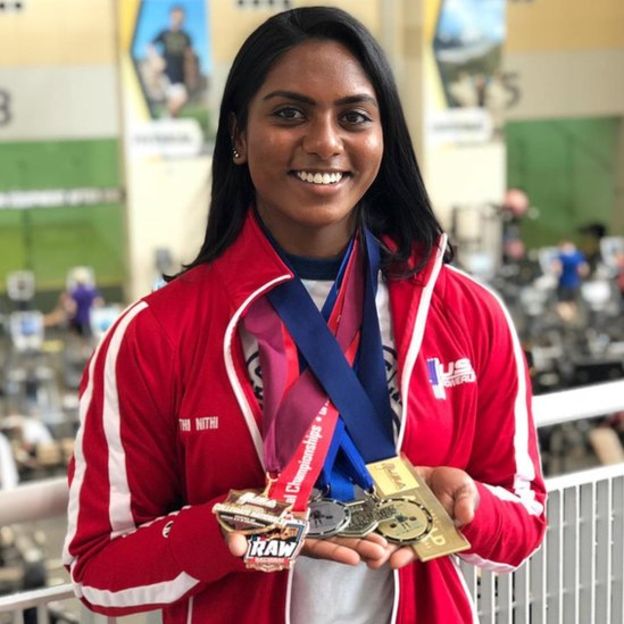
இந்த வார வல்லமையாளர் – ஆர்த்தி நிதி
நாங்குநேரி வாசஸ்ரீ
சுவீடன் நாட்டின் ஹெல்சின்பர் (Helsingborg) நகரில், 2019 ஜூன் 4 ஆம் தேதியிலிருந்து 15 ஆம் தேதி வரை நடைபெற்ற ஏழாவது உலக பவர்லிஃப்ட்டிங் போட்டியில் 63 கிலோ எடைப் பிரிவில் ஆர்த்தி நிதி, வெள்ளிப் பதக்கம் வென்றுள்ளார். ஒருவித பளுதூக்குதல் விளையாட்டான பவர்லிஃப்ட்டிங், மேற்கத்திய நாடுகளில் மிகவும் பிரபலமானது. ஸ்குவாட், பெஞ்ச், டெட்லிப்ட் (Squat, Bench, Dead lift) ஆகிய மூன்று கட்டங்களைக் கொண்ட இந்த விளையாட்டில் ஒட்டுமொத்தமாக அதிக எடையைத் தூக்குபவர் வெற்றியாளராக அறிவிக்கப்படுகிறார்.
ஐபிஎஃப் எனப்படும் சர்வதேச பவர் லிஃப்ட்டிங் கழகம், வேர்ல்ட் கிளாசிக் பவர் லிஃப்ட்டிங் சாம்பியன்ஷிப் என்ற பெயரில் ஒவ்வோர் ஆண்டும் போட்டிகளை நடத்தி வருகிறது. அந்த வகையில், இந்த ஆண்டு சுவீடனில் நடைபெற்ற தொடரில், 20-22 வயதுக்கு உட்பட்ட, 63 கிலோ எடையுள்ள பெண்களுக்கான பிரிவில் அமெரிக்கா சார்பில் போட்டியிட்ட ஆர்த்தி நிதி, வெள்ளிப் பதக்கத்தை வென்றுள்ளார். அதுமட்டுமின்றி, இந்த பவர்லிஃப்ட்டிங் போட்டியின் ஸ்குவாட் பிரிவில் உலகச் சாதனையோடு தங்கப் பதக்கத்தையும் வென்றுள்ளார்.
அமெரிக்காவிலேயே பரதநாட்டியம் கற்றுக்கொண்டு அரங்கேற்றம் செய்த ஆர்த்தி, எப்படி கல்லூரிக்குச் சென்ற பிறகு பவர்லிஃப்ட்டிங் துறைக்குள் நுழைந்தார் என்று பிபிசி செய்தியாளரிடம் அவர் பேசியுள்ளார். “மேல்நிலை பள்ளிக்கல்வி வரை பரதநாட்டியம் பயின்ற நான், இடையில் ஓராண்டிற்கு அதை நிறுத்தியதால் உடல் எடை அதிகமானது. அதைத் தொடர்ந்து, உடல் எடையை குறைப்பதற்காக உடற்பயிற்சிக் கூடத்திற்கு சென்றேன்; உணவுப் பழக்க வழக்கத்தை மாற்றியமைத்து உடற்கட்டில் அதிக கவனம் செலுத்தத் தொடங்கினேன். அதைத் தொடர்ந்து, கல்லூரியில் சேர்ந்த பிறகு, பயிற்சியாளர்கள் மற்றும் நண்பர்கள் அளித்த அறிவுரையின்படி, பவர்லிஃப்ட்டிங்கில் ஈடுபடத் தொடங்கினேன்” என்று தனது பயணத்தின் தொடக்க காலத்தை விவரிக்கிறார்.
தனது வெற்றியைக் குறித்து அவர் பேசுகையில், கடந்த நான்கு ஆண்டுகளாக பவர்லிஃப்ட்டிங் போட்டிகளுக்காக பயிற்சி செய்து வரும் நான், இவ்வளவு விரைவில், பவர்லிஃப்ட்டிங் விளையாட்டின் ஒலிம்பிக்காகக் கருதப்படும் இந்தத் தொடரில் அமெரிக்காவுக்காகப் பதக்கத்தை வெல்வேன் என்று நினைக்கவில்லை. எனது கடுமையான, விடாப்பிடியான பயிற்சி, எனது நான்காண்டுக் கால கனவை நிறைவேற்றியுள்ளது என்று கூறியுள்ளார்.

தான் ஒரு தமிழ்ப் பெண் எனப் பெருமை கொள்ளும் ஆர்த்தியின் தந்தை முனைவர் கருணாநிதி, கரூர் மாவட்டத்தைச் சேர்ந்தவர். தாயார் சாந்தி அம்மையார், நாமக்கல் மாவட்டத்தைச் சார்ந்தவர். கடந்த இருபத்தைந்து ஆண்டுகளுக்கும் மேலாகப் புலம் பெயர்ந்து அமெரிக்காவில் வசிக்கும் இந்தத் தம்பதிகள், நம் தமிழ்ப் பண்பாட்டையும் கலாச்சாரத்தையும் தங்கள் மகனுக்கும் மகளுக்கும் ஊட்டி வளர்த்துள்ளனர்.
இந்தியா, அமெரிக்கா மட்டுமின்றி உலகம் முழுவதும் உள்ள பெண்களை அவர்களது சொந்தக் குடும்பத்தினர், குறைவாக மதிப்பிடுவதை நிறுத்திக்கொள்ள வேண்டும். இந்தச் சமூகம் நினைப்பதைப் போன்று பெண்கள் வலுவற்றவர்கள் இல்லை. வாய்ப்பு கிடைத்தால் எந்தப் பெண்ணாலும் சாதிக்க முடியும். தனக்கு மிகவும் பிடித்த விடயத்தைச் செய்ய பெண்களுக்குக் குடும்பத்தினர் ஆதரவளிக்க
வேண்டும், நினைத்ததைச் செய்தால் மட்டுமே வாழ்க்கையில் வெற்றிபெற முடியும் என்று கூறும் ஆர்த்தி, பவர்லிஃப்ட்டிங் வீராங்கனையாக மட்டுமின்றி, பன்னாட்டு நிறுவனம் ஒன்றில் பொறியாளராகவும் பணிபுரிகிறார்.தற்போது வரை ஒலிம்பிக்கில் சேர்க்கப்படாத பவர்லிஃப்ட்டிங், வருங்காலத்தில் அங்கீகரிக்கப்பட்டால், ஒலிம்பிக்கில் அமெரிக்காவின் சார்பாக பங்கேற்று பதக்கம் வெல்வதே தனது நீண்டகால இலக்கு என்கிறார் ஆர்த்தி.
வீரத் தமிழ்ப் பெண் ஆர்த்தியை இந்த வாரத்தின் வல்லமையாளராக அறிவித்து மகிழ்கிறோம். அவரது சாதனைப் பயணம் தொடர, வல்லமை மின்னிதழ் சார்பில் உளமார வாழ்த்துகிறோம்.
நன்றி – பிபிசி
-

ஸ்பாரோ இலக்கிய விருது 2019 அறிவிப்பு
ANNOUNCING SPARROW LITERARY AWARD 2019
(Instituted by R Thyagarajan, Founder, Sri Ram Groups)The SPARROW panel of judges (D I Aravindan, Ambai, Dr Charanjeet Kaur) took up the genre of poetry this year for consideration for the SPARROW-R THYAGARAJAN Literary Award 2019. Two awards are normally given for Tamil writers and one for a non-Tamil writer. In Tamil, one award is for acknowledging and honouring a writer who has been in the field for many years and another award is for a younger writer for literary work done in the recent past. The SPARROW-R Thyagarajan Literary Award 2019 for Tamil will go to Yuvan Chandrasekhar for his significant contribution to poetry and Geetha Sukumaran for the promising work she has done in the genre of poetry. This year for the non-Tamil award the language chosen was Punjabi. Simrat Gagan who has made a place for herself in Punjabi literature with the depth and sensitivity of her poetry, has been chosen for this award this year. The writers have honoured SPARROW and the panel by accepting the award. The award function will be sometime in the third week of December this year.
ஸ்பாரோ இலக்கிய விருது 2019 அறிவிப்பு
ஸ்பாரோ-ஆர். தியாகராஜன் இலக்கிய விருது தேர்வுக் குழு (டி. ஐ. அரவிந்தன், அம்பை, டாக்டர். சரஞ்சித் கௌர்) இந்த ஆண்டு கவிதை வகைமையைக் எடுத்துக்கொண்டது. தமிழில் இரு விருதுகளும் வேறு மொழிகளில் ஒரு விருதும் வழக்கமாக வழங்கப்படுகின்றன. தமிழில் ஒரு விருது இலக்கியத்துக்குப் பல ஆண்டுகளாகக் கணிசமானப் பங்களித்த ஓர் எழுத்தாளருக்கும் இன்னொரு விருது சிறப்பான எழுத்தை வழங்கியுள்ள இளம் எழுத்தாளருக்கும் என்று வழங்கப்படுகிறது. ஸ்பாரோ-ஆர். தியாகராஜன் விருது 2019 தமிழில் கவிதை வகைமைக்குச் சிறப்பைச் சேர்த்த யுவன் சந்திரசேகரின் பல்லாண்டுக் கவிதைப் பங்களிப்புக்கும் மிகவும் நம்பிக்கையூட்டும் வகையில் கவிதை எழுதிவரும் கீதா சுகுமாரனுக்கும் வழங்கப்படுகின்றன. வேற்றுமொழி விருதுக்கு இந்த ஆண்டு பஞ்சாபி மொழி தேர்ந்தெடுக்கப்பட்டது. ஆழமும் நுன்னுணர்வும் கூடிய கவிதைகளை எழுதி பஞ்சாபி மொழி இலக்கியத்தில் தனக்கென இடம் அமைத்துக்கொண்டிருக்கும் ஸிம்ரத் ககனுக்கு இந்த ஆண்டு இந்த விருது வழங்கப்படுகிறது. அனைத்து எழுத்தாளர்களும் விருதுகளை ஏற்று ஸ்பாரோவையும் தேர்வுக் குழுவையும் கௌரவப்படுத்தியுள்ளார்கள். விருது விழா இந்த ஆண்டு டிசம்பர் மூன்றாம் வாரம் நடைபெறும்.
Poems of Yuvan Chandrasekar
யுவன் கவிதைகள்கொண்டுவந்த கடல்
இந்தமுறை சங்கு கொண்டு வந்தேன்
சென்ற முறை சிப்பி.
அதற்கு முன்னால் சோழி
பாலிதீன் பைகளில்
செதில் கலந்த மணலும்,
கரைக்கோயில் குங்குமமும்
கொண்டு வந்ததுண்டு.
ஒரு முறைகூட
கடலின் பரிதவிப்பை
பரிவை ஆறுதலை
கொண்டு வர முடிந்ததில்லை.
சீசாவில் கொண்டுவந்த கடற்குஞ்சு
பாதியாகிச்
செத்துக் கிடக்கிறது அலமாரியில்.The Sea That I Brought
I got a conch this time
Last time it was a shell.
Before that it was a cowrie
I have also brought in polythene bags
Sand mixed with fish scales
And vermillion powder of the shore temple
Not a single time
Have I been able to bring
The desperation of the sea
Nor its care or its comfort.
The baby sea that I brought in a bottle
Has half dried up and died
In the cupboard.கிளியென்று சொன்னால்
பறவையைக் குறிக்கலாம்
பச்சையைக்
குறிக்கலாம்.
மூக்கைக் குறிக்கலாம்
பெண்ணைக் குறிக்கலாம்
கூண்டுச் சிறையைக் குறிக்கலாம்
சமயத்தில் அது
கிளியையும் குறிக்கலாம்When you say a parrot
It may mean the bird
Or the colour green
Or the nose
Or a woman
Or a prison of a cage
Sometimes
It may even mean a parrot.Geetha Sukumaran’s Poem
கீதா சுகுமாரனின் கவிதைபெண் மொழி
மொழியைப் பதியவென்று
மலைசூழ் இடமோ
கடல்புறமோ
ஒரு துளி வாட்காவோ
சிலிர்க்குமிசையோ
அல்லது
குறைந்தபட்சம் ஒரு
மேசை நாற்காலியோ
எதுவுமில்லையென்றாலும்
தெருவோரம் அழும் பிள்ளையில்
விசிறி எறியப்பட்ட கிழங்கின் சதையில்
கழிப்பறை சுத்தம் செய்யும்
அமிலத்தில்
அகாலத்தில்
எங்கும் எதொனொடும்
எதனையும் தகர்த்தெழும்
சேறு பூசி உதிரம் நிறைத்து
கொதிக்கும் உலை
உலோகமும் வேரும் கல்லும் தோலும்
மணத்து
எல்லா நாவுகளையும்
விழுங்கிப் பிளிரும்
ஆதிகுகை முன்னோளின்
ஓசை
காதுகள் கூடத் தேவையிராWomen’s Language
To inscribe a language
Even if there is no
place surrounded by mountains
Seaside
A drop of vodka
Or at least
a table or a chair
In the child crying in the corner of the street
In the flesh of the root thrown away
In the acid used
to clean toilets
In time that is not bound
Everywhere with anything
It will rise
Demolishing anything
Smeared with slush and
Filled with blood
Water boiling in the pot
Smell of metal, roots, stone and skin
The sound of the scream of the
ancestral woman of the caves
that has swallowed all tongues
You don’t even need to hear.Simrat Gagan’s Poem
ஸிம்ரத் ககனின் கவிதைMaa jadon tere ander meri khushboo bhari si
Sabh toh pehlen tu hi tan dari si
Main sash hi tan lei rahi si
Main saah hi tan laina chauhndi si
Hauli hauli sirjana si main ik biggha jeha rishta
Sun tan laindi Ikk var Apni channo di aahat
Main tere pichhle janam di kamai saan
Jo koi janman da safar tei karke teri kukhe aai saan
Tuhadi tan marzi si majboori nahin si
Do guddian lai ke main khedadi rehna si
Tainu kamm ch rujhi nu vekhdi rehna si.My mother! When I filled your being with my fragrance,
You were the first to feel frightened.
I was simply breathing
And I simply wanted to keep breathing.
I had to create with you a warm relation,
slowly and steadily.
At least, you should have heard the sound
of my footsteps.
I was the fruit of your earlier lives that
meandered its way into your womb
Through several lives.
It was your will, no coercion.
I was but to keep playing with a pair of dolls
And watch you engaged in your work.Translated by Sidhu Damdami
அம்மா!
உன்னை நான் என் நறுமணத்தால் நிரப்பிய போது
பயந்துபோனது முதலில் நீதான்.
நான் வெறும் மூச்சாகத்தான் இருந்தேன்
என் பாட்டுக்கு மூச்சு விட்டபடி இருக்கத்தான் விரும்பினேன்
உன்னுடன் ஒரு வெதுவெதுப்பான உறவை
நிதானமாக, தொடர்ந்து கொள்ள விரும்பினேன்
என் காலடி ஓசையையாவது நீ கேட்டிருக்க வேண்டாமா?
உன் கடந்த சன்மங்களின் பலன் நான்
பல சன்மங்களைக் கடந்து
உன் கருப்பையைத் தேடி அலைந்து வந்தவள்
உன் விருப்பம்தான் இது
யாரும் உன்னை வற்புறுத்தவில்லை
நீ வேலை செய்வதைப் பார்த்தபடி
இரண்டு பொம்மைகளுடன் நான் விளையாடிக்கொண்டு இருந்திருப்பேனே? -
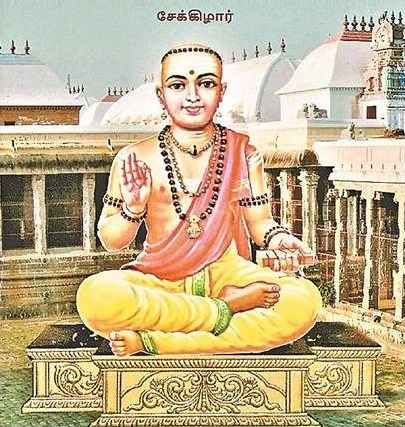
சேக்கிழார் பா நயம் – 41
-திருச்சி புலவர் இராமமூர்த்தி
தில்லையம்பலத்தில் மெய்யுணர்வுக் காட்சியைக் கண்டு மகிழ்ந்த சுந்தரர், அந்நகரில் அம்பலவனை வழிபட்டார். பின்னர், அங்கிருந்து கொள்ளிட ஆற்றினைக் கடந்து ‘’திருவாரூரில் எம்மைக் காண வருக’’ என்ற இறைவன் அருள்வாக்கினைச் சிந்தித்தவாறே திருவாரூர் எல்லைக்குச்சென்றார். திருவாரூர், திருக்கழுமலம் முதலான பன்னிரு பெயர்களை உடைய திருத்தலம் ஆகும். வந்தடைவோரின் மும்மலங்களையும் கழுவிக் களையும் தலம் ஆதலால் அப்பெயர்வந்தது. அங்கே திருஞான சம்பந்தப் பிள்ளையார் அவதாரம் செய்தருளினார். அவர் உமையம்மையின் திருமுலைப்பாலை அழுது பெற்றமையால் ‘பிள்ளையார்’ என்றுசிறப்பிக்கப்பெற்றார். இறைவனை அடையும் மார்க்கங்களாகிய சன்மார்க்கம் , தாசமார்க்கம், சகமார்க்கம், சற்புத்திர மார்க்கம் என்ற நான்கனுள் ‘சற்புத்திர மார்க்கத்தை’ உடையவராய் மகன்மை நெறியில் இறையருளை இயல்பாகப் பெற்றவர் திருஞான சம்பந்தர் ஆவார் . அதனாலும் அவர் பிள்ளையார் என்று அழைக்கப்பெற்றார்
சைவநெறியில் ஞானகுருவாக வழிகாட்டிய திருஞான சம்பந்தர் அவதரித்த திருத்தலம் ஆதலால் , இத்தலத்தின் புறத்தே நின்ற சுந்தரர், அத்திருவாரூரின் பெயர்களை சிந்தித்து , ‘’பிள்ளையார் திரு அவதாரம் செய்த ‘பெரும்புகலி’ என்ற சிறப்புப் பெயரைப் பெற்ற திருவாரூரின் உள்ளே காலை வைத்து மிதிக்க மாட்டேன்’’ என்று தம் சிறுமையையும், பிள்ளையாரின் பெருமையையும் எண்ணி , ஊருக்குள் புகாமல் எல்லையில் நின்று வலம் வந்தார்.
முன்பு சூரபன்மன் ஆளுகையால், அஞ்சி இந்திரன் செய்த நந்தவனத்தைப் புகலிடமாகக் கொண்டு இந்திராணி முதலானோர் வாழ்ந்த ஊர், திருப்புகலி என்னும் திருவாரூராகும். அதுமட்டும் அல்ல, உலகின்மற்ற இடங்களை விடவும் பெரிய புகலிடம் ஆதலால் பெரும்புகலி எனப்பெற்றது. ஆதலால்,
‘’பிள்ளையார் திருஅவதா ரம்செய்த பெரும்புகலி
உள்ளும் நான் மிதியேன்’’ என்று ஊர் எல்லைப் புறம் வணங்கி’’என்றுசேக்கிழார் பாடினார். பொதுவாக சிறந்த சான்றோர் தொடர்புடைய திருத்தலங்களின் எல்லையில் நின்று , உட்புகாமல் வணங்கிய பெருமக்கள் உள்ளனர். திருஞான சம்பந்தர் பாடிய திருவையாற்றுள் அப்பரடிகள் மிதியாமையும், காரைக்காலம்மையார் இறைவன்ஆட , தாம் அதனைக் கண்டு மகிழ்ந்த ‘’ திருவாலங்காட்டுள், திருஞானசம்பந்தரும் , சுந்தரரும் மிதியாமல் ஊரின் எல்லையில் , புறத்தே நின்று வழிபட்டதும் இங்கே நினைக்கப் படுவதாகும் . ஆதலால் சுந்தரரும் ‘’ஊர் எல்லைப் புறம் வணங்கி’’ச் சென்றார், என்று சேக்கிழார் பாடுகிறார் . அவ்வாறு அந்த திருத்தலத்தை வலமாக வந்து வழிபட்டார். அப்போது தம் இடப்பாகத்தில் உறையும் மங்கையாகிய பார்வதி யுடன், அழகிய இடப வாகனத்தில் அமர்ந்தருளும் சிவபிரான், மங்கைபாகராகக் காட்சிகொடுத்தார் .
மங்கை இடங்கொள்ளு மால்விடையான் – என்றது நம்பிகளுக்குக் காட்டிய எதிர்காட்சியின் திருக்கோலத்தை யாகும் இவரே திருத்தோணியிலே பெரிய நாயகியாருடன் வீற்றிருக்கும் அம்மையப்பராம். திருஞானசம்பந்த சுவாமியினிடத்து வைத்த அன்பினாலே தலத்துட்புகாது நம்பிகள் வெளி நின்றாராதலின் அவரை ஆட்கொண்ட திருக்கோலமாகிய ‘’தோடுடைய செவியனாய் விடையேறி’’ நம்பிகளுக்கு எதிரே வந்து காட்சியருளினார் என்பது குறிப்பு. இதனால் சுந்தரர் முன்பு கைலையிலே கண்ட அம்மையப்பர் திருக்கோலத்தை பதிகமாகப்பாடினார். இனிஇப்பாடல் முழுவதையும் கற்றுணர்வோம்
‘’பிள்ளையார் திரு அவதாரம் செய்த பெரும் புகலி
உள்ளு நான் மிதியேன் என்றூர் எல்லைப் புறம் வணங்கி
வள்ளலார் வலமாக வரும்பொழுதின் மங்கை இடங்
கொள்ளுமால் விடையானும் எதிர் காட்சி கொடுத்து அருள.’’என்பது பாடல். இத்திருவாரூர் தன்னை அடைந்த மானிடரின் மும்மலங்களையும் நீக்கிக் கழுவும் தகுதி படைத்தது. ஆனால், பிள்ளையார் அவதரித்த இத்தலத்தின் உள்ளே சென்று தம் மலங்களைக் கழுவிக்கொள்ள மாட்டேன், என்று சுந்தரர் ஊர் எல்லையில் நின்ற எளிமை புலப்படுகிறது.
எல்லைக்குள்ளேயும் அடி வைக்கமாட்டேன்.என்றார் சுந்தரர். தன்னுட் புகலுற்றாரைக் காக்குந் தன்மையுடையது இப்புகலியேயாயினும், அப்பேறு பெறாவிடினும் விடுக – பிள்ளையார் அவதரித்த தலத்தைமிதியேன் என்று துணிந்து நின்றமை நம்பிகள் பிள்ளையாரிடத்தே வைத்த பேரன்பின் உறைப்பினை விளக்குகின்றது.
சுந்தரர் ஊருக்குள் வந்து தம்மை தரிசனம் செய்து மகிழும் முன்னர், சிவபிரான் தாமே எதிர்காட்சி நல்கிய திருவருட் சிறப்பையும் இப்பாடல் காட்டுகிறது.
-
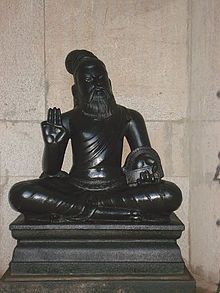
நெல்லைத் தமிழில் திருக்குறள் விளக்கம்-55
நாங்குநேரி வாசஸ்ரீ
நெல்லைத் தமிழில் திருக்குறள் விளக்கம்-55
55. செங்கோன்மை
குறள் 541:
ஓர்ந்துகண் ணோடா திறைபுரிந் தியார்மாட்டும்
தேர்ந்துசெய் வஃதே முறைதப்புதண்டா இன்னதுன்னு தெரிஞ்சிக்கிட்டு எந்தப்பக்கமும் சாயாம நடுவுநிலைமை தவறாம வழங்கப்படுதது தான் நீதி.
குறள் 542:
வானோக்கி வாழும் உலகெல்லாம் மன்னவன்
கோனோக்கி வாழுங் குடிஒலகத்துலஇருக்க உசிருங்கல்லாம் மழைய நம்பி வாழுதுங்க. அதுகணக்கா மக்களெல்லாம் ராசாவோட நல்லாட்சிய எதிர்பாத்தே வாழுதாங்க.
குறள் 543:
அந்தணர் நூற்கும் அறத்திற்கும் ஆதியாய்
நின்றது மன்னவன் கோல்நேர்மையான ஆட்சி தான் அறிவ வளத்துக்க ஒதவுத ஞான நூல்களுக்கும், அறத்துக்கும் அடிப்படையா இருக்கு.
குறள் 544:
குடிதழீஇக் கோலோச்சு மாநில மன்னன்
அடிதழீஇ நிற்கும் உலகுநாட்டு மக்கள அரவணைச்சு ஆட்சி நடத்துத நல்ல ராசாவோட அடிகளைச் சுத்தியே மக்கள் வாழுவாங்க.
குறள் 545:
இயல்புளிக் கோலோச்சு மன்னவ னாட்ட
பெயலும் விளையுளுந் தொக்குநீதி வழுவாம ஆட்சி செய்யுத ராசாவோட நாட்டுல பருவத்துக்கு பெய்யுத மழையும் நல்ல வெளச்சலும் எப்பமும் சேந்தே இருக்கும்.
குறள் 546:
வேலன்று வென்றி தருவது மன்னவன்
கோலதூஉங் கோடா தெனின்ஒரு ராசா செயிக்கதுக்கு தேவ பகையாளிய அழிக்கஒதவுத வேல் இல்ல. அவனோட நேர்மையான ஆட்சி அதுவும் தப்பான மொறைல நடத்துத ஆட்சியா இல்லாம இருக்கணும்.
குறள் 547:
இறைகாக்கும் வையகம் எல்லாம் அவனை
முறைகாக்கும் முட்டாச் செயின்ஒலகத்தையெல்லாம் ராசா காப்பாத்துவார். அந்த ராசாவ அவர் செய்யுத நேர்மையான ஆட்சி காப்பாத்தும்.
குறள் 548:
எண்பதத்தான் ஓரா முரறசெய்யா மன்னவன்
தண்பதத்தான் தானே கெடும்நியாயம் கேட்டு வருதவங்க எளிமையா வந்து பாக்குத மாதிரி இல்லாமயும், நல்ல மொறைல சோதிச்சுப் பாத்து நியாயமா தீர்ப்பு சொல்லாதவனாவும் இருக்க ராசா தாழ்ந்து போயி தானே கெட்டழிஞ்சு போவான்.
குறள் 549:
குடிபுறங் காத்தோம்பிக் குற்றங் கடிதல்
வடுவன்று வேந்தன் தொழில்மத்தவங்க தொந்தரவுலேந்து மக்களக் காப்பாத்தி, தன்னையும் காத்துக்கிட்டு அவங்களோட குத்தங்கொறைகள தீத்து வச்சு ஆட்சி நடத்துதது ராசாக்கு குறை ஆவாது. அது அவரோட தொழில்.
குறள் 550:
கொலையிற் கொடியாரை வேந்தொறுத்தல் பைங்கூழ்
களைகட் டதனொடு நேர்கொடியவங்களுக்கு மரணதண்டன கொடுக்குதது, வெவசாயி பயிர் நல்லா வெளையணும்னு அதக் காப்பாத்த கள புடுங்குதது கணக்கா தான்
(அடுத்தாப்லயும் வரும்…).
-
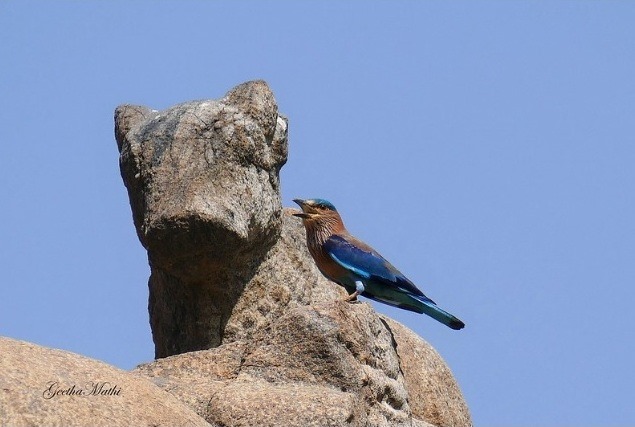
படக்கவிதைப் போட்டி – 217
அன்பிற்கினிய நண்பர்களே!
கவனத்தை ஈர்க்கும் காட்சி ஒன்றைக் கண்டவுடன் உங்கள் உள்ளத்தில் கவிதை ஊற்றெடுக்கும் ஆற்றல் கொண்டவரா நீங்கள்?
கீதா மதிவாணன் எடுத்த இந்தப் படத்தை, சாந்தி மாரியப்பன் வல்லமை ஃப்ளிக்கர் குழுமத்திலிருந்து தேர்ந்தெடுத்து வழங்கியுள்ளார். இந்தப் படத்திற்கு ஒரு கவிதை எழுதுங்கள்.
இந்த ஒளிப்படத்திற்கு ஏற்ற கவிதையை, 24 வரிகளுக்குள் பின்னூட்டமாக இடலாம். ஒருவரே எத்தனை கவிதைகள் வேண்டுமானாலும் எழுதலாம். வரும் ஞாயிற்றுக்கிழமை (23.06.2019) வரை, உங்கள் கவிதைகளை உள்ளிடலாம். அவற்றில் சிறந்த கவிதையை நம் வல்லமை இதழின் ஆசிரியர் குழு உறுப்பினரும் தமிழிலக்கிய ஆராய்ச்சியாளருமான மேகலா இராமமூர்த்தி தேர்வு செய்வார். ஒவ்வொரு வாரமும் சிறந்த கவிஞர் ஒருவர் தேர்ந்தெடுக்கப்படுவார். ஒருவரே பலமுறை பங்கு பெறலாம். இவ்வாய்ப்பு, ஏற்கனவே சிறந்த கவிஞராகத் தேர்ந்தெடுக்கப் பெற்றவர்களுக்கும் உண்டு.
ஒளிப்படத்திலிருந்து தாக்கமும் தூண்டுதலும் பெற்று எழும் அசல் படைப்புகளை ஊக்குவிப்பதே இதன் நோக்கம். கவிஞர்களையும் கலைஞர்களையும் கண்டறிந்து ஊக்குவிப்பதற்கான அடையாளப் போட்டி இது; வெற்றி பெறுபவர்களுக்குப் பரிசளிப்பு இருக்காது; பாராட்டு மட்டுமே உண்டு. ஆர்வமுள்ளவர்களைப் பங்குபெற அழைக்கிறோம்.
போட்டியின் நடுவரான திருமதி மேகலா இராமமூர்த்தி புதுச்சேரி மாநிலத்தின் காரைக்காலில் பிறந்தவர். கணிப்பொறி (MCA) மற்றும் தமிழில் (MA) முதுகலைப் பட்டம் பெற்ற இவர், அமெரிக்க தமிழ்ச் சங்கப் பேரவையின் (FeTNA) 2008, 2009, 2014, 2016ஆம் ஆண்டுகளின் (ஆர்லாண்டோ, அட்லாண்டா & மிசௌரி) கவியரங்கம், இலக்கிய வினாடிவினா நிகழ்ச்சிகளில் பங்கேற்றுப் பாராட்டுகளும் பரிசுகளும் பெற்றுள்ளவர். சங்கப் பாடல்களில் அதிக ஆர்வமும், இலக்கியக் கூட்டங்களிலும், பட்டிமன்றங்களிலும் சுவைபடப் பேசுவதில் வல்லமையும் பெற்றவர். இவருடைய வலைப்பூ – மணிமிடை பவளம்
-
(Peer Reviewed)“I am not a mercenary poet”: The Art of Giving in the Purananuru
Dr. M. Nazir Ali
Associate Professor of English (Retired)
Kanchi Mamunivar Centre for PG Studies
Puducherry
Orcid ID: orcid.org/0000-0002-5152-9751—————————————————————————————————————
Abstract
Giving or eekai has been a much valorised concept in classical Tamil literature and even chieftains have acquired fame much greater than that of the three great kings of ancient Tamilakam precisely because of their acts of giving. On a par with acts of valour, giving has made the giver a legendary figure. Besides, the poets and minstrels and the female entertainers known as viralis depended on this system of giving, a custom honoured by conventions. This paper looks into the intricacies of giving not only by examining the tinai and turais by which it is systematised but goes beyond them because almost every poem of the Purananuru is a praise poem. Instead of the praise becoming songs of sycophancy, the poet’s insistence on being treated with dignity transforms it into a fine art, giving us panegyrics of exemplary intricacy. Though valour and giving are not easily imagined as related acts, the paper attempts to see them as not only historically interdependent, even artistically so.
Key words: eekai, parisitrurai, parisil katanilai, parisil vitai, paatan, attruppadai
—————————————————————————————————————
With the lone exception of the Invocation by Peruntevanar, almost all the poems of the Purananuru are praise poems (Marr 90). The kings and the chieftains and the other unnamed patrons find their valour or generosity and quite often both praised in these poems. The types of valour displayed on and off the battlefield follow a clearly marked system of tinais and turais – themes and situations – that I have discussed in an earlier paper[i]. The act of giving and receiving, on the other hand, has its own turais but it does not have an overarching set of rules and conventions that valour has. This want of rigidity, rather than impoverishing it, has supplied it with innumerable instances of individual giving, worthy enough to make them the stuff of legends and poetry, much more memorable than any act of bravery that the Purananuru has.
Let me briefly cover the various tinai and turais of giving, a term I prefer to the more ponderous charity, as apt translation of eekai. The paatan tinai covers most praise poems, whether it is praise for a king’s bravery or generosity. Understandably it has the largest collection of poems. The various acts of giving and receiving come under these turais: parisitrurai, parisil vitai, parisil katanilai, paanatruppadai, pulavaratruppadai and viraliyatruppadai. Parisitrurai speaks of the king’s largesse and bards representing their needs to the patron. And it also includes reservations about accepting a gift given by a patron without knowledge of their true worth, a fact attesting to the dignity of the poets. Parisil vitai is sending off the poet laden with gifts, parisil katanilai solicits bounty from a king who keeps delaying his favour. The last three atruppadais are poems giving directions to the minstrel, poet and the danseuse respectively whose abject poverty and also itinerant lifestyle made them go in search of a patron (Marr 468-69).
Normally referred to as eekai (giving), this attribute is valorised as kodai (munificence) and the one who displays is a vallal or a great giver. Apart from the three great kings of ancient Tamilakam, the muventar, there were also great chieftains whose fame quite often rivalled that of the kings and which proved to be a source of jealousy and war. Perunchitiranar, after listing the seven great chieftains renowned for their giving, observes that his patron Kumanan alone could fill in the void left by their deaths.
There was Pari, the chieftain who fought his combats with kings
while their sticks beat down on the royal drums and spotless
bright conches were sounded, the lord of Parampu where a white fall
of water rolling stones in its flow thunders down a tall mountain,
and there was Ori with his powerful bow who ruled Kolli’s shining summit
and Malaiyan, mighty in war, who was as generous as a rain cloud
and who won his victories in battle astride his stallion Kari
and Elini, who reigned astride his Stallion Mountain
wearing his chaplet of kuvilam and his curving necklace, with his sharp spear,
and there was Pekan, who ruled over a great mountain with towering summits
watched over by an unassailable god, on its cold slopes caves full of darkness,
and there was Ay, whom Moci, whose words are truth, has sung,
and there was Nalli, who made his enemies flee from him, whose generosity
was truly noble, who took it upon himself to utterly remove the poverty
of those who came to him with desire – these seven dead,
thinking of you now I have come here swiftly … . (158) (Hart 99-100) (My italics)*Tinai: Paatan Turai: Parisil katanilai
This poem is remarkable not only as a chronicle of the Classical Age, but also for marrying the heroism of the rulers with their generosity. The historical reason for the combination of these disparate traits might be that the conquests in the battle provided the winner with a surplus of goods because of the “Winner takes it all” policy and the spoils later got distributed to those close to them. However, there is an inherent impulse to give which transcends this material reason about which we will see later.
The profession of composing poetry, the necessary erudition and observation it required, left little time for the poets to engage in any other occupation so that a professional poet like Kapilar could say, explaining the reason for the softness of his hand compared to the battle-hardened hands of his patron, the Cera King Valiyatan:
You stand on your chariot
and draw an arrow
from the quiver on your back
and fit it to the bowstring
with your callused fingers.
Your hands give gifts
without cease to the prize winners.
So Chief, your hands are big and powerful.
But the hands of the one
who sings your praises
know only the painful skill
of holding the staff which smells of meat,
kindling the smoke that smells like incense
and eating rice cooked with meat and fat
but have no other skill – all
of which make them soft. (Ali 14)Tinai: Paatan Turai: Iyanmoli)
One can see how Kapilar is able to harmonize the valour of his patron with his generosity as both acts contribute to the calluses in his hands. The profession of being a poet made them depend on a patron even for their daily needs, because, included in the list of objects given as prize, the reader very often finds food and beverages:
Liquor flowed freely
from the opened jar.
With the slaughter of a he-goat
there was a feast of rice and mutton.(113) (Ali 293)
(Kapilar on Pari’s Parampu Hills)
Tinai: Potuviyal Turai: KaiyarunilaiAlso, the first need of the travel-weary, itinerant poet who passed through tough terrains and harsh climates was food before he reached the safe portals of his patron. Some of the poems of Perunchitiranar present touching pictures of unimaginable poverty and hunger not necessarily overdone to evoke pity because the graphic details could not be altogether imagined:
My mother is old. Over and over she complains about how many years
have passed and she is still alive and her life will not end. Hobbling
with so many small steps, a stick for an extra leg, her hair like
spread spring, her eyesight gone, she cannot even walk to the verandah.
And my love wears her one meagre, filthy garment and she is
hungry and as she thinks of how things stand with her, she grieves.
Her body is faded, her breasts withered as the many children moving
beside her squeeze them and suck at them. In despair she plucks a young,
half-grown shoot sprouting on a kirai plant on a garbage heap that others
have picked near clean and she throws it into a pot without any salt
and sets on the fire. She does not even remember when she ever
had rice and without any buttermilk she eats the green leaves
and complains about the Order of the World. (159) (Hart 100-01)(Perunchitiranar pleading with Kumanan)
Tinai: Paatan Turai: Parisil katanilai
This also explains the extreme importance attached to food which in turn leads to the valorisation of farming and irrigation:
Mighty king, who give food, give life itself,
as the body, without water, cannot be.
It is the food that makes up this mortal coil.
And food comes from the union of land and water.
Who bring water to the land
are those who create the body and the soul. (18) (My translation)Poet: Kuta Pulaviyanar Tinai: Potuviyal Turai: MutuMoli Kanchi
Whether the patrons really understood the historical and literary valuations in their extension of patronage to the poets is unclear. But they really valued the friendship with the poets is evident from this poem of Pandyan Neduncheliyan, winner of the famed battle fought at Talayalankanam. Here the king could be seen taking an oath to destroy his enemies and the consequences of failing to do so:
And the poets
praised for their great skill, Mankuti Marutan with his vast and lofty
range of learning as well as all the others as firmly established
as the earth, let them leave my land and sing no more about it! (72) (Hart 56)Tinai: Kanchi Turai: Vanchinak kanchi
The king not only forgoes the valued friendship of Mankuti Marutan but considers himself all the poorer for not being able to help others. This friendship with the poets manifests itself in extreme acts of giving as seen in these two poems, one by Avvaiyar and the other one by Peruntalai Saathanar. Many of Avvaiyar’s poems are on her patron and long-term friend Atiyaman Neduman Anci, ruler of Takadur (present day Dharmapuri), a friendship which is as much cherished as the one between Kapilar and Vel Pari.
Without considering how difficult it is to obtain the sweet fruit
of the myrobalan plant with its tiny leaves, which has to be plucked
from a crevice on the summit of an ancient mountain hard to climb,
you kept silence in your heart about its powers,
and so that you might rescue me from death, you gave me that fruit! (91) (Hart 65)Tinai: Paatan Turai: Valtiyal
What Atiyaman had done was to give the life-enhancing nelli fruit to Avvaiyar, obtained after great effort, without disclosing its real worth to her. She was touched by this selfless act and the poem is her way of immortalising him. Peruntalai Saathanar, in the extremity of his poverty, approached his patron Kumanan who now lived in exile in the forest after his younger brother Ilankumanan dethroned him and also announced a reward on his brother’s head. More than the loss of his kingdom, what troubled Kumanan was his inability to help the poet in his hour of need and so he made a remarkable offer:
“I can’t bear being so weak! When I see a great being in need, for him
to go away without anything would be worse than losing my land!”
So he handed me his and he offered me his head for there was nothing
better for him to give me than himself! (165) (Hart 107)Tinai: Paatan Turai: Parisil vitai
Since then, these great acts of giving have become the stuff of legends and folklore. The legend has it that Ilankumanan became ashamed of his betrayal and restored the kingdom to his brother. The offer of oneself to alleviate the suffering of the poet is further reinforced in this poem of Kapilar praising Pari:
Even if the singers
come begging for his own person
Pari, righteous soul,
will not say ‘no’.
He will give himself to them. (108) (Thangappa 147)Tinai: Paatan Turai: Iyanmoli
Sometimes the impulse to give seems to exceed all bounds of propriety, getting extended to the plants and birds too as it had happened in the case of Vel Pari and Vaiyavik Kopperum Pekan respectively. Pari was credited with the gift of his chariot as support to a jasmine climber as Kapilar states in a poem:
These are the daughters of that Pari
whose lofty virtues were known far and wide, who gave a tall chariot
with sonorous bells, saying, “Take it!” to a jasmine vine adorned
with flowers, so that it might climb, though the vine had never
put scars on its tongue through singing that king’s praises! (200) (Hart 126)Tinai: Paatan Turai: Parisittrurai
Pari’s daughters were introduced to Vichiko through the act of kindness their father had shown to the jasmine vine, indication that even in Kapilar’s time it must have acquired legendary proportions. Paranar made the gift of a shawl to a shivering peacock by his patron Pekan known to the world by making it the stuff of a poem:
Our king, Pekan, who has horses, who has elephants
flowing with musth, once gave a garment to a peacock
in the rain, though he knows they don’t wear clothes!
Because he feels the poverty of others, because it is
a virtue to give what one can, he is generous
and not at all for the sake of a better birth in his next life! (141) (Hart 89-90)Tinai: Paatan Turai: Paanatruppadai
These extreme acts of kindness and generosity, which have now become textbook examples of Tamils’ culture of giving, may appear at first as simple-minded acts of misplaced generosity, if not downright foolish. One would like to construe them, however, as ecocritically sensitive acts spawned by a culture which fostered biodiversity as well as bioequality and which led to the creation of a whole body of Akam Poetry whose logic of tinai embraced all landscapes, seasons, animals and plants.[ii]
If the kings and chiefs were by and large quite swift to come to the succour of the poets in need, there were a few who were a little bit tardy in rewarding them and which gave birth to a separate turai of eekai poems known as parisil katanilai:
He welcomes us still
as on the first of days,
though we go there
not just one day,
or two days,
but many days
with many friends,
does Atiyaman Anci
of the jewelled elephant
and the artful chariot.
Whether the time for gifts
comes right now
or is put off for later,
it’s like fodder
left in reserve
on the elephant’s tusk,
always there
at hand, waiting;
it won’t become a lie.
O wishful heart,
do not scramble for it.
Bless him,
his works. (101) (Ramanujan 139)Poet: Avvaiyar Tinai: Paatan Turai: Parisil katanilai
Parisittrurai, though supposed to be a representation of poets to their patron on what they wanted, also has poems on how they wanted it given. It includes musings on the act of giving, a reminder to the king on the dignity that must go with giving and how in the wide world there is no dearth of patrons to the deserving poet. In brief, it inscribes the whole ideology of giving:
It is disgraceful to beg.
It is even more disgraceful
not to give.
It is ennobling to give.
It is even more ennobling
not to accept (204) (Thangappa 170)Tinai: Paatan Turai: Parisittrurai
(Kalaithin Yanaiyar on Valvil Ori)The poem goes on to compare the generous patron to a small pool of drinking water to which all come and the miser, though has wealth like the ocean, never attracts the needy. Perunchitiranar grew indignant at Atiyaman Anci when he sent him away with a gift without even seeing him. The poet insists on being treated with dignity:
I am no money grabber[iii]
to accept these riches
given with indifference.
I will accept with pleasure
however small a gift is,
if given with love
and after due recognition. (208) (Thangappa 172)Tinai: Paatan Turai: Parisitrurai
Here is a poem by Avvaiyar written in anger against her patron Atiyaman Anci for the delay in giving her the gift:
This is no empty world and all the wise
and famous men are not dead. …
Whether we go this way or whether we go that way, we will have rice![iv] (206) (Hart 130)Tinai: Paatan Turai: Parisittrurai
On occasions the patron treated all poets alike, a want of discernment which invited a mild rebuke from the poet as Kapilar does in this one:
Thinking of the one in one direction
many will come to get gifts
from all the four.
To know their ranks is difficult,
giving gifts to them is all too easy.
O mighty chief,
if you are quite discerning
do avoid treating all poets alike. (121) (Ali 302)Tinai: Potuviyal Turai: Porun moli kanchi
(Kapilar advising Malyaman Tirumudik Kari)On certain other occasions, the poet felt the need to remind his patron of life after death and how giving outlasted death:
Even the rulers of countries go to the burning ground …
And that day will come when you must go there as well,
but your bad reputation will remain, and your good reputation. (359) (Hart 203)Poet: Kavitanar sings Antuvankiran. Tinai: Kanchi Turai: Perunkanchi
The poet goes on to counsel the king that giving horses and tuskers and chariots will ensure “your fame will remain here, shining and enduring.” (Hart 203) There were however patrons who preferred anonymity in giving, which made their giving all more remarkable. This poem by Vann Paranar praises Kandeerak Kopperu Nalli, one among the seven great givers, for his stubborn insistence on not disclosing his identity. He fed the poet and his starving relations with venison, gave the poet his necklace of pearls and an armlet:
Then I asked, “What is your country?”
but he would not tell me his country. When I asked him, “What
is your name?” he would not tell me his name! (150) (Hart 94)Tinai: Paatan Turai: Iyanmoli
Only after asking others, the poet learnt that he was Nalli, the chief of Thotti Hills.
Some of the patrons stunned the poets by giving gifts which far exceeded their expectations, a turai known as parisil vitai, which meant “sending off with gifts.” As if appearing to make fun of the overblown generosity of Nanjil Valluvan, Avvaiyar compliments him because all that she asked of him was only “a little bit of rice” but he had given her “a giant elephant like a hill.”
Can one so much as imagine
a more lopsided gesture of liberality?
Don’t great men when they are generous show any proportion? (140) (Hart 89)Tinai: Paatan Turai: Parisil vitai
The poets, bards and other entertainers recognised themselves as belonging to a community of composers and singers and helped each other out in times of need, by directing the needy to a patron whose generosity they could rely on. These poems together form a considerable body known as “attruppadai poems” which meant “setting (the needy) in the right course.” This close-knittedness among the poets – for instance Kapilar is praised by numerous other poets – makes the idea of the existence of an academy of poets (Sangam) not a far-fetched one.
The gratitude felt by the poets sublimated itself into innovative ways of praise. Kapilar’s very brief poem on Vel Pari comparing him to rain has become a classic in itself:
“Pari, Pari,”
-So go the varied praises
of poets with fertile tongues.
There is not only Pari
but also rain
to sustain this world. (107) (Ali 288)Tinai: Paatan Turai: Iyanmoli
It will be observed that in the monsoon-dependent landscape of Tamil Nadu, the rains are vital and giving comes steeped in recurrent images of rain. The poet Mutamociyar asks, wondering at the generosity of his patron in giving elephants as prizes, “O Aai, /do the cow elephants in your land/ give birth to ten calves at a time?” (130)(Thangappa 152) There is also the image of the warrior king whose body bore multiple scars of battle and he is compared to a medicinal tree whose bark has been stripped for use in curing (180), a syncretic image of valour and giving.
* The number immediately after the quoted text is the number of the poem in the source text followed by pagination in the target text. The colophon gives the context where necessary.
—————————————————————————————————————
Works Cited
Ali, Nazir M. Trans. & Ed. (2016) There is also Rain: Collected Poems of Kapilar. New Delhi: Authorspress,. Print.
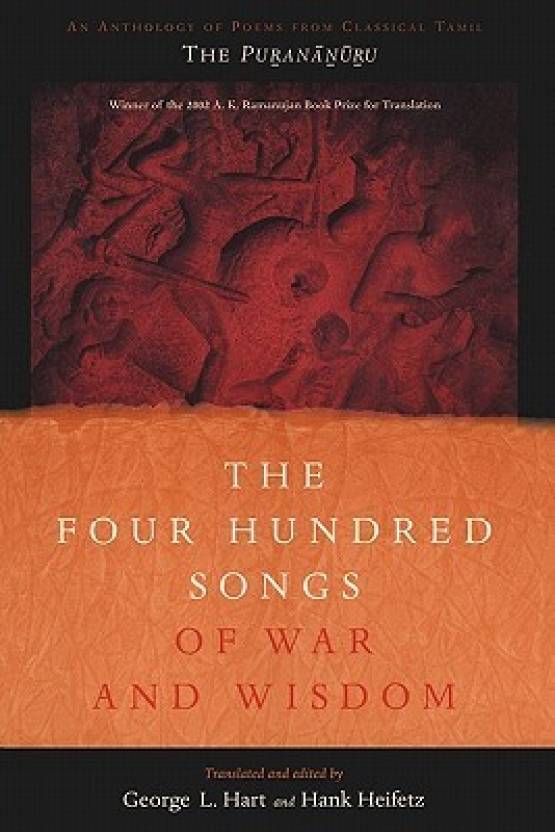
Hart, George and Heifetz, Hank. Trans. & ED. (1999) The Four Hundred Songs of War and Wisdom. New York: Columbia University Press,. Print.
Marr, John Ralston. (1985) The Eight Anthologies: A Study in Early Tamil Literature. Madras: Institue of Asian Studies,. Print.
Ramanujan, A.K. (1999) Trans. Poems of Love and War. New Delhi: OUP,. Rpt.2013. Print.
Thangappa, M. L.( 2010) Trans. Love Stands Alone: Selections from Tamil Sangam Poetry. New Delhi: Penguin, Print.
Endnotes
[i] Refer “The Purananuru and the Tamil Concept of Valour”
[ii] Refer “The Logic of Tinai in Akam Poetry”
[iii] Marr translates it beautifully “I am no mercenary poet,” (188) to which my title is indebted. The source text reads like this: “Kanaatu eetha ip porutku yanor/vanikap parisilan illane”
[iv] The condensation that Avvaiyar achieves is not even remotely attained by this translation: “Etthisai chelinum atthisai chore”
—————————————————————————————————————
Peer Review:
The article entitled “I am not a mercenary poet”: The Art of Giving in the Purananuru by Dr. M. Nazir Ali, analyses extensively the eekai (charity) thurais in Purananuru such as parisitrurai, parisil katanilai, parisil vitai, paatan, and attruppadai.
Western scholars Dr. George Hart, Dr. Ralston Marr, and Indian scholars Thangappa, A. K. Ramanujan and the author Dr. Ali’s English Translations on Purananuru are used appropriately in this article. The verses chosen for this article are magnificent, especially those written by Perunchitiranar and Peruntalai Saathanar pleading with Kumanan are soul-stirring.
As far as poet Perunchitiranar is concerned, despite his penurious state, he refused the meager offering bestowed on him by king Ilaveliman. This poet is also praised for his feminist notions, who treated his wife with equity.
There are no novel views regarding the verses, however, the explanations given by the author are lucid and clear-cut. In addition to this article, he has published the translation of the Ainkurunuru titled Classical Tamil Love Poetry and the collected poems of Kapilar as There is also rain. It shows his huge interest and fondness for Tamil literature which is a commendable deed indeed!
—————————————————————————————————————
-

பள்ளிக் கல்வித் துறையின் அங்கீகாரமின்றிச் செயல்படும் 331 பள்ளிகள்
சென்னையில் பள்ளிக் கல்வித் துறையின் தடையின்மைச் சான்று மற்றும் அங்கீகாரமின்றிச் செயல்படும் 331 பள்ளிகளின் பட்டியல் இங்கே:
Chennai – non recognised schools
-
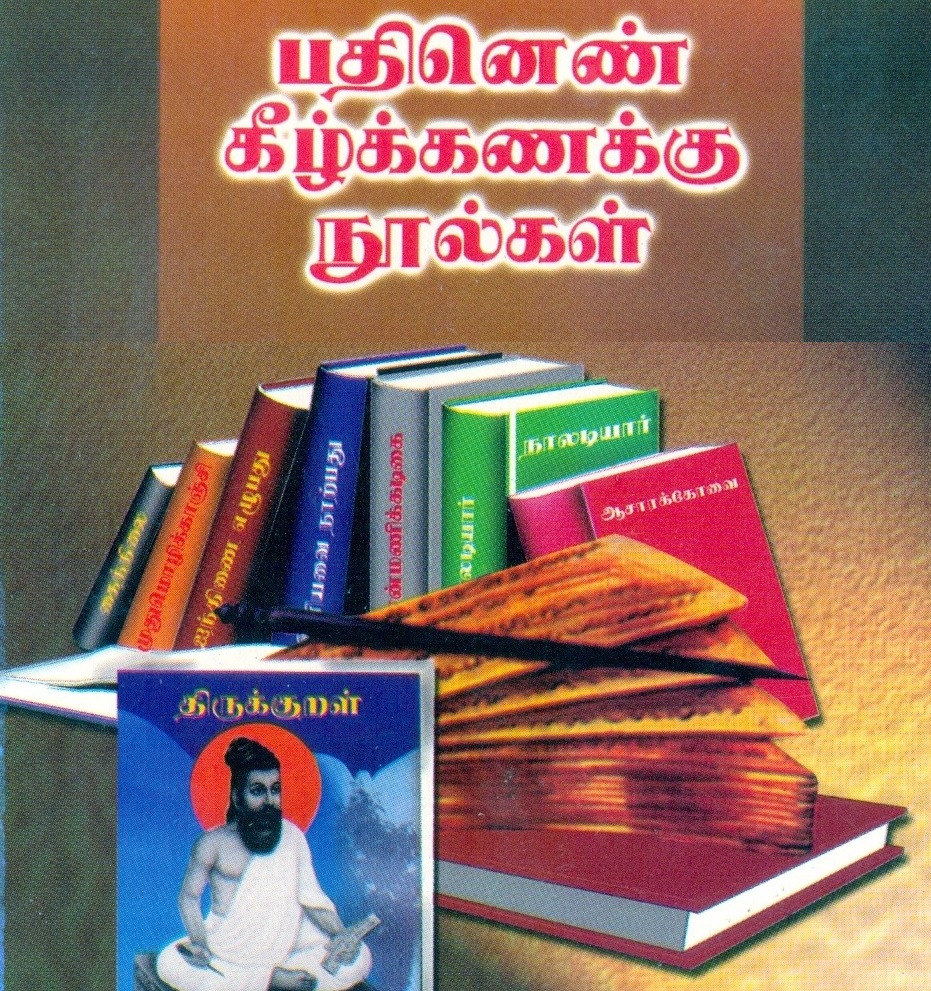
(Peer Reviewed) பதினெண்கீழ்க்கணக்கு நூல்களில் “நகை” என்னும் மெய்ப்பாடு
ஷா. முஹம்மது அஸ்ரின்,
முதுகலைத் தமிழ் இரண்டாம் ஆண்டு,
ஜமால் முகமது கல்லூரி,
திருச்சி-620020.பதினெண்கீழ்க்கணக்கு நூல்களில் “நகை” என்னும் மெய்ப்பாடு
சங்க காலத்தில் தோன்றிய எட்டுத்தொகை நூல்களையும் பத்துப்பாட்டு நூல்களையும் “பதினெண் மேற்கணக்கு நூல்கள்” என அழைத்தனர். இவை காதலையும் வீரத்தையும் மட்டுமே எடுத்தியம்பின. மக்களுக்கு அறத்தையும் அறம் தவறுவதால் ஏற்படும் விளைவுகளையும் வலியுறுத்த எழுந்த 18 நூல்களைப் “பதினெண் கீழ்க்கணக்கு நூல்கள்” என வழங்கினர். இதனை
“நாலடி நான்மணி நானாற் பதைந்திணைமுப்
பால்கடுகம் கோவை பழமொழி மாமூலம்
இன்னிலைய காஞ்சியோ டேலாதி என்பவே
கைந்நிலைய வாம்கீழ்க் கணக்கு” 1என்ற வாய்மொழிப் பாடல் வழியாக அறிய முடிகிறது.
மெய்ப்பாடு:
’மெய்ப்பாடு’ என்னும் சொல்லுக்குப் ’பொருட்பாடு’, ’வெளிப்பாடு’, ’புலப்பாடு’ எனப் பல விளக்கங்கள் வழங்கப்படுகின்றன. மெய்ப்பாடு என்பது “உள்ளத்தில் உள்ள மகிழ்ச்சி, சோகம் போன்ற உணர்ச்சிகளின் உடல் வழியான வெளிப்பாடு” 2 . எனவே, மெய்ப்பாடு என்றால் உடலால் வெளிப்படுத்தும் உள்ளத்து உணர்ச்சிகள் என்பது தெளிவாகிறது. இதனை,
”நகையே அழுகை இளிவரல் மருட்கை
அச்சம் பெருமிதம் வெகுளி உவகையென்று
அப்பா லெட்டாம் மெய்ப்பா டென்ப”– (தொல்காப்பியம். 1194)
என்ற தொல்காப்பிய நூற்பா தெளிவாக உணர்த்துகிறது.
நகை:
’நகை’ என்னும் சொல்லுக்கு ‘சிரிப்பு’, ‘இகழ்ச்சி’, ’இன்பம்’ எனப் பல பொருள்களை அகராதி 3 தருகிறது. ’நகை’ என்பது ’இகழ்ச்சியிற் பிறப்பது’ என இளம்பூரணர் உரையில் காணப்படுகிறது. பதினெண் கீழ்க்கணக்கு நூல்களுள் ஒன்றான சிறுபஞ்சமூலத்தில்,
”கல்லாதான் தான் காணும் நுட்பமும், காது இரண்டும்
இல்லாதாள் ஏக்கழுத்தும் செய்தலும், இல்லாதான்
ஒல்லாப் பொருள் இலார்க்கு ஈத்து அறியான் என்றலும்,
நல்லார்கள் கேட்பின் நகை.”– (சிறுபஞ்சமூலம். 04)
என்ற பாடல் கல்லாதவனின் அறிவும் காதுகளை இழந்தவனின் அழகும் தேவையற்ற பொருளை பிறருக்கு வழங்கும் குணமும் நல்லவர்களுக்கு சிரிப்பை உண்டாக்கும் என்கிறது. மேலும், நாணமில்லாதவனின் அமைதி, நன்னடையில்லாதவனின் நோன்பு, உண்பொருளில்லாதவனின் ஈகை, வலியில்லாதவனின் வீரம், தமிழ் தேர்ச்சியற்றவனின் கவி ஆகியனவும் நகைக்கு இடமாகும் என்பதனை இவ்வாறு எடுத்துரைக்கிறது.
“நாண் இலான் சால்பும், நடை இலான் நல் நோன்பும்,
ஊண் இலான் செய்யும் உதாரமும், ஏண் இலான்
சேவகமும், செந்தமிழ் தேற்றான் கவு செயலும்,
நாவகம் மேய் நாடின் நகை.”– (சிறுபஞ்சமூலம். 11)
செல்வர்களும் நல்லவர்களும் தங்களது பணத்தாலும் குணத்தாலும்
நகைக்காமல் வாழ வேண்டும் என்பதை,“…………… ……. ………. பல் பொருளால் பல்லார்
நகை கெட வாழ்வதும், நன்று.”– (சிறுபஞ்சமூலம். 15 அடி. 3-4)
எனப் பேசுகிறது.
கல்லாதவரும் கற்றவர் கூட்டத்தைச் சேராதவரும் நகைக்கத்தக்கவர்கள் என
சிறுபஞ்சமூலம் எடுத்தியம்புகிறது.”கல்லார், கற்றார் இனத்தார் அல்லார், பெறுபவே,
நல்லார் இனத்து நகை.”– (சிறுபஞ்சமூலம். 55 அடி. 3-4)
ஒருவன் இல்லாத நேரத்தில் அவனை இகழ்வதும் விளையாட்டின் போது
ஒருவனை இகழ்வதும் தீமையை உண்டாக்கும் என்பதை,“அறன்அழீஇ அல்லவை செய்தலின் தீதே
புறன்அழீஇப் பொய்த்து நகை.”– (திருக்குறள். 182)
“நகைஉள்ளும் இன்னாது இகழ்ச்சி …………”
– (திருக்குறள். 995)
போன்ற குறட்பா வாயிலாகத் திருவள்ளுவர் குறிப்பிட்டுள்ளார். சமண முனிவர்களால்
இயற்றப்பட்ட “நாலடி நானூறு” பொது மகளிரால் ஏழ்மை நிலையை அடையும்
செல்வந்தர் நகைக்கத்தக்கவர் எனக் கூறுகிறது. இக்கருத்து செல்வந்தனாக இருந்த
கோவலன், மாதவிபால் காமம் கொண்டு அனைத்தையும் இழந்த கதையை மையமாகக்
கொண்டுள்ளது.“ஆமாபோல் நக்கி, அவர் கைப்பொருள் கொண்டு
சேமாப்போல் குப்புறூஉம் சில்லைக்கண் அன்பினை
ஏமாந்து, எமது என்று இருந்தார் பெறுபவே,
தாமாம் பலரால் நகை.”– (நாலடியார். 377)
பிறரால் மணமுவந்து கொடுக்கப்படாத பொருளைப் பெற்று வாழ்பவன்
இகழ்ச்சிக்குரியவன் என்பதை,“…………………… ……………. ……………. ……………..; தெற்ற
நகை ஆகும், நண்ணார்முன் சேறல்; ….. ……”– (நான்மணிக்கடிகை. 60)
என்று குறுப்பிடுகிறது. மேலும் பிறரது திறனை அறியாது அவரை இகழ்ந்து பேசும்
மக்கள் நகைத்தக்கவர்கள் என்பதை,“மானமும் நாணும் அறியார், மதி மயங்கி,
ஞானம் அறிவார் இடைப்புக்கு, தாம் இருந்து,
ஞானம் வினாஅய் உரைக்கின், நகை ஆகும்.”– (பழமொழி. 298)
என பதினெண்கீழ்க்கணக்கு நூல்கள், நகை என்னும் மெய்ப்பாட்டைப் பல பாடல்கள்
வழியாக வளக்குகின்றன.நகையின் நிலைகள்:
நகை என்னும் மெய்ப்பாடு தனது பொருளைக் கொண்டு நான்கு நிலைகளில்
தோன்றுமென்பதை,“எள்ளல் இளமை பேதைமை மடனென்று
உள்ளப் பட்ட நகைநான் கென்ப.”– (தொல். 1195)
என்ற தொல்காப்பிய நூற்பா, நகை என்னும் மெய்ப்பாடு தோன்றும் நிலைகளை
விளக்குகிறது.1. எள்ளல்:
’எள்ளல்’ என்னும் சொல்லுக்கு ’இகழ்ச்சி’, ‘நிந்தை செய்தல்’, ‘நகைத்தல்’ என பல
பொருள்களைக் ”கழகத் தமிழ் அகராதி” தருகிறது. இதற்கு ‘ஒருவனுடைய
முட்டாள்தனத்தைப் பிறர் சிரிக்கும்படியாக சுட்டிக்காட்டும் பரிகாசமும் கேலியும்’ எனப் பொருள் கொள்ளலாம்.மேலும், எள்ளல் என்பதற்குப் “பழிச்சொல்” என்ற பொருளைத் திருவள்ளுவர்,
“எள்ளாமை வேண்டுவான் என்பான் எனைத்துஒன்றும்
கள்ளாமை காக்கதன் நெஞ்சு.”– (திருக்குறள். 281)
என்ற குறளில் பிறரின் பொருளைக் கவரும் எண்ணமில்லாதவன் பழிச்சொல் கேட்காமல் வாழ்வான் எனக் குறிப்பிடுகிறார்.
2. இளமை:
’இளமை’ என்னும் சொல்லுக்குச் ’சிறுபருவம்’, ‘அறிவின்மை’, ‘முதிராமை’ எனப் பல பொருள்களைக் ”கழகத் தமிழ் அகராதி” தருகிறது. இதற்கு ’உடல் பலமும் தோற்றக் கவர்ச்சியும் பெற்ற முதிராத அறிவையுடைய பருவம்’ எனப் பொருள் கொள்ளலாம். இதனை,
”இழுக்கல் இயல்பிற்று இளமை;”
– (திரிகடுகம். 14)
என இளமைப் பருவமானது நகைத்தலுக்குரிய பருவமென்பதை உணர்த்துகிறது.
3. பேதைமை:
’பேதைமை’ என்னும் சொல்லுக்கு ’அறிவின்மை’, ‘மடமை’ எனப் பல பொருள்களைக் ”கழகத் தமிழ் அகராதி” தருகிறது. இதற்கு ’எந்த ஒரு செயலையும் பகுத்தறியத் தெரியாத தன்மை’ என்று பொருள் கொள்ளலாம். பேதைமையை திருவள்ளுவர் பின்வருமாறு விளக்கியுள்ளார்,
“பேதைமை என்பதுஒன்று யாதெனின் ஏதம்கொண்டு
ஊதியம் போக விடல்”– (திருக்குறள். 831)
பேதையாக விளங்கும் ஒருவனுக்கு அவனது செயலால் பிறரால் இகழப்பட்டு துன்பமடைவான் என்பதை,
”பிறன் மனையாள் பின் நோக்கும் பேதைமை இன்னா;”
– (இன்னா நாற்பது. 38)
என்ற பாடல் வழியாக விளக்குகிறது.
4. மடன்:
’மடன்’ என்னும் சொல்லுக்கு ’அறிவிலான்’ என்ற பொருளையே ”கழகத் தமிழ் அகராதி” தருகிறது. மேலும் சில அகராதிகள் ’மடமை’ என்றும் பொருள் தருகின்றன. பதினெண்கீழ்க்கணக்கு நூல்களுள் மருத்துவ நூலாக விளங்கும் சிறுபஞ்சமூலத்தில் ‘அடக்கம்’ என்னும் பொருளில் ‘மடன்’ என்ற சொல் இடம்பெற்றுள்ளது.
“மக்கள் பெறுதல், மடன் உடைமை, மாது உடைமை,
ஒக்க உடன் உறைதல், ஊண் அமைவ-தொக்க
அலவலை அல்லாமை பெண் மகளிர்க்கு-ஐந்தும்
தலைமகனைத் தாழ்க்கும் மருந்து.”– (சிறுபஞ்சமூலம். 52)
என்ற பாடல் பெண்களுக்குரிய ஐந்து குணங்களுள் மடன் (அடக்கம்) இடம்பெறுகின்றது. இக்குணங்களுள் ஒன்று கெடுமானால், அவளது கணவனே அவளை இகழ்வான் எனக் குறிப்பிடுகிறது.
முடிவுரை:
மனிதனின் உணர்ச்சிகளை வெளிப்படுத்தும் எட்டு வகை மெய்ப்பாடுகளுள் “நகை” என்னும் மெய்ப்பாட்டை நான்கு நிலைகளாகப் பிரித்து முழுமையாக கிடைக்கப்பெற்ற முதல் இலக்கண நூலான தொல்காப்பியம் கூறிய பல செய்திகள், பதினெண் கீழ்க்கணக்கு நூல்களில் பல பாடல்களில் இடம்பெற்று உணர்வுகளை வெளிப்படுத்துவதை தெளிவாக அறிய முடிகிறது.
அடிக்குறிப்புகள்:
1. பக்கம் 5, ந.மு. வேங்கடசாமி நாட்டார் முகவுரை, சங்க இலக்கியம்,
பதினெண்கீழ்க்கணக்கு, நானாற்பது உரையுடன், சைவ சித்தாந்த நூற்பதிப்புக் கழக வெளியீடு, 1962.
2. Tamil Oxford Living Dictionary
3. தற்கால தமிழ்ச்சொல்லகராதி, திவான் பஹதூர் ச. பவானந்தம்பிள்ளை,
மாக்மில்லன் & கம்பெனி லிமிடெட், சென்னை.பயன்பட்ட நூல்கள்:
1. தொல்காப்பியம் தெளிவுரையுடன், புலியூர்க் கேசிகன், அருணா பப்ளிகேஷன்ஸ்.
2, பதினெண் கீழ்க்கணக்கு நூல்கள், ச. வே. சுப்பிரமணியன், மெய்யப்பன் பதிப்பகம், சிதம்பரம்.=====================================================================
ஆய்வறிஞர் கருத்துரை (Peer Review):
சங்க இலக்கிய நூற்றொகுதிக்கு அடுத்துப் பெரும்தொகுதியாக இருப்பது பதினெண்கீழ்க்கணக்கு நூல்களாகும். இப்பதினெண்கீழ்க்கணக்கு நூல்களில் இடம்பெற்றுள்ள மெய்ப்பாடுகளைத் தொல்காப்பிய இலக்கணத்தோடு இணைத்துப் பேச முயல்கின்றது இக்கட்டுரை. குறிப்பாக எண்வகை மெய்ப்பாடுகளை அறிமுகப்படுத்தி, நகை என்னும் மெய்ப்பாட்டின் நான்கு நிலைகளும் பதினெண்கீழ்க்கணக்கு நூல்களில் இடம்பெறுவதைச் சில சான்றுகளோடு கட்டுரையாளர் பொருத்திக் காட்டுகின்றார். ஆய்வுக் கட்டுரை நிலையில் இக்கட்டுரை அமையாவிட்டாலும், கட்டுரையாளரின் முயற்சியைக் கருத்திற்கொண்டு இதனை இலக்கியக் கட்டுரையாக வெளியிடுகிறோம்.
=====================================================================
-

என்றும் இளமை!
நிர்மலா ராகவன், மலேசியா
நலம்…நலமறிய ஆவல்….(162)
இளமை எல்லோரது வாழ்விலும் இயற்கையாகவே இருப்பது. ஆனால், முதுமையிலும் இளமையாக இருக்க, சற்று முனைந்து செயல்பட வேண்டும். சிலருக்குத்தான் அது முடிகிறது.
இளமை என்பது எழில் தோற்றத்தில் மட்டுமல்ல, சில குணங்களிலும் கூடத்தான். மூன்று வயதான குழந்தை ஓயாமல் கேள்வி கேட்பான். எல்லாவற்றையும் அறிந்துகொள்ள வேண்டும் என்ற ஆர்வம் அவனை அப்படித் தூண்டும். சிலர் பொறுமையாக அவனுக்குப் புரியும் விதத்தில் விளக்குவார்கள்.
இது இளமையின் ரகசியம். எதையும் அறிய வேண்டும் என்ற ஆர்வத்தை எப்போதும் காத்தால், மனம் சோர்வு அடைய வாய்ப்பில்லை.
ஆனால், எல்லாத் தாய்மார்களும் தம் குழந்தையினுடைய ஆர்வத்துக்குத் தீனி போட இசையமாட்டார்கள். `தொணதொணப்பு’ என்று அடக்குவார்கள். சில முறை கேட்டுவிட்டு, பிறகு தானே அடங்கிவிடுவான்.
பள்ளிக்கூடத்தில் ஆசிரியர்களும் அப்படியே நடப்பார்கள். பெரும்பாலான ஆசிரியர்கள், `நம்மை இவர்கள் கேள்வி கேட்பதா!’ என்று எரிச்சல் அடைந்து, பாடத்தை மட்டும் நடத்துவதற்குத்தான் சம்பளம் வாங்குகிறோம் என்பதுபோல் செயல்படுவார்கள். இதனால் மாணவர்கள் ஆர்வத்தை இழந்து, பள்ளிக்கூடம் என்றால் பிற மாணவர்களுடன் கலந்து பழகுவது, சண்டைபோட்டுப் பொழுதை `உல்லாசமாக’ப் போக்குவது என்று நினைக்கத் தலைப்படுகிறார்கள்.
கதை
நான் ஆசிரியப் பயிற்சியை மேற்கொண்டிருந்த போது, என் ஆற்றலை எடைபோட, பேராசிரியர் ஒருவர் வருவதாக இருந்தது.
முதல் நாளே, நான் மாணவிகளிடம், “எக்கச்சக்கமாக ஏதாவது கேட்டு, என்னை மாட்டிவிடாதீர்கள், ப்ளீஸ்!” என்று வேண்டுகோள் விடுத்தேன்.
“When we ask the questions, we don’t know if they are funny,” என்றாள் ஒரு பெண்.
தாம் கேட்கும் கேள்விகளால் ஆசிரியர்களைத் தடுமாற வைப்பது அவர்கள் நோக்கமல்ல. தமக்குத் தெரியாததைத் தெரிந்துகொள்ள விரும்புகிறார்கள். அவ்வளவுதான். இது புரிந்தால், ஆசிரியர்களுக்கும் மாணவர்களுக்கும் இடையே உள்ள உறவு பலப்படும்.
`என்ன வேண்டுமானால் கேட்கலாம்,’ என்று சிறிது நேரத்தை ஒதுக்கினால், அவர்கள் மனப்போக்கு புரியும். களங்கமற்ற அவர்களுடைய உற்சாகம் ஆசிரியர்களையும் தொற்றிவிடும். எத்தனை வயதானாலும், ஆசிரியர்கள் சிலர் இளமைத் தோற்றத்துடன் இருக்கும் ரகசியம் இதுதான்.
இப்போதெல்லாம், தாய்மார்களுக்குச் சிறு குழந்தைகளுடன் என்ன பேசுவது என்று தெரிவதில்லை. இவர்கள் பேசாவிட்டால், மொழி வளம் எப்படி வரும்?
நான்கு வயதுக்கு உட்பட்ட குழந்தைகளுக்கு எதையாவது வேடிக்கை காட்டி விளக்கினாலே போதும். சுற்றுச்சூழலில் ஆர்வம் பிறக்கும். `ஒன்று, இரண்டு,’ என்று அவர்கள் விரல்களை மடக்கி எண்ணவும் சொல்லிக் கொடுக்கலாம்.
`நான் பேசினா இதுங்களுக்கு விளங்காதே!’ என்று அலுத்தபடி, தொலைக்காட்சியின் முன்னால் உட்கார வைத்துவிடுகிறார்கள், அல்லது தங்கள் கைத்தொலைபேசியை அவர்களிடம் கொடுத்துவிடுகிறார்கள், வங்கி, மருத்துவமனை, பேரங்காடி போன்ற இடங்களில். சிறு குழந்தைகளை அடக்க, கைத்தொலைபேசி ஒரு சுலபமான வழி.
சிறு வயதில் தம் வயதொத்தவர்களுடன் விளையாடி, தம் விளையாட்டுச் சாமான்களையோ, தின்பண்டங்களையோ பகிர்ந்துகொண்டால்தானே பிறருடன் பழகும் ஆற்றல் வரும்?
இப்போதோ, மனிதர்களின் இடத்தில் கைத்தொலைபேசி! இம்மாதிரியான குழந்தைகளுக்கு வயதுக்குரிய இளமைகூட வாய்ப்பதில்லை.
திரைகளில் காண்பதை வைத்துப் புதிய விஷயங்களைக் கற்கலாம் எனினும், தீமைகளே அதிகம்.
ஒரு சாதனத்தின் திரையையே வெறித்துக்கொண்டு இருந்தால், மூளையின் நடுப்பகுதி மட்டும்தான் வேலை செய்யும். பக்கவாட்டிலுள்ள இரு புறமும் அதிகமாக உபயோகிக்கப்படாது போக, பல பிரச்சினைகள் எழுகின்றன.
வலதுகைப் பழக்கம் உள்ளவர்கள் இடதுபுற மூளையை அதிகமாகப் பயன்படுத்துபவர்கள். மொழி, பேசுவது, புரிந்துகொள்வது எல்லாம் இது அளிக்கும் திறன்.
இன்னொரு புற மூளையானது இசை, மகிழ்ச்சி, படைப்பாற்றல், பிறர் பேசும்போது அவர் அடையும் உணர்ச்சிகளைப் புரிந்துகொள்வது ஆகியவற்றில் ஈடுபடும். இடக்கைப் பழக்கம் உள்ளவர்கள் இயற்கையிலேயே இப்படித்தான்.
இரண்டு மணி நேரத்திற்கு மேல் ஓயாமல் தொலைக்காட்சியைப் பார்த்துக்கொண்டிருக்கும் குழந்தைகளுக்கோ, இந்த இரு பகுதிகளுமே முறையாகப் பயன்படுத்தப்படுவதில்லை. அப்புறம், காதால் கேட்பதைப் புரிந்துகொண்டு, பகுத்தறிவது ஏது! எதுவும் படம் அல்லது எழுத்து வடிவில் கண்முன் இருந்தால்தான் புரிகிறது.
போதாக்குறைக்கு, தொலைக்காட்சியில் தாம் பார்த்ததை எல்லாம் சிறுவர்கள் நம்புவார்கள். வன்முறை இருந்தால், அதையே தாமும் செய்து பார்க்கும் ஆவல் வந்துவிடும்.
ஐந்து வயதுச் சிறுவன் ஒருவனைத் தொலைக்காட்சியில் தமிழ்ப்படம் பார்க்க அவன் உறவினர் அழைத்தபோது, மறுத்தான்.
அவன் கூறிய காரணம்: “அப்புறம் நான் தம்பியை உதைப்பேன்!” அவன் செய்வது தவறு என்று புரிய வைத்திருந்தாள் தாய். அன்பு காட்ட வேண்டிய இடத்தில் வன்முறை எதற்கு?

“நம்மைச் சூழ்ந்திருக்கும் மனிதர்களின் அன்பு நம்மை இளமையாக வைத்திருக்கிறது,” என்று சொல்கிறார் சோபியா லாரென். அழகிற்கும் இளமைத் தோற்றத்திற்கும் இந்த நடிகை பெயர் போனவர். பல விருதுகளைப் பெற்றவர். இத்தாலி நாட்டைச் சேர்ந்த இவர், ஒரு சிறந்த பாடகியும்கூட.
அமைதியான மனம், மகிழ்ச்சி, தன்னம்பிக்கை, தைரியம் ஆகிய அனைத்துமே முதுமையிலும் நம்மை இளமையாகக் காட்டும். இவை நிலைத்திருக்க முக்கியமானவை ஆக்கப்பூர்வமான செயல்கள்.
உடற்பயிற்சியின் மகிமை பலருக்கும் தெரிவதில்லை. இங்குச் சில பள்ளிக்கூடங்களில், அதற்காகக் குறிக்கப்பட்டிருக்கும் நேரத்தில் கணக்கு, விஞ்ஞானம் போன்ற பாடங்களைக் கற்பிக்கிறார்கள். மாணவிகள் பெரிய பரீட்சையில் அதிக மதிப்பெண்கள் எடுத்து, பள்ளிக்கூடத்திற்கு நற்பெயர் ஈட்டித் தருவார்களே! ஆரம்பப் பள்ளியிலேயே இது நடக்கிறது.
கண்ணுக்கும், மூளைக்குமே வேலை கொடுத்துக்கொண்டிருந்தால் உற்சாகம் குன்றிவிடுமே!
கை, கால், தோள் ஆகிய மற்ற அவயவங்கள் அதிகப் பயிற்சி இல்லாது விரைவில் வலுவிழந்துவிடாதா?
படிப்புக்கு மட்டுமே முக்கியத்துவம் கொடுத்ததால் கல்வியில் உயர்ந்து, பெரிய உத்தியோகத்தில் இருப்பவர்கள் மன இறுக்கம், வயிற்றுக் கோளாறு என்று பல்வித உபாதைகளால் பாதிக்கப்படுகிறார்கள்.
“என் மகன் பதின்ம வயதில் நான் எவ்வளவு அழைத்தாலும் என்னுடன் உலவ வரமாட்டான். `எனக்கென்ன வியாதியா!’ என்றுவிடுவான். இப்போது, நாற்பது வயதுக்கு மேல் `ஜிம்’மிற்குப் போகிறான்!” என்று ஒரு முதியவள் என்னிடம் சொல்லிச் சிரித்தாள்.
இருபது வயதில் நாட்டியம், `ஸ்கிப்பிங்’ போன்ற ஏதாவது உடற்பயிற்சியிலோ, அல்லது விளையாட்டிலோ ஈடுபட்ட பெண்கள் திருமணமான பின், `எல்லாவற்றிற்கும் வயது இருக்கிறது!’ என்று அலட்சியப்படுத்திவிடுவார்கள்.
`வயதுக்கேற்றபடி இல்லாவிட்டால் பிற பெண்கள் பழிப்பார்களே!’ என்று பயம் வேறு! பிறருக்குப் பயந்து, நீங்கள் கஷ்டப்படப் போகிறீர்களா? `முன்போல் முடியவில்லை!’ என்ற சாக்கு எதற்கு? முடிந்தவரை செய்யலாமே! முதுமையுடன் ஆரோக்கியமின்மை தொடர, மனமும் சோர்ந்துவிடும்.
அறுபதைத் தாண்டிய லூசில் பால் (Lucille Ball) என்ற அமெரிக்கச் சிரிப்பு நடிகையைக் கேட்டார்கள், “நீங்கள் இவ்வளவு இளமையாக இருப்பதன் ரகசியத்தைப் பிறருக்கும் சொல்லுங்களேன்!”
பதில்: “நேர்மையாக நடந்து, மெதுவாகச் சாப்பிடுங்கள். அத்துடன், வயதையும் குறைத்துச் சொல்லவேண்டும்!”
வயதைக் குறைத்துச் சொல்வது நேர்மைதானா?!
=========================
Photo by Wikimedia Commons
-

செல்வி
பாஸ்கர் சேஷாத்ரி
அவரின் மீசையைப் பார்த்தவுடன் அவளுக்குப் பயமாகிவிட்டது .
“என்ன, உம்பேரு என்ன?”
“செல்வி.”
உடம்பு கொஞ்சம் நடுங்கியது
“வேலையை பத்தி சுந்தரி சொன்னாளா?”
“சொன்னாங்க சார்.”
“காலைல எட்டரைக்கு வந்துடணும் .
ஒம்போது மணிக்கு டீ கொடுப்ப்போம் .
நாலு பிஸ்கட் கூட பொறையும் உண்டு .
வேலைல கௌரவம் பாக்க கூடாது .
முதல்ல இரண்டு கல்ல தூக்கணும் .
அப்புறம் ஒரு வாரம் கழிச்சு நாலு கல்லு.
மொத்தம் மூணு மாடி .
முதல்ல தலைல.
ஷோக்கெல்லாம் பாக்க கூடாது
செல்போன்ல பாட்டெல்லாம் கேட்க கூடாது.”“எங்கிட்ட போனே இல்ல…..”
“சிம்மோடு கட்டி விடுவாங்க .
தலை கட்டு. துணில
முதல்ல நடு மண்டை வலிக்காது.
ஈர துணியோட ரெண்டு நாள் இருக்க பழகு .
ரப்பர் செருப்பு தான் போடணும் .
புடவை மேல ஒரு சட்டை போடணும்.”“சரிங்க சார்.”
“அய்யான்னு கூப்பிடு – சுந்தரி”
“சரிங்க அய்யா.”
“நீ என்ன நடுல …
உம் பேரு விலாசமெல்லாம் எழுதி
அந்த வாட்சமேன்ட்ட கொடு.
என்ன பண்றான் உன் அப்பன்?
சம்பளம் பணத்தை சனிக்கிழமை சாயந்தரம் கொடுப்போம் .
எந்த பொருளையும் நீ இங்கேந்து கொண்டு போக கூடாது.”“சரிங்க சார்.”
“மணி என்ன ஒம்போது தானே.”
“வாட்ச் இல்ல சார்.”
“சரி சரி ராகு காலத்துக்கு முன்னாடி சேர்ந்துக்கோ.”
“அய்யா. நான் நாளைலேந்து வரேன்யா.”
“ஏன் …நாளைக்கு மட்டும் என்ன முஹூர்த்தம்?”
“இன்னிக்கு பன்னெண்டு மணிக்கு பத்தாம் கிளாஸ் ரிசல்ட்யா.”
மேஸ்திரி எழுந்துவிட்டார்!! .
-
நெல்லைத் தமிழில் திருக்குறள் விளக்கம்-54
நாங்குநேரி வாசஸ்ரீ
நெல்லைத் தமிழில் திருக்குறள் விளக்கம்-54
54. பொச்சாவாமை
குறள் 531:
இறந்த வெகுளியின் தீதே சிறந்த
உவகை மகிழ்ச்சியிற் சோர்வுரொம்ப சந்தோசமா இருக்குதப்போ அயத்துப் (மறதி) போவுதது கடுங்கோவத்தக்காட்டிலும் கொடும.
குறள் 532:
பொச்சாப்புக் கொல்லும் புகழை அறிவினை
நிச்ச நிரப்புக்கொன் றாங்குதெனைக்கும் வாட்டுத ஏழ்ம, புத்திய மழுங்கடிக்கது கணக்கா அயத்துப் போவுத கொணம் புகழ அழிச்சுப்போடும்.
குறள் 533:
பொச்சாப்பார்க் கில்லை புகழ்மை யதுவுலகத்
தெப்பானூ லோர்க்குந் துணிவுஅயத்துப் போவுத கொணம் உள்ளவுகளுக்கு புகழ் இல்ல. இது எல்லாந்தெரிஞ்ச அறிவாளிங்களோட முடிவான கருத்து.
குறள் 534:
அச்ச முடையார்க் கரணில்லை ஆங்கில்லை
பொச்சாப் புடையார்க்கு நன்குமனசுல பயம் இருக்கவங்களுக்கு சுத்திவர பாதுகாப்பா மதில்சுவர் இருந்தாலும் ஒபயோகமில்ல. அதுகணக்கா ஒசந்த நெலையில இருந்தாலும் அயத்துப் போவுத கொணமிருந்தா அந்த நெலையால ஒரு பிரயோசனமுமில்ல.
குறள் 535:
முன்னுறக் காவா திழுக்கியான் தன்பிழை
பின்னூ றிரங்கி விடும்வருத சங்கடங்கள முன்னமே தடுக்க அயத்துப் போனவன் சங்கடம் வந்த பொறவு தன் தப்ப நெனச்சி வெசனப்படுவான்.
குறள் 536:
இழுக்காமை யார்மாட்டும் என்றும் வழுக்காமை
வாயின் அதுவொப்ப தில்யார்கிட்டயும் எந்தக்காலத்திலயும் ஓர்ம கெட்டு அலையுத கொணம் (ஞாபக மறதி) இல்லாமப் போச்சுதுன்னா அதப்போல நன்ம வேற இல்ல.
குறள் 537:
அரியவென் றாகாத இல்லைபொச் சாவாக்
கருவியாற் போற்றிச் செயின்அயத்துப் போவாம ஓர்மையோட(ஞாபகமா) செய்யுதவனுக்கு செய்யமுடியாததுனு எதுவும் இல்லாமப் போவும்.
குறள் 538:
புகழ்ந்தவை போற்றிச் செயல்வேண்டுஞ் செய்யா
திகழ்ந்தார்க் கெழுமையும் இல்படிச்ச பெரிய மனுசங்க சொல்லுதத விரும்பிச் செய்யணும். அப்டி செய்ய அயத்து அலுத்து இருக்கவங்களுக்கு ஏழு பொறப்புலயும் நன்ம கெடைக்காது.
குறள் 539:
இகழ்ச்சியிற் கெட்டாரை உள்ளுக தாந்தம்
மகிழ்ச்சியின் மைந்துறும் போழ்துஇறுமாப்போட பூரிச்சுப்போயி கடமையச் செய்ய அயத்து அலையுதவங்க, முன்ன இது கணக்கா அலஞ்சி அழிஞ்சவங்கள நெனச்சிப் பாத்துக்கிடணும்.
குறள் 540:
உள்ளிய தெய்தல் எளிதுமன் மற்றுந்தான்
உள்ளிய துள்ளப் பெறின்ஒருத்தன் தான் அடைய நெனக்குதத நாட்டத்தோட அசராம தொடர்ச்சியா நெனச்சிக்கிட்டே இருந்தாம்னா அவன் நெனச்சத சுளுவா அடஞ்சுக்கிடலாம்.
(அடுத்தாப்லயும் வரும்….)
-
என்னப்பா!
மகாதேவ ஐயர் ஜெயராமசர்மா, மெல்பேண், ஆஸ்திரேலியா
விரதமெலாம் தானிருந்து
விரும்பியெனை இறைவனிடம்
வரமாகப் பெற்றவரே
வாய்மைநிறை என்னப்பா
விரல்பிடித்து அரிசியிலே
எழுதவைத்த என்னப்பா
உரமாக என்னுள்ளே
உணர்வோடு கலந்துவிட்டார்!தோள்மீது எனைத்தூக்கி
தான்மகிழ்ந்து நின்றிடுவார்
வாழ்நாளில் வீழாமல்
வளரவெண்ணிப் பலசெய்தார்
மெய்வருத்தம் பாராமல்
எனையெண்ணித் தானுழைத்தார்
கண்ணெனவே காத்துநின்றார்
கருணைநிறை என்னப்பா!பொட்டுவைத்த என்முகத்தை
கட்டிக்கட்டிக் கொஞ்சிடுவார்
பட்டுச்சட்டை வாங்கிவந்து
பரவசத்தில் மூழ்கிடுவார்
இஷ்டமுடன் தன்மார்பில்
எனையுறங்க வைத்திடுவார்
அஷ்ட ஐஸ்வரியமென்று
அனைவர்க்கும் சொல்லிடுவார்!நானுண்ட மிச்சமெலாம்
தானெடுத்துச் சுவைத்திடுவார்
அவர்பாதி நானென்று
அவருக்குள் எண்ணிடுவார்
உலகிலென்னை உயர்ந்தவனாய்
உருவாக்க உருவானார்
நிலவுலகில் என்னப்பா
நிகரில்லா தெய்வமன்றோ!பட்டம்பல நான்பெற்றேன்
பதவிகளும் வகித்துநின்றேன்
கஷ்டம்பல பெற்றாலும்
கைகொடுத்தார் என்னப்பா
விருதுகளோ எனையணுகி
விரும்பிவந்து சேர்ந்தனவே
விரும்பிநின்ற என்னப்பா
விண்ணுலகு சென்றுவிட்டார்!ஆளாக்கி விட்ட எந்தன்
அன்புநிறை அப்பாவை
அனுதினமும் எண்ணியெண்ணி
அலமந்து நிற்கின்றேன்
ஆண்டவனின் திருவுருவாய்
அப்பாவைக் காணுகிறேன்
அவர்நினைப்பை மனமிருத்தி
அவர்வாழ்த்தை வேண்டுகிறேன்! -

கருணையாலே வெலவேண்டும்!
மீ.விசுவநாதன்
வந்த பிறவிச் சுவடுக்கு – ஒரு
வகையில் நன்மை செயவேண்டும்
எந்த உயிர்க்கும் சுமையாக – நாம்
இல்லா திருக்க வரம்வேண்டும்பூவாய், காயாய்க் கனியாக – நம்
பூமி மகிழ வரவேண்டும்
நாவாய் போல அனைவர்க்கும் – துன்ப
நதியைக் கடக்கத் துணைவேண்டும்பறவை, விலங்கு, நீர்நிலைகள் – உயிர்
பந்த மென்ற உணர்வோடு
துறவைப் பெற்ற மனம்போலே – நம்
தூய பணியைச் செயவேண்டும்காக்கை, மைனா, குருவிகளின் -மனம்
கண்டு உணவு தரவேண்டும்
தீக்கை மாறிக் குளிராக – தொண்டு
தினமும் செய்யும் குணம்வேண்டும்இறைவன் படைத்த உலகத்தை – அன்பு
ஈர்ப்பி னாலே தொடவேண்டும்
நிறைவாம் செல்வம் ஆனந்தம் – “நான்”
நினைவை அழித்துக் கொளவேண்டும்முதியோர் இளையோர் குழந்தைகள் – ஒரு
கூட்டாய் வாழும் நிலைவேண்டும்
நிதியே அதுதான் என்கின்ற – உண்மை
நிலையை அறிய அருள்வேண்டும்.தர்மத் தராசு முள்ளாக – மனத்
தரமும் மேன்மை பெறவேண்டும்
கர்ம வினைகள் பூராவும் – நம்
கருணை யாலே வெலவேண்டும்!