Blog

  • ஐயப்பன் காவியம் – 1

    ஐயப்பன் காவியம் – 1

    -இலந்தை சு. இராமசாமி

    முன்னுரை

    முப்பது ஆண்டுகளுக்கு முன் நடந்த நிகழ்ச்சி இது. நங்கநல்லூரிலுள்ள அர்த்த நாரீஸ்வர் கோவிலில் பிரபல உபன்யாசகர் இராமகதா ரத்னம் புதுக்கோட்டைத் தியாகராஜன் அவர்கள் கம்பராமாயணம் உபன்யாசம் நிகழ்த்திக் கொண்டிருந்தார். நிகழ்ச்சிக்கு நான் சென்றிருந்தேன். உபன்யாசத்தின் நடுவில் அவர் சொன்னார்: ”ஐயப்பன் கதையை உபன்யாசம் செய்ய முறைப்படியான காவியம் எதுவுமில்லை. இங்கே கவிமாமணி இலந்தை இராமசாமி வந்திருக்கிறார். அவர் ஐயப்பன் காவியம் ஒன்று எழுதவேண்டும். அதற்குரிய தகுதி உள்ளவர் அவர். கோயிலில் சுவாமி முன்னால் சொல்லியிருக்கிறேன். அவர் ஒத்துக்கொள்ள வேண்டும். 500 பாடல்களுக்குள் அமைந்தாலும் போதும்” என்றார். நான் எழுந்து ஒத்துக்கொண்டேன். உடனே என் மனத்தில் கதை பாண்டி நாட்டில் நிகழ்வதாக அமைக்கவேண்டும் என்று தோன்றியது. அதன்படி ஆற்றுப்படலமாகப் பொருநை நதியைக்கொண்டு எழுத் தொடங்கினேன்,. பிறகு புத்தகங்களைப் படிக்கும் போது கதை சேரநாட்டில் நடப்பதாகப் பல புத்தகங்களில் பார்த்தேன். காவியத்தில் பிழை வரக்கூடாதென்பதற்காக எழுதுவதை நிறுத்திவிட்டேன். பிறகு ஐயப்பன் வரலாற்றை வழிநடைச்சிந்தாக 64 ஆனந்தக் களிப்பு பாடல்களில் எழுதினேன். ஐயப்பன் வில்லுப்பாட்டு இரண்டு மணி நேரத்துக்கும் மேல் நிகழ்த்தும் மாதிரி எழுதி நிகழ்ச்சிகள் நடத்தினேன். எனினும் மனம் சமாதானமாகவில்லை. சென்ற மாதம் ஒரு ஆங்கிலக் கட்டுரையைப் படித்தபோது திருவாங்கூர் மகாராஜா பந்தள ராஜாவைப் பாண்டியராஜன் என்றுதான் அழைப்பார் என்று எழுதப்பட்டிருந்தது. உடனே விழித்துக் கொண்டேன். ஐயப்பன் காவியத்தை மீண்டும் தொடங்குவது என்று முடிவெடுத்தேன். பூதநாதோபாக்கியானம் ஐயப்பன் கதையை விரிவாகச் சொல்கிறது. ஸ்காந்தம் மாஹாசாஸ்தா கதையைப் பேசுகிறது. சிலப்பதிகாரத்தில் குறிப்புகள் உள்ளன. அப்பர் சாத்தனை மகனாய்ப் பெற்றான் என எழுதியிருக்கிறார்.

    என்றாலும் காலபேத குழப்பங்கள் ஏற்பட்டன. ஐயப்ப பக்தர் திரு அரவிந்த சுப்ரமணியம் ஸ்ரீ மஹாசாஸ்தா விஜயம் எனும் ஒரு ஆய்வுப் பதிப்பு வெளியிட்டிருக்கிறார். அப்புத்தகம் தற்செயலாகக் கையில் கிடைத்தது. முதலில் படித்தபோது குழப்பம் அதிகரித்தது. பிறகு மீண்டும் ஆய்வு செய்த போது குழப்பங்கள் ஒவ்வொன்றாக விலகின. கதையில் தெளிவு கிடைத்தது. எழுதத் தொடங்கிவிட்டேன். கவிஞர் விவேக்பாரதி வல்லமையில் வெளியிடுகிறோம் என்றார். அதைப் பேறாகக் கருதினேன். வல்லமை மதிப்பு மிக்க ஒரு தளம் என்பதை அறிவேன்.

    நான் எழுத எழுதக் காவியம் இங்கே தொடர்ந்து வெளியாகும். பொதுவாக விருத்தத்தில் எழுதுவது வழக்கம். நானும் அப்படித்தான் செய்யப்போகிறேன்,பாரதி பாஞ்சாலி சபதம் குறுங்காவியத்தைச் சிந்துப்பாடலில் எழுதி இடையிடையே விருத்தங்களைக் கொணர்ந்தார். நான் விருத்தப்பாக்களில் எழுதி இடையிடையே சிந்துப்பாடல்களைக் கொணரப் போகிறேன். வண்ணப்படல்கள், சந்தப்பாடல்களும் வரும். இயன்ற அளவு விருத்தத்தின் பல வகைகளைப் பயன்படுத்த முயல்வேன்,

    சாமியே சரணம் ஐயப்பா!

    அன்புடன்,
    இலந்தை சு இராமசாமி
    17-6-2019

    ஐயப்பன் காவியம்

    காப்பு

    வானின் றிறங்கியிந்த வையத்திற் போந்தவருள்
    ஞானத் திருசாஸ்தா நற்கதையை – ஆனநறுங்
    காவியமாய்ப் பாடக் கணபதியே காத்தருள்க
    பாவியக்கப் பாடும் படி.

    நூல்

    கலிவிருத்தம்

    உலகி லேயறம் ஓங்கி நிலைக்கவும்
    இலகு பக்தியின் ஏற்றம் சிறக்கவும்
    தலமொ ளிர்ந்திடத் தாரணி வந்தவன்
    மலர்ந றும்பதம் வாழ்த்தி வணங்குவாம்

    அவையடக்கம்

    பூத நாதனின் பொற்புடை மாக்கதை
    நீத மாய்த்தமிழ் நேர்ந்து கொடுத்திடப்
    போத மில்லெனும் போது மிறங்கினேன்
    சோதி மாமலை சுண்டெலி தூக்குமோ?

    ஈர நத்தையி ழுத்திடும் கோட்டிலே
    சார மாய்மொழி தானுள தாகுமோ?
    ஆர மாய்த் தமிழ் ஆய்ந்தவர் என்னையும்
    வார மாகவே வாழ்த்திய ருள்கவே!

    வேண்டும் காவியம் என்று விளம்பியே
    தூண்டி விட்டநல் தூயவர் ஆசியால்
    ஈண்டிம் மாக்கதை ஈசன் வரத்தினால்
    பாண்டி யன்மர பேந்தலைப் பாடுவேன்!

    அறம் நிறுத்திடும் ஆண்டவன் சாத்தனை
    மறம்வி ளைத்தொளி வார்த்தருள் ஐயனை
    திறம்ப லப்பல சேர்த்திடும் நாதனை
    பெறுந்த மிற்சொலில் பேசுவன் பாட்டிலே!

    கரணம் போட்டிடக் கைவராக் காவியம்
    சரணம் கூவிடத் தன்வச மாகுமே
    திரண மாத்திரம் செப்பிடப் போதுமே
    மரணப் போதிலே வந்தருள் கூட்டுமே!

    ஐயன் பெருமை

    மோகி னிக்கொரு முத்தனாய் வாய்த்தவன்
    பாகம் தந்தவன் பாலனாய் ஆனவன்
    போகி பூரண புஷ்கலா நாயகன்
    யோகி ஆனவன் ஓங்கெழில் ஐயனே!

    நீதி காக்கிற நேர்மை யுடையவன்
    சாதி பேதங்கள் தாண்டிய சத்தியன்
    சோதி யாகிடும் சுந்தரன் சூக்குமன்
    ஆதி யானவன் அற்புதன் காந்தனே!

    ஊர்ப்பு றங்களில் ஓங்கருள் செய்பவன்
    கார்க்கு லங்களைக் கட்டியே மேய்ப்பவன்
    பேர்ப டைத்தவன் பிள்ளையாய் வந்தவன்
    சேர்த்தி டுங்கரச் செண்டலங் காரனே!

    சபரி மாமலை தங்கி யருள்பவன்
    அபயம் நல்கிடும் அண்ணல ருந்தவன்
    இபத்தி லூர்பவன் என்றுமி ளையவன்
    சுபங்கொ டுத்திடும் தூமணி கண்டனே!

    பாண்டி நாட்டிலே பையனாய் வந்தவன்
    வேண்டிச் செந்தமிழ் வித்தகம் கொண்டவன்
    ஆண்ட வன்மகன் ஆரியங் காவினன்
    யாண்டும் உள்ளவன் ஐயனைப் போற்றுவோம்

    இலந்தை யூரன் இராமனின் பேருளோன்
    நலந்தி கழ்ந்திட நாயகன் ஐயனின்
    வலந்தி கழ்ந்திடு மாத்தமிழ்க் காவியம்
    சிலந்தி நெய்வதைத் தேர்ந்திவண் செய்வதே!

    பின் குறிப்பு: ஒரு காவியத்தின் பாயிரத்தில் யார் எழுதச்சொன்னது, யார் எழுதியது என்பதைக் கவிஞனோ வேறு பிறரோ சொல்லலாம். எழுதப்போகும் தெய்வத்தின் தன்மையையும் கோடிட்டுக் காட்டியும் எழுதலாம். கடவுள் வாழ்த்தும் அவையடக்கமும் அவற்றுள் அடக்கம்

    Share
  • நெல்லைத் தமிழில் திருக்குறள் விளக்கம்-56

    நெல்லைத் தமிழில் திருக்குறள் விளக்கம்-56

    நாங்குநேரி வாசஸ்ரீ

    நெல்லைத் தமிழில் திருக்குறள் விளக்கம்-56

    56. கொடுங்கோன்மை

    குறள் 551:

    கொலைமேற்கொண் டாரிற் கொடிதே அலைமேற்கொண்
    டல்லவை செய்தொழுகும் வேந்து

    நாட்டு மக்களத் துன்புறுத்துத ராசா கொல செய்யுதவனக் காட்டிலும் கொடுமக்காரன்

    குறள் 552:

    வேலொடு நின்றான் இடுவென் றதுபோலும்
    கோலொடு நின்றான் இரவு

    ஆட்சி நடத்துத ராசா அதிகாரத்த ஒபயோகிச்சு மக்கள்கிட்ட பொருள் கேக்குதது, வழிப்பறி கொள்ளக்காரன் கொள்ளையடிக்கதுக்காவ மிரட்டுததுக்கு சமானம்.

    குறள் 553:

    நாடொறும் நாடி முறைசெய்யா மன்னவன்
    நாடொறும் நாடு கெடும்

    தெனைக்கும் நாட்டுல நடக்குதத அறிஞ்சுக்கிட்டு அதுக்கு ஏத்த மாதிரி நடந்துக்கிடாத ராசா பைய பைய தன் நாட்ட இழந்துகிட்டே வருவான்.

    குறள் 554:

    கூழுங் குடியும் ஒருங்கிழக்கும் கோல்கோடிச்
    சூழாது செய்யும் அரசு

    நாட்டு நெலமயத் தெரிஞ்சுக்கிடாம கூறுகெட்டு நாட்ட ஆளுத ராசாவவிட்டு செல்வமும் , குடிமக்களும் சேந்தாப்ல வெலகிப் போயிடுவாக.

    குறள் 555:

    அல்லற்பட் டாற்றா தழுதகண் ணீரன்றே
    செல்வத்தைத் தேய்க்கும் படை

    தப்பான ஆட்சிமொறையால நொந்து போயி மக்கள் உடுத கண்ணீர் தான் ஒரு ராசாவோட செல்வத்த அழிக்குத ஆயுதம்.

    குறள் 556:

    மன்னார்க்கு மன்னுதல் செங்கோன்மை அஃதின்றேல்
    மன்னாவாம் மன்னர்க் கொளி

    ராசாவோட புகழ் நெலச்சி நிக்கதுக்குக் காரணம் அவரோட நேர்மையான ஆட்சி.  அது இல்லன்னா புகழ் இல்லாமப் போவும்.

    குறள் 557:

    துளியின்மை ஞாலத்திற் கெற்றற்றே வேந்தன்
    அளியின்மை வாழும் உயிர்க்கு

    மழை இல்லாமப் போவுச்சுன்னா எங்ஙன சங்கடத்த அனுபவிப்பாகளோ அங்ஙன நேர்மையில்லாத ஆட்சிலயும் அனுபவிப்பாக.

    குறள் 558:

    இன்மையின் இன்னா துடைமை முறைசெய்யா
    மன்னவன் கோற்கீழ்ப் படின்

    மொற தவறி தப்பா ஆட்சி நடத்துதவனுக்கு கீழ ஏழையா வாழுதத விட பணக்காரனா வாழுதது ரொம்ப சங்கடமான விசயம்.

    குறள் 559:

    முறைகோடி மன்னவன் செய்யின் உறைகோடி
    ஒல்லாது வானம் பெயல்

    ராசா மொற தப்பி ஆட்சி செஞ்சாம்னா அந்த நாட்டுல பருவம் தப்பி மழை பெய்யாமலே போவும்.

    குறள் 560:

    ஆபயன் குன்றும் அறுதொழிலோர் நூல்மறப்பர்
    காவலன் காவான் எனின்

    நாட்டக் காக்க வேண்டியவன் மொறப்படி காக்கலேன்னா பசு மாடு பால் கொடுக்காது. ஞானிங்க அவுக படிச்ச அறநூல்கள அயத்து (மறந்து)  போவாக

    (அடுத்தாப்லயும் வரும்…..)

    Share
  • அப்பாவின் வாசனை

    அப்பாவின் வாசனை

    -பாஸ்கர் சேஷாத்ரி 

    கொஞ்ச நாட்களாக என் தந்தையின் நினைவு என்னை வாட்டுகிறது. அவர் அமர்ந்த இடம், ஒட்டிய சைக்கிள், வெற்றிலை பாக்கு பெட்டி, அதில் பொறிக்கப்பட்ட ”சேஷாத்ரிநாதன்” என்று பட்டியல் நீண்டுகொண்டே போகிறது.

    அவர் ஃபோனை எடுத்துச் சொல்லும் குட் மார்னிங்கில் அவ்வளவு கனிவு. உறவுகள் தொலைவதற்கு இடைவெளி வருவதற்கும் முக்கிய காரணம் தன்னைத் தனிமைபடுத்திக் கொள்ளல். தனி உலகமாகப் போதல்தான். தன்னைச் சுற்றி உலகத்தை வைத்துக் கொண்டு தான் பார்ப்பதுதான் உலகம் என்றால் எந்த உறவு நிற்கும்?

    பரபரவென இருந்த வாழ்க்கையில் பத்து நிமிடங்கள் அமர்ந்து பேசியிருக்கலாம். அல்லது ஏதாவது நிகழ்வைப் பற்றி சம்பாஷனை செய்து இருக்கலாம். ஓடி போய், தன் உலகம் காண விழைந்த எனக்குப் பின்னர்தான் இழப்பு புரிந்தது. கெட்ட பின்பு ஞானி என்பது போல.

    அவர் விரல் பிடித்து அழைத்து போன பள்ளிக்கூடங்கள் அப்படியே இருக்கின்றன. அட்டை போட்டு ஒட்டித் தரும் லாகவம், அந்தப் புத்தக வாசனை, அந்தக் கோந்தின் பிடிப்பு. அதில் லேபிளை ஒட்டிக் கூர்ப்பாய் எழுதித் தந்த ஸ்டைலான ஆங்கிலம். அடடா. எந்தப் பையனும் என் புத்தகத்தை மட்டும் கிழிக்க மாட்டான்.

    ஒரு கடையில் இன்று மாலை சென்ட் ரப்பர் கேட்ட ஒரு பையனைப் பார்த்தபோது, நான் அழிப்பதற்காகவே தப்பாய் எழுதி அந்த மணத்தை முகர்ந்த நாட்கள் நினைவுக்கு வந்தன. அந்த ரப்பரைப் போல என் அப்பாவும் தேய்ந்து கரைந்து போனார். சென்ட் வாசனை போய்விட்டது. என் அப்பாவின் வாசனை என் சொத்து. என் மனம் நினைத்தால் அதனைக் கொண்டுவரும் லாகவம் தெரிந்து வைத்து இருக்கிறது.

    இப்போது என் முகமும் மாறிக்கொண்டு இருக்கிறது. பாதி அப்பா முகம். குரலும் அப்படி அந்த கோரோஜனை சக்தி. நான் அவராகி விட்டேன். இது எரிமலை போல. என்று வெடிக்கும் எனத் தெரியாது. ஆனால் இந்த உணர்வு தூண்டி வாழச் செய்கிறது ஆயுள் நேரத்தை மொத்தமாய் இழுத்துக் கரைத்துக்கொள்ள முடியுமா….?.

    ஒரு வேண்டுகோள்- . அப்பாவின் சுண்டு விரலை விட்டுவிடாதீர்கள்.

    Share
  • புகுஷிமாவில் தீவிரக் கதிரியக்க யுரேனிய எரிக்கோல்கள் நீக்கப்பட்டன

    புகுஷிமாவில் தீவிரக் கதிரியக்க யுரேனிய எரிக்கோல்கள் நீக்கப்பட்டன

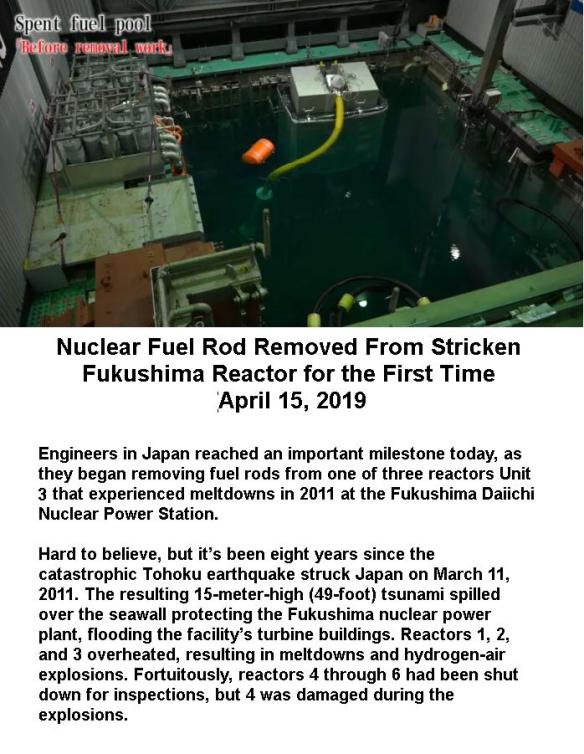
    புகுஷிமாவில் சிதைந்த நான்கு அணு மின்சக்தி உலைகளில் யூனிட் -3 வின் தீவிரக் கதிரியக்க யுரேனிய எரிக்கோல்கள் முதன்முதல் நீக்கப்பட்டன

    சி. ஜெயபாரதன் B.E.(Hons) P.Eng (Nuclear) கனடா

    [ கட்டுரை – 3 ]

    +++++++++++++++++

    1. https://youtu.be/-pZVPux-bzs
    2. https://youtu.be/6ae4GZ9t6Vs
    3. https://youtu.be/c_gVEZi_xSc
    4. https://www.fairewinds.org/nuclear-energy-education/new-tepco-report-shows-damage-unit-3-fuel-pool-much-worse-unit-4

    முதன்முதல் யூனிட் -3 இன் கதிரியக்க அணு உலை எரிக்கோல்கள் நீக்கப் பட்டன.

    1. https://gizmodo.com/nuclear-fuel-rod-removed-from-stricken-fukushima-reactor-1834048278  [April 15, 2019]

    2019 ஏப்ரல் 15 டெப்கோ [TEPCO]  [Tokyo Electric Power Company] பொறியியல் நுணுக்கவாதிகள் முதன்முதல் தூர இயக்குச் சாதனங்களைப் பயன்படுத்தி புகுஷிமாவின் சிதைந்த யூனிட் -3 அணு உலைத் தடாகத்தில் உள்ள  தீவிரக் கதிரியக்க யுரேனிய எரிக்கோல்களை  எடுத்து அப்புறப்படுத்த ஆரம்பித்தார்.  அந்த சேமிப்புத் தடாகத்தில் இருந்த எரிக்கோல்க/ள் : 566.  அனைத்து எரிக்கோல்களை நீக்க 2021 மார்ச்சு இறுதிவரை ஆகலாம் என்று எதிர்பார்க்கப் படுகிறது.  அடுத்துச் சிதைந்த யூனிட் 1 & 2 கதிரியக்க எரிக்கோல்களை 2023 ஆண்டில் நீக்க, டெப்கோ திட்ட மிட்டுள்ளது.  ஜப்பான் அரசாங்கம் அனைத்து கதிரியக்கக் கழிவுகளை நீக்கி, நிலத்தைத் துப்புரவாக்கி, புகுஷிமா தளத்தை சீக்கிரம் மீட்டுவிடும் என்று நிச்சயம் எதிர்பார்க்கலாம்.   அதற்கு  இரு ஆதாரங்கள் : 1945 இல் அணு குண்டுகள் தாக்கி நாசமான பிறகு, தற்போது புதுப்பிக்கப்பட்டு மக்கள் நடமாடி வசிக்கும் ஹிரோஷிமா, நாகசாக்கி நகரங்கள்.

    ++++++++++++++


    1. http://afterfukushima.com/tableofcontents
    2. http://afterfukushima.com/book-excerpt
    3. https://youtu.be/YBNFvZ6Vr2U
    4. https://youtu.be/HtwNyUZJgw8
    5. https://youtu.be/UFoVUNApOg8
    6. http://www.cornell.edu/video/five-years-after-fukushima-lessons-learned-nuclear-accidents
    7. https://youtu.be/_-dVCIUc25o
    8. https://youtu.be/kBmc8SQMBj8
    9. https://www.statista.com/topics/1087/nuclear-power/
    10. https://www.statista.com/statistics/238610/projected-world-electricity-generation-by-energy-source/
    11. https://youtu.be/ZjRXDp1ubps
    12. https://www.thinkingpower.ca/PDFs/NuclearPower/NP_3_2_Crawford.pdf

    முன்னுரை:

    2011 மார்ச்சு மாதம் 11 ஆம் தேதி ஜப்பான் கிழக்குப் பகுதியைத் தாக்கிய 9 ரிக்டர் அளவு அசுர நிலநடுக்கத்தில் கடல் வழியே 50 அடி (14 மீடர்) உயரச் சுனாமி எழுந்து நாடு, நகரம், வீடுகள், தொழிற்துறைகள் பல தகர்ந்து போயின.  சுமார் 18,000 பேர் உயிரிழந்தனர்.  மேலும் 17,000 பேர் இன்னும் காணப்பட வில்லை.  சுமார் 80,000 பேர் புலப்பெயர்ச்சி செய்யப் பட்டுள்ளார். புகுஷிமாவின் சிதைந்த நான்கில் மூன்று அணுமின் உலை களின் எரிக்கோல்கள் வெப்பத் தணிப்பு நீரின்றி, உருகி, இறுகிப் பேரரளவு சிதைந்து, ஹைடிரஜன் வாயு சேமிப்பாகி வெளியேறி மேற்தளக் கட்டங்கள் வெடித்தன.  அத்துடன் ஒன்று அல்லது இரண்டு அணு உலைக் கோட்டை அரணில் பிளவு ஏற்பட்டுக் கதிரியக்கப் பிளவுத் துணுக்குகள் (Radioactive Fission Products) சூழ்வெளியிலும், கடல் நீரிலும் கலந்தன.  அந்தப் பேரிழப்பால் பல்லாயிரம் பேர் உயிரிழந்தும் பிழைத்துக் கொண்டோர் வீடிழந்தும், தமது உடமை இழந்தும், சிலர் கதிரியக்கத்தாலும் தாக்கப்பட்டார்.  நான்கு  அணுமின் உலைகளில் பெருஞ் சேதம் ஏற்பட்டதால் ஜப்பான் நாட்டில் பல அணுமின் உலைகள் நிறுத்த மாகி 2720 மெகா வாட் அணு மின்சக்தி (MWe) உற்பத்தி குன்றி அண்டை நகரங்களில் பேரளவு மின்வெட்டுப் பாதிப்புகள் நேர்ந்துள்ளன.

    கடல் உப்புநீர் கரையேறி, கவசச் சுவர் தாண்டினும் அணு உலைக் கட்டடம் தப்பி, டர்பைன் கட்டடங்கள் உள்ளே புகுந்து விட்டது.  நிறுத்தமான யூனிட் 1, 2, 3 மூன்றிலும்  பாதுகாப்பு வெப்பத் தணிப்பு நீரின்றி, அணு உலையில் உள்ள எரிக்கோல் கள் கனல்மீறி உருகிப் போயின.   நிறுத்தமாகி இருந்த யூனிட் -4 வெடிப்பில்  சிதைவானது.  யூனிட்  4, 5, 6 மூன்றிலும் அணு உலை எரிக்கோல்கள்  உருகவில்லை.  2014 டிசம்பரில் யூனிட் -4  சேமிப்புத் தடாகத்தில் இருந்த தீய்ந்த யுரேனிய எரிக்கோல்கள் [1535]  நீக்கப்பட்டன.

    உலக நாடுகள் 21 ஆம் நூற்றாண்டில் அணுமின் நிலையங்களை ஒரு தேவையான தீங்கு எரிசக்திக் கூடங்கள் என்று கருதியே இயக்கி வருகின்றன.  ஐயமின்றிப் பேரளவு மின்சாரத்தைச் சிறிய இடத்தில் உற்பத்தி செய்ய அணுசக்திக்குப் போட்டியான, நிகரான ஓர் எரிசக்தி தற்போதில்லை.  ஒரு மோட்டார் காரை உற்பத்தி செய்ய சுமார் 10,000 யந்திரச் சாதனங்கள், உபகரணங் கள் தேவைப்படு கின்றன.  அதுபோல் ஓர் அணுமின்சக்தி நிலையத்தை அமைத்து இயக்க மில்லியன் கணக்கில் யந்திரச் சாதனங்கள், உபகரணங்கள் அவசியம் தயாரிக்கப்பட வேண்டும்.  மின்சாரத்தைப் பரிமாறுவதோடு இந்த யந்திர யுகத்தில் பாதுகாப்பாய் இயங்கி வரும் பல்வேறு அணுமின் நிலையங்களால் மில்லியன் கணக்கில் பலருக்கு வேலையும், ஊதியமும், நல்வாழ்வும் கிடைத்து வருகின்றன.

    கட்டுரை ஆசிரியர்

    தற்போது முப்பதுக்கு மேற்பட்ட உலக நாடுகளில் 447 அணுமின் நிலையங்கள் [அமெரிக்காவில் திரி மைல் தீவு, ரஷ்யாவில் செர்நோபில் நிலையம், ஜப்பானில் புகுஷிமாவின் நான்கு அணுமின் உலைகள் ஆகியவற்றைத் தவிர] பாதுகாப்பாக இயங்கி சுமார் 370,000 MWe (16%) மின்சார ஆற்றலைப் பரிமாறி வருகின்றன.  மேலும் 56 நாடுகளில் 284 அணு ஆராய்ச்சி உலைகள் அமைப்பாகி ஆய்வுகள் நடத்தப் பட்டு வருகின்றன.  அணு மின்சக்தி நிலையங்கள் 1950 ஆண்டு முதல் தோன்றி மின்சாரம் அனுப்பத் துவங்கிய பிறகு தொடர்ந்த 60 ஆண்டு களில் ஆறு பெரிய கதிரியக்க விபத்துகள் நிகழ்ந்துள்ளன.  2011 ஆண்டு மார்ச்சு வரை உலக அணு உலைகளில் சராசரி 10 ஆண்டுக்கு ஒருமுறை ஒரு பெரு விபத்து நேர்ந்திருக்கிறது !  ஜப்பான் புகுஷிமா அணு உலைகள் விபத்துக்குப் பிறகு எதிர்கால அணுமின்சக்திக்கு உலக நாடுகள் இன்னும் ஆதரவு அளிக்கின்றனவா அல்லது எதிர்ப்பு அறிவிக்கின்றனவா என்பதை விளக்கமாய் ஆராய்வதே இந்தக் கட்டுரையின் குறிக்கோள்.

    உலக அணு மின்சக்தி இயக்கக் கண்காணிப்புக் கூட்டுப் பேரவை [ WANO -World Association of Nuclear Operators ] விதித்த மேம்பாடு நெறி முறைகள்

    2011 புகுஷிமா பெரு விபத்துக்குப் பிறகு, பாடங்கள் கற்று நான்கில் ஒரு தலையகமாக இருக்கும் இங்கிலாந்து லண்டன்  வானோ பேரவையில் வடிக்கப்பட்ட மேம்பாட்டு நெறிப்பாடுகள் கீழே தரப்பட்டுள்ளன.  அவை சிக்கலானவை, சிரமமானவை, சவாலானவை.  அவற்றை நிறைவேற்ற மிக்க நிதிச் செலவும், நேரச் செலவும் ஏற்படும். அவற்றுக்கு மெய் வருந்திய உழைப்பும், குறிப்பணியும் அவசியம் என்று, அவற்றை வெளியிட்ட வானோ ஆளுநர், பீட்டர் புரோசெஸ்கி சொல்கிறார்.

    1.  புகுஷிமா விபத்தில் கற்றுக் கொண்ட பாதுகாப்புப் பாடப் பணிகள் உலக முழுமையாக சுமார் 6000.
    2. அவற்றுள் முக்கியமானவை :  அபாய நிகழ்ச்சி காப்பு வினைகள்,  அபாய நிகழ்ச்சி உதவிகள், அபாய நிகழ்ச்சி பராமறிப்பு வினைகள், அபாய நிகழ்ச்சி அறிவிப்பு முறைகள், கதிரியக்க திரவம் சேமிப்புக் கலன்கள், பயிற்சி பெற்ற ஏராளமான பணியாளர், தோழ நாடுகள் முதல் உளவு, அடுத்த உளவு, முழு உளவு, ஆய்வு அறிக்கை வெளியீடு. வானோ உலக நாட்டு உளவு & அறிக்கை வெளியீடு.

    As of November 28, 2016 in 31 countries 450 nuclear power plant units with an installed electric net capacity of about 392 GW are in operation and 60 plants with an installed capacity of 60 GW are in 16 countries under construction.

    Country

    IN OPERATION

    UNDER CONSTRUCTION

    Number

    Electr. net output
    MW

    Number

    Electr. net output
    MW
    Argentina

    3

    1.632

    1

    25

    Armenia

    1

    375

    Belarus

    2

    2.218

    Belgium

    7

    5.913

    Brazil

    2

    1.884

    1

    1.245

    Bulgaria

    2

    1.926

    Canada

    19

    13.524

    China

    36

    31.402

    20

    20.500

    Czech Republic

    6

    3.930

    Finland

    4

    2.752

    1

    1.600

    France

    58

    63.130

    1

    1.630

    Germany

    8

    10.799

    Hungary

    4

    1.889

    India

    22

    6.225

    5

    2.990

    Iran

    1

    915

    Japan

    43

    40.290

    <td style=”border-width:1px 0px 0px;border-top-style:s

    Nuclear power plants world-wide, in operation and under construction, IAEA as of 27 November 2016

    அணுமின் உலைகள் எதிர்காலம் பற்றி அகில நாடுகளின் தீர்மானங்கள்

    புகுஷிமா அணுமின் உலைகளில் நேர்ந்த வெடிப்பு நிகழ்ச்சிகளை நேரடியாகக் கண்டு பயந்து போன ஆயிரம் ஆயிரம் பொது மக்களின் வெறுப்பும், எதிர்ப்பும் வேறு.  அணுசக்தி உற்பத்தி மீது அகில நாட்டு அரசுகளின் ஆதரவும், முடிவும் வேறு !  பொது மக்கள் பல்லாண்டுகள் ஒரு மனதாய் அவற்றை எதிர்த்தாலும் இப்போது உலக நாடுகளில் இயங்கிக் கொண்டிருக்கும் 440 அணுமின் நிலையங்கள் உடனே நிறுத்தம் அடையப் போவ தில்லை.  இப்போது (ஜூன் 14, 2011) கட்டப் பட்டு வரும் அணுமின் உலைகளின் எண்ணிக்கை : 60.  அடுத்துத் திட்டமிடப் பட்டவை : 155.  எதிர்கால எதிர்பார்ப்பு அணுமின் உலைகள் : 338.  புகுஷிமா அணு உலை விபத்தில் கற்றுக் கொள்ளும் முதற்பாடம் : 1960 ஆண்டுகளில் டிசைன் செய்யப் பட்ட முதல் வகுப்புப் பிற்போக்கு அணுமின் உலைகள் விரைவில் நிச்சயம் மூடப்படும் நிரந்தரமாய்.  முப்பது வருடமாய் இயங்கி வரும் அணுமின் உலைகள் சில மீளாய்வு செய்யப் பட்டுப் பழைய சாதனங்கள் புதுப்பிக்கப் பட்டு ஆயுட் காலம் இன்னும் 5 அல்லது 10 ஆண்டுகள் நீடிக்கப் படலாம் அல்லது அதற்கு நிதியின்றேல் நிரந்தரமாய் நிறுத்தம் அடையலாம்.   எதிர்காலத்தில் கட்டப்படும் அணுமின் உலைகள் கட்டுவதற்கு IAEA, WANO, அரசாங்கம் கடுமை யான விதி முறைகளை அறிவிக்கும்.  அதனால் உலகில் புதிய அணுமின் நிலையங்கள் நிறுவி இயக்க நெடுங்காலம் ஆகலாம்.  பெரும் நிதிச் செலவு நேரிடலாம்.

    +++++++++++++++++++++++++


    1. https://youtu.be/CPeN7GhTpz4
    2. https://www.thegreenage.co.uk/cos/nuclear-power-in-france/
    3. https://youtu.be/4YgmCu7dfS4
    4. https://www.dw.com/en/france-sticking-with-nuclear-power/av-38397323
    5. https://www.businessinsider.com/countries-generating-the-most-nuclear-energy-2014-3
    6. https://www.youtube.com/watch?v=TZV2HRKNvao
    7. https://www.youtube.com/watch?v=HMrQJoN-Ks4
    8. https://www.youtube.com/watch?v=kr4mFLws3BM
    9. https://www.youtube.com/watch?v=YfulqRdDbsg
    10. https://www.youtube.com/watch?v=Hn-P3qnlB10
    11. https://en.wikipedia.org/wiki/Fukushima_Daiichi_units_4,_5_and_6
    12. https://www.theguardian.com/world/2019/apr/15/fukushima-removal-of-nuclear-fuel-rods-from-damaged-reactor-begins
    13. https://learningenglish.voanews.com/a/fukushima-plant-begins-removing-fuel-from-melted-reactor/4876487.html
    14. https://daily.jstor.org/how-to-clean-up-after-a-nuclear-disaster/
    15. http://world-nuclear-news.org/Articles/IAEA-reports-on-progress-at-Fukushima-Daiichi
    16. https://www.cnet.com/features/for-fukushimas-nuclear-disaster-robots-offer-a-sliver-of-hope/

    Share
  • படக்கவிதைப் போட்டி 216-இன் முடிவுகள்

    படக்கவிதைப் போட்டி 216-இன் முடிவுகள்

    -மேகலா இராமமூர்த்தி

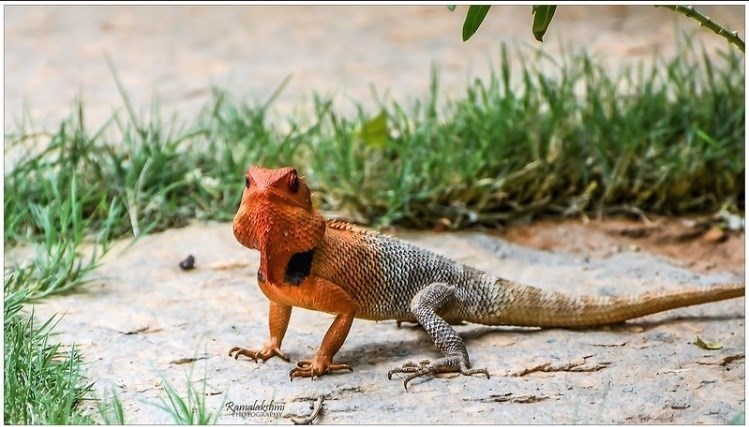
    பார்வையாளரை ஆர்வத்தோடு உற்றுநோக்கும் இந்த அழகிய ஓணானைத் தன் படப்பெட்டிக்குள் பத்திரப்படுத்தி வந்தவர் ராமலக்ஷ்மி. இந்தப் படத்தை பிளிக்கர் குழுமத்திலிருந்து தேர்ந்தெடுத்துப் படக்கவிதைப் போட்டி 216க்கு அளித்தவர் சாந்தி மாரியப்பன். மங்கையர் இருவருக்கும் என் நெஞ்சார்ந்த கைகூப்பு!

    இன்று நாம் ஓணான் என்று குறிப்பிடுவதை அன்று ’ஓந்தி’ என்று குறித்திருக்கின்றனர் நம் மக்கள். பின்வரும் குறுந்தொகைப் பாடலில் அது இடைக்குறையாக ’ஓதி’ என்று வந்திருப்பதைக் காணலாம்.

    ”வேதின வெரிநின் ஓதி முதுபோத்து
      ஆறுசெல் மாக்கள் புள்கொள பொருந்தும்… “ (குறுந் 140:1-2)

    கருக்கரிவாளைப் போன்ற முதுகைக் கொண்ட ஆண் ஓந்தியை (ஓணான்) காண்பதை ஒரு சகுனமாக (நிமித்தம்) நினைத்திருந்தார்கள் அன்றைய வழிப்போக்கர்கள் என்பதை இப்பாடல்வழி அறிகிறோம். ஓந்தி வலப்புறம் தென்பட்டால் வழிப்பயணம் நன்றாகும் என்ற மக்கள் நம்பிக்கையை ’அறப்பளீசுர சதகம்’ என்ற நூல் அறியத்தருகின்றது.

    இனி, ஓணான்மீது பண்பாட நம் பாவலர்களை அன்போடு அழைக்கிறேன்.

    *****

    ”வேலிக்கு ஓணான் சாட்சியா?” என்று மானுடம் தன்மீது மகத்தான பழி சுமத்தியதுகண்டு வருந்திய ஓணான் ஒன்று, அந்தச் சொலவடையின் உண்மைப்பொருளை உலகறிய உரைப்பதனைச் சுவையான பாடலாக்கியிருக்கின்றார் திரு. ஆ. செந்தில்குமார்.

    ஓணானின் மனக்குறை..

    வேலிக்கு ஓணான் சாட்சியாவென்று..
    வேலையற்ற வீணர் சொல்லக்கேட்டு..
    ஓட்டமாய் ஓடி வந்தேன்..
    ஓருண்மை உரைக்க வந்தேன்..!!

    நில அளவை இல்லாத ஓர் காலம்..
    நிலவுலகில் வாய்மையே வாழ்ந்த காலம்..
    அருகருகே அமைந்த நிலங்கள்..
    அதனதன் உரிமையாளர் தம்முள்..
    இருந்தது தீராத வழக்கொன்று..
    இடம்பெயர்த்து நட்டான் கல்லையென்று..

    இவ்வழக்கு வந்தது வழக்காடு மன்றத்திற்கு..
    இசைந்தான் தலைவன் இறுதியாயொரு தீர்ப்புரைக்க..
    சாட்சியெனப் பொய்யுரைக்க வந்தான் ஒருவன்..
    சற்றே சொல்லிடு கல்நட்டது நீயாவென்று..
    உரக்கக்கேட்டான் தலைவன்.. உளறினான் பொய்யன்..
    உண்மையில் நானில்லை.. உண்மையில் நானில்லை..

    வேலிக்கு ஊன்றான் சாட்சி செல்லாது..
    வெளியேறு உடனே அவன் நிலத்தைவிட்டு..
    உத்தமன் இவனே.. தீர்ப்பளித்தான் தலைவன்..
    ஊன்றானை ஓணானாக்கியது உள்ளபடியே சரிதானா..?
    உணர்ந்திடுவீர் உண்மைப்பொருள்.. தவிர்த்திடுவீர் உளறல்களை..

    குறிப்பு:- ஊன்றான் – ஊன்றாதவன்(எல்லைக் கல்லை)
    பேச்சு வழக்கில் மருவி ஊனான் ஆகிப் பின்னர் ஓணான் ஆனது.

    *****

    ”வேலிகளெல்லாம் மதிலாகிப் போய்விட்டபடியால் இனி ஓணான்கள் தேவையில்லை பொய்சாட்சி சொல்வதற்கு! மனிதர்களே போதும் அத்திருப்பணிக்கு!” என்று வெகுண்டுரைக்கிறார் திரு. செண்பக ஜெகதீசன்.

    மனிதனே…

    வேலி யெல்லாம் மதிலாகி
    வேற்றுமை மனிதரில் நிலைத்ததாலே
    காலி பண்ணின ஓணான்கள்
    காட்டுப் பக்கம் நோக்கியேதான்,
    வேலி யதற்குச் சாட்சிசொல்ல
    வேண்டாம் இனிமேல் ஓணானே,
    நாலும் தெரிந்ததாய் மனிதர்களே
    நன்றாய்ச் சொல்கிறார் பொய்ச்சாட்சியே…!

    ஓணானை வைத்துச் சில உண்மைகளை விண்டுரைத்திருக்கும் நற்கவிகளுக்கு நவில்கிறேன் பாராட்டு!

    அடுத்து, இவ்வாரத்தின் சிறந்த கவிதையாகத் தெரிவாகியிருப்பது…

    பதின் பருவப் பள்ளியாய்ப் போன
    முள் மரங்களின் குத்தகைதாரர் நீ
    ஆடுகளின் ஓய்விடங்கள்
    கவட்டையோடு உன்னை அடிக்க
    அலைந்து திரிந்த நிலங்கள் பலவிதம்!

    தலை தூக்கிச் சூரியனோடு நீ பேசும்
    உரையாடல் கேட்கக் காத்திருந்த மணித்துளிகள் பல!
    எதற்குத் தலையாட்டுகிறாய் என்று
    என்னைத் தவிர யாருமில்லா நண்பகலில்
    சிந்தித்துக் கொண்ட காலங்கள் அநேகம்!

    என் கவட்டைக் கல்லுக்கு இரையான உனது
    உறவினர்கள் கனவுகளில் புரியாத மொழியில்
    பேசிக் கொண்டே இருக்கிறார்கள்!

    நீ வாழ்ந்த இடமெல்லாம் வீடுகளாய்
    உன்னைப் பார்த்து ஆண்டுகள் பல…
    எங்களைப் போல வாழ்வாதாரம் தேடி
    எங்கோ வாழ்ந்து கொண்டிருப்பாய் என்ற
    நம்பிக்கையில் உனது நினைவுகளோடு பூமியில்
    உனக்குப் பின் பிறந்த ஒரு விலங்கு!

    ஓணான்களுடனான தன் கடந்தகால உறவை, கவட்டைக் கல்லால் அவற்றை அடித்துக் கொன்றதால் வரும் தீக்கனவுகளை, விலங்குகளினும் கீழ்ப்பட்ட விலங்காய் மனிதன் மாறிவிட்ட அவலத்தை நேர்த்தியாய்த் தன் கவிதையில் வார்த்திருக்கும் முனைவர் ம. இராமச்சந்திரனை இவ்வாரத்தின் சிறந்த கவிஞராக அறிவித்துப் பாராட்டுகிறேன்.


    Share
  • இந்த வார வல்லமையாளர் – ஆர்த்தி நிதி

    இந்த வார வல்லமையாளர் – ஆர்த்தி நிதி

    நாங்குநேரி வாசஸ்ரீ

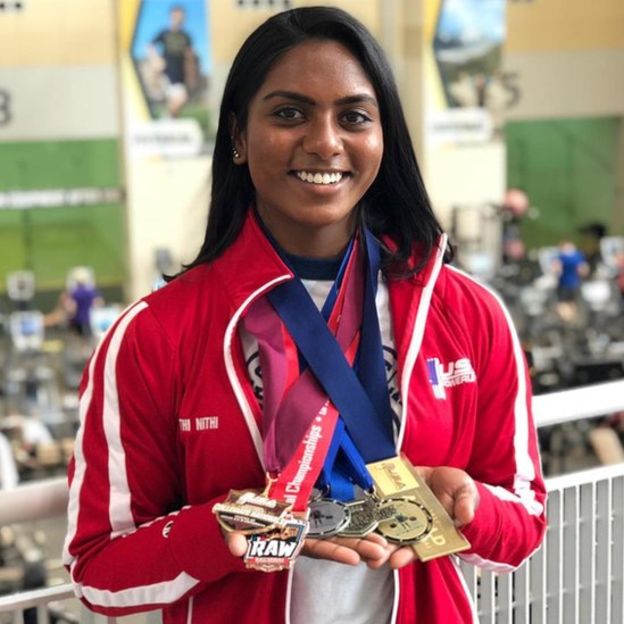
    சுவீடன் நாட்டின் ஹெல்சின்பர் (Helsingborg) நகரில், 2019 ஜூன் 4 ஆம் தேதியிலிருந்து 15 ஆம் தேதி வரை நடைபெற்ற ஏழாவது உலக பவர்லிஃப்ட்டிங் போட்டியில் 63 கிலோ எடைப் பிரிவில் ஆர்த்தி நிதி, வெள்ளிப் பதக்கம் வென்றுள்ளார். ஒருவித பளுதூக்குதல் விளையாட்டான பவர்லிஃப்ட்டிங், மேற்கத்திய நாடுகளில் மிகவும் பிரபலமானது. ஸ்குவாட், பெஞ்ச், டெட்லிப்ட் (Squat, Bench, Dead lift) ஆகிய மூன்று கட்டங்களைக் கொண்ட இந்த விளையாட்டில் ஒட்டுமொத்தமாக அதிக எடையைத் தூக்குபவர் வெற்றியாளராக அறிவிக்கப்படுகிறார்.

    ஐபிஎஃப் எனப்படும் சர்வதேச பவர் லிஃப்ட்டிங் கழகம், வேர்ல்ட் கிளாசிக் பவர் லிஃப்ட்டிங் சாம்பியன்ஷிப் என்ற பெயரில் ஒவ்வோர் ஆண்டும் போட்டிகளை நடத்தி வருகிறது. அந்த வகையில், இந்த ஆண்டு சுவீடனில் நடைபெற்ற தொடரில், 20-22 வயதுக்கு உட்பட்ட, 63 கிலோ எடையுள்ள பெண்களுக்கான பிரிவில் அமெரிக்கா சார்பில் போட்டியிட்ட ஆர்த்தி நிதி, வெள்ளிப் பதக்கத்தை வென்றுள்ளார். அதுமட்டுமின்றி, இந்த பவர்லிஃப்ட்டிங் போட்டியின் ஸ்குவாட் பிரிவில் உலகச் சாதனையோடு தங்கப் பதக்கத்தையும் வென்றுள்ளார்.

    அமெரிக்காவிலேயே பரதநாட்டியம் கற்றுக்கொண்டு அரங்கேற்றம் செய்த ஆர்த்தி, எப்படி கல்லூரிக்குச் சென்ற பிறகு பவர்லிஃப்ட்டிங் துறைக்குள் நுழைந்தார் என்று பிபிசி செய்தியாளரிடம் அவர் பேசியுள்ளார். “மேல்நிலை பள்ளிக்கல்வி வரை பரதநாட்டியம் பயின்ற நான், இடையில் ஓராண்டிற்கு அதை நிறுத்தியதால் உடல் எடை அதிகமானது. அதைத் தொடர்ந்து, உடல் எடையை குறைப்பதற்காக உடற்பயிற்சிக் கூடத்திற்கு சென்றேன்; உணவுப் பழக்க வழக்கத்தை மாற்றியமைத்து உடற்கட்டில் அதிக கவனம் செலுத்தத் தொடங்கினேன். அதைத் தொடர்ந்து, கல்லூரியில் சேர்ந்த பிறகு, பயிற்சியாளர்கள் மற்றும் நண்பர்கள் அளித்த அறிவுரையின்படி, பவர்லிஃப்ட்டிங்கில் ஈடுபடத் தொடங்கினேன்” என்று தனது பயணத்தின் தொடக்க காலத்தை விவரிக்கிறார்.

    தனது வெற்றியைக் குறித்து அவர் பேசுகையில், கடந்த நான்கு ஆண்டுகளாக பவர்லிஃப்ட்டிங் போட்டிகளுக்காக பயிற்சி செய்து வரும் நான், இவ்வளவு விரைவில், பவர்லிஃப்ட்டிங் விளையாட்டின் ஒலிம்பிக்காகக் கருதப்படும் இந்தத் தொடரில் அமெரிக்காவுக்காகப் பதக்கத்தை வெல்வேன் என்று நினைக்கவில்லை. எனது கடுமையான, விடாப்பிடியான பயிற்சி, எனது நான்காண்டுக் கால கனவை நிறைவேற்றியுள்ளது என்று கூறியுள்ளார்.

    தான் ஒரு தமிழ்ப் பெண் எனப் பெருமை கொள்ளும் ஆர்த்தியின் தந்தை முனைவர் கருணாநிதி, கரூர் மாவட்டத்தைச் சேர்ந்தவர். தாயார் சாந்தி அம்மையார், நாமக்கல் மாவட்டத்தைச் சார்ந்தவர். கடந்த இருபத்தைந்து ஆண்டுகளுக்கும் மேலாகப் புலம் பெயர்ந்து அமெரிக்காவில் வசிக்கும் இந்தத் தம்பதிகள், நம் தமிழ்ப் பண்பாட்டையும் கலாச்சாரத்தையும் தங்கள் மகனுக்கும் மகளுக்கும் ஊட்டி வளர்த்துள்ளனர்.

    இந்தியா, அமெரிக்கா மட்டுமின்றி உலகம் முழுவதும் உள்ள பெண்களை அவர்களது சொந்தக் குடும்பத்தினர், குறைவாக மதிப்பிடுவதை நிறுத்திக்கொள்ள வேண்டும். இந்தச் சமூகம் நினைப்பதைப் போன்று பெண்கள் வலுவற்றவர்கள் இல்லை. வாய்ப்பு கிடைத்தால் எந்தப் பெண்ணாலும் சாதிக்க முடியும். தனக்கு மிகவும் பிடித்த விடயத்தைச் செய்ய பெண்களுக்குக் குடும்பத்தினர் ஆதரவளிக்க
    வேண்டும், நினைத்ததைச் செய்தால் மட்டுமே வாழ்க்கையில் வெற்றிபெற முடியும் என்று கூறும் ஆர்த்தி, பவர்லிஃப்ட்டிங் வீராங்கனையாக மட்டுமின்றி, பன்னாட்டு நிறுவனம் ஒன்றில் பொறியாளராகவும் பணிபுரிகிறார்.

    தற்போது வரை ஒலிம்பிக்கில் சேர்க்கப்படாத பவர்லிஃப்ட்டிங், வருங்காலத்தில் அங்கீகரிக்கப்பட்டால், ஒலிம்பிக்கில் அமெரிக்காவின் சார்பாக பங்கேற்று பதக்கம் வெல்வதே தனது நீண்டகால இலக்கு என்கிறார் ஆர்த்தி.

    வீரத் தமிழ்ப் பெண் ஆர்த்தியை இந்த வாரத்தின் வல்லமையாளராக அறிவித்து மகிழ்கிறோம். அவரது சாதனைப் பயணம் தொடர, வல்லமை மின்னிதழ் சார்பில் உளமார வாழ்த்துகிறோம்.

    நன்றி – பிபிசி

    Share
  • ஸ்பாரோ இலக்கிய விருது 2019 அறிவிப்பு

    ஸ்பாரோ இலக்கிய விருது 2019 அறிவிப்பு

    ANNOUNCING SPARROW LITERARY AWARD 2019
    (Instituted by R Thyagarajan, Founder, Sri Ram Groups)

    The SPARROW panel of judges (D I Aravindan, Ambai, Dr Charanjeet Kaur) took up the genre of poetry this year for consideration for the SPARROW-R THYAGARAJAN Literary Award 2019. Two awards are normally given for Tamil writers and one for a non-Tamil writer. In Tamil, one award is for acknowledging and honouring a writer who has been in the field for many years and another award is for a younger writer for literary work done in the recent past. The SPARROW-R Thyagarajan Literary Award 2019 for Tamil will go to Yuvan Chandrasekhar for his significant contribution to poetry and Geetha Sukumaran for the promising work she has done in the genre of poetry. This year for the non-Tamil award the language chosen was Punjabi. Simrat Gagan who has made a place for herself in Punjabi literature with the depth and sensitivity of her poetry, has been chosen for this award this year. The writers have honoured SPARROW and the panel by accepting the award. The award function will be sometime in the third week of December this year.

    ஸ்பாரோ இலக்கிய விருது 2019 அறிவிப்பு

    ஸ்பாரோ-ஆர். தியாகராஜன் இலக்கிய விருது தேர்வுக் குழு (டி. ஐ. அரவிந்தன், அம்பை, டாக்டர். சரஞ்சித் கௌர்) இந்த ஆண்டு கவிதை வகைமையைக் எடுத்துக்கொண்டது. தமிழில் இரு விருதுகளும் வேறு மொழிகளில் ஒரு விருதும் வழக்கமாக வழங்கப்படுகின்றன. தமிழில் ஒரு விருது இலக்கியத்துக்குப் பல ஆண்டுகளாகக் கணிசமானப் பங்களித்த ஓர் எழுத்தாளருக்கும் இன்னொரு விருது சிறப்பான எழுத்தை வழங்கியுள்ள இளம் எழுத்தாளருக்கும் என்று வழங்கப்படுகிறது. ஸ்பாரோ-ஆர். தியாகராஜன் விருது 2019 தமிழில் கவிதை வகைமைக்குச் சிறப்பைச் சேர்த்த யுவன் சந்திரசேகரின் பல்லாண்டுக் கவிதைப் பங்களிப்புக்கும் மிகவும் நம்பிக்கையூட்டும் வகையில் கவிதை எழுதிவரும் கீதா சுகுமாரனுக்கும் வழங்கப்படுகின்றன. வேற்றுமொழி விருதுக்கு இந்த ஆண்டு பஞ்சாபி மொழி தேர்ந்தெடுக்கப்பட்டது. ஆழமும் நுன்னுணர்வும் கூடிய கவிதைகளை எழுதி பஞ்சாபி மொழி இலக்கியத்தில் தனக்கென இடம் அமைத்துக்கொண்டிருக்கும் ஸிம்ரத் ககனுக்கு இந்த ஆண்டு இந்த விருது வழங்கப்படுகிறது. அனைத்து எழுத்தாளர்களும் விருதுகளை ஏற்று ஸ்பாரோவையும் தேர்வுக் குழுவையும் கௌரவப்படுத்தியுள்ளார்கள். விருது விழா இந்த ஆண்டு டிசம்பர் மூன்றாம் வாரம் நடைபெறும்.

    Poems of Yuvan Chandrasekar
    யுவன் கவிதைகள்

    கொண்டுவந்த கடல்

    இந்தமுறை சங்கு கொண்டு வந்தேன்
    சென்ற முறை சிப்பி.
    அதற்கு முன்னால் சோழி
    பாலிதீன் பைகளில்
    செதில் கலந்த மணலும்,
    கரைக்கோயில் குங்குமமும்
    கொண்டு வந்ததுண்டு.
    ஒரு முறைகூட
    கடலின் பரிதவிப்பை
    பரிவை ஆறுதலை
    கொண்டு வர முடிந்ததில்லை.
    சீசாவில் கொண்டுவந்த கடற்குஞ்சு
    பாதியாகிச்
    செத்துக் கிடக்கிறது அலமாரியில்.

    The Sea That I Brought

    I got a conch this time
    Last time it was a shell.
    Before that it was a cowrie
    I have also brought in polythene bags
    Sand mixed with fish scales
    And vermillion powder of the shore temple
    Not a single time
    Have I been able to bring
    The desperation of the sea
    Nor its care or its comfort.
    The baby sea that I brought in a bottle
    Has half dried up and died
    In the cupboard.

    கிளியென்று சொன்னால்
    பறவையைக் குறிக்கலாம்
    பச்சையைக்
    குறிக்கலாம்.
    மூக்கைக் குறிக்கலாம்
    பெண்ணைக் குறிக்கலாம்
    கூண்டுச் சிறையைக் குறிக்கலாம்
    சமயத்தில் அது
    கிளியையும் குறிக்கலாம்

    When you say a parrot
    It may mean the bird
    Or the colour green
    Or the nose
    Or a woman
    Or a prison of a cage
    Sometimes
    It may even mean a parrot.

    Geetha Sukumaran’s Poem
    கீதா சுகுமாரனின் கவிதை

    பெண் மொழி

    மொழியைப் பதியவென்று
    மலைசூழ் இடமோ
    கடல்புறமோ
    ஒரு துளி வாட்காவோ
    சிலிர்க்குமிசையோ
    அல்லது
    குறைந்தபட்சம் ஒரு
    மேசை நாற்காலியோ
    எதுவுமில்லையென்றாலும்
    தெருவோரம் அழும் பிள்ளையில்
    விசிறி எறியப்பட்ட கிழங்கின் சதையில்
    கழிப்பறை சுத்தம் செய்யும்
    அமிலத்தில்
    அகாலத்தில்
    எங்கும் எதொனொடும்
    எதனையும் தகர்த்தெழும்
    சேறு பூசி உதிரம் நிறைத்து
    கொதிக்கும் உலை
    உலோகமும் வேரும் கல்லும் தோலும்
    மணத்து
    எல்லா நாவுகளையும்
    விழுங்கிப் பிளிரும்
    ஆதிகுகை முன்னோளின்
    ஓசை
    காதுகள் கூடத் தேவையிரா

    Women’s Language

    To inscribe a language
    Even if there is no
    place surrounded by mountains
    Seaside
    A drop of vodka
    Or at least
    a table or a chair
    In the child crying in the corner of the street
    In the flesh of the root thrown away
    In the acid used
    to clean toilets
    In time that is not bound
    Everywhere with anything
    It will rise
    Demolishing anything
    Smeared with slush and
    Filled with blood
    Water boiling in the pot
    Smell of metal, roots, stone and skin
    The sound of the scream of the
    ancestral woman of the caves
    that has swallowed all tongues
    You don’t even need to hear.

    Simrat Gagan’s Poem
    ஸிம்ரத் ககனின் கவிதை

    Maa jadon tere ander meri khushboo bhari si
    Sabh toh pehlen tu hi tan dari si
    Main sash hi tan lei rahi si
    Main saah hi tan laina chauhndi si
    Hauli hauli sirjana si main ik biggha jeha rishta
    Sun tan laindi Ikk var Apni channo di aahat
    Main tere pichhle janam di kamai saan
    Jo koi janman da safar tei karke teri kukhe aai saan
    Tuhadi tan marzi si majboori nahin si
    Do guddian lai ke main khedadi rehna si
    Tainu kamm ch rujhi nu vekhdi rehna si.

    My mother! When I filled your being with my fragrance,
    You were the first to feel frightened.
    I was simply breathing
    And I simply wanted to keep breathing.
    I had to create with you a warm relation,
    slowly and steadily.
    At least, you should have heard the sound
    of my footsteps.
    I was the fruit of your earlier lives that
    meandered its way into your womb
    Through several lives.
    It was your will, no coercion.
    I was but to keep playing with a pair of dolls
    And watch you engaged in your work.

    Translated by Sidhu Damdami

    அம்மா!
    உன்னை நான் என் நறுமணத்தால் நிரப்பிய போது
    பயந்துபோனது முதலில் நீதான்.
    நான் வெறும் மூச்சாகத்தான் இருந்தேன்
    என் பாட்டுக்கு மூச்சு விட்டபடி இருக்கத்தான் விரும்பினேன்
    உன்னுடன் ஒரு வெதுவெதுப்பான உறவை
    நிதானமாக, தொடர்ந்து கொள்ள விரும்பினேன்
    என் காலடி ஓசையையாவது நீ கேட்டிருக்க வேண்டாமா?
    உன் கடந்த சன்மங்களின் பலன் நான்
    பல சன்மங்களைக் கடந்து
    உன் கருப்பையைத் தேடி அலைந்து வந்தவள்
    உன் விருப்பம்தான் இது
    யாரும் உன்னை வற்புறுத்தவில்லை
    நீ வேலை செய்வதைப் பார்த்தபடி
    இரண்டு பொம்மைகளுடன் நான் விளையாடிக்கொண்டு இருந்திருப்பேனே?

    Share
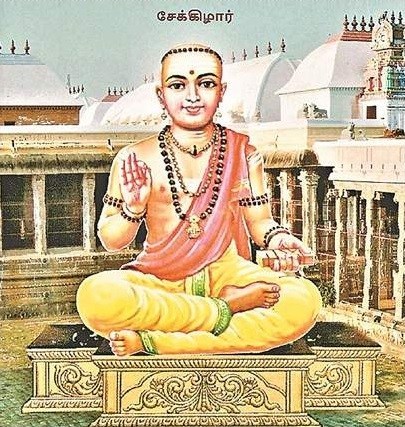
  • சேக்கிழார் பா நயம் – 41

    சேக்கிழார் பா நயம் – 41

    -திருச்சி புலவர் இராமமூர்த்தி

    தில்லையம்பலத்தில் மெய்யுணர்வுக் காட்சியைக் கண்டு மகிழ்ந்த சுந்தரர், அந்நகரில் அம்பலவனை வழிபட்டார். பின்னர், அங்கிருந்து கொள்ளிட ஆற்றினைக் கடந்து ‘’திருவாரூரில் எம்மைக் காண வருக’’ என்ற இறைவன் அருள்வாக்கினைச் சிந்தித்தவாறே திருவாரூர் எல்லைக்குச்சென்றார். திருவாரூர், திருக்கழுமலம் முதலான பன்னிரு பெயர்களை உடைய திருத்தலம் ஆகும். வந்தடைவோரின் மும்மலங்களையும் கழுவிக் களையும் தலம் ஆதலால் அப்பெயர்வந்தது. அங்கே திருஞான சம்பந்தப் பிள்ளையார் அவதாரம் செய்தருளினார். அவர் உமையம்மையின் திருமுலைப்பாலை அழுது பெற்றமையால் ‘பிள்ளையார்’ என்றுசிறப்பிக்கப்பெற்றார். இறைவனை அடையும் மார்க்கங்களாகிய சன்மார்க்கம் , தாசமார்க்கம், சகமார்க்கம், சற்புத்திர மார்க்கம் என்ற நான்கனுள் ‘சற்புத்திர மார்க்கத்தை’ உடையவராய் மகன்மை நெறியில் இறையருளை இயல்பாகப் பெற்றவர் திருஞான சம்பந்தர் ஆவார் . அதனாலும் அவர் பிள்ளையார் என்று அழைக்கப்பெற்றார்

    சைவநெறியில் ஞானகுருவாக வழிகாட்டிய திருஞான சம்பந்தர் அவதரித்த திருத்தலம் ஆதலால் , இத்தலத்தின் புறத்தே நின்ற சுந்தரர், அத்திருவாரூரின் பெயர்களை சிந்தித்து , ‘’பிள்ளையார் திரு அவதாரம் செய்த ‘பெரும்புகலி’ என்ற சிறப்புப் பெயரைப் பெற்ற திருவாரூரின் உள்ளே காலை வைத்து மிதிக்க மாட்டேன்’’ என்று தம் சிறுமையையும், பிள்ளையாரின் பெருமையையும் எண்ணி , ஊருக்குள் புகாமல் எல்லையில் நின்று வலம் வந்தார்.

    முன்பு சூரபன்மன் ஆளுகையால், அஞ்சி இந்திரன் செய்த நந்தவனத்தைப் புகலிடமாகக் கொண்டு இந்திராணி முதலானோர் வாழ்ந்த ஊர், திருப்புகலி என்னும் திருவாரூராகும். அதுமட்டும் அல்ல, உலகின்மற்ற இடங்களை விடவும் பெரிய புகலிடம் ஆதலால் பெரும்புகலி எனப்பெற்றது. ஆதலால்,

    ‘’பிள்ளையார் திருஅவதா ரம்செய்த பெரும்புகலி
    உள்ளும் நான் மிதியேன்’’ என்று ஊர் எல்லைப் புறம் வணங்கி’’

    என்றுசேக்கிழார் பாடினார். பொதுவாக சிறந்த சான்றோர் தொடர்புடைய திருத்தலங்களின் எல்லையில் நின்று , உட்புகாமல் வணங்கிய பெருமக்கள் உள்ளனர். திருஞான சம்பந்தர் பாடிய திருவையாற்றுள் அப்பரடிகள் மிதியாமையும், காரைக்காலம்மையார் இறைவன்ஆட , தாம் அதனைக் கண்டு மகிழ்ந்த ‘’ திருவாலங்காட்டுள், திருஞானசம்பந்தரும் , சுந்தரரும் மிதியாமல் ஊரின் எல்லையில் , புறத்தே நின்று வழிபட்டதும் இங்கே நினைக்கப் படுவதாகும் . ஆதலால் சுந்தரரும் ‘’ஊர் எல்லைப் புறம் வணங்கி’’ச் சென்றார், என்று சேக்கிழார் பாடுகிறார் . அவ்வாறு அந்த திருத்தலத்தை வலமாக வந்து வழிபட்டார். அப்போது தம் இடப்பாகத்தில் உறையும் மங்கையாகிய பார்வதி யுடன், அழகிய இடப வாகனத்தில் அமர்ந்தருளும் சிவபிரான், மங்கைபாகராகக் காட்சிகொடுத்தார் .

    மங்கை இடங்கொள்ளு மால்விடையான் – என்றது நம்பிகளுக்குக் காட்டிய எதிர்காட்சியின் திருக்கோலத்தை யாகும் இவரே திருத்தோணியிலே பெரிய நாயகியாருடன் வீற்றிருக்கும் அம்மையப்பராம். திருஞானசம்பந்த சுவாமியினிடத்து வைத்த அன்பினாலே தலத்துட்புகாது நம்பிகள் வெளி நின்றாராதலின் அவரை ஆட்கொண்ட திருக்கோலமாகிய ‘’தோடுடைய செவியனாய் விடையேறி’’ நம்பிகளுக்கு எதிரே வந்து காட்சியருளினார் என்பது குறிப்பு. இதனால் சுந்தரர் முன்பு கைலையிலே கண்ட அம்மையப்பர் திருக்கோலத்தை பதிகமாகப்பாடினார். இனிஇப்பாடல் முழுவதையும் கற்றுணர்வோம்

    ‘’பிள்ளையார் திரு அவதாரம் செய்த பெரும் புகலி
    உள்ளு நான் மிதியேன் என்றூர் எல்லைப் புறம் வணங்கி
    வள்ளலார் வலமாக வரும்பொழுதின் மங்கை இடங்
    கொள்ளுமால் விடையானும் எதிர் காட்சி கொடுத்து அருள.’’

    என்பது பாடல். இத்திருவாரூர் தன்னை அடைந்த மானிடரின் மும்மலங்களையும் நீக்கிக் கழுவும் தகுதி படைத்தது. ஆனால், பிள்ளையார் அவதரித்த இத்தலத்தின் உள்ளே சென்று தம் மலங்களைக் கழுவிக்கொள்ள மாட்டேன், என்று சுந்தரர் ஊர் எல்லையில் நின்ற எளிமை புலப்படுகிறது.

    எல்லைக்குள்ளேயும் அடி வைக்கமாட்டேன்.என்றார் சுந்தரர். தன்னுட் புகலுற்றாரைக் காக்குந் தன்மையுடையது இப்புகலியேயாயினும், அப்பேறு பெறாவிடினும் விடுக – பிள்ளையார் அவதரித்த தலத்தைமிதியேன் என்று துணிந்து நின்றமை நம்பிகள் பிள்ளையாரிடத்தே வைத்த பேரன்பின் உறைப்பினை விளக்குகின்றது.

    சுந்தரர் ஊருக்குள் வந்து தம்மை தரிசனம் செய்து மகிழும் முன்னர், சிவபிரான் தாமே எதிர்காட்சி நல்கிய திருவருட் சிறப்பையும் இப்பாடல் காட்டுகிறது.

    Share
  • நெல்லைத் தமிழில் திருக்குறள் விளக்கம்-55

    நெல்லைத் தமிழில் திருக்குறள் விளக்கம்-55

    நாங்குநேரி வாசஸ்ரீ

    நெல்லைத் தமிழில் திருக்குறள் விளக்கம்-55

    55. செங்கோன்மை

    குறள் 541:

    ஓர்ந்துகண் ணோடா திறைபுரிந் தியார்மாட்டும்
    தேர்ந்துசெய் வஃதே முறை

    தப்புதண்டா இன்னதுன்னு தெரிஞ்சிக்கிட்டு எந்தப்பக்கமும் சாயாம நடுவுநிலைமை தவறாம வழங்கப்படுதது தான் நீதி.

    குறள் 542:

    வானோக்கி வாழும் உலகெல்லாம் மன்னவன்
    கோனோக்கி வாழுங் குடி

    ஒலகத்துலஇருக்க உசிருங்கல்லாம் மழைய நம்பி வாழுதுங்க. அதுகணக்கா மக்களெல்லாம் ராசாவோட நல்லாட்சிய எதிர்பாத்தே வாழுதாங்க.

    குறள் 543:

    அந்தணர் நூற்கும் அறத்திற்கும் ஆதியாய்
    நின்றது மன்னவன் கோல்

    நேர்மையான ஆட்சி தான் அறிவ வளத்துக்க ஒதவுத ஞான நூல்களுக்கும், அறத்துக்கும் அடிப்படையா இருக்கு.

    குறள் 544:

    குடிதழீஇக் கோலோச்சு மாநில மன்னன்
    அடிதழீஇ நிற்கும் உலகு

    நாட்டு மக்கள அரவணைச்சு ஆட்சி நடத்துத நல்ல ராசாவோட அடிகளைச் சுத்தியே மக்கள் வாழுவாங்க.

    குறள் 545:

    இயல்புளிக் கோலோச்சு மன்னவ னாட்ட
    பெயலும் விளையுளுந் தொக்கு

    நீதி வழுவாம ஆட்சி செய்யுத ராசாவோட நாட்டுல பருவத்துக்கு பெய்யுத மழையும் நல்ல வெளச்சலும் எப்பமும் சேந்தே இருக்கும்.

    குறள் 546:

    வேலன்று வென்றி தருவது மன்னவன்
    கோலதூஉங் கோடா தெனின்

    ஒரு ராசா செயிக்கதுக்கு தேவ பகையாளிய அழிக்கஒதவுத வேல் இல்ல. அவனோட நேர்மையான ஆட்சி அதுவும் தப்பான மொறைல நடத்துத ஆட்சியா இல்லாம இருக்கணும்.

    குறள் 547:

    இறைகாக்கும் வையகம் எல்லாம் அவனை
    முறைகாக்கும் முட்டாச் செயின்

    ஒலகத்தையெல்லாம் ராசா காப்பாத்துவார். அந்த ராசாவ அவர் செய்யுத நேர்மையான ஆட்சி காப்பாத்தும்.

    குறள் 548:

    எண்பதத்தான் ஓரா முரறசெய்யா மன்னவன்
    தண்பதத்தான் தானே கெடும்

    நியாயம் கேட்டு வருதவங்க எளிமையா வந்து பாக்குத மாதிரி இல்லாமயும், நல்ல மொறைல சோதிச்சுப் பாத்து நியாயமா தீர்ப்பு சொல்லாதவனாவும் இருக்க  ராசா தாழ்ந்து போயி தானே கெட்டழிஞ்சு போவான்.

    குறள் 549:

    குடிபுறங் காத்தோம்பிக் குற்றங் கடிதல்
    வடுவன்று வேந்தன் தொழில்

    மத்தவங்க தொந்தரவுலேந்து மக்களக் காப்பாத்தி, தன்னையும் காத்துக்கிட்டு அவங்களோட குத்தங்கொறைகள தீத்து வச்சு ஆட்சி நடத்துதது ராசாக்கு குறை ஆவாது. அது அவரோட தொழில்.

    குறள் 550:

    கொலையிற் கொடியாரை வேந்தொறுத்தல் பைங்கூழ்
    களைகட் டதனொடு நேர்

    கொடியவங்களுக்கு மரணதண்டன கொடுக்குதது, வெவசாயி பயிர் நல்லா வெளையணும்னு அதக் காப்பாத்த கள புடுங்குதது கணக்கா தான்

    (அடுத்தாப்லயும் வரும்…).

    Share
  • படக்கவிதைப் போட்டி – 217

    படக்கவிதைப் போட்டி – 217

    அன்பிற்கினிய நண்பர்களே!

    கவனத்தை ஈர்க்கும் காட்சி ஒன்றைக் கண்டவுடன் உங்கள் உள்ளத்தில் கவிதை ஊற்றெடுக்கும் ஆற்றல் கொண்டவரா நீங்கள்?

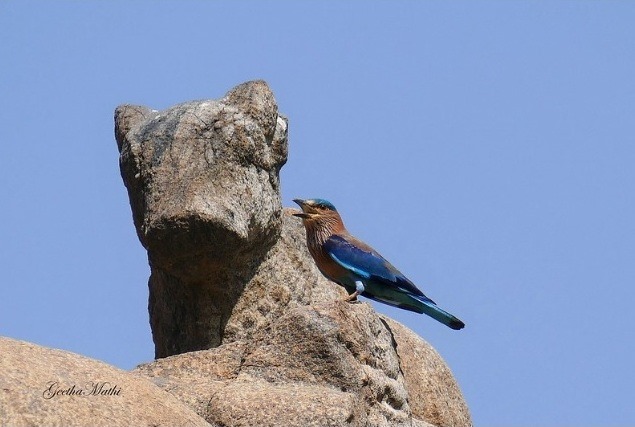
    கீதா மதிவாணன் எடுத்த இந்தப் படத்தை, சாந்தி மாரியப்பன் வல்லமை ஃப்ளிக்கர் குழுமத்திலிருந்து தேர்ந்தெடுத்து வழங்கியுள்ளார். இந்தப் படத்திற்கு ஒரு கவிதை எழுதுங்கள்.

    இந்த ஒளிப்படத்திற்கு ஏற்ற கவிதையை, 24 வரிகளுக்குள் பின்னூட்டமாக இடலாம். ஒருவரே எத்தனை கவிதைகள் வேண்டுமானாலும் எழுதலாம். வரும் ஞாயிற்றுக்கிழமை (23.06.2019) வரை, உங்கள் கவிதைகளை உள்ளிடலாம். அவற்றில் சிறந்த கவிதையை நம் வல்லமை இதழின் ஆசிரியர் குழு உறுப்பினரும் தமிழிலக்கிய ஆராய்ச்சியாளருமான மேகலா இராமமூர்த்தி தேர்வு செய்வார். ஒவ்வொரு வாரமும் சிறந்த கவிஞர் ஒருவர் தேர்ந்தெடுக்கப்படுவார். ஒருவரே பலமுறை பங்கு பெறலாம். இவ்வாய்ப்பு, ஏற்கனவே சிறந்த கவிஞராகத் தேர்ந்தெடுக்கப் பெற்றவர்களுக்கும் உண்டு.

    ஒளிப்படத்திலிருந்து தாக்கமும் தூண்டுதலும் பெற்று எழும் அசல் படைப்புகளை ஊக்குவிப்பதே இதன் நோக்கம். கவிஞர்களையும் கலைஞர்களையும் கண்டறிந்து ஊக்குவிப்பதற்கான அடையாளப் போட்டி இது; வெற்றி பெறுபவர்களுக்குப் பரிசளிப்பு இருக்காது; பாராட்டு மட்டுமே உண்டு. ஆர்வமுள்ளவர்களைப் பங்குபெற அழைக்கிறோம்.

    போட்டியின் நடுவரான திருமதி மேகலா இராமமூர்த்தி புதுச்சேரி மாநிலத்தின் காரைக்காலில் பிறந்தவர். கணிப்பொறி (MCA) மற்றும் தமிழில் (MA) முதுகலைப் பட்டம் பெற்ற இவர், அமெரிக்க தமிழ்ச் சங்கப் பேரவையின் (FeTNA) 2008, 2009, 2014, 2016ஆம் ஆண்டுகளின் (ஆர்லாண்டோ, அட்லாண்டா & மிசௌரி) கவியரங்கம், இலக்கிய வினாடிவினா நிகழ்ச்சிகளில் பங்கேற்றுப் பாராட்டுகளும் பரிசுகளும் பெற்றுள்ளவர். சங்கப் பாடல்களில் அதிக ஆர்வமும், இலக்கியக் கூட்டங்களிலும், பட்டிமன்றங்களிலும் சுவைபடப் பேசுவதில் வல்லமையும் பெற்றவர். இவருடைய வலைப்பூ – மணிமிடை பவளம்

    Share
  • (Peer Reviewed)“I am not a mercenary poet”: The Art of Giving in the Purananuru

    (Peer Reviewed)“I am not a mercenary poet”: The Art of Giving in the Purananuru

    Dr. M. Nazir Ali
    Associate Professor of English (Retired)
    Kanchi Mamunivar Centre for PG Studies
    Puducherry
    Orcid ID: orcid.org/0000-0002-5152-9751

    —————————————————————————————————————

    Abstract

    Giving or eekai has been a much valorised concept in classical Tamil literature and even chieftains have acquired fame much greater than that of the three great kings of ancient Tamilakam precisely because of their acts of giving. On a par with acts of valour, giving has made the giver a legendary figure. Besides, the poets and minstrels and the female entertainers known as viralis depended on this system of giving, a custom honoured by conventions. This paper looks into the intricacies of giving not only by examining the tinai and turais by which it is systematised but goes beyond them because almost every poem of the Purananuru is a praise poem. Instead of the praise becoming songs of sycophancy, the poet’s insistence on being treated with dignity transforms it into a fine art, giving us panegyrics of exemplary intricacy. Though valour and giving are not easily imagined as related acts, the paper attempts to see them as not only historically interdependent, even artistically so.

    Key words: eekai, parisitrurai, parisil katanilai, parisil vitai, paatan, attruppadai

    —————————————————————————————————————

    With the lone exception of the Invocation by Peruntevanar, almost all the poems of the Purananuru are praise poems (Marr 90). The kings and the chieftains and the other unnamed patrons find their valour or generosity and quite often both praised in these poems. The types of valour displayed on and off the battlefield follow a clearly marked system of tinais and turais – themes and situations – that I have discussed in an earlier paper[i]. The act of giving and receiving, on the other hand, has its own turais but it does not have an overarching set of rules and conventions that valour has. This want of rigidity, rather than impoverishing it, has supplied it with innumerable instances of individual giving, worthy enough to make them the stuff of legends and poetry, much more memorable than any act of bravery that the Purananuru has.

    Let me briefly cover the various tinai and turais of giving, a term I prefer to the more ponderous charity, as apt translation of eekai. The paatan tinai covers most praise poems, whether it is praise for a king’s bravery or generosity. Understandably it has the largest collection of poems. The various acts of giving and receiving come under these turais: parisitrurai, parisil vitai, parisil katanilai, paanatruppadai, pulavaratruppadai and viraliyatruppadai. Parisitrurai speaks of the king’s largesse and bards representing their needs to the patron. And it also includes reservations about accepting a gift given by a patron without knowledge of their true worth, a fact attesting to the dignity of the poets. Parisil vitai is sending off the poet laden with gifts, parisil katanilai solicits bounty from a king who keeps delaying his favour. The last three atruppadais are poems giving directions to the minstrel, poet and the danseuse respectively whose abject poverty and also itinerant lifestyle made them go in search of a patron (Marr 468-69).

    Normally referred to as eekai (giving), this attribute is valorised as kodai (munificence) and the one who displays is a vallal or a great giver. Apart from the three great kings of ancient Tamilakam, the muventar, there were also great chieftains whose fame quite often rivalled that of the kings and which proved to be a source of jealousy and war. Perunchitiranar, after listing the seven great chieftains renowned for their giving, observes that his patron Kumanan alone could fill in the void left by their deaths.

    There was Pari, the chieftain who fought his combats with kings
    while their sticks beat down on the royal drums and spotless
    bright conches were sounded, the lord of Parampu where a white fall
    of water rolling stones in its flow thunders down a tall mountain,
    and there was Ori with his powerful bow who ruled Kolli’s shining summit
    and Malaiyan, mighty in war, who was as generous as a rain cloud
    and who won his victories in battle astride his stallion Kari
    and Elini, who reigned astride his Stallion Mountain
    wearing his chaplet of kuvilam and his curving necklace, with his sharp spear,
    and there was Pekan, who ruled over a great mountain with towering summits
    watched over by an unassailable god, on its cold slopes caves full of darkness,
    and there was Ay, whom Moci, whose words are truth, has sung,
    and there was Nalli, who made his enemies flee from him, whose generosity
    was truly noble, who took it upon himself to utterly remove the poverty
    of those who came to him with desire – these seven dead,
    thinking of you now I have come here swiftly … . (158) (Hart 99-100) (My italics)*

    Tinai: Paatan   Turai: Parisil katanilai

    This poem is remarkable not only as a chronicle of the Classical Age, but also for marrying the heroism of the rulers with their generosity. The historical reason for the combination of these disparate traits might be that the conquests in the battle provided the winner with a surplus of goods because of the “Winner takes it all” policy and the spoils later got distributed to those close to them. However, there is an inherent impulse to give which transcends this material reason about which we will see later.

    The profession of composing poetry, the necessary erudition and observation it required, left little time for the poets to engage in any other occupation so that a professional poet like Kapilar could say, explaining the reason for the softness of his hand compared to the battle-hardened hands of his patron, the Cera King Valiyatan:

    You stand on your chariot
    and draw an arrow
    from the quiver on your back
    and fit it to the bowstring
    with your callused fingers.
    Your hands give gifts
    without cease to the prize winners.
    So Chief, your hands are big and powerful.
    But the hands of the one
    who sings your praises
    know only the painful skill
    of holding the staff which smells of meat,
    kindling the smoke that smells like incense
    and eating rice cooked with meat and fat
    but have no other skill – all
    of which make them soft. (Ali 14)

    Tinai: Paatan    Turai: Iyanmoli)

    One can see how Kapilar is able to harmonize the valour of his patron with his generosity as both acts contribute to the calluses in his hands. The profession of being a poet made them depend on a patron even for their daily needs, because, included in the list of objects given as prize, the reader very often finds food and beverages:

    Liquor flowed freely
    from the opened jar.
    With the slaughter of a he-goat
    there was a feast of rice and mutton.(113) (Ali 293)
    (Kapilar on Pari’s Parampu Hills)
    Tinai: Potuviyal   Turai: Kaiyarunilai

    Also, the first need of the travel-weary, itinerant poet who passed through tough terrains and harsh climates was food before he reached the safe portals of his patron. Some of the poems of Perunchitiranar present touching pictures of unimaginable poverty and hunger not necessarily overdone to evoke pity because the graphic details could not be altogether imagined:

    My mother is old. Over and over she complains about how many years
    have passed and she is still alive and her life will not end. Hobbling
    with so many small steps, a stick for an extra leg, her hair like
    spread spring, her eyesight gone, she cannot even walk to the verandah.
    And my love wears her one meagre, filthy garment and she is
    hungry and as she thinks of how things stand with her, she grieves.
    Her body is faded, her breasts withered as the many children moving
    beside her squeeze them and suck at them. In despair she plucks a young,
    half-grown shoot sprouting on a kirai plant on a garbage heap that others
    have picked near clean and she throws it into a pot without any salt
    and sets on the fire. She does not even remember when she ever
    had rice and without any buttermilk she eats the green leaves
    and complains about the Order of the World. (159) (Hart 100-01)

    (Perunchitiranar pleading with Kumanan)

    Tinai: Paatan   Turai: Parisil katanilai

    This also explains the extreme importance attached to food which in turn leads to the valorisation of farming and irrigation:

    Mighty king, who give food, give life itself,
    as the body, without water, cannot be.
    It is the food that makes up this mortal coil.
    And food comes from the union of land and water.
    Who bring water to the land
    are those who create the body and the soul. (18) (My translation)

    Poet: Kuta Pulaviyanar    Tinai: Potuviyal  Turai: MutuMoli Kanchi

    Whether the patrons really understood the historical and literary valuations in their extension of patronage to the poets is unclear. But they really valued the friendship with the poets is evident from this poem of Pandyan Neduncheliyan, winner of the famed battle fought at Talayalankanam. Here the king could be seen taking an oath to destroy his enemies and the consequences of failing to do so:

                                                                               And the poets
    praised for their great skill, Mankuti Marutan with his vast and lofty
    range of learning as well as all the others as firmly established
    as the earth, let them leave my land and sing no more about it! (72) (Hart 56)

    Tinai: Kanchi    Turai: Vanchinak kanchi

    The king not only forgoes the valued friendship of Mankuti Marutan but considers himself all the poorer for not being able to help others. This friendship with the poets manifests itself in extreme acts of giving as seen in these two poems, one by Avvaiyar and the other one by Peruntalai Saathanar. Many of Avvaiyar’s poems are on her patron and long-term friend Atiyaman Neduman Anci, ruler of Takadur (present day Dharmapuri), a friendship which is as much cherished as the one between Kapilar and Vel Pari.

    Without considering how difficult it is to obtain the sweet fruit
    of the myrobalan plant with its tiny leaves, which has to be plucked
    from a crevice on the summit of an ancient mountain hard to climb,
    you kept silence in your heart about its powers,
    and so that you might rescue me from death, you gave me that fruit! (91) (Hart 65)

    Tinai: Paatan   Turai: Valtiyal

    What Atiyaman had done was to give the life-enhancing nelli fruit to Avvaiyar, obtained after great effort, without disclosing its real worth to her. She was touched by this selfless act and the poem is her way of immortalising him. Peruntalai Saathanar, in the extremity of his poverty, approached his patron Kumanan who now lived in exile in the forest after his younger brother Ilankumanan dethroned him and also announced a reward on his brother’s head. More than the loss of his kingdom, what troubled Kumanan was his inability to help the poet in his hour of need and so he made a remarkable offer:

    “I can’t bear being so weak! When I see a great being in need, for him
    to go away without anything would be worse than losing my land!”
    So he handed me his and he offered me his head for there was nothing
    better for him to give me than himself! (165) (Hart 107)

    Tinai: Paatan   Turai: Parisil vitai

    Since then, these great acts of giving have become the stuff of legends and folklore. The legend has it that Ilankumanan became ashamed of his betrayal and restored the kingdom to his brother. The offer of oneself to alleviate the suffering of the poet is further reinforced in this poem of Kapilar praising Pari:

    Even if the singers
    come begging for his own person
    Pari, righteous soul,
    will not say ‘no’.
    He will give himself to them. (108) (Thangappa 147)

    Tinai: Paatan   Turai: Iyanmoli

    Sometimes the impulse to give seems to exceed all bounds of propriety, getting extended to the plants and birds too as it had happened in the case of Vel Pari and Vaiyavik Kopperum Pekan respectively. Pari was credited with the gift of his chariot as support to a jasmine climber as Kapilar states in a poem:

    These are the daughters of that Pari
    whose lofty virtues were known far and wide, who gave a tall chariot
    with sonorous bells, saying, “Take it!” to a jasmine vine adorned
    with flowers, so that it might climb, though the vine had never
    put scars on its tongue through singing that king’s praises! (200) (Hart 126)

    Tinai: Paatan   Turai: Parisittrurai

    Pari’s daughters were introduced to Vichiko through the act of kindness their father had shown to the jasmine vine, indication that even in Kapilar’s time it must have acquired legendary proportions. Paranar made the gift of a shawl to a shivering peacock by his patron Pekan known to the world by making it the stuff of a poem:

    Our king, Pekan, who has horses, who has elephants
    flowing with musth, once gave a garment to a peacock
    in the rain, though he knows they don’t wear clothes!
    Because he feels the poverty of others, because it is
    a virtue to give what one can, he is generous
    and not at all for the sake of a better birth in his next life! (141) (Hart 89-90)

    Tinai: Paatan   Turai: Paanatruppadai

    These extreme acts of kindness and generosity, which have now become textbook examples of Tamils’ culture of giving, may appear at first as simple-minded acts of misplaced generosity, if not downright foolish. One would like to construe them, however, as ecocritically sensitive acts spawned by a culture which fostered biodiversity as well as bioequality and which led to the creation of a whole body of Akam Poetry whose logic of tinai embraced all landscapes, seasons, animals and plants.[ii]

    If the kings and chiefs were by and large quite swift to come to the succour of the poets in need, there were a few who were a little bit tardy in rewarding them and which gave birth to a separate turai of eekai poems known as parisil katanilai:

    He welcomes us still
    as on the first of days,
    though we go there
    not just one day,
    or two days,
    but many days
    with many friends,
    does Atiyaman Anci
    of the jewelled elephant
    and the artful chariot.
    Whether the time for gifts
    comes right now
    or is put off for later,
    it’s like fodder
    left in reserve
    on the elephant’s tusk,
    always there
    at hand, waiting;
    it won’t become a lie.
    O wishful heart,
    do not scramble for it.
    Bless him,
    his works. (101) (Ramanujan 139)

    Poet: Avvaiyar Tinai: Paatan   Turai: Parisil katanilai

    Parisittrurai, though supposed to be a representation of poets to their patron on what they wanted, also has poems on how they wanted it given. It includes musings on the act of giving, a reminder to the king on the dignity that must go with giving and how in the wide world there is no dearth of patrons to the deserving poet. In brief, it inscribes the whole ideology of giving:

    It is disgraceful to beg.
    It is even more disgraceful
    not to give.
    It is ennobling to give.
    It is even more ennobling
    not to accept (204) (Thangappa 170)

    Tinai: Paatan   Turai: Parisittrurai
    (Kalaithin Yanaiyar on Valvil Ori)

    The poem goes on to compare the generous patron to a small pool of drinking water to which all come and the miser, though has wealth like the ocean, never attracts the needy. Perunchitiranar grew indignant at Atiyaman Anci when he sent him away with a gift without even seeing him. The poet insists on being treated with dignity:

    I am no money grabber[iii]
    to accept these riches
    given with indifference.
    I will accept with pleasure
    however small a gift is,
    if given with love
    and after due recognition. (208) (Thangappa 172)

    Tinai: Paatan   Turai: Parisitrurai

    Here is a poem by Avvaiyar written in anger against her patron Atiyaman Anci for the delay in giving her the gift:

    This is no empty world and all the wise
    and famous men are not dead. …
    Whether we go this way or whether we go that way, we will have rice![iv] (206) (Hart 130)

    Tinai: Paatan   Turai: Parisittrurai

    On occasions the patron treated all poets alike, a want of discernment which invited a mild rebuke from the poet as Kapilar does in this one:

    Thinking of the one in one direction
    many will come to get gifts
    from all the four.
    To know their ranks is difficult,
    giving gifts to them is all too easy.
    O mighty chief,
    if you are quite discerning
    do avoid treating all poets alike. (121) (Ali 302)

    Tinai: Potuviyal   Turai: Porun moli kanchi
    (Kapilar advising Malyaman Tirumudik Kari)

    On certain other occasions, the poet felt the need to remind his patron of life after death and how giving outlasted death:

    Even the rulers of countries go to the burning ground …
    And that day will come when you must go there as well,
    but your bad reputation will remain, and your good reputation. (359) (Hart 203)

    Poet: Kavitanar sings Antuvankiran. Tinai: Kanchi   Turai: Perunkanchi

    The poet goes on to counsel the king that giving horses and tuskers and chariots will ensure “your fame will remain here, shining and enduring.” (Hart 203) There were however patrons who preferred anonymity in giving, which made their giving all more remarkable. This poem by Vann Paranar praises Kandeerak Kopperu Nalli, one among the seven great givers, for his stubborn insistence on not disclosing his identity. He fed the poet and his starving relations with venison, gave the poet his necklace of pearls and an armlet:

    Then I asked, “What is your country?”
    but he would not tell me his country. When I asked him, “What
    is your name?” he would not tell me his name! (150) (Hart 94)

    Tinai: Paatan   Turai: Iyanmoli

    Only after asking others, the poet learnt that he was Nalli, the chief of Thotti Hills.

    Some of the patrons stunned the poets by giving gifts which far exceeded their expectations, a turai known as parisil vitai, which meant “sending off with gifts.” As if appearing to make fun of the overblown generosity of Nanjil Valluvan, Avvaiyar compliments him because all that she asked of him was only “a little bit of rice” but he had given her “a giant elephant like a hill.”

    Can one so much as imagine
    a more lopsided gesture of liberality?
    Don’t great men when they are generous show any proportion? (140) (Hart 89)

    Tinai: Paatan   Turai: Parisil vitai

    The poets, bards and other entertainers recognised themselves as belonging to a community of composers and singers and helped each other out in times of need, by directing the needy to a patron whose generosity they could rely on. These poems together form a considerable body known as “attruppadai poems” which meant “setting (the needy) in the right course.” This close-knittedness among the poets – for instance Kapilar is praised by numerous other poets – makes the idea of the existence of an academy of poets (Sangam) not a far-fetched one.

    The gratitude felt by the poets sublimated itself into innovative ways of praise. Kapilar’s very brief poem on Vel Pari comparing him to rain has become a classic in itself:

    “Pari, Pari,”
    -So go the varied praises
    of poets with fertile tongues.
    There is not only Pari
    but also rain
    to sustain this world. (107) (Ali 288)

    Tinai: Paatan   Turai: Iyanmoli 

    It will be observed that in the monsoon-dependent landscape of Tamil Nadu, the rains are vital and giving comes steeped in recurrent images of rain. The poet Mutamociyar asks, wondering at the generosity of his patron in giving elephants as prizes, “O Aai, /do the cow elephants in your land/ give birth to ten calves at a time?” (130)(Thangappa 152) There is also the image of the warrior king whose body bore multiple scars of battle and he is compared to a medicinal tree whose bark has been stripped for use in curing (180), a syncretic image of valour and giving. 

    * The number immediately after the quoted text is the number of the poem in the source text followed by pagination in the target text. The colophon gives the context where necessary. 

    —————————————————————————————————————

    Works Cited

    Ali, Nazir M. Trans. & Ed. (2016) There is also Rain: Collected Poems of Kapilar. New Delhi: Authorspress,. Print.

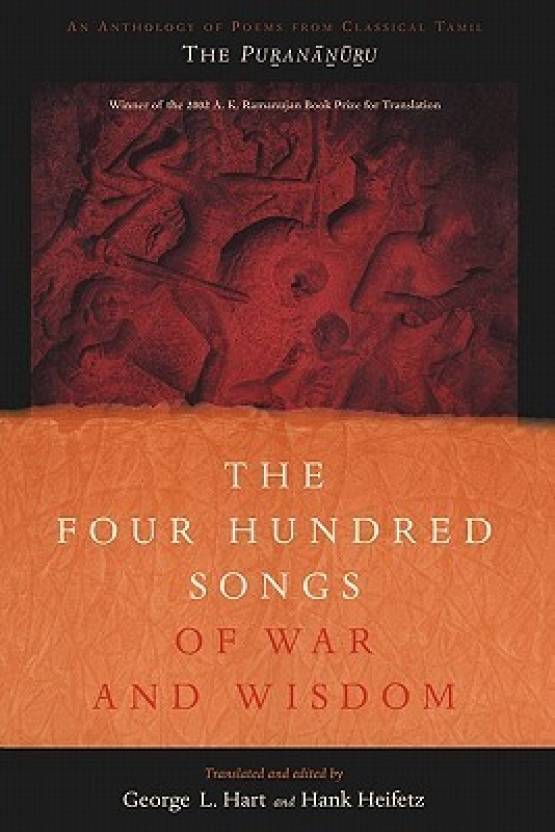
    Hart, George and Heifetz, Hank. Trans. & ED. (1999) The Four Hundred Songs of War and Wisdom. New York: Columbia University Press,. Print.

    Marr, John Ralston. (1985) The Eight Anthologies: A Study in Early Tamil Literature. Madras: Institue of Asian Studies,. Print.

    Ramanujan, A.K. (1999) Trans. Poems of Love and War. New Delhi: OUP,. Rpt.2013. Print.

    Thangappa, M. L.( 2010) Trans. Love Stands Alone: Selections from Tamil Sangam Poetry. New Delhi: Penguin, Print.

    Endnotes

    [i]  Refer “The Purananuru and the Tamil Concept of Valour”

    [ii] Refer “The Logic of Tinai in Akam Poetry”

    [iii] Marr translates it beautifully “I am no mercenary poet,” (188) to which my title is indebted. The source text reads like this: “Kanaatu eetha ip porutku yanor/vanikap parisilan illane”

    [iv] The condensation that Avvaiyar achieves is not even remotely attained by this translation: “Etthisai chelinum atthisai chore”

    —————————————————————————————————————

    Peer Review:

    The article entitled “I am not a mercenary poet”: The Art of Giving in the Purananuru by Dr. M. Nazir Ali, analyses extensively the eekai (charity) thurais in Purananuru such as parisitrurai, parisil katanilai, parisil vitai, paatan, and attruppadai.

    Western scholars Dr. George Hart, Dr. Ralston Marr, and Indian scholars Thangappa, A. K. Ramanujan and the author Dr. Ali’s English Translations on Purananuru are used appropriately in this article. The verses chosen for this article are magnificent, especially those written by Perunchitiranar and Peruntalai Saathanar pleading with Kumanan are soul-stirring.

    As far as poet Perunchitiranar is concerned, despite his penurious state, he refused the meager offering bestowed on him by king Ilaveliman. This poet is also praised for his feminist notions, who treated his wife with equity.

    There are no novel views regarding the verses, however, the explanations given by the author are lucid and clear-cut. In addition to this article, he has published the translation of the Ainkurunuru titled Classical Tamil Love Poetry and the collected poems of Kapilar as There is also rain. It shows his huge interest and fondness for Tamil literature which is a commendable deed indeed!

    —————————————————————————————————————
    Share
  • பள்ளிக் கல்வித் துறையின் அங்கீகாரமின்றிச் செயல்படும் 331 பள்ளிகள்

    பள்ளிக் கல்வித் துறையின் அங்கீகாரமின்றிச் செயல்படும் 331 பள்ளிகள்

    சென்னையில் பள்ளிக் கல்வித் துறையின் தடையின்மைச் சான்று மற்றும் அங்கீகாரமின்றிச் செயல்படும் 331 பள்ளிகளின் பட்டியல் இங்கே:

    Chennai – non recognised schools

    Share
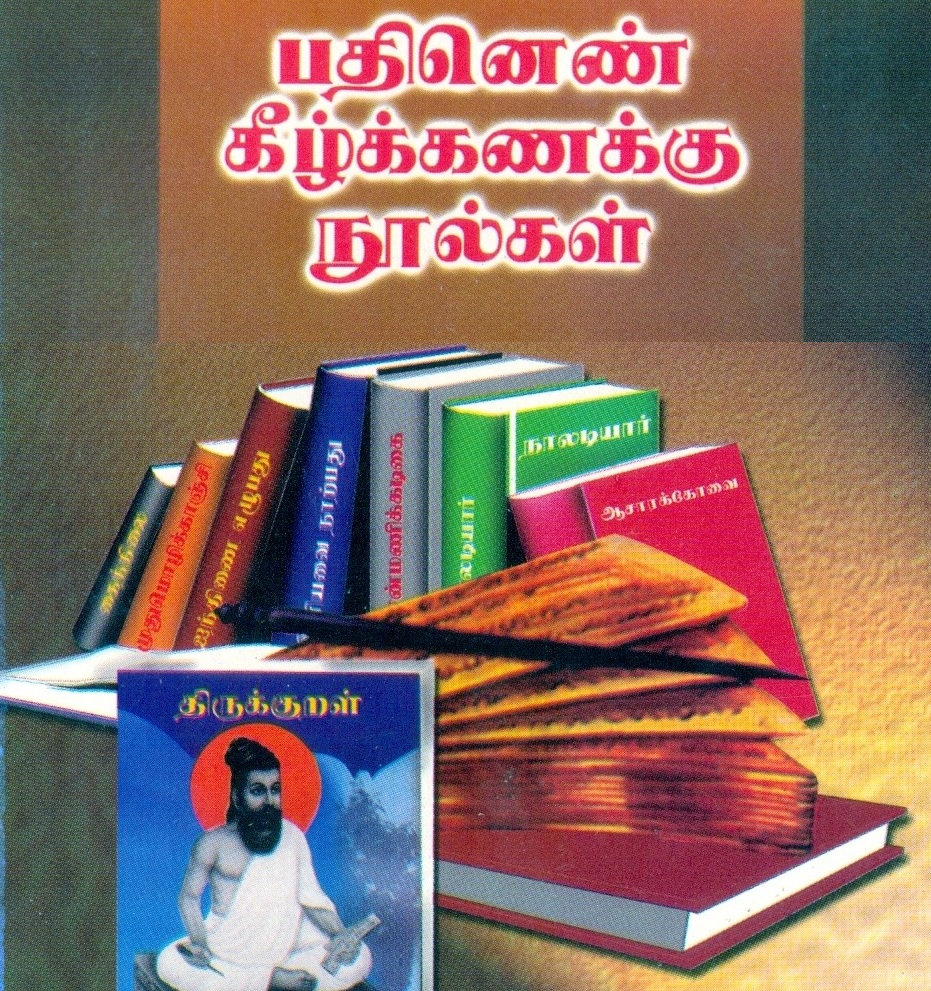
  • (Peer Reviewed) பதினெண்கீழ்க்கணக்கு நூல்களில் “நகை” என்னும் மெய்ப்பாடு

    (Peer Reviewed) பதினெண்கீழ்க்கணக்கு நூல்களில் “நகை” என்னும் மெய்ப்பாடு

    ஷா. முஹம்மது அஸ்ரின்,
    முதுகலைத் தமிழ் இரண்டாம் ஆண்டு,
    ஜமால் முகமது கல்லூரி,
    திருச்சி-620020.

    பதினெண்கீழ்க்கணக்கு நூல்களில் “நகை” என்னும் மெய்ப்பாடு

    சங்க காலத்தில் தோன்றிய எட்டுத்தொகை நூல்களையும் பத்துப்பாட்டு நூல்களையும் “பதினெண் மேற்கணக்கு நூல்கள்” என அழைத்தனர். இவை காதலையும் வீரத்தையும் மட்டுமே எடுத்தியம்பின. மக்களுக்கு அறத்தையும் அறம் தவறுவதால் ஏற்படும் விளைவுகளையும் வலியுறுத்த எழுந்த 18 நூல்களைப் “பதினெண் கீழ்க்கணக்கு நூல்கள்” என வழங்கினர். இதனை

    “நாலடி நான்மணி நானாற் பதைந்திணைமுப்
    பால்கடுகம் கோவை பழமொழி மாமூலம்
    இன்னிலைய காஞ்சியோ டேலாதி என்பவே
    கைந்நிலைய வாம்கீழ்க் கணக்கு” 1

    என்ற வாய்மொழிப் பாடல் வழியாக அறிய முடிகிறது.

    மெய்ப்பாடு:

    ’மெய்ப்பாடு’ என்னும் சொல்லுக்குப் ’பொருட்பாடு’, ’வெளிப்பாடு’, ’புலப்பாடு’ எனப் பல விளக்கங்கள் வழங்கப்படுகின்றன. மெய்ப்பாடு என்பது “உள்ளத்தில் உள்ள மகிழ்ச்சி, சோகம் போன்ற உணர்ச்சிகளின் உடல் வழியான வெளிப்பாடு” 2 . எனவே, மெய்ப்பாடு என்றால் உடலால் வெளிப்படுத்தும் உள்ளத்து உணர்ச்சிகள் என்பது தெளிவாகிறது. இதனை,

    ”நகையே அழுகை இளிவரல் மருட்கை
    அச்சம் பெருமிதம் வெகுளி உவகையென்று
    அப்பா லெட்டாம் மெய்ப்பா டென்ப”

    – (தொல்காப்பியம். 1194)

    என்ற தொல்காப்பிய நூற்பா தெளிவாக உணர்த்துகிறது.

    நகை:

    ’நகை’ என்னும் சொல்லுக்கு ‘சிரிப்பு’, ‘இகழ்ச்சி’, ’இன்பம்’ எனப் பல பொருள்களை அகராதி 3 தருகிறது. ’நகை’ என்பது ’இகழ்ச்சியிற் பிறப்பது’ என இளம்பூரணர் உரையில் காணப்படுகிறது. பதினெண் கீழ்க்கணக்கு நூல்களுள் ஒன்றான சிறுபஞ்சமூலத்தில்,

    ”கல்லாதான் தான் காணும் நுட்பமும், காது இரண்டும்
    இல்லாதாள் ஏக்கழுத்தும் செய்தலும், இல்லாதான்
    ஒல்லாப் பொருள் இலார்க்கு ஈத்து அறியான் என்றலும்,
    நல்லார்கள் கேட்பின் நகை.”

    – (சிறுபஞ்சமூலம். 04)

    என்ற பாடல் கல்லாதவனின் அறிவும் காதுகளை இழந்தவனின் அழகும் தேவையற்ற பொருளை பிறருக்கு வழங்கும் குணமும் நல்லவர்களுக்கு சிரிப்பை உண்டாக்கும் என்கிறது. மேலும், நாணமில்லாதவனின் அமைதி, நன்னடையில்லாதவனின் நோன்பு, உண்பொருளில்லாதவனின் ஈகை, வலியில்லாதவனின் வீரம், தமிழ் தேர்ச்சியற்றவனின் கவி ஆகியனவும் நகைக்கு இடமாகும் என்பதனை இவ்வாறு எடுத்துரைக்கிறது.

    “நாண் இலான் சால்பும், நடை இலான் நல் நோன்பும்,
    ஊண் இலான் செய்யும் உதாரமும், ஏண் இலான்
    சேவகமும், செந்தமிழ் தேற்றான் கவு செயலும்,
    நாவகம் மேய் நாடின் நகை.”

    – (சிறுபஞ்சமூலம். 11)

    செல்வர்களும் நல்லவர்களும் தங்களது பணத்தாலும் குணத்தாலும்
    நகைக்காமல் வாழ வேண்டும் என்பதை,

    “…………… ……. ………. பல் பொருளால் பல்லார்
    நகை கெட வாழ்வதும், நன்று.”

    – (சிறுபஞ்சமூலம். 15 அடி. 3-4)

    எனப் பேசுகிறது.

    கல்லாதவரும் கற்றவர் கூட்டத்தைச் சேராதவரும் நகைக்கத்தக்கவர்கள் என
    சிறுபஞ்சமூலம் எடுத்தியம்புகிறது.

    ”கல்லார், கற்றார் இனத்தார் அல்லார், பெறுபவே,
    நல்லார் இனத்து நகை.”

    – (சிறுபஞ்சமூலம். 55 அடி. 3-4)

    ஒருவன் இல்லாத நேரத்தில் அவனை இகழ்வதும் விளையாட்டின் போது
    ஒருவனை இகழ்வதும் தீமையை உண்டாக்கும் என்பதை,

    “அறன்அழீஇ அல்லவை செய்தலின் தீதே
    புறன்அழீஇப் பொய்த்து நகை.”

    – (திருக்குறள். 182)

    “நகைஉள்ளும் இன்னாது இகழ்ச்சி …………”

    – (திருக்குறள். 995)

    போன்ற குறட்பா வாயிலாகத் திருவள்ளுவர் குறிப்பிட்டுள்ளார். சமண முனிவர்களால்
    இயற்றப்பட்ட “நாலடி நானூறு” பொது மகளிரால் ஏழ்மை நிலையை அடையும்
    செல்வந்தர் நகைக்கத்தக்கவர் எனக் கூறுகிறது. இக்கருத்து செல்வந்தனாக இருந்த
    கோவலன், மாதவிபால் காமம் கொண்டு அனைத்தையும் இழந்த கதையை மையமாகக்
    கொண்டுள்ளது.

    “ஆமாபோல் நக்கி, அவர் கைப்பொருள் கொண்டு
    சேமாப்போல் குப்புறூஉம் சில்லைக்கண் அன்பினை
    ஏமாந்து, எமது என்று இருந்தார் பெறுபவே,
    தாமாம் பலரால் நகை.”

    – (நாலடியார். 377)

    பிறரால் மணமுவந்து கொடுக்கப்படாத பொருளைப் பெற்று வாழ்பவன்
    இகழ்ச்சிக்குரியவன் என்பதை,

    “…………………… ……………. ……………. ……………..; தெற்ற
    நகை ஆகும், நண்ணார்முன் சேறல்; ….. ……”

    – (நான்மணிக்கடிகை. 60)

    என்று குறுப்பிடுகிறது. மேலும் பிறரது திறனை அறியாது அவரை இகழ்ந்து பேசும்
    மக்கள் நகைத்தக்கவர்கள் என்பதை,

    “மானமும் நாணும் அறியார், மதி மயங்கி,
    ஞானம் அறிவார் இடைப்புக்கு, தாம் இருந்து,
    ஞானம் வினாஅய் உரைக்கின், நகை ஆகும்.”

    – (பழமொழி. 298)

    என பதினெண்கீழ்க்கணக்கு நூல்கள், நகை என்னும் மெய்ப்பாட்டைப் பல பாடல்கள்
    வழியாக வளக்குகின்றன.

    நகையின் நிலைகள்:

    நகை என்னும் மெய்ப்பாடு தனது பொருளைக் கொண்டு நான்கு நிலைகளில்
    தோன்றுமென்பதை,

    “எள்ளல் இளமை பேதைமை மடனென்று
    உள்ளப் பட்ட நகைநான் கென்ப.”

    – (தொல். 1195)

    என்ற தொல்காப்பிய நூற்பா, நகை என்னும் மெய்ப்பாடு தோன்றும் நிலைகளை
    விளக்குகிறது.

    1. எள்ளல்:

    ’எள்ளல்’ என்னும் சொல்லுக்கு ’இகழ்ச்சி’, ‘நிந்தை செய்தல்’, ‘நகைத்தல்’ என பல
    பொருள்களைக் ”கழகத் தமிழ் அகராதி” தருகிறது. இதற்கு ‘ஒருவனுடைய
    முட்டாள்தனத்தைப் பிறர் சிரிக்கும்படியாக சுட்டிக்காட்டும் பரிகாசமும் கேலியும்’ எனப் பொருள் கொள்ளலாம்.

    மேலும், எள்ளல் என்பதற்குப் “பழிச்சொல்” என்ற பொருளைத் திருவள்ளுவர்,

    “எள்ளாமை வேண்டுவான் என்பான் எனைத்துஒன்றும்
    கள்ளாமை காக்கதன் நெஞ்சு.”

    – (திருக்குறள். 281)

    என்ற குறளில் பிறரின் பொருளைக் கவரும் எண்ணமில்லாதவன் பழிச்சொல் கேட்காமல் வாழ்வான் எனக் குறிப்பிடுகிறார்.

    2. இளமை:

    ’இளமை’ என்னும் சொல்லுக்குச் ’சிறுபருவம்’, ‘அறிவின்மை’, ‘முதிராமை’ எனப் பல பொருள்களைக் ”கழகத் தமிழ் அகராதி” தருகிறது. இதற்கு ’உடல் பலமும் தோற்றக் கவர்ச்சியும் பெற்ற முதிராத அறிவையுடைய பருவம்’ எனப் பொருள் கொள்ளலாம். இதனை,

    ”இழுக்கல் இயல்பிற்று இளமை;”

    – (திரிகடுகம். 14)

    என இளமைப் பருவமானது நகைத்தலுக்குரிய பருவமென்பதை உணர்த்துகிறது.

    3. பேதைமை:

    ’பேதைமை’ என்னும் சொல்லுக்கு ’அறிவின்மை’, ‘மடமை’ எனப் பல பொருள்களைக் ”கழகத் தமிழ் அகராதி” தருகிறது. இதற்கு ’எந்த ஒரு செயலையும் பகுத்தறியத் தெரியாத தன்மை’ என்று பொருள் கொள்ளலாம். பேதைமையை திருவள்ளுவர் பின்வருமாறு விளக்கியுள்ளார்,

    “பேதைமை என்பதுஒன்று யாதெனின் ஏதம்கொண்டு
    ஊதியம் போக விடல்”

    – (திருக்குறள். 831)

    பேதையாக விளங்கும் ஒருவனுக்கு அவனது செயலால் பிறரால் இகழப்பட்டு துன்பமடைவான் என்பதை,

    ”பிறன் மனையாள் பின் நோக்கும் பேதைமை இன்னா;”

    – (இன்னா நாற்பது. 38)

    என்ற பாடல் வழியாக விளக்குகிறது.

    4. மடன்:

    ’மடன்’ என்னும் சொல்லுக்கு ’அறிவிலான்’ என்ற பொருளையே ”கழகத் தமிழ் அகராதி” தருகிறது. மேலும் சில அகராதிகள் ’மடமை’ என்றும் பொருள் தருகின்றன. பதினெண்கீழ்க்கணக்கு நூல்களுள் மருத்துவ நூலாக விளங்கும் சிறுபஞ்சமூலத்தில் ‘அடக்கம்’ என்னும் பொருளில் ‘மடன்’ என்ற சொல் இடம்பெற்றுள்ளது.

    “மக்கள் பெறுதல், மடன் உடைமை, மாது உடைமை,
    ஒக்க உடன் உறைதல், ஊண் அமைவ-தொக்க
    அலவலை அல்லாமை பெண் மகளிர்க்கு-ஐந்தும்
    தலைமகனைத் தாழ்க்கும் மருந்து.”

    – (சிறுபஞ்சமூலம். 52)

    என்ற பாடல் பெண்களுக்குரிய ஐந்து குணங்களுள் மடன் (அடக்கம்) இடம்பெறுகின்றது. இக்குணங்களுள் ஒன்று கெடுமானால், அவளது கணவனே அவளை இகழ்வான் எனக் குறிப்பிடுகிறது.

    முடிவுரை:

    மனிதனின் உணர்ச்சிகளை வெளிப்படுத்தும் எட்டு வகை மெய்ப்பாடுகளுள் “நகை” என்னும் மெய்ப்பாட்டை நான்கு நிலைகளாகப் பிரித்து முழுமையாக கிடைக்கப்பெற்ற முதல் இலக்கண நூலான தொல்காப்பியம் கூறிய பல செய்திகள், பதினெண் கீழ்க்கணக்கு நூல்களில் பல பாடல்களில் இடம்பெற்று உணர்வுகளை வெளிப்படுத்துவதை தெளிவாக அறிய முடிகிறது.

    அடிக்குறிப்புகள்:

    1. பக்கம் 5, ந.மு. வேங்கடசாமி நாட்டார் முகவுரை, சங்க இலக்கியம்,
    பதினெண்கீழ்க்கணக்கு, நானாற்பது உரையுடன், சைவ சித்தாந்த நூற்பதிப்புக் கழக வெளியீடு, 1962.
    2. Tamil Oxford Living Dictionary
    3. தற்கால தமிழ்ச்சொல்லகராதி, திவான் பஹதூர் ச. பவானந்தம்பிள்ளை,
    மாக்மில்லன் & கம்பெனி லிமிடெட், சென்னை.

    பயன்பட்ட நூல்கள்:

    1. தொல்காப்பியம் தெளிவுரையுடன், புலியூர்க் கேசிகன், அருணா பப்ளிகேஷன்ஸ்.
    2, பதினெண் கீழ்க்கணக்கு நூல்கள், ச. வே. சுப்பிரமணியன், மெய்யப்பன் பதிப்பகம், சிதம்பரம்.

    =====================================================================

    ஆய்வறிஞர் கருத்துரை (Peer Review):

    சங்க இலக்கிய நூற்றொகுதிக்கு அடுத்துப் பெரும்தொகுதியாக இருப்பது பதினெண்கீழ்க்கணக்கு நூல்களாகும். இப்பதினெண்கீழ்க்கணக்கு நூல்களில் இடம்பெற்றுள்ள மெய்ப்பாடுகளைத் தொல்காப்பிய இலக்கணத்தோடு இணைத்துப் பேச முயல்கின்றது இக்கட்டுரை. குறிப்பாக எண்வகை மெய்ப்பாடுகளை அறிமுகப்படுத்தி, நகை என்னும் மெய்ப்பாட்டின் நான்கு நிலைகளும் பதினெண்கீழ்க்கணக்கு நூல்களில் இடம்பெறுவதைச் சில சான்றுகளோடு கட்டுரையாளர் பொருத்திக் காட்டுகின்றார். ஆய்வுக் கட்டுரை நிலையில் இக்கட்டுரை அமையாவிட்டாலும், கட்டுரையாளரின் முயற்சியைக் கருத்திற்கொண்டு இதனை இலக்கியக் கட்டுரையாக வெளியிடுகிறோம்.

    =====================================================================

    Share