Category: English

  • (Peer Reviewed) கவிதைக் கட்டுமானத்தில் யாப்பின் ஆளுமை

    (Peer Reviewed) கவிதைக் கட்டுமானத்தில் யாப்பின் ஆளுமை

    புலவர் முனைவர் கோ.சுந்தராம்பாள் 
    உதவிப்பேராசிரியர், தமிழ்த்துறை 
    பான் செக்கர்ஸ் மகளிர் கல்லூரி, 
    விளார் புறவழிச்சாலை, 
    தஞ்சை மாவட்டம் – 613006. 
    மின்னஞ்சல் முகவரி –  egowrisss@gmail.com

    முன்னுரை

    தமிழிலக்கியப் பெரும்பரப்பு கவிதைகளுக்குரியது. இருபதாம் நூற்றாண்டின் இறக்குமதிக் கவிதை வடிவமான ‘புதுக்கவிதை’ தன்னை நிலைநிறுத்திக் கொள்ள பட்டபாடு பெரும்பாடு. இந்தப் பாட்டிற்குப் பண்டிதர்கள் காரணம் என்பது சரியன்று. கவிதை பற்றிய புரிதல் தெளிவாக அமையாமற் போனதே காரணம். கவிதையை யாப்பை வைத்து அளந்ததனால் ஒரு வகை குழப்பமே நிலவியது. அது இன்றைக்கும் தொடர்வதாகவே தோன்றுகிறது. ‘யாப்பில்லாமல் போனால் அது புதுக்கவிதை’ என்னும் அளவிற்கு அதன் வடிவம் வரையறைக்குள்ளானது. அதனின்றும் வேறுபடுத்திக் காட்ட யாப்பு உள்ளவையெல்லாம் மரபுக் கவிதையானது. இதனால் ‘கவிதை என்ன ஆனது? என்பது பற்றி யாரும் கவலைப்பட்டதாகத் தெரியவில்லை.  சங்கக் காலம் முதல் இன்றுவரை “யாப்பென்னும் தமிழ்க்கவிதையின் கட்டுமான மூலம் தமிழக்கவிதைகளைத் தனது செல்வாக்கோடு கூடிய அரவணைப்பிலேயே வைத்துக் கொண்டிருக்கிறது” என்னும் ஒருவரிக் கருதுகோளை முன்வைத்து இக்கட்டுரை அமைகிறது.

    கட்டுரைப் பரிமாணம்

    ‘கவிதைக் கட்டுமானத்தில் யாப்பின் ஆளுமை’ என்னும் தலைப்பில் அமையும் இக்கட்டுரை சங்கக் காலம் தொடங்கி இற்றை நாள்வரை தமிழின் யாப்பு தமிழ்க்கவிதைகளின்மேல் செலுத்தும் ஆளுமை பற்றிச் சுருக்கமாக ஆராய்கிறது. தொடைவிகற்பங்கள், பாக்கள், அவற்றின் இனம் முதலியன கவிதைப் பொருண்மைகளைத் துல்லியமாக வெளிப்படுத்துவதில் செலுத்தும் ஆதிக்கத்தை வெளிப்படுத்துவதாக அமைகிறது. அமையவே தமிழ்யாப்புக்கும் தமிழ்க்கவிதைகளுக்குமான யாப்புறவு பற்றிய புரிதல் மேலும் விரியக்கூடும்.

    இலக்கிய வடிவங்களில் கவிதை

    செய்யுள், நாடகம், சிறுகதை, புதினம் என இலக்கிய வடிவங்கள் பலவாம். அவற்றுள் செய்யுள் அல்லது கவிதையே சிறந்த வடிவம் என்பது எல்லார்க்கும் ஒப்ப முடிந்த கருத்து. ‘செய்யுள்’ என்பதற்கும் ‘கவிதை’ என்பதற்குமான நுண்ணிய வேறுபாட்டினை அறிஞர் மு.வ. ஆராய்ந்திருக்கிறார். மேலும் ‘புதுக்கவிதை’ என்பது போலப் ‘புது நாவல்’ ‘புதுச் சிறுகதை’, ‘புது நாடகம்’ என்னுமாறு யாரும் அழைப்பதில்லை. படைப்பாளியின் உணர்ச்சியனுபவத்தை நேரடியாகப் படிப்பாளிக்கும் பரிமாறும் பேராற்றல் கவிதைக்கு இருப்பதே அதன் வடிவச் சிறப்புக்கான  அடிப்படைக் காரணம் எனலாம்.

    “கலையின் வடிவமே கலைஞரின் உள்ளத்தையும் கற்பவரின் உள்ளத்தையும் தொடர்பு படுத்துவதாகும்” 1

    என்பது சிந்திக்கத்தக்க கருத்தாகும்.

    தமிழ்க்கவிதை வடிவங்கள்

    வெண்பா, ஆசிரியப்பா, கலிப்பா, வஞ்சிப்பா, மருட்பா எனக் கிடந்த ஐவகைப் பாக்களும், மருட்பாவைத் தவிர்த்த பிற பாக்களுக்குரிய இனங்களும் தமிழ் நெடுங்கவிதைப் பரப்பினைத் தம் ஆளுகைக்குள் வைத்திருந்தன. இவற்றுள் அடங்காத ஆனால் இவற்றினும் நெகிழ்ச்சியினையுடைய நாட்டுப்புறக் கவிதை வடிவங்களோ இளங்கோவடிகள் முதலிய கவிஞர் பெருமக்களையும் யாப்பினை எதிர்ப்பதாகவோ மீறுவதாகவோ தமக்குத் தாமே கூறிக்கொள்ளும் இன்றைய புதுக்கவிதைகள் வரையும் தனது ஆக்டோபஸ் கரங்களை நீளச் செய்திருக்கின்றன.

    வடிவம் – வரையறை – பயன் – இன்றியமையாமை

    உணர்ச்சி, கருத்து, கற்பனை, வடிவம் என்பன இலக்கியக் கூறுகள் என்பது மேனாட்டுக் கவிதைக் கொள்கை. இது தமிழியலுக்கு எந்த அளவுக்குப் பொருந்தி வரும் என்பதற்கான ஆராய்ச்சி இன்னும் தொடங்கப் பெற்றதாகத் தெரியவில்லை. காரணம் அறிஞர் மு.வ. தொடங்கி இற்றை நாள் வரை திறனாய்வுக் கொள்கைகளை அல்லது நெறிகளை வடிவமைத்தோர் பெரும்பாலும் மேனாட்டுக் கொள்கைகளாலேயே தமிழ்ப்படைப்புக்களை அளந்தறிந்து வந்துள்ளனர். சென்னை உலகத் தமிழாராய்ச்சி நிறுவனத்தில் தமிழ் இலக்கியக் கொள்கைகள் பற்றிய புதிய சிந்தனை கால்கொண்டதும் இங்கே கருத்தில் இருத்த வேண்டிய செய்தியாகும். கவிதைக்கு உணர்ச்சி தலையாயது என்பது உண்மையாயினும் மேனாட்டு இலக்கிய உணர்ச்சிக்கும் தமிழ்க்கவிதை உணர்ச்சிக்கும் நிலவும் நுண்ணிய வேறுபாடு நோக்கத்தக்கதாகும். இது பற்றிப் பின்னால் விவாதிக்கப்படும். கவிதைக்கு வடிவம் என்பது கவிஞனின் உணர்ச்சி அனுபவத்தை நுகர்வோனுக்குக் கொண்டு செல்லும் காட்சி ஊடகமாக இருப்பதாகும். வடிவம் இல்லையாயின் அனுபவத்திற்கான வழி இல்லாது போய்விடும்.

    “கவிஞர் தன் எண்ணத்தையும் உணர்ச்சியையும் சுவைஞருக்கு உணர்த்த முற்படும் ஆழ்ந்த முயற்சியே இலக்கிய வடிவமாகும். …………………………..இலக்கியம் அழகு பெறுவது வடிவத்தால்” 2

    உணர்ச்சிக்கும் கருத்துக்கும் இசைவில்லாவிடினோ அவற்றுள் முரணேதும் அமைந்துவிடினோ ‘படைப்புச் சிதைவு’ தவிர்க்க இயலாததாகிவிடும்.

    “ஓர் இலக்கியம் சிறந்ததா இல்லையா என்பது அதனுள் அமைந்த உணர்ச்சியின் விழுப்பத்தைப் பொருத்தது. ஓர் இலக்கிய நூல் நன்கு அமைந்ததா இல்லையா என்பது உணர்ச்சிக்குத் தரப்பட்ட வடிவத்தைப் பொருத்தது.” 3

    என்பது அறிஞர் மு.வ. அவர்களின் வடிவத்தைப் பற்றிய சிந்தனை முத்துக்களில் ஒன்றாகும்.

    கவிதையும் யாப்பும்

    கவிதைக்கு யாப்பு அடிப்படையாக அமைந்ததற்குத் தலையாய காரணம் அதன் ஒலியமைதியே. ‘இன்ன எழுத்துக்களால் இன்ன அசைகள் அமையும்’, ‘இன்ன அசைகளால் இன்ன சீர்கள் உருவாகும்’, ‘இன்ன சீர்களின் இசைவால் இன்ன தளைகள் பிறக்கும்’ என்றெல்லாம்  விதிக்கப்பட்டிருக்கும் யாப்பியல் விதிகளே மேற்கண்ட கூற்றினை உறுதி செய்யும்.  ஒலியின்பமே யாப்பின் நோக்கம்.  யாப்பே ஒலியாகாது. யாப்பு காரணம். ஒலி காரியம். இந்தப் புள்ளியில்தான் கவிதையினின்றும் உரைநடை வேறுபடுகிறது. உரைநடையில் ஒலியின்பம் பொருண்மையை நீர்த்துப் போகச் செய்துவிடும். கவிதையிலோ அதன் குழைவுக்கு மெருகேற்றி வெளிப்பாட்டு உணர்ச்சியைத் துல்லியமாகப் பதிவு செய்துவிடும். அளபெடையின் நுட்பமே இதுதான். வெறும் இடைச்சொற்களை வைத்துக் கொண்டு ‘ஒண்ணுதற் கோஓ உடைந்ததே”4 எனத் திருவள்ளுவர் கவிதைத் தொழில் செய்திருப்பதற்கும், இலக்கண நூற்பாக்களைக் கவிதைபோல அமைத்துக் காட்டியதற்கும் இதுவே தலையாய காரணம் என அனுமானிக்கலாம்.

    இலக்கணத்தையும் ஆட்கொண்ட யாப்பு

    தொல்காப்பியப் பொருளதிகாரம் கவிதைக் கட்டுமானத்தைப் பற்றிய ஆய்விலக்கணம் ஆகும் என்பது இக்கட்டுரையாளர் கருத்து. அது தனி ஆய்வுக்குரியது. பொருளதிகாரத்தில் கவிதையின் புறக்கட்டுமானத்தைப் பற்றி ஆராய்ந்திருக்கும் பகுதி செய்யுளியல் ஆகும். அதில் கூறப்பட்டுள்ளது பல தொடை பற்றிய இலக்கணங்கள். தமிழ் இலக்கண நூற்பாக்களைத் தம் ஆளுகைக்கு உட்படுத்தியுள்ளன என்பதை அறியமுடிகிறது.

    ‘கண்ணுக்கு இமைகாவல்’ என்பது போலக் கவிதைக்கு யாப்பு காவல் என்றாலும் பொருந்தும். கண்ணுக்கு வெளியே இருந்து இமை செய்யும் பணியைக் கவிதைக்கு உள்ளேயிருந்து யாப்பு செய்கிறது. ஊராட்சி உறுப்பினர் தொடங்கி நாட்டின் தலைமையமைச்சர் வரை செல்லும் மக்களாட்சிக் கட்டமைப்பும் தமிழ்க்கவிதையின் யாப்பியல் கட்டமைப்பும் பெரும்பாலும் ஒத்திருப்பதைக் காணலாம். எழுத்தால் அசை, அசைகளால் சீர், சீர்களால் தளை, தளைகளால் ஒலிவிகற்பம். இந்த நிரலில் அமைவதுதான் யாப்பியல் அமைந்த கவிதை. எழுத்தில் தொடங்கிப் பாக்களாலும் இனங்களாலும் வளர்ந்து நூலாக நிறைவடையும் சிறப்புடையது தமிழ் யாப்பு. விதிக்கப்பட்ட நெறியினின்று தவிர்க்க இயலாத காரணங்களினால் நெடுவழிப் பயணத்தில் தாயின் கைப்பிடியை நழுவி விலகிச் செல்லும் சிறார் போல விலகிச் செல்வனவற்றையும் பாசத்துடன் அரவணைத்துக் கொள்ளும் பாங்கு தமிழ் யாப்பிற்கு உண்டு. புறனடை, ஒழிபியல் என்றெல்லாம் தமிழ் இலக்கணம் இதுபற்றிப் பேசியிருக்கிறது.

    யாப்பின் கொடுமுடியான ஒலியமைதிக்குக் கவிதைகள் மட்டுமன்று இலக்கணநூல்களே மயங்கி நின்றிருந்ததை வரலாறு நமக்குக் காட்டுகிறது. ஓரடி முதல் ஐம்பத்து நான்கு அடிகள் வரை  நீண்டிருக்கும்  தொல்காப்பிய நூற்பாக்களில் தென்படும் யாப்பின் ஆளுமை, இலக்கியத்திற்கு மட்டுமன்று இலக்கணக் கட்டமைப்பிற்கும் இலக்கிய அமைதிக்கும் அதன் இன்றியமையாமையை உணர்த்தி நிற்கிறது.

    இலக்கண நூற்பாக்களில் எதுகையின் ஆளுமை

    ‘எகனை மொகனை’ என்னும் வழக்காறு புலனெறிவழக்கத்தில் எதுகை, மோனை எனத் திரியும். தொல்காப்பியத்தில் நூற்றுக்கணக்கில் அமைந்துள்ள ஓரடி நூற்பாக்கள் இலக்கணத்தை ஒலியின்பத்தோடு புரிய வைப்பவையாக உள்ளன. அறிவுக்கும் செவிக்கும் ஒருசேர மகிழ்ச்சியைத் தருவனவாக அவை அமைந்துள்ளன.

    “ஒற்றள பெடுப்பினும் அற்றென மொழிப”5

    “வஞ்சி மருங்கின் எஞ்சிய உரிய”6

    “ஒவ்வும் அற்றே நவ்வலங் கடையே”7

    “எண்ணரும் பாசறை பெண்ணொடும் புணரார்”8

    என்பன போன்ற அமைப்புக்களையுடைய நூற்பாக்களும் இடையியல், உரியியல் ஆகியவற்றுள் அமைந்துள்ள நூற்பாக்களும் மேற்கண்ட ஒலியின்ப உண்மையை உணர்த்தக் கூடும். பிற்காலத் தமிழ் யாப்பியல் கொள்கைப்படி நாற்பத்து மூன்று தொடை விகற்பங்களுள் ‘பொழிப்பு’ என்பது ஒலியின்பத்தை மிகுத்துக் காட்டப் பயன்படுத்தப்படும் கவிதை உத்தியாகும். அப்பொழிப்பெதுகையைத் தொல்காப்பியம் மேற்கண்ட நூற்பாக்களில் பொருத்தமாகப் பயன்படுத்தியுள்ளதைக் காணலாம்.

    முற்றெதுகைகளால் கண்ட முழுமை

    நான்கு சீர்களால் அமைந்த அடி அளவடி எனப்படும். தொடைவிகற்பங்கள் அளவடிக்கே உரியவை. அவற்றுள் ‘முற்றெதுகை’ குறிப்பிடத்தக்கது. பழந்தமிழ் இலக்கியங்களில் மட்டுமன்றித் தற்காலப் புதுக்கவிதைகளிலும் முற்றெதுகைகள் தங்களது ஆளுமையை வெளிப்படுத்தியிருக்கிறது.

    “துப்பார்க்குத் துப்பாய துப்பாக்கித் துப்பார்க்குத்
    துப்பாய தூஉம் மழை” 9

    “எத்தனை நாள்? எத்தனையாண்டு?
    எத்தனைப்போர்? எத்தனைப் பேர்?
    எத்தனைத்தோள்? இந்திக்கு எழுவதோ?
    எத்தனைப்பேச்சு எத்தனைத்தாள்?
    எத்தனைப்பாடு எத்தனைப் பாட்டு?
    எத்தனைத்தாம் எழுதிக் குவிப்பதோ?”10

    எனத் திருவள்ளுவரும் தனித்தமிழ்ப் பாவலர் பெருஞ்சித்திரனாரும் பயன்படுத்திய பாங்கு மேலே சுட்டப்பட்டுள்ளது. திருவள்ளுவர் எழுதியது குறள் வெண்பா. பெருஞ்சித்திரனார் எழுதியது சந்தப்பா! எடுத்துக்காட்டுக்காகச் சொல்லப்பட்டவைகள் இப்படியிருக்கக் கணிதச் சூத்திரங்களாக இருக்க வேண்டிய இலக்கணங்களைக் கவிதைக்கனிகளாக மாற்றித் தந்திருக்கும் தொல்காப்பியரின் கவிப்பாங்கு சிலவற்றைக் காணலாம்.

    “மின்னும் சின்னும் ஆனும் ஈனும்
    பின்னும் முன்னும் வினையெஞ்சு கிளவியும்
    அன்ன இயல என்மனார் புலவர்” 11

    “நெல்லும் செல்லும் கொல்லும் சொல்லும்
    அல்லது கிளப்பினும் வேற்றுமை இயல”12

    மின்னும் பின்னும் பன்னும் கன்னும்
    அந்நாற் சொல்லும் தொழிற்பெயர் இயல”13

    மேற்கண்ட தரவுகளிலிருந்து இலக்கணத்தை வறட்சி வெளிப்பாடாகக் கருதாமல் செவிநுகர் கனிகளாக ஆக்கித் தரவேண்டும் என்னும் பழந்தமிழ் இலக்கண ஆசிரியர்களின் கற்பித்தல் உத்தி பெறப்படுவதாகக் கொள்ள இயலாதா? இந்த உத்திக்கு அவர்களுக்கு யாப்பியல் கூறுகளுள் ஒன்றான எதுகைதான் பயன்பட்டிருக்கிறது.

    எதுகைக்காக எதுவும் செய்யலாம்

    தொல்காப்பியப் புறத்திணைகளுள் ‘இயங்குபடை அரவம்’ என்பதும் ஒன்று. இது வெட்சிக்கும் வஞ்சிக்கும் பொதுவான துறை. இத்தொடரை ‘இயங்குபடை அரவம்’ எனவும் ‘படையியங்கு அரவம்’ எனவும் இருவேறு முறைகளில் தொல்காப்பியர் கையாண்டிருப்பது தெரியவருகிறது.

    “படையியங்கு அரவம் பாக்கத்து விரிச்சி
    புடைகெடப் போகிய செலவே”14

    “இயங்குபடை அரசம் எரிபரந் தெடுத்தல்
    வயங்கல் எய்திய பெருமை”15

    ஐந்தே நூற்பாக்களின் இடைவெளியில் தொல்காப்பியர் ஒரு தொடரை இருவேறு நூற்பாக்களில் இருவேறு வகையாக அமைத்திருக்கும் பாங்கு எதுகையில் அவர்க்கிருந்த ஈர்ப்பையும் கவிதையில் வெளிப்படும் வடிவழகு இலக்கண நூற்பாக்களிலும் அமைதல் வேண்டும் என்னும் அவருடைய அவாவையும் ஒருசேரப் புலப்படுத்துவதாகக் கொள்ளலாம்.

    குற்றியலுகரமா? குன்றியல் உகரமா?

    கவிதையிலக்கணத்துள் பின்பற்றப்படும் வலித்தல் முதலிய விகாரங்களாகிய ஒலியமைதிகளைத் தொல்காப்பியர் தாம் எழுதிய இலக்கண விதிகளிலேயே பின்பற்றியிருப்பதை அறிய முடிகிறது.

    “ஒன்றறி கிளவி தறட ஊர்ந்த
    குன்றிய லுகரத்து இறுதியாகும்”16

    குற்றியலுகரம் என்பது எதுகை நோக்கி மெலிந்து நின்றது என உரையாசிரியர்கள் விளக்கமளிக்கும் நிலை இருந்துள்ளது.

    யாப்பு உணர்ச்சிக்குத் தடுப்புவேலியா?

    நீர்த்துப் போன எண்சீர் விருத்தங்களை எழுதிவைத்துக் கொண்டு “நாங்கள் மரபுக்கவிஞர்கள்” என்று மார்தட்டிக் கொண்டு சிலர் இருக்க ’நாங்கள் புதுக்கவிதைப் படைப்பாளர்கள்’ என்று ஒரு கூட்டம் வந்தது. இந்த அணியினரின் தலைமைப் பொறுப்பாளர்கள் சிலர் மரபு பற்றிய விழிப்புணர்வு கொண்டவர்கள். முறையான தமிழ்க்கல்வி பெற்றவர்கள். இவர்கள் செய்த ஒரு செயல்தான் புதுக்கவிதை கவிதையாக வளராமல் போனதற்குத் தலையாய காரணமாக அமைந்தது. அப்படி அவர்கள் என்ன சொன்னார்கள்? “யாப்பு கவிதையுணர்ச்சிக்குத் தடுப்பு வேலியாக இருக்கிறது”. இதுதான் அவர்கள் சொன்ன சேதி. இந்தச் சேதியின் நம்பகத்தன்மை பற்றிய ஆராய்ச்சி இல்லாமலேயே பின்னால் வந்தவர்கள் ‘கவிதைக்கு யாப்பே தேவையில்லை’ என்றும் முடிவுக்கு வந்து “ஏடும் எழுத்தாணியும்” கையிலிருந்தால் அவன் கவிஞன் என்னும் பெருமையைத் தாங்களாகவே சூட்டிக் கொண்டார்கள். தமிழகத்தில் கவிஞர்கள் எண்ணிக்கை வெட்டுக் கிளிகளைப்போலப் பரந்தும் கவிதைகள் அன்னப் பறவைகளைப் போலக் குறைந்தும் போனதற்குப் பத்து ரூபாய்க்குப் பால்பாயிண்ட் பேனா வாங்கியவனெல்லாம் பாட்டு எழுதியதுதான் காரணம். சமயக் குரவர்களும் ஆழ்வார்களும் யாப்பமைப் பாடல்களில் மானுடத்தின் அரிய உணர்ச்சியாகிய பக்தி உணர்ச்சியைத் தேனொழுகப் பாடி, ஊனுருகச் செய்திருக்கின்றனர். மிகக் கடுமையான யாப்பெனக் கருதப்படும் கட்டளைக் கலித்துறையில் அமைந்த ‘அபிராமி அந்தாதி’, பல்வகை யாப்புக்கள் அடங்கிய பாடல்களின் தொகுப்பான மணிவாசகரின் ‘திருவாசகம்’, வள்ளற்பெருமானின் திருவருட்பா முதலிய இலக்கியங்கள் எல்லாம் உணர்ச்சிப் பிழிவு என்பதை இவர்கள் ஏன் சிந்திக்கவில்லை என்பது ஒரு புதிராகவே உள்ளது. குமரகுருபரரின் அனைத்துப் படைப்புக்களும் யாப்புக்குள் செறித்து வைக்கப்பட்டுள்ள உணர்ச்சிப் பிழம்புகளே என்பதைக் கற்றார் உணர்வர். எல்லாவற்றினும் உச்சமாக யாப்பும் உணர்ச்சியும் கைகோத்த அரிய நிலையில் அருணகிரியார் பாடிய திருப்புகழ் வண்ணம் இவர்கள் அறியாததா? இன்னும் சொல்லின் விரியும். யாப்பு எந்த நிலையிலும் உணர்ச்சிக்குத் தடுப்புவேலியாக இல்லை என்பதற்கு இவையே போதுமான சான்றுகளாகலாம்.

    எதுகைக்கு வந்த வாழ்வு

    எதுகையில்லாத ஒரு பாடலை எண்ணிப் பார்க்கவே முடியாது என்ற அளவிற்குத் தமிழ்க்கவிதைகளில் அதன் ஆளுமை நிலவுகிறது.  ஒலி நயம், ஒலி ஒற்றுமை இவற்றை நோக்கமாகக் கொண்டு அமையும் அத்தகைய அமைப்பாளுமைகளை உரையாசிரியர்கள் கண்டறிந்து உணர்த்தியுள்ள பாங்கு உளங்கொளத்தக்கது. சான்றாக,

    “உடைசெல்வம் ஊண்ஒளி கல்வியென் றைந்தும்
    அடையாவாம் ஆயம் கொளின்”17

    என்னும் குறட்பாவில் காணும் வைப்புமுறை ஒளி, கல்வி, செல்வம் ஊண், உடை என்றே இருத்தல் வேண்டுமெனினும் ‘அடையாவாம்’ என்னும் எதுகைக்கேற்ப அமைந்தது என்பதனை உரையாசிரியர் பரிமேலழகர்,

    “இச்சிறப்பு முறை செய்யுள் நோக்கிப் பிறழ நின்றது”18
    என எழுதிக் காட்டுகிறார்.

    “நெடுநீர் மறவி மடிதுயில் நான்கும்
    கெடுநீரார் காமக் கலன்”19

    என்னும் குறட்பா விளக்கவுரையில் “மடி, நெடுநீர், மறவி, துயில்” என்னும் நிரல் பிறழ நின்றமைக்கு,

    “முன்னிற்கற்பாலதாய ‘மடி’ செய்யுள் நோக்கி இடைநின்றது”20

    என எழுதிக் கவிதைக்கு எதுகையால் அமையும் ஒலியின்பத்தைக் குறிப்பாகச் சுட்டுவார் பரிமேலழகர். ‘எழுவாய் – செயப்படுபொருள் – பயனிலை’ என்னும் உரைநடைத் தொடரமைப்பு செய்யுளில் மாறுபடலாம் என்பது நெறி. கவிதையுள் அவ்வாறு மாறுபடுவதற்கான காரணங்களுள் தலையாயது எதுகையினால் அமையும் ஒலியின்பம் என்பது கருத்து.

    கவிதையில் வலித்தலும் மெலித்தலும்

    தொடையின்பத்திற்காக எதுகை திரியும் என்றால் அதே தொடையின்பத்திற்காக வலித்தல், மெலித்தல் விகாரங்களும் எதுகையை ஆளுகின்றன என்பதையும் காணமுடிகிறது.

    “இருள்நீங்கி இன்பம் பயக்கும் மருள்நீங்கி
    மாசறு காட்சி யவர்க்கு”21

    என்னும் குறட்பா உரையில்,

    (இருள் நீக்கி என இருக்க வேண்டியது) ‘நீங்கி’ எனத் தொடைநோக்கி மெலிந்து நின்றது., நீங்க என்பதன் திரிபெனினும் அமையும்” 22

    என எழுதிக் கவிதையின் புறக்கட்டுமானத்தைப் பற்றிய தனது கருத்தைப் பதிவு செய்திருக்கிறார் பரிமேலழகர். முதற்சீரும் நான்காம் சீரும் எதுகையால் ஒன்றுபடின் ஒரூஉ எதுகையாகலின் அது பங்கப்படக் கூடாது என்பது பரிமேலழகரின் கருத்து. நூலின் உள்ளடக்க நுண்பொருளைக் காணவேண்டிய உரையாசிரியர். அத்தோடு அதன் புறக்கட்டுமானத்தையும் இலக்கண மற்றும் தொடையமைதியையும்  நோக்கி உரையெழுதியிருப்பது கவிதையின் மேல் நிலவும் யாப்பின் ஆளுமையைக் காட்டுவதாகக் கருதலாம்.

    யாப்புக்குத் தலைவணங்கும் திருவள்ளுவர்

    கருத்து நிலைக்கு முதன்மை, ஒலியின்பம் காத்தல் என்னும் கவிதைக் கொள்கைகள் திருக்குறளில் சீராக அமைக்கப்பட்டிருந்தாலும் எந்த நிலையிலும் யாப்பமைதி சிதைந்து விடக்கூடாது என்பதையே தமது தலையாய வடிவக் கொள்கையாகத் திருவள்ளுவர் கொண்டிருந்தார் என்பதற்குப் பல சான்றுகளைக் காட்ட இயலும்.

    “அகழ்வாரைத் தாங்கும் நிலம்போலத் தம்மை
    இகழ்வார்ப் பொறுத்தல் தலை”23

    என்னும் குறட்பாவைத் தமிழகப் பேருந்துகள் பலவற்றிலும் கண்டிருக்க முடியும். குறளறிந்த பலரும் இக்குறட்பாவை,

    “அகழ்வாரைத் தாங்கும் நிலம்போலத் தம்மை
    இகழ்வாரைப் பொறுத்தல் தலை”

    என்றே மேடைகளில் முழங்குவதையும் செவிமடுத்திருக்கலாம்.  உண்மையில் இக்குறட்பா மேடையில் முழக்கத்தில் சொல்லப்படுவதுபோல் அமையவில்லை. அப்படி அமைந்திருந்தால் யாப்பமைதியைத் திருவள்ளுவர் காக்கவில்லை என்னும் அடாத பழி அவருக்கு வந்திருக்கும். முதலடியின் முதற்சீருக்கு ஏற்ப இரண்டாவது அடியின் முதற்சீர் அமைதலே முறை என்று எண்ணியிருந்தால் அவ்வடி,

    “இகழ்வாரைப் பொறுத்தல் தலை”

    என அமைத்திருப்பார். அவ்வாறு அவர் அமைத்திருந்தால் காய்முன் நிரைவந்து வெண்பாவில் வரக்கூடாதென விலக்கப்பட்ட கலித்தளைத் தட்டுச் செப்பலோசைக்குச் சிதைவு ஏற்பட்டிருக்கும்.

    தொடக்கக்காலக் கவிதைக் கட்டுமானங்கள்

    இலக்கண நூல்கள் பெரும்பாலும் ஆசிரியப்பாக்களின் இலக்கண அமைதி கொண்டவையே. பெரும்பாலும் ஒருவரி நூற்பாவும் ஆசிரியப்பா ஒலியைக் கொண்டே அமைந்திருக்கும். சங்க இலக்கியங்கள் ஆசிரியப்பா, கலிப்பா, வஞ்சியடி விரவிய நிலையில் அமைந்த ஆசிரியப்பா என்ற அளவிலேயே கட்டுமானம் செய்யப்பட்டன. இரட்டைக்காப்பியங்ள் ஆசிரியப்பாவினால் அமைந்தாலும் சிலப்பதிகாரத்தின் கவிதைக் கட்டுமானம் வரிப்பாடல்களையும் அணைத்துச் செல்கிறது. பத்துப்பாட்டின் இறுதியிலும் சிலம்பின் ஒவ்வொரு காதையின் இறுதியிலும் காணப்படும் வெண்பாக்கள் கவனத்திற்குரியன. சீவகசிந்தாமணி யாப்பின் தளர்ச்சியைக் காட்டுவதுபோல விருத்தப்பாவில் அமைந்தது. கம்பராமாயணமும் வில்லிபாரதமும் பெரியபுராணமும் விருத்தத்தை அதன் உச்சிக்கே கொண்டு சென்றன. தொடர்ந்து வந்த பதிகங்களும் பாசுரங்களும் விருத்தங்களால் அமைந்தன. தொண்ணூற்றாறு வகை சிற்றிலக்கியங்கள் யாப்பின் அனைத்துவகைக் கூறுகளையும் கொண்டிலங்கின.

    சிந்தையள்ளும் சிந்து

    தொல்காப்பியச் செய்யுளியல் தமிழ்ச் செய்யுள் உலகில் ‘வடிவக்கருவியாக’ மிக மிகக் குறைவாகவே செயல்பட்டுள்ளது.  தொல்காப்பியம் கற்றாரும் ‘செய்யுளியல் நீங்கலாகவே’ கற்றனர். இதற்குப் பெரிதும் காரணமாக அமைந்தது அமிதசாகரரால் எழுதப்பட்ட ‘யாப்பருங்கலம்’, ‘யாப்பருங்கலக்காரிகை’ ஆகிய இரண்டு நூல்களே.  இவை தோன்றிய காலத்திற்குப் பிறகு தமிழ்க்கவிதை உலகம் பெரும்பாலும் இவற்றின் ஆளுகைக்கே உட்பட்டிருந்தமையை அறியலாம். இந்தப் பின்புலத்தில் நோக்கினால் சிந்து என்னும் வடிவத்திற்கான இலக்கணம் கிட்டுமாறு இல்லை. அசை, சீர், தளை என்னும் வகைபாடுகளை முற்றிலும் புறக்கணித்து ஒலியமைதியை மட்டுமே அளவாகக் கொண்ட சிந்திலக்கிய இலக்கணம் பற்றிப் புதுச்சேரி அறிஞர் முனைவர் திருமுருகன் பெருமளவில் ஆராய்ந்திருப்பதாகத் தெரிகிறது.  ‘சிந்துக்குத் தந்தை’ எனப் பாரதிதாசன் தனது நண்பரான சுப்பிரமணிய பாரதியைப் பாராட்டுவார். எனினும் சிந்துக்குத் தந்தை சென்னிகுளம் அண்ணாமலை ரெட்டியாரே. இது இதுவரைக் கிட்டியிருக்கிற தரவுகளின் அடிப்படையில் ஆய்வாளர்கள் செய்த முடிவாகும். இருபத்து நான்கு பாடல்கள் மட்டுமே கிட்டியுள்ள ரெட்டியாரின் சிந்துக்கள் தரும் ஓலியின்பம் கேட்டு மாளாது. அடுத்த சில பத்திகளில் ரெட்டியாரின் சிந்துக்களின் தாக்கம் தமிழ்க்கவிதை உலகை எவ்வாறு பாதித்துள்ளது என்பதை அறிந்து கொள்ள உதவக்கூடும். சிற்றிலக்கியங்களிலும் யாப்பியல் நூல்களிலும் அறியப்படாத மக்கள் வாழ்வியலோடு தொடர்புடைய சிந்தின் கட்டமைப்பு ஒலியழகின் கொடுமுடி எனலாம்.

    சிந்துக்குத் தலைவாசல்

    அண்ணாமலை ரெட்டியாரின் காவடிச்சிந்து பின் வந்த இலக்கியங்களைப் பாதித்த வரலாற்றைப் பார்ப்பதற்கு முன் திரிகூடராசப்பக் கவிராயர் படைத்த திருக்குற்றாலக் குறவஞ்சியின் சிந்துக்களை மறந்துவிட இயலாது.

    “இருண்ட மேகஞ்சுற்றிச் சுருண்டு சுழியெறியுங்
    கொண்டையாள் – குழை
    ஏறி யாடிநெஞ்சைச் சூறையாடும் விழிக்
    கெண்டையாள்
    திருந்து பூமுருக்கி னரும்பு போலிருக்கும்
    இதழினாள் – வரிச்
    சிலையைப் போல்வளைந்து பிறையைப் போலிலங்கு
    நுதலினாள்”24

    “கல்லுப் பதித்ததங்கச் செல்லக் கடகமிட்ட
    செங்கையாள் – எங்கும்
    கச்சுக் கிடக்கினும் தித்திச்சுக் கிடக்குமிரு
    கொங்கையாள்
    ஒல்லுங் கருத்தர் மனக் கல்லுஞ் சுழிக்குமெழில்
    உந்தியாள் – மீதில்
    ஒழுங்கு கொண்டுள்ளத்தை விழுங்கு சிறிய ரோம
    பந்தியாள்”25

    என்னும் வசந்தவல்லியின் தோற்ற வண்ணனையும்,

    “சூடக முன்கையில் வால்வளை கண்டிரு தோள்வளை
    நின்றாடப் – புனை
    பாடக முஞ்சிறு பாதமு மங்கொரு பாவனை
    கொண்டாட – நய
    நாடக மாடிய தோகை மயிலென நன்னகர்
    வீதியிலே – அணி
    ஆடக வல்லி வசந்த ஒய்யாரி
    அடர்ந்துபந் தாடினளே.”26

    என்னும் வசந்தவல்லி பந்தடித்த வண்ணனையும் சொற்கள் நேரடியாக உணர்த்தும் பொருளினின்றும் கூடுதலானதொரு உணர்ச்சியைப் பொருளாக உணர்த்தி நிற்பதைக் காணலாம். இந்த ஒலி நுட்பமே யாப்பின் கொடுமுடி. யாப்பினால் பெறப்பட வேண்டிய ஒலி நுட்பத்தை சிந்துப்பாடல்கள் வாழ்வியல் அசைவுகளிலிருந்து பெற்றிருப்பதைக் காணலாம். பா, அதன் இனங்களுக்குச் சீரிலக்கண வரையறை போலச் சிந்துக்குச் செய்து காட்ட இயலாது.  மெட்டுக்குப் பாட்டெழுதும் தற்காலச் திரையிசைப் பாடல்களின் இசைத்தொழில் நுட்பம் சிந்திலிருந்தே தொடங்குவதாகவும் கொள்ளலாம். ஒலியைத் தத்தகாரத்தில் பாடிக்காட்டுவது இதன் அடிப்படையாகலாம்.

    ரெட்டியாரின் அடிப்பொடிகள்

    குற்றாலக் குறவஞ்சியில் சிந்து தொடங்கியிருந்தாலும் சுப்பிரமணிய பாரதி ஏற்படுத்திய கவிதைத் தாக்கத்தைப் போல் சிந்தில் தாக்கத்தை ஏற்படுத்தியது ரெட்டியாரின் காவடிச்சிந்தே ஆகும். இன்றைய திரைப்படப்பாடல்கள் வரை காவடிச்சிந்தின் தாக்கத்தை ஆராய்கிறபொழுதே யாப்பின் உச்சமான ஒலி எவ்வாறு தமிழ்க்கவிதைக் கட்டுமானத்தைத் தன் ஆளுகைக்குள் வைத்திருக்கிறது என்பதை அறியலாம். வெறும் 24 பாடல்களே கிட்டியுள்ள ரெட்டியாரின் காவடிச் சிந்து, 24 தனித்தனி ஒலியமைதிகளைக் கொண்டது என்பதுதான் வியப்பானது. அது தனி ஆய்வுக்குரியது. ஒருசில சுட்டலாம்.

    “வன்ன மயில்முரு கேசன் – குற
    வள்ளி பதம்பணி நேசன் – உறை
    வரமேதரு கழுகாசல பதிகோயிலின் வளம்நான் மற –
    வாதே – சொல்வன் மாதே!”27

    “வள்ளிக்கிசைந்தமுரு கேசன் – அண்ணா
    மலைக்கவி ராசன்மகிழ் நேசன் – என்றும்
    வாழும் கழுகுமலை வாவிவளம் சொல்வன்
    மாதே! கேள்இப் போதே!”28

    “சுந்தரம் மிகுந்த குழல் மேகம்! – அவள்
    சொந்த நுதல் இந்துவிலோர் பாகம்! திருத்
    தும்புருவம் வில்லோடுசி நேகம்!
    தவயோகம்! வென்ற தேகம்! – வஞ்சம்
    துஞ்சுவிழி நஞ்சினினும் வேகம்”29

    மேற்கண்ட மூன்று பாடல்களில் முன்னிரண்டு பாடல்களின் சரணங்களின் உள்ளடக்கம் ஒன்றே. ரெட்டியார் மிக இலாவகமாகச் சந்தத்தை மாற்றியிருப்பதைக் பாடிப்பார்த்தால் உணர முடியும். வள்ளியின் தோற்ற வண்ணனையை மூன்றாவது தரவினால் அறியலாம். ஒலியின்பத்திற்காக யாப்பியலில் வகையுளியைப் பயன்படுத்துவதுபோல் இந்தப் பாடல்களில் ‘மற — வாதே — சொல்வன் — மாதே’ ‘இசைந்தமுரு — கேசன்’ ‘திருத் — தும்புருவம்’ என்றெல்லாம் ஒலியமைதிக்காகச் சீர்கள் பிரிக்கப்பட்டிருப்பதைக் காணலாம்.

    “தெள்ளுதமி ழுக்குதவு சீலன் — துதி
    செப்புமண்ணா மலைக் கனுகூலன் — ஊர்
    செழியப் புகழ்விளைத்த கழுகு மலைவளத்தைத்
    தேனே – சொல்லு வேனே”30 

    என்னும் ரெட்டியாரின் சந்தத்தில் சிந்தையிழந்த பாவேந்தர் பாரதிதாசனும் உவமைக்கவிஞர் சுரதாவும் அதே சந்தத்தில் பாடியிருக்கும் பாடல்களின் சரணம் இப்படி அமைந்திருக்கின்றன.

    “கிட்டிமர வேர்கள்பல கூடும் — அதன்
    கீழிருந்து பாம்புவிரைந் தோடும் —  மர
    மட்டையசை வால்புலியின்
    கட்டிகள் போய் தாய்ப்புலியைத்
    தேடும் – பின் – வாடும்”31

    “ஆசைகொண்டு விண்வெளியின் மீது – மதி
    ஆடையின்றியே உலவும் மாது – முகில்
    ஓசைகொண்ட மண்டலத்தில்
    ஊர்ந்துலவி வாழ்ந்து வரும்
    ஊமை! வெள்ளி ஆமை!”32

    மேற்கண்ட இரண்டு சிந்துக் கண்ணிகள் கவிஞர்களின் உள்ளத்துள் ரெட்டியார் சிந்தொலியின் ஊடுருவலை நன்கு காட்டக் கூடும்.

    எல்லையில்லாச் சந்தங்கள்

    மக்கள் உள்ள அசைவுக்கு ஏற்பவே உடலசைவு அமையும் என்பது உளவியல் நுட்பம்.  நாட்டுப்புற விழாக்களில் அல்லது இன்ப, துன்ப நிகழ்வுகளில், தொழில் சார்ந்த நிகழ்வுகளில் வகைவகையான தாளகதிக்கு ஏற்ப இளைஞர்களும் பெண்களும் ஆடிப்பாடி மகிழ்வதை இதற்குச் சான்றாக்க இயலும். நலுங்கும் ஒப்பாரியும் வேறு வேறு உணர்வுகள். எனவே வேறு வேறு இசையமைதிகள். தாளகதியும் மாறுகிறது. இந்த அடிப்படையில் பல்வகைப்பட்ட சிந்துக்கள் தமிழில் காணக்கிடக்கின்றன. அண்ணாமலை ரெட்டியாரின் இருபத்து நான்கு பாடல்களும் இருபத்து நான்கு வகை சந்தங்கள் என்பது முன்னரே சுட்டப்பட்டது.

    வள்ளி கணவன் பேரை
    வழிப்போக்கன் சொன்னாலும்
    உள்ளம் குழையுதடி – கிளியே
    ஊனும் உருகுதுடி”33

    “நீல மயில் மீதில் ஏறி
    ஆவினன்கு டியில் தோன்றும்
    நிமலனாம் குழந்தை முரு கேசன் -– அவன்
    நித்திலப்புன் முறுவல் வள்ளி நேசன் -– இந்த
    நீணீலந்தனில் அன்பு செய்திடும்
    அடியர் யாரையும் காத்து நின்றிடும்
    நித்தஜோதி வடிவமாம்பிர காசன் தூரன்
    நெஞ்சை நீங்காதென்றும் மகிழ் வாசன்”34

    முருகனருளாகிய பாடுபொருளைத் திருமுருகாற்றுப்படையும் பாடியிருக்கிறது. பரிபாடலும் பாடியிருக்கிறது. கந்தபுராணமும் பாடியிருக்கிறது. அண்ணாமலை ரெட்டியாரும் பாடியிருக்கிறார் பின்னாலே வந்தவர்களும் பாடியிருக்கிறார்கள்.  இவை அத்தனைப் பாடல்களும் யாப்பின் அரவணைப்பிலேயே படைக்கப்பட்டுள்ளன என்பதை உணர்ந்து கொள்ள முடியும். பெரியசாமி தூரன் எழுதிய மேலே காட்டப்பட்ட பாடலில் சந்த இன்பத்திற்காகவும் தாளகதிக்கு ஏற்பவும் வடமொழிச் சொற்கள் விரவி வந்திருப்பதைக் காணலாம். இந்த வகையில் அருணகிரியாரின் திருப்புகழை ஒத்தது இது.

    புதுக்கவிதை விடமுடியாத யாப்பு

    யாப்பினை வேலியாகக் கொண்ட வித்தகக் கவிஞர்களுக்கு இடையே பதர்கள் வந்து கலந்தது ஒரு பக்கம். ஆனால் மரபறிந்த மாகவிஞர் பலர் தொடைகளையும் விகற்பங்களையும் பின்னிப் புனைவதில் தனித்ததோர் தடம் அமைத்தனர்.

    “கொட்டும் மழையினில் வெட்ட வெளியினில்
    குடும்பம் நடத்துகிற – எங்கள்
    பட்டினித் தோழரைக் கட்டி அணைத்திட
    பாரதி வந்திருந்தான் அவன்
    தொட்ட இடமெலாம் வீரம் பிறந்தெங்கள்
    தோளைத் தழுவிடவே – நான்
    சட்டென ஓடித் தலைவன் அவன் பதம்
    நாடிச் சரண்புகுந்தேன்!”35

    என்னும் மேத்தாவின் கவிதை இதற்கொரு சான்றாகலாம். பொருண்மையடிப்படையில் அடையாளம் காணப்பட்ட புதுக்கவிதைகளிலும் யாப்பு பிறவித்தொடர்பு போல அக்கவிதைகளில் தன்னை இழைத்தே வந்திருக்கிறது.

    “ஒருவர் நினைவை
    ஒருவர் கொளுத்திக் கொண்டு
    இருவரும் எரிவோம்
    மெதுவாக!
    நான் மெழுகுத்திரியாக
    நீ ஊதுவத்தியாக”36

    இந்த உணர்ச்சி யாப்புக்குள் அடங்காது. அடக்க இயலாது. இதற்கு வடிவமே இந்தக் கற்பனைதான். இந்தக் கற்பனை எந்த அளவுக்கு மனத்தைப் பாதிக்கிறதோ அந்த அளவுக்கு மனத்துள் நின்று நிலைபெறும். இத்தகைய உணர்வுகளின் வெளிப்பாட்டிலும் யாப்பு தன் ஆக்டோபஸ் கரங்களை நீட்டியிருக்கிறது என்பதுதான் வியப்பானது. ‘மெழுகுவர்த்தியாக’ ‘ஊதுவத்தியாக’ என்னும் முரணிலும் இயைபிலும் யாப்பு புன்னகை புரிவதைக் காணலாம்.

    “இந்த மலையூரில்
    எங்கள் நினைவுகளில்
    இங்கொருத்தி உறங்குகின்றாள்
    இங்கே வரவேண்டாம்
    இதயங்கள் அழுமென்றால்
    இங்கே வரவேண்டாம்”37

    என்னும் கவிதை வரிகள் மோனையோடு கைகோத்துக் கொண்டுள்ளதைக் காணலாம்.

    “அவன் ஒரு
    பட்டு வேட்டி பற்றிய
    கனாவில் இருந்தபோது
    கட்டியிருந்த கோவணமும்
    களவாடப்பட்டது”38

    யாப்பென்னும் உறையிலிருந்து கவனமாகக் கழற்றப்பட்டதே புதுக்கவிதை’ எனத் தனக்குத்தானே சொல்லிக் கொண்ட வைரமுத்து எழுதிய கவிதைதான் மேலே இருப்பது. அதனுள் யாப்பாகிய கட்டுமானம் இல்லாதிருக்கலாம். கட்டுமானத்தின் துணை மூலங்களான மோனை, எதுகை இவையெல்லாம் படிந்து போயுள்ளன என்பதைக் கற்பார் அறியலாம்.

    “சித்தத்தினால் கொண்ட
    பித்தத்தினால் கனவு
    முத்தத்தினால் வந்த
    சத்தத்தினால்
    தூக்கம் கலைந்ததடி தோழி! செத்த
    சூரியன் உதிப்பதெந்த நாழி!”39

    மேற்கண்ட எடுத்துக்காட்டுக்களால் உணர்ச்சியைத் தடுக்கின்ற யாப்பினை நாங்கள் முரித்தே தீர்வோம் என முழக்கமிட்டு வந்த புதுக்கவிதைப் படைப்பாளர்கள் தொடைவிகற்ப வெள்ளத்தில் அடித்துச் செல்லப்பட்டிருக்கிறார்கள். இது அவர்களுக்கே தெரியாது. மரபு என்றால் சொல்லித் தெரிவதன்று. படைப்பில் படிந்து போவது. எனவே புதுக்கவிதை வரை தொடரும் கவிதை இலக்கியம் யாப்பின் பேராளுமைக்கு அடங்கியே நடந்து வந்திருக்கிறது என்பது ஓரளவு புலனாம். புதுக்கவிதைக்கு அடுத்த நிலையில் மக்கள் ஊடகமாகத் திகழும் திரைப்படங்களில் வரும் பாடல்கள் அதாவது திரையிசைப்பாடல்களில் யாப்பு எவ்வாறு தனது ஆக்டோபஸ் கரங்களை நீட்டிப் பிணைத்திருக்கிறது என்பதைப் பின்வரும் பகுதிகளில் காணலாம்.

    திரையிசையில் சிந்து

    தற்கால அறிவியல் உலகின் வலிமையான ஊடகங்களில் ஒன்று திரைப்படம். சமுதாய மாற்றங்களுக்குக் காரணமாய் அமைந்துவிடும் அளவுக்கு அதன் தாக்கம் இருந்து வருகிறது. அதற்குப் பெருந்துணையாக இருப்பன திரையிசைப்பாடல்கள். இந்தத் திரையிசைப்பாடல்களில் அதாவது மெட்டுக்குப் பாட்டெழுதும் இந்தத் துறையிலும் யாப்பு தன் ஆக்டோபஸ் கரங்களை எப்படி நீட்டியிருக்கிறது என்பதை ஒருசில எடுத்துக்காட்டுக்களால் காணலாம்.

    “ஆடை கட்டி வந்த நிலவோ கண்ணில்
    மேடைகட்டி ஆடும் எழிலோ குளிர்
    ஓடையில் மிதக்கு மலர்
    ஜாடையில் சிரிக்கும் இவள்
    காடுவிட்டு வந்த மயிலோ நெஞ்சில்
    கூடுகட்டிவாழும் குயிலோ”40

    என்னும் வரிகளை மெட்டுக்காக எழுதப்படும் சாதாரணமான திரைப்பாடல் வரிகள் என ஒதுக்கிவிட முடியாது.

    “நீலவான் ஆடைக்குள் உடல் மறைத்து
    நிலவென்று காட்டுகிறாய் ஒளிமுகத்தை!
    கோலமுழு தும்காட்டி விட்டால் காதல்
    கொள்ளையிலே இவ்வுலகம் சாமோ?” 41

    என்னும் பாவேந்தரின் கற்பனை பட்டுக்கோட்டையின் எழுதுகோலின் வேறுவடிவத்தில் வந்திருக்கிறது என்பதை உணர்ந்து சுவைத்தல் வேண்டும்.

    “சின்னஞ் சிறுசுகள் உள்ளம் கலங்கிட
    சிந்தையிலே புதுவெள்ளம் பெருகிட
    அன்னம் பிறப்பதன் முன்னம் பிறந்தவர்
    ஆடுவதைக் கண்டு மாமழை பெய்திட
    நீரோடும் வைகை
    ஆத்தோர மேடையிலே
    ஆனந்தக் கூத்தாட்டம்”42

    பட்டுக்கோட்டை நிலவைப் பாடிய பாங்கு அவ்வாறெனின் கண்ணதாசன் நாட்டுப்புற விழாவை மேற்கண்ட சந்தப்பாட்டில் காட்சிப்படுத்துகிறார். சிந்தில் சந்தமாக இருந்தது திரையிசையில் மெட்டாக மாறுகிறது. இரண்டு பாடல்களின் வெற்றியும் சந்தத்தில்தான் அமைந்துள்ளது. “தண்ணிலவு தேனிறைக்க” எனத் தொடங்கும் பாடல் சரணத்தில் வரும்,

    “நெஞ்சமதில் அலை எழும்ப கஞ்சமலர் அடி கலங்க
    அஞ்சி அஞ்சி இடை துவழ
    வந்தாள் அங்கு அன்பருள்ளம்
    தனை நினைந்து நின்றாள்”43

    என்னும் பூவை செங்குட்டுவன் பாடல் மெல்லினச் சந்தத்தை மிக மென்மையாக்கித் தருவதைக் காணலாம். சிந்திசையைத் திரையிசையில் இலக்கியத்தின் உச்சிக்குக் கொண்டு சென்றவர் கவிஞர் கே.டி.சந்தானம் ஆவார். முதிர்ச்சியான தமிழால் இவர் எழுதியிருக்கும் திரையிசைச் சிந்துக்கள் சிந்திலக்கியத்திற்குத் தற்கால வலுவான சான்றுகள் ஆகலாம்.

    மாலை யிட்டமங்கை யாரோ? என்ன பேரோ? அந்த
    மானினியாள் எந்த ஊரோ? உங்கள்
    மனம் நாடிய சுகமேதரு மதிமேவிய வனிதாமணி
    மன்மத வேள்தென்றல் தேரோ? – திரு
    வாய்மலர்ந் தேயரு ளீரோ?”44

    “அனங்கன் அங்கதன் அன்பன்
    வசந்தன் மன்மதன் என்று
    வணங்கும் என் உயிர் மன்னவா?
    மன்னுயிர்க் கின்பம்
    வழங்கும் உன் புகழ் சொல்லவா?
    ஆடலும் பாடலும் அன்பின்
    ஊடலும் கூடலும் இன்பம்
    தேடலும் உன் செயலல்லவா?
    நீ இல்லையென்றால்
    வாடிடும் வையமல்லவா?”45

    என்னும் சந்தானத்தின் சிலவரிகள் கற்பாரைச் சிந்தொலியின் மயக்க நிலைக்கே கொண்டு செல்கின்றன எனலாம். முன்னது ஜி.இராமநாதன் அவர்கள் இசையிலும் பின்னது குன்னக்குடி வைத்தியநாதன் அவர்கள் இசையிலும் உள்ளத்தைக் கொண்ட பாடல்கள் ஆகும்.

    திரையிசைப்பாடல்கள் தொடை விகற்பங்கள்

    அடி மோனை, அடி எதுகை, அடி இயைபு, அடி முரண், அடி அளபெடை என்னும் ஐந்தும் இணைமோனை முதலான தொடைவிகற்பங்கள் முப்பத்தைந்தும் அந்தாதித் தொடை, செந்தொடை, அளபெடைத் தொடை என்னும் ஐந்தும் ஆக 43 தொடைவிகற்பங்கள் தமிழில் உண்டு.46

    “விண்ணோடும் முகிலோடும் விளையாடும் வெண்ணிலவே!
    கண்ணோடு கொஞ்சும் கலையழகே இசையமுதே!
    சங்கீத தென்றலிலே சதிராடும் பூங்கொடியே
    சந்தோஷம் காண உள்ளம் நாடுதே
    மங்காத தங்கமிது மாறாத வைரமிது
    ஒன்றாகி இன்பகீதம் பாடுதே!”47

    என்ற வரிகளில் பொழிப்பு மோனையின் ஆளுமையைக் காணலாம். கற்பனை, பொருத்தமான இசை, எதுகை, மோனை, இயைபு முதலிய தொடைவிகற்பங்களின் ஆளுமை இவை அத்தனையும் இந்தப் பாடலை இனிமையாக்குகின்றன.

    திரையிசைப்பாடல்களில் முரண்

    கவிதைக்கு முரண் அழகு தரும் என்பது உலக இலக்கியங்களுக்குப் பொதுவானதொரு திறனாய்வுக் கொள்கை. ஆனால் முரணை ஓர் உத்தியாகப் பயன்படுத்தி இலக்கணம் சொன்ன மொழி தமிழ்.

    “கறுப்பும் சிவப்பும் வெகுளிப் பொருள” உரியியல்48

    என்பது தொல்காப்பியம். தொல்காப்பியம் நினைத்திருந்தால் அதே உரியியலில் மற்ற சொற்களை விளக்கியது போன்றே இவற்றையும் தனித்தனியாக விளக்கியிருக்க முடியும். ‘ஐ’ வியப்பாகும்’ என ஒரு தொடரில் இலக்கணம் சொன்னவர் முரணில் இலக்கணம் காண்பது அதன் இலக்கியச் செல்வாக்கை உணர்ந்தே என்பது இக்கட்டுரையாளர் கருத்து.

    “செஞ்ஞாயிற்று நிலவு வேண்டினும்
    வெண்திங்களுள் வெயில் வேண்டினும்
    வேண்டியது விளைக்கும் ஆற்றலை ஆகலின்” 49

    எனவரும் சங்க இலக்கிய வரிகள் தமிழ்க்கவிதையில் முரணின் ஆளுமையை வெளிப்படுத்த போதுமான சான்றாகலாம்.

    “கண்ணகி கருங்கணும் மாதவி செங்கணும்” 50

    என்று காப்பியங்களில் இதன் ஆளுமையைப் புரிந்து கொள்ள முடியும். இவற்றையெல்லாம் ஆண்டிருந்த முரண் திரையிசைப்பாடல்களையும் ஆண்டிருக்கிறது.

    “நான்பிறந்த காரணத்தை நானே அறியுமுன்னே
    நீயும் வந்து ஏன் பிறந்தாய் செல்வமகனே!” 51

    கண்ணதாசன் எழுதிய இந்தச் சிந்தனை முரணை ஆலங்குடி சோமு பொருள் முரணாகப் பாடியிருப்பதை,

    “இரவு வரும் பகலும் வரும் உலகம் ஒன்றுதான்
    உறவு வரும் பிரிவு வரும் இதயம் ஒன்றுதான்
    பெருமை வரும் சிறுமை வரும் பிறவி ஒன்றுதான்
    வறுமை வரும் செழுமை வரும் வாழ்க்கை ஒன்றுதான்
    இளமை வரும் முதுமை வரும் உடலும் ஒன்றுதான்
    தனிமை வரும் துணையும் வரும் பயணம் ஒன்றுதான்” 52

    என்னும் வரிகளால் அறிய முடியும்.  இவ்விரண்டு முரண்களையும் தனது வெளிப்பாட்டு உத்தியால் திரு.டி.ராஜேந்தர் அவர்களுக்குத் தருகின்ற திரைப்பாடல் வரிகள் இப்படி அமைந்திருக்கின்றன.

    “இது குழந்தை பாடும் தாலாட்டு
    இது இரவு நேர பூபாளம்
    இது மேற்கில் தோன்றும் உதயம்
    இது நதியில்லாத ஓடம்” 53

    ‘முரண்’ என்னும் தமிழ்க்கவிதைத் தொடைவிகற்பம் தொல்காப்பியத்திலிருந்து இன்றைய திரையிசைப்பாடல் வரை தனது ஆளுமைப் பரப்பை விரிவு செய்து கொண்டிருக்கிறது என்பது புலனாகலாம்.

    திரையிசைப் பாடல்களில் அந்தாதித் தொடை

    ஒரு பாட்டின் இறுதியடி, இறுதிச் சீர், இறுதி எழுத்து தொடர்ந்து வரும் பாட்டின் தொடக்கமாக அமையப் பாடுவது அந்தாதியாகும். ஒரு பாட்டின் ‘அந்தம்’ அடுத்த பாட்டின் ‘ஆதியாக’ அமைவது என்பது பொருள். இந்த அமைப்பே தனியொரு சிற்றிலக்கியமாக வளர்ந்த மொழி தமிழ். அந்த அந்தாதிக் கூறுகளைத் திரையிசையில் வைத்துப் பாடியவர் பலர்.

    “வசந்த கால நதிகளிலே வைரமணி நீரலைகள்
    நீரலைகள் மீதினிலே நெஞ்சிரண்டின் நினைவலைகள்

    நினைவலைகள் தொடர்ந்து வந்தால் நேரமெல்லாம் கனவலைகள்
    கனவலைகள் வளர்வதற்குக் காமனவன் மலர்க்கணைகள்!

    மலர்க்கணைகள் பாய்ந்துவிட்டால் மடியிரண்டும் பங்சணைகள்
    பஞ்சணையில் பள்ளி கொண்டால் மனமிரண்டும் தலையணைகள்

    தலையணையில் முகம்புதைத்து சரசமிடும் புதுக்கலைகள்
    புதுக்கலைகள் பெறுவதற்குள் பூமாலை மணவினைகள்

    மணவினைகள் யாருடனோ? மாயவனின் விதிவகைகள்
    விதிவகையை முடிவுசெய்யும் வசந்த கால நீரலைகள்”54

    “பருத்தி எடுக்கையிலே என்னப் பலநாளும் பாத்த மச்சான்

    ஒருத்தி இருக்கையிலே ஓடிவந்தாலாகாதோ?
    ஓடித்தான் வந்திருப்பேன் நான் ஒன்ன மட்டும் பாத்திருந்தா
    …………………………………………………………………………………………………………………………….
    ஒத்தையடிப் பாதையிலே ஒருத்தியா நான் போகையிலே
    பித்தனைப் போல் நித்தம் நித்தம் சுத்தி சுத்தி வந்தாயே!

    சுத்திச் சுத்தி வந்ததனால் சொந்தமாகிப் போனவளே
    சித்தம் குளிர இப்ப சேர்த்தணைக்கப் போறேண்டி

    சேர்த்தணைக்கும் வேளையிலே சென்றவர்கள் வந்துவிட்டால்
    பார்த்துச் சிரித்திடுவார் பழிபோட்டுப் பேசிடுவார்!
    சிரிப்போரும் பழிப்போரும் சேர்ந்து வந்து வாழ்த்திடவே!”55

    என்னும் பாடல்களில் அந்தாதி மிகச் சிறப்பாகவும் எளிதில் புரியும் வண்ணமாகவும் அமைந்திருப்பதைக் காணலாம்.

    திரையிசைப்பாடல்களில் அளபெடை

    சங்க இலக்கியத்திலிருந்து இன்றுவரை ஒவ்வொரு படைப்பாளருக்கும் தனித்தனி இலக்கண அமைதி என்பது இல்லை. தாய்மொழித் தமிழும் தமிழிலக்கணமும் ஒன்றே. திரையிசையின் தொடைவிகற்பங்கள் மறுதலிப்புக்குரியனவல்ல. மாறாகக் கவனத்துடன் கூடிய ஆய்வுக்குரியன. நெட்டெழுத்துக்களாலும் மெய்யெழுத்துக்களாலும் அடையாளப்படுத்தப்பட்டு அலகிடப்படும் அளபெடை திரையிசைப் பாடல்களில் வேறுவகையாகக் கையாளப்படுகின்றன. வீரபாண்டிய கட்டபொம்மன் படத்தில் வரும் ‘ஜக்கம்மா’ 56 என்னும் பாடலின் தொடக்கமும், ‘மாலையிட்ட மங்கை’ படத்தில் வரும்  ‘சில்லென்று பூத்த சிறுநெருஞ்சி காட்டினிலே’57 என்னும் பாடலின் தொடக்கமும் வானம்பாடி படத்தில் வரும்  ‘கங்கைகரைத் தோட்டம்”58 என்னும் பாடலின் தொடக்கமும் ‘ஊட்டிவரை உறவு’ படத்தில் வரும் ‘பூ மாலையில்’59 என்னும்  பாடலின் தொடக்கமும் ‘இரயில் பயணங்களில்’ படத்தில் வரும் ‘வசந்த ஊஞ்சலிலே’60 என்னும் பாடலின் தொடக்கமும் அளபெடையை மெட்டில் காட்டும் தொழில் நுட்பம் எனத்தகும்.

    தொகுப்புரை

    மரபு மாறாதது. மண்ணிலிருந்து பிறப்பது. மண்வாசனை கொண்டது. மனத்திற்குள் படிவது. படைப்பாளர் அறியாமல் படைப்புக்குள் வந்தமையும் பாங்குடையது. ‘யாப்பு’ என்பது தமிழ்க்கவிதைகளின் உயிர்வேலியாக இருந்த காலம் ஒன்றுண்டு. இந்தக் கட்டுரையில் தரவுகளின் அடிப்படையில் கண்டறிந்து முன்வைக்கப்படும் ஆய்வு மெய்ம்மைகள் பின்வருமாறு தொகுத்துரைக்கப்படுகின்றன.

    • தொல்காப்பியம் உட்பட்ட தமிழ்க்கவிதை பற்றிச் சிந்தித்த தமிழிலக்கண நூல் அனைத்தும் யாப்பிலக்கணத்தைக் கவிதையின் கட்டுமான வரம்பாக நிர்ணயித்துள்ளது.
    • இலக்கண நூற்பாக்களில் பல மாணவர்களின் உள்ளம் கவர்தற்பொருட்டுச் சந்தத்தை அடிப்படையாகக் கொண்டு எதுகை மோனைகளை முன்னிறுத்தி அமைக்கப்பட்டுள்ளன.
    • சங்க இலக்கியங்களில் ஆசிரியப்பாவின் ஆளுமையைக் காண இயலும்.
    • இரட்டைக் காப்பியங்கள் ஆசிரியப்பாவில் அமைந்திருந்தாலும் சீவகசிந்தாமணி, கம்பராமாயணம், பெரியபுராணம், வில்லிபாரதம் முதலியவை விருத்தங்களின் ஆளுகைக்கு உட்பட்டிருந்தன.
    • விருத்தங்களின் மேலாதிக்கம் பதிகங்களிலும் பாசுரங்களிலும் எதிரொலித்தது.
    • சிற்றிலக்கியக் காலம் யாப்பின் பொற்காலம் எனக் கூறுமளவுக்கு அமைந்தது.
    • தமிழ்க்கவிதைப் பெரும்பரப்பு முழுமையும் யாப்பின் அல்லது யாப்புக்கூறுகளின் ஆளுகைக்கு உட்பட்டே அமைந்திருக்கிறது.
    • ‘யாப்பின் மந்தணம் ஓசையொழுங்கே’ என்பதை மக்கள் வாழ்வியலிலிருந்து உருவான சிந்து ஒலியமைதி காட்டுகிறது.
    • குற்றாலக்குறவஞ்சியில் தொடங்கிய சிந்தமைப்பு இன்றையத் திரையிசைப்பாடல்கள் வரை தனது பயணத்தை நீட்டித்திருக்கிறது.
    • யாப்பைப் புறக்கணித்த புதுக்கவிதை வல்லாளர்களும் எதுகை, மோனை, இயைபு முதலிய தொடைவிகற்பங்களைப் புறக்கணிக்க இயலாத அளவுக்கு யாப்பு தனது ஆதிக்கத்தைச் செலுத்தியிருக்கிறது.
    • அசை, சீர், தளை என்பனவற்றின் நோக்கம் ஒலியமைதியே என்பதனால் மெட்டுக்களாகிய ஒலியமைதிக்குப் பொருத்தமான சொற்களை இட்டு நிரப்பும் திரையிசைப்பாடலின் தொழில்நுட்பம் ஒருவகையில் மரபு சார்ந்ததே எனக் கொள்ள முடியும்.
    • இசைக்குப் பொருத்தமான சொற்களால் அமைக்கப்பட்டாலும் மரபு சார்ந்த தொடைவிகற்பங்களாலேயே திரையிசைப்பாடல்கள் கட்டுமானச் சிறப்பைப் பெறுகின்றன.

     நிறைவுரை

    எழுத்து, அசை, சீர், தளை என வந்த தமிழிலக்கணம் செப்பலோசை முதலான வகைகளைக் கண்டறிந்தும் அவ்வொலியமைதியைக் கவிதைக்கூறாகக் (செய்யுள் உறுப்புக்கள்) கொள்ளாததற்கான காரணம் புலப்படவில்லை. எழுத்திலிருந்து ஒலியென்பது இலக்கணம். ஒலியிலிருந்து எழுத்து என்பது திரையிசை. இந்தக் கட்டுரையில் கருதுகோளை நிறுவுவதற்காக எடுத்தாளப்பட்ட தரவுகள் அத்தனையும் உண்மையானவை வலிமையானவை என்பதனால் ‘தமிழ்க்கவிதையின் வடிவம் எப்படி மாறினாலும் யாப்பிலக்கணத்தின் ஏதேனுமொரு கூறு அதனுள் இடம்பிடித்து விடுகிறது என்பது உறுதியாகிறது. தரவுகளின் அடிப்படையில் கண்ட ஒரு  வரி மெய்ம்மையாகத்

    “‘தமிழ் யாப்பிலக்கணம் வந்த நாள் முதல் இந்த நாள் வரை’ தோன்றிய அனைத்துப் படைப்புக்களிலும் தன் ஊடுருவலை ஏதேனும் ஒருவழியில் நிகழ்த்தியே வந்திருக்கிறது”

    என மொழிந்து இக்கட்டுரை தன்னை நிறைவு செய்து கொள்கிறது.!

    சான்றெண் விளக்கம்

    1. வரதராசனார் மு., இலக்கியத்திறன், ப 152
    2. அரங்கசாமி ப., இலக்கிய ஆராய்ச்சிச் சிந்தனைகள், ப 122
    3. வரதராசனார் மு., இலக்கியத்திறன், ப 180
    4. திருவள்ளுவர், திருக்குறள், கு.எண். 1088
    5. தொல்காப்பியர், தொல்காப்பியம், நூ.எண். 1275
    6. மேலது, நூ.எண். 1279
    7. மேலது, நூ.எண். 72
    8. மேலது, நூ.எண். 112
    9. திருவள்ளுவர், திருக்குறள், கு.எண். 12
    10. பெருஞ்சித்திரனார், கனிச்சாறு, ப 108
    11. தொல்காப்பியர், தொல்காப்பியம், நூ.எண். 333
    12. மேலது, நூ.எண். 371
    13. மேலது, நூ.எண். 345
    14. மேலது, நூ.எண். 1004
    15. மேலது, நூ.எண். 1009
    16. மேலது, நூ.எண். 481
    17. மேலது, நூ.எண். 491
    18. திருவள்ளுவர், திருக்குறள், கு.எண். 939
    19. மேலது, பரிமேலழகர் உரை
    20. திருவள்ளுவர், திருக்குறள்,  கு.எண். 605
    21. மேலது, பரிமேலழகர் உரை
    22. திருவள்ளுவர், திருக்குறள், கு.எண். 362
    23. மேலது, பரிமேலழகர் உரை
    24. திருவள்ளுவர், திருக்குறள், கு.எண். 151
    25. திரிகூடராசப்பக் கவிராயர், திருக்குற்றாலக் குறவஞ்சி, இணையதளம்
    26. மேலது
    27. அண்ணாமலை ரெட்டியார், காவடிச் சிந்து, பா.எண். 04
    28. மேலது, பா.எண். 06
    29. மேலது, பா.எண். 15
    30. மேலது, பா.எண்.  3
    31. பாரதிதாசன், பாரதிதாசன் கவிதைகள் தொகுதி 1, ப 43
    32. சுரதா,  தேன்மழை,  ப 24
    33. இணையதளம்
    34. தூரன் இணையதளம்
    35. மேத்தா. மு., கண்ணீர் பூக்கள், ப 46
    36. அப்துல் ரகுமான், பால்வீதி, ப 25
    37. காமராசன், தாஜ்மகாலும் ரொட்டித்துண்டும், ப 31
    38. வைரமுத்து,  கொடிமரத்தின் வேர்கள், ப 107
    39. வைரமுத்து, திருத்தி எழுதிய தீர்ப்புகள்,  ப 76
    40. தஞ்சை ராமையாதாஸ் அமுதவல்லி, திரைப்படப்பாடல்
    41. பாரதிதாசன், பாரதிதாசன் கவிதைகள் தொகுதி 1, ப 19
    42. கண்ணதாசன், திரையிசைப்பாடல் தொகுதி 1, ப 155
    43. பூவை செங்குட்டுவன், படித்தால் மட்டும் போதுமா படப்பாடல்
    44. சந்தானம் கே.டி., அம்பிகாபதி திரையிசைப்பாடல்
    45. மேலது
    46. குணசாகரர், யாப்பருங்கலக்காரிகை உரை, ப 195
    47. ஆத்மநாதன் கே.ஏ., ‘புதையல்’ திரைப்படப்பாடல்
    48. தொல்காப்பியர், தொல்காப்பியம் உரியியல், நூ.எண். 855
    49. ஆவூர் மூலங்கிழார், புறநானூறு,  பா.எண். 38
    50. இளங்கோவடிகள், சிலம்பு. இ.வி.எ.காதை,  வரி 654
    51. கண்ணதாசன், திரையிசைப்பாடல் தொகுதி 1, ப 282
    52. ஆலங்குடி சோமு, ‘இரவும் பகலும் திரைப்படப்பாடல்
    53. ராஜேந்தர் டி., இரயில்பயணங்களில் திரைப்படப்பாடல்
    54. கண்ணதாசன், திரையிசைப்பாடல் தொகுதி 5, ப 367
    55. மேலது, ப 372
    56. பாலசுப்பிரமணயின் கு.மா., வீரபாண்டிய கட்டபொம்மன் திரைப்படப்பாடல்
    57. கண்ணதாசன், திரையிசைப்பாடல் தொகுதி 2, ப 29
    58. மேலது, ப 12
    59. மேலது தொகுதி 1, ப 230
    60. ராஜேந்தர் டி., இரயில் பயணங்களில் திரைப்படப்பாடல்

    துணைநூற் பட்டியல்

    அண்ணாமலை ரெட்டியார், அண்ணாமலை ரெட்டியார் காவடிச் சிந்து
    திருநெல்வேலி தென்னிந்திய சைவ சித்தாந்த நூற்பதிப்புக் கழகம்
    சென்னை – 600001. முதற்பதிப்பு – 1989

    அப்துல் ரகுமான், பால்வீதி
    அன்னம் பதிப்பகம்
    புதுத்தெரு, சிவகங்கை 623 560
    முதற்பதிப்பு 1974

    கண்ணதாசன், திரையிசைப் பாடல்கள் (ஐந்து தொகுதிகளும்)
    வானதி பதிப்பகம்
    13, தீனதயாளு தெரு
    தியாகராய நகர், சென்னை – 600 017
    முதற்பதிப்பு – 1971

    காமராசன் நா., தாஜ்மகாலும் ரொட்டித் துண்டும்
    நர்மதா பதிப்பகம்
    81 பாண்டி பஜார்.
    சென்னை – 600 017. முதற்பதிப்பு – 1977

    குணசாகரர், யாப்பருங்கலக்காரிகை உரை
    திருநெல்வேலி தென்னிந்திய சைவ சித்தாந்த நூற்பதிப்புக் கழகம்
    சென்னை – 600001. முதற்பதிப்பு – 1940

    சுரதா, தேன்மழை
    முல்லை நிலையம்
    9, பாரதி நகர் முதல் தெரு
    தியாகராய நகர், சென்னை – 600 017

    திருவள்ளுவர், திருக்குறள்  பரிமேலழகர் உரை
    வை.மு.கோபால கிருஷ்ணமாச்சாரியார் அவர்கள் எழுதிய குறிப்புரையுடன்
    உமா பதிப்பகம்  சென்னை 600 001
    முதற்பதிப்பு 2009

    தொல்காப்பியர், தொல்காப்பியம்
    திருநெல்வேலி தென்னிந்திய சைவ சித்தாந்த நூற்பதிப்புக் கழகம்
    சென்னை – 600001. முதற்பதிப்பு – 1940

    பரிமேலழகர், திருக்குறள் உரை
    திருநெல்வேலி தென்னிந்திய சைவ சித்தாந்த நூற்பதிப்புக் கழகம்
    சென்னை – 600001. முதற்பதிப்பு – 1940

    பாரதிதாசன், பாரதிதாசன் பாடல்கள்
    நியூ செஞ்சுரி புக் ஹவுஸ் பிரைவேட் லிமிடெட்
    41/B சிட்கோ இண்டஸ்ட்ரீஸ் எஸ்டேட்
    அம்பத்தூர், சென்னை – 600 098

    பெருஞ்சித்திரனார், கனிச்சாறு (எட்டுத்தொகுதிகளும்)
    தென்மொழி பதிப்பகம்
    மேடவாக்கம் கூட்டுச்சாலை
    சென்னை – 600 100. முதற்பதிப்பு – 2012

    மேத்தா மு., கண்ணீர்ப்பூக்கள்
    அகரம் பதிப்பகம்
    சிவகங்கை. முதற்பதிப்பு – 1974

    வைரமுத்து, கொடிமரத்தின் வேர்கள்
    சூர்யா லிட்டேரச்சர் பிரைவேட லிட்
    4வது குறுக்குத் தெரு
    டிரஸ்ட் புரம் சென்னை — 600 024  –
    ஏழாம் பதிப்பு 1996

    வைரமுத்து, திருத்தி எழுதிய தீர்ப்புகள்
    சூர்யா லிட்டேரச்சர் பிரைவேட லிட்
    4வது குறுக்குத் தெரு
    டிரஸ்ட் புரம் சென்னை — 600 024  –
    முதற்பதிப்பு 1979


    ஆய்வறிஞர் மதிப்புரை (Peer Review):

    • திரைப்படம் ஒரு வலிமையான சமுதாய ஊடகம். அத்திரைப்படப் பாடல்கள் இலக்கியமா? என்னும் சிக்கல் தொடர்ந்து நிலவி வரும் ஒரு சூழலில் கவிதைக் கட்டுமானம் பற்றிய இச்சிந்தனை கவனம் பெறுகிறது.
    • தமிழின் ஆதியந்த கவிதைகள் அனைத்தும் ஏதோ ஒரு வகையில் யாப்பியல் கூறுகளைத் தாங்கியே வந்திருக்கின்றன என்னும் கருதுகோள் வலிமையான தரவுகளால் உறுதி செய்யப்பட்டுள்ளது.
    • செய்யுள் உறுப்புகள் எட்டனுள் பந்தமாகிய தளையும் தளையடிப்படையில் தோன்றும் ஓசையும் நுண்பொருள். ஏழுவகைத் தளையை உறுப்பாகக் கொண்ட சான்றோர்கள் பன்னிரண்டு வகை ஓசையை உறுப்பாகக் கொள்ளாதது ஏன் என்னும் வினாவைக் கட்டுரையாளர் எழுப்பியிருப்பது புதிய ஆய்வுக்கு வழிவகுக்கலாம்.
    • விரும்பிய வகையில் இலக்கண விள்ககம் சொல்லும் ஆற்றல் மிக்க  இல்ககண ஆசிரியர்கள் எதுகை, மோனைகளையும் அவற்றின் விகற்பங்களையும் இலக்கண நூற்பாக்களிலும் வைத்து இலக்கணம் சொல்லியிருப்பதைச் சுட்டிக்காட்டியிருக்கும் கட்டுரையாளர் பாராட்டுக்குரியவர்.
    • ஆய்வு முடிகள் எப்படி;யிருந்தாலும் கருதுகோளுக்கான  தரவுகளைத் தொகுத்துக் காட்டியிருக்கும் கட்டுரையாசிரியரின் பன்முக உழைப்பு மதிப்புமிக்கது.
    • சிற்றிலக்கிய வகைகளில் தனிச்சிறப்புக்குரிய சிந்தின் இலக்கிய வெற்றியை அண்ணாமலை ரெட்டியார் தொடங்கி இன்றைய புதுக்கவிதை, திரையிசைப்பாடல்கள் வரையிலான தரவுகள் கொண்டு உறுதி செய்திருக்கும் பாங்கு பாராட்டுக்குரியது.
    • புதுக்கவிதைகள் எழுதுவார் கூற்றுப்படி அவை அசை, சீர்களால் வேண்டுமானால் வேறுபட்டிருக்கலாம். கவிதைக்கு இனிமை தரும் யாப்பியலின் அடிப்படைக் கூறுகளிலிருந்து அவை என்றைக்கும் விலகவே முடியாது என்பதை உறுதி செய்திருக்கிறார் கட்டுரையாசிரியர்.
    • எழுத்து  அசை சீர் தளை ஓசை என நின்று அடி, தொடை, பா, இனம் எனப் படைக்கப்படும் இயற்றமிழ் கவிதைகளிலும்  நேராக மெட்டென்னும் இசைத்தளத்திலிருந்து படைக்கப்படும் திரையிசைப் பாடல்களிலும் யாப்பியல் தொடைவிகற்பங்களின் ஆளுமையைக் கடடுரையாசிரியர் மிகச் சிறப்பாகப் புலப்படுத்தியுள்ளார்.
    • முரணாளுமையைத் தொல்காப்பியத்தை மேலலகாகவும் இயக்குநர் டி. ராஜேந்தர் வரிகளைக் கீழலலகாகவும் கொண்டு கட்டுரையாளர் விளக்கியிருக்கும் முறையால் கட்டுரையின்  பரிமாணம் உயர்கிறது.
    • கவிதை ஒலியால் உரைநடையினின்றும் வேறுபடுகிறது. உரைநடை கவிதையாகலாம். ஆனால் கவிதை உரைநடையாகிவிடக் கூடாது. முடியாது. ஒலிக்கு அடிப்படை எழுத்து, அசை, சீர் தளை. இந்தக் கூறுகளிலிருந்து விலகிய  அல்லது கூறுகளிலிருந்து விலக்கிய எதுவும் கவிதையாக வெளிப்பட  வாய்ப்பில்லை என்பதைத் தெளிவாக நிறுவும் கட்டுரை இது.
    • ஒரு முனைவர்ப் பட்ட ஆய்வேட்டுக்குரிய கருதுகோளை  சுருக்கமாகவும் ஆழமாகவும் வலிமையான தரவுகள் கொண்டு நிறுவ முயன்றிருக்கும் கட்டுரையாளர் முயற்சிக்குத் தனிப் பாராட்டுகள்.
    • இப்பொருள் பற்றிய நேர்முக அல்லது எதிர்முகப் பின்னூட்டங்களும் தொடர்பான  ஆய்வுக் கட்டுரைகளும் வெளிவந்தால் யாப்பியல ஆய்வு இன்னும் வலிமை பெறலாம்.
    • தமிழ் யாப்பியலுக்கும் ஆய்வாளருக்கும் பெருமை சேர்க்கிறது.


    Share
  • Annakannan Ideas 43: Add Credibility score

    Annakannan Ideas 43: Add Credibility score

    Media is running behind breaking news. Many media professionals are publishing stories without proper verification. So many users forwarding them, even without reading in full. How to deal with fake news / message / image / video / memes? Here is my solution.


    (To subscribe Annakannan’s channel in YouTube, please click here : http://www.youtube.com/subscription_center?add_user=Annakannan)

    Share
  • Annakannan Ideas 41: Smart Bin

    Annakannan Ideas 41: Smart Bin

    Here is my idea of Smart Bin, which I had submitted in the Startup India – WhatsApp Grand Challenge on 10th March 2019. But, in the end of April 2020, read a news with the title: IIT-supported start-up develops smart bin system to prevent coronavirus. It is similar to my idea; but, I have more enlarged vision & explained here.


    (To subscribe my YouTube channel, please click here: http://www.youtube.com/subscription_center?add_user=Annakannan)

    Share
  • (Peer Reviewed) பரிமேலழகரின் பருந்துப் பார்வை

    (Peer Reviewed) பரிமேலழகரின் பருந்துப் பார்வை

    புலவர் முனைவர் கோ.சுந்தராம்பாள்

    முன்னுரை

    திருக்குறளுக்கு உரைகாண்பதில் இருவகை நெறிகள் பின்பற்றப்படுவதாகத் தெரிகிறது. ஒன்று நூல் முழுமையையும் ஓரலகாகக் கொண்டு உரை காண்பது. ஆயிரத்து முந்நூற்றுப் முப்பது குறட்பாக்களையும் தனித்தனிக் குறட்பாக்களாகக் கொண்டு (உதிரிப்பூக்கள்போல) உரை காண்பது மற்றொன்று. மரபுசார்ந்த உரையாசிரியர் எவரும் பிந்தைய நெறியைப் பின்பற்றியதாகத் தெரியவில்லை. திருக்குறள் தனிப்பாடல்களின் தொகுப்பன்று என்பதால் திருக்குறளை ஓரலகாகக் கொண்டே உரை காணவேண்டும் என்னும் கொள்கையை உடையவர் அழகர். அதாவது ஏதாவது ஒரு குறட்பாவை எடுத்துக் கையில் வைத்துக் கொண்டு தம் அறிவுக்கும் கருத்திற்கும் கொள்கைக்கும் மொழிப்புலமைக்கும் ஏற்ப உரைசொல்லித் தமக்குத் தாமே மகிழ்ந்து பாராட்டிக் கொள்ளும் உரைக் கொள்கை அழகருக்கு உடன்பாடன்று. ‘திருக்குறள்’ என்னும் தொடரியில் (சங்கிலியில்) 1330 கண்ணிகள் இருக்கின்றன என்பதே அழகர் நோக்கு. இதனை உறுதி செய்வதற்குப் பல சான்றுகளைக் காட்ட இயலும். அளவு கருதியும் படிப்பார் காலம் கருதியும் சுருக்கமாக ஒன்றினைக் காணலாம்.

    ஆய்வுத் தலைப்பு

    ‘பரிமேலழகரின் பருந்துப் பார்வை’ என்னுந் தலைப்பில் இவ்வாய்வு நிகழ்த்தப் பெறுகிறது.

    ஆய்வுக்களமும் எல்லையும்

    “படை குடி கூழ் அமைச்சு நட்பு அரண் ஆறும்
    உடையான் அரசருள் ஏறு” 1

    என்னும் குறட்பாவும் அதற்கான பரிமேலழகர் உரைப்பகுதி மட்டுமே  இவ்வாய்வுக்கான களமும் எல்லையுமாகக் கொள்ளப்படுகிறது.

    ஆய்வு நோக்கம்

    மூலநூலில் ஒரு குறிப்பிட்ட குறட்பாவில் பதிவு செய்யப்பட்டிருக்கும் உறுப்புக்களின் நிரலுக்கான காரணத்தைக் கண்டறிவதில் உரையாசிரியர் ஒருவருக்குள்ள பொறுப்புணர்வைப் பரிமேலழகர் உரைவழி அறிவதையே இக்கட்டுரை தனது தலையாய நோக்கமாகக் கொண்டு அமைகிறது.

    ஆய்வுப் பயன்

    ஆழம், வலிமை கொண்ட அடிப்படைத் தரவுகள் ஏதுமின்றி தமிழிலக்கிய ஆய்வுலகத்தால் பெரிதும் புறக்கணிப்புக்கு ஆளாகியிருக்கும் அழகரின் உரைத்திறனை இனிவரும் தமிழ்த் தலைமுறையாவது அவருடைய திருக்குறள் உரைவழி உணர்ந்து மகிழ வேண்டும் என்பதையே இக்கட்டுரை தனது பயனாகக் கருதுகிறது.

    கட்டுரை அமைப்பு

    1. குறட்பாக்கள் தனிப்பாக்களா?
    2. திருக்குறள் ஓரலகா?
    3. காமத்துப்பாலின் கதி
    4. பரிமேலழகரின் பருந்துப் பார்வை

    என்னும் குறுந்தலைப்புக்களில் இக்கட்டுரை வடிவமைக்கப்படுகிறது.

    1. குறட்பாக்கள் தனிப்பாக்களா?

    யாப்பியல் அடிப்படையில் பாக்களில் மிகக் குறுகிய வடிவம் கொண்டது குறள் வெண்பா. ‘திருக்குறள்’ என்பது அடையடுத்த ஆகுபெயராய்த் திருக்குறள் என்னும் நூலுக்குப் பெயராகி நிற்கிறது. நூல் என்ற அளவில் பால், இயல், அதிகாரம் என்னும் பகுப்புக்களாகப் பிரிக்கப்பட்டுள்ளது. திருக்குறளின் இந்தப் பகுப்பே அதன் உள்ளடக்க உணர்நெறியையும் உரைகாண் நெறியையும் தீர்மானிக்கிறது. அதாவது இந்தப் பகுப்புக்குள் வரும் குறட்பாக்கள் தங்களுடைய பகுப்புக்கான அடிப்படைப் பொருளையே தங்களது மையக்கருத்துக்களாகக் கொண்டிருக்கின்றன  என்பது பெறப்படும். சான்றாக

    “உணர்வ துடையார்முன் சொல்லல் வளர்வதன்
    பாத்தியுள் நீர்சொரிந் தற்று” 2

    என்பது ‘அவையறிதல்’ என்னும் அதிகாரத்தில் அமைந்துள்ள பத்துக் குறட்பாக்களில் ஒன்று. இவ்வதிகாரப் பொருண்மையை அழகர்,

    1. அவையறிந்து சொல்லுதல்

    2. அவையறியாக்கால் வரும் குற்றம்

    3. அவையளவு அறிந்தார் செய்யும் திறம்

    4. மிக்கார் அவைக்கண் செய்யும் திறம்

    5. அவையிழுக்கால் வரும் குற்றம்

    6. ஒத்தார் அவையில் மட்டும் பேசுதல்

    7. தாழ்ந்தார் அவைக்கண் எதுவும் பேசாமை

    என ஏழு உட்பிரிவுக்குள் கொண்டு வருகிறார். இந்தப் பகுப்பில் மற்றவை ஒரு பக்கம் இருப்பினும் இறுதி நான்கு குறட்பாக்களை இரண்டு பொருண்மைகளை விளக்குவதாக அழகர் கருதுகிறார். ஒன்று ஒத்தார் அவையில் மட்டுமே பேசுதல் வேண்டும். தாழ்ந்தார் அவையில் வாயே திறக்கக்கூடாது. இவற்றுள் 717, 718 ஆகிய இரண்டு குறட்பாக்களையும் ஒத்தார் அவையில் மட்டுமே பேசவேண்டும் என்பதை வலியுறுத்துவதாக அமைந்துள்ளது எனக் கருதி அவற்றுள் மேலே காட்டிய குறட்பாவிற்குப்,

    “பிறர் உணர்த்தலின்றிப் பொருள்களைத் தாமே உணரவல்ல அறிவினையுடையவர் அவைக்கண், கற்றார் ஒன்றனைச் சொல்லுதல்; தானே வளர்வதொரு பயிர் நின்ற பாத்திக்கண் நீரினைச் சொரிந்தாற்போலும்” 3

    என்று பொழிப்பெழுதிக் காட்டுகிறவர், பத்து குறட்பாக்களையம் எழு கருத்துக்களுக்கானவை எனக் கொள்கிறார். இந்த ஏழு கருத்துக்களும் ஒன்றையொன்று நோக்கியவை. தழுவியவை. ஒரே நிகழ்வின்கண் கடைப்பிடிக்க வேண்டியவை. இத்தகைய பன்முகப் பொருண்மையோடு தொடர்புடைய இக்குறட்பாவைத் தனியாகக் கொண்டு உரைகண்டால் ஏதோ வழியிற் கண்ட ஒருவனோடு உரையாடுவதைப் பற்றி வள்ளுவர் சொல்லுவதாகக் கருதுவதற்கு வாய்ப்புண்டு.  அங்ஙனம்  உரைகண்டால் குறட்பாவின் பொருளாழம் புலப்படாது, முன்னும் பின்னுமான கருத்துக்கள் அதனை அணிசெய்யாது. அதிகாரத்தின் மற்ற குறட்பாக்கள் உணர்த்தும் பொருட்களைப் பிரித்தறிய இயலாது. ‘அவையறிதல்’ என்பது அவை கூடும் கட்டடத்தை அறிவதன்றி, அவையில் அமர்ந்துள்ள சான்றோர்களின் பெருமையையும் நிலையையும் தன்மையையும் அறிந்து நடந்துகொள்ள வேண்டிய முறைமையையும் பற்றியது என்னும் பொருண்மை வெளிப்படுதற்கு வாய்ப்பின்றிப் போய்விடும் என்பது அறிதல் வேண்டும்.

    1.1 திருக்குறள் சிக்கலுக்குக் காரணம்

    இந்நாள் வரை திருக்குறளில் உரைச் சிக்கல் எழுந்தமைக்கான  காரணங்களுள் தலையாயது அதனை உதிர்ப்பூக்களாகக் கொண்டு உரை சொன்னதுதான். திருக்குறள் திட்டமிட்டுக் கட்டமைக்கப்பட்ட நூல் என்பதையும் சங்க இலக்கியம் போலத் தொகுப்பு நூல் அல்ல என்பதையும் புரிந்து கொண்டாலொழிய இந்நிலை தொடரவே செய்யும். சொல்லுக்குள் எழுத்துப் போலத் திருக்குறளில் குறுட்பாக்கள். தனியலகாகக் கொண்டு உரை சொல்லக்கூடாது என்பதன்று. அவ்வாறு சொல்கிறபோது சொல்வார் கருத்தினும் அதிகாரம், இயல், பால் ஆகியவை கவனத்திற் கொள்ளப்பட வேண்டும் என்பது கருத்து. திருக்குறள் பொருட்பால் கருத்துக்களைத் தனிமனிதனுக்கு வள்ளுவர் சொன்னதாகக் கொண்டு உரைசொல்லப்புகின் தோன்றும் உரைமயக்கம் களையமுடியாத மயக்கமாகிவிடும்.

    2. ஓரலகாகக் கொள்வதால் உண்டாகும் பயன்கள்

    திருக்குறளை ஒரே அலகாகக் கொண்டு உரை காண்பதால் பல சிறப்புக்களை அறிந்து கொள்ள முடிவதோடு எந்தப் புள்ளியிலும் முரணில்லாத நூலின் ஆற்றொழுக்கு அமைப்பு புலப்படும். கூறியது கூறலுக்கான காரணம் புலப்பட்டு அது அனுவாதமாக அமைந்துவிடும். இயலுக்கு இயலும் பாலுக்குப் பாலும் அதிகாரத்திற்கு அதிகாரமும் குறட்பாவிற்குக் குறட்பாவும் தம்முள் இயைந்து நிற்கும் கட்டுமானச் சிறப்பு புலனாகும். இவற்றுள் சிலவற்றை அழகர் உரையடிப்படையில் நிறுவவும் முடியும்.

    1. ‘மங்கலம் என்ப மனைமாட்சி’ 4 என்னும் குறட்பாவைப் பின்வரும் அதிகாரத்தோடு ஒப்பு நோக்கிய அழகர் முன்னதிகார இறுதிப்பாவிற்கும் பின்னதிகாரப் பொருண்மைக்கும் இயைபு கூறுவான் “வாழ்க்கைத் துணைக்கு ஆவதோர் அணிநலம் கூறி வருகின்ற அதிகாரத்திற்குத் தோற்றுவாய் கூறப்பட்டது” 5 என்று கூறமுடிகிறது.

    2. ‘பணிவுடையன் இன்சொலன்’6 என்னும் குறட்பாவுரையில் ‘இம்மைப்பயனையும்’7அல்லவை தேய அறம் பெருகும்”8 என்னும் குறட்பாவுரையில் ‘மறுமைப் பயனையும்’9 கூறுவதற்கு ஓரலகு உரை நெறியே உதவுகிறது.

    3. ‘உண்மை அறிவே மிகும்’10 என்பதற்கும் ‘கற்றனைத்தூறும் அறிவு’ 11 என்பதற்குமான முரணை “இஃது ஊழ் மாறு கொள்ளாவழியாகலின் மேல் ‘உண்மையறிவே மிகும்’ (குறள்.373) என்றதனோடு மலையாமை அறிக” 12 என்னும் அழகர் விளக்கம் களைகிறது.

    4. ‘அறத்தினூங்கு ஆக்கம் எவனோ உயிர்க்கு’ 13 என முன்னர்க் கூறிப் பின்னர் ‘அறத்தினூங்கு ஆக்கமும் இல்லை” 14 என்பது கூறியது கூறல் ஆகாது அநுமதித்தலானது என்பதை ‘அதனால் (மறத்தலால்) கேடு வருதற் கூறுதல் பயன் நோக்கி’ 15 என்னும் உரையால் அறியலாம். காட்டுக்கள் விரிக்கின் பெருகும்.

     3. காமத்துப்பாலின் கட்டமைப்பு

    திருக்குறளை உதிரிப்பூக்களாகக் கொள்வதால் பெரிதும் பாதிப்புக்கு ஆளாவது காமத்துப்பாலே. நேரடியாகத் தமது கருத்துக்களைச் சொல்வதைக் ‘கயமை’ என்னும் அதிகாரத்தோடு நிறைவு செய்து கொள்ளும் திருவள்ளுவர் காமத்துப்பாலின் கட்டமைப்பை அகப்பொருள் மரபிற்கிணங்க நாடகப் பாங்கில் அமைத்துக் கொள்கிறார். அதனுள் அமைந்த இருநூற்று ஐம்பது குறட்பாக்களில் ஒன்றுகூட ஆசிரியர் கூற்றாக இல்லை என்பதைப் புரிந்து கொண்டால் திருக்குறளை உதிரிப்பூக்களாகக் கொள்வதால் உண்டாகும் பொருளிடர் புரியக்கூடும். அகப்பொருள் மாந்தருள் தலைமகன், தலைமகள், தோழி என்னும் மூவர் கூற்றாகவே காமத்துப்பால் கட்டமைக்கப்பட்டுள்ளது. எனவே தொட்டதற்கெல்லாம் திருவள்ளுவர் கூறினார் என்னும் முனைப்புடையார் காமத்துப்பாலை அங்ஙனம் அவ்வளவு எளிதாக பயன்படுத்திக் கொள்ள இயலாது.

    3.1 கற்பனைக்கும் எட்டாத குழப்பம்

    காமத்துப்பால் பதிவுகளைத் திருவள்ளுவர் கூறியதாகக் கொண்டு பொருள் காண முற்படின் உண்டாகும் ஏதம் பலவாம். எள்ளலும் பலவாம். என்னை?,

    “அணங்குகொல் ஆய்மயில் கொல்லோ கனங்குழை
    மாதர்கொல் மாலும்என் நெஞ்சு!” 16

    என்று திருவள்ளுவரைத் தலைமகனாக்க வேண்டி வரும்.

    “நெஞ்சத்தார் காத லவராக வெய்துண்டல்
    அஞ்சுதும் வேபாக்கு அறிந்து” 17

    வள்ளுவர் ஆணா பெண்ணா என்னும் ஐயம் ஏற்படாதா?

    “துனியும் புலவியும் இல்லாயின் காமம்
    கனியும் கருக்காயும் அற்று” 18

    என்று திருவள்ளுவர் சொன்னால் சுவைக்குமா? தலைமகன் சொல்லக் கேட்டால் இனிக்குமா?

    “வழுத்தினாள் தும்மினேன் ஆக அழித்தழுதாள்
    யாருள்ளித் தும்மினீர் என்று” 19

    என்பது வள்ளுவருக்கும் வாசுகிக்கும் பொருந்தினாலும் சுவைக்காதல்லவா? திருக்குறளை ஓரலகாகக் கொண்டு அதன் உள்ளடக்கத்தை அதிகாரம், இயல் மற்றும் பால் பகுப்புப் பொருண்மைக்கேற்ப உரை கண்டால் இத்தகைய சிக்கல்களோ குழப்பங்களோ வர வாய்ப்பில்லை. திருக்குறளின் பெருமையும் திருவள்ளுவரின் பெருமையும் ஒருசேரக் காக்கப்படும். அகத்திணை உணர்வு பிறர்க்குப் புலப்படுமாறு வெளிப்படுவதில்லை. அதனாலேயே அது அகம் எனப்படும் என்னும் நுண்ணியம் திருவள்ளுவர் அறிந்ததால்தான் முதலிரண்டு பால்களை ஆசிரியர் கூற்றாகவும் காமத்துப்பாலை தலைமக்கள் கூற்றாகவும் வடிவைமைத்தார் என்பதாம்.

    “ஒத்த அன்பால் ஒருவனும் ஒருத்தியும் கூடுகின்ற காலத்துப் பிறந்த பேரின்பம் அக்கூட்டத்தின் பின்னர் அவ்விருவரும் ஒருவருக்கொருவர் தத்தமக்குப் புலனாக இவ்வாறு இருந்தது எனக் கூறப்படாததாய் யாண்டும் உள்ளத்துணர்வே நுகர்ந்து  இன்பமுறுவது ஒரு பொருள் ஆதலின் அதனை அகம் என்றார். எனவே அகத்தே நிகழ்கின்ற இன்பத்திற்கு அகம் என்பது ஒரு ஆகுபெயராம்” 20

    என்னும் நச்சினார்க்கினியரின் விளக்கத்தை நோக்கினால் தலைமக்களுக்கே மீளக் கொணர முடியாததோர் உணர்வு படைப்பாளனாகிய திருவள்ளுவருக்கு எப்படிக் கொணரவியலும் என்பது புலனாகலாம். எனவேதான் காமத்துப்பாலில் வெளிப்படுத்தப்பட்டிருக்கும் காதலுணர்வு தலைமக்களுக்கு உரியதேயன்றித் திருவள்ளுவருக்கு உரியதன்று. அவ்வுணர்வு வெளிப்பாட்டில் ஏதேனும் ஐயம் தோன்றின் காமத்துப்பால் தலைமக்களை வினவ முடியாது என்பது நுண்ணியம். சங்க இலக்கிய அகப்பாடல்களைப் பாடிய சான்றோர் அனைவரும் தாமே நேரடியாக உணர்ச்சிகளை வெளிப்படுத்தாது அகப்பொருள் மாந்தர் கூற்றுவழி வெளிப்படுத்தியிருப்பதும் இது பற்றியே. ‘சுட்டி ஒருவர் பெயர் கொளப்பெறாஅர்’ என்னும் விதியை அவர்கள் புரிந்து கொண்ட பாங்கு இத்தகையது. பெயருக்கே உரிமையில்லை என்னும்போது உணர்வுக்கு உரிமை கோர இயலுமா?

    4. பரிமேலழகரின் பருந்துப் பார்வை

    அடிப்படைக் கட்டமைப்பில் கவனம் செலுத்தும் பெரிய நிறுவனமொன்றின் மேலாண் அலுவலரைப் போலத் திருக்குறளுக்கு உரைகண்டவர் அழகர். ஒருபக்கம் நிரலாகப் படித்துக் கொண்டே வர மறுபக்கம் உரையெழுதிக் கொண்டே போகும் பொழுதுபோக்கு அவர் அறியாதது. பொறுமை, கவனம், நிதானம், பரந்த புலமை, ஆழ்ந்த சிந்தனை, பொறுப்புணர்வு முதலிய உயரிய பண்புகளை அவர் இயல்பாகக் கொண்டிருந்ததால் அவர் உரையில் முரண்பாடு என்பது சிறிதும் கிடையாது என்பதை யாரும் மறுக்கவியலாது. திருக்குறளை ஓரலகாகக் கொண்டு நோக்கி உரையெழுதிய காரணத்தால் அழகரால் குறளும், குறட்பாக்களால் அழகரும் பெருமையுற்ற பாங்கு பின்வரும் ஆய்வுப்பகுதியால் ஓரளவு துலக்கமுறக்கூடும்.

    4.1 அங்க நிரலும் அழகர் அறிந்த நிரலும்

    இறைமாட்சி என்னும் அதிகாரத்தின் முதற்குறட்பா இப்படி அமைகிறது.

    “படை குடி கூழ் அமைச்சு நட்பு அரண் ஆறும்
    உடையான் அரசருள் ஏறு” 21

    குறட்பாவில் சொல்லப்பட்ட ஆறு உறுப்புக்களையும் (ஒன்றிலும் குறைவில்லாமல்) உடையவன் அரசருள் அரிமாவாகத் திகழ்வான்” என்பது குறட்பாவின் உள்ளடக்கம். இந்த உள்ளடக்கத்தை எழுதிவிட்டுப் பேசாமல் அழகர் சென்றிருக்கலாம். குறட்பாவில் உள்ள உறுப்புக்களின் (அங்கங்களின்) நிரலை அவர் நோக்குகிறார். அந்த நிரல் அவர்க்கு உடன்பாடில்லை. ‘அமைச்சு, நாடு, அரண், பொருள், படை, நட்பு’ என்ற நிரலில்தான் (ORDER) அமைந்திருக்க வேண்டும். ‘மாறி அமைந்திருக்கிறதே’ என்று சிந்திக்கிறார். அதனால்,

    “அமைச்சு நாடு அரண் பொருள் படை நட்பு என்பதே முறையாயினும் செய்யுள் நோக்கிப் பிறழ வைத்தார்” 22

    என்று குறட்பாவின் நிரல் மாறியிருப்பதற்கான காரணத்தைக் கண்டறிந்து பதிவிடுகிறார். செய்யுள் நோக்கிப் பிறழ்தல் என்றால் என்ன? ஒன்றுமில்லை. எதுகைச் சுவை. ‘உடையான் அரசருள் ஏறு’ எனப் பின்னடியில் அமைவதால் ‘உடை’ என்பதற்கேற்பப் ‘படை’ என முதலடியின் முதற்சீரை அடிஎதுகையாக அமைத்தார் என்பது அழகர் கருத்து.  மேலும்,

    “படைகுடி கூழ்அமைச்சு நட்பரண் ஆறும்
    உடையான் அரசருள் ஏறு”

    என்னும் கட்டுமானமே வெண்பா யாப்பு நெறி காத்து நிற்கிறது என்பதுமாம். செய்யுள் நோக்கி என்பது யாப்பினையும் உள்ளடக்கியதாதலின். இதனால் ‘உடையான்’ என்னும் ஈற்றடி முதற் சொல்லோடு இயையுமாறு இறையுறுப்புக்களில் படைதவிர்த்த வேறு ஏதேனும் ஒன்றினை முதலடியின் தொடக்கச் சீராக அமைத்துக் குறள் வெண்பாவின் கட்டுமானத்தைக் காக்க இயலாது என்னும் யாப்புண்மையையும் அழகர் அறிந்திருக்கிறார் எனவும் கருதமுடியும். இனி,

    “அமைச்சு நாடு அரண் பொருள் படை நட்பு என்பதே முறை” 23

    என்னும் அழகர் கூற்றுக்குச் சான்று எங்கே இருக்கிறது? குறளிலேயே இருக்கிறது. திருக்குறள் உரைக்களத்தில் ஏனைய உரையாசிரியர் அனைவரையும் புறமுதுகிட்டு ஓடச் செய்கின்ற இடங்களில் இதுவும் ஒன்றாகத் திகழ்கிறது.

    1. 64 ஆம் அதிகாரத்திலிருந்து 73 ஆம் அதிகாரம் முடிய பத்து அதிகாரங்கள் அமைச்சு பற்றியும், (அமைச்சு)

    2. 74 ஆம் அதிகாரம் நாடு பற்றியும் (நாடு)

    3. 75 ஆம் அதிகாரம் அரண் பற்றியும் (அரண்)

    4. 76 ஆம் அதிகாரம் பொருள் பற்றியும் (பொருள்)

    5. 77, 78 ஆகிய இரண்டு அதிகாரங்களும் படைமாட்சி பற்றியும் (படை)

    6. 79 முதல் 95 வரையிலான பதினேழு அதிகாரங்கள் நட்பு பற்றியும் (நட்பு)

    திருக்குறளில் ஆராயப்படுகின்றன. இந்த அமைப்பு திருவள்ளுவரால் அமைக்கப்பட்டது. அழகரால் அமைக்கப்பட்டதன்று. இந்த அதிகார நிரலை நோக்கிய பின்பே 381வது குறட்பாவிற்கு உரையெழுதுகிறார். எழுதவே குறட்பாவில் கண்ட வைப்புமுறை நிரலுக்குப் பொருத்தமான அமைதி கூற முடிகிறது. இத்தகைய நிரலமைதியை மற்ற உரைகளில் காண்பது அரிது.

    இதனால் முப்பத்தொன்பதாம் அதிகாரத்தின் முதற்குறளின் முதலடியின் தொடை அமைப்பு ‘செய்யுளுக்காகத்தான் செய்யப்பட்டது’ என்னும் தனது கருத்தினை அதற்குப் பின்னாலே அமைந்திருக்கும் இருபத்து நான்கு அதிகாரங்களைத் தாண்டித் தொடர்ந்து அமைந்த முப்பத்திரண்டு அதிகாரங்களையும் உற்று நோக்கிக் கண்டறிந்து உறுதி செய்திருக்கிறார் அழகர் என்பதை அறியலாம்.

    இன்னும் தெளிவாகச் சொன்னால் முப்பத்தொன்பதாவது அதிகாரத்தின் முதற் குறட்பாவின் தொடையமைப்புக் கட்டுமானத்திற்குத் தான் சொல்லும் காரணத்தை நிலைநாட்டுதற்குரிய தரவுகளை, இருபத்தைந்து அதிகாரங்கள் பின்னாலே சென்று அங்கிருந்து தொடர்ந்து தேடித் தந்திருக்கிறார் அழகர். பருந்து தன் ‘இரைக்காக’ மேலிருந்து கீழ் நோக்கிப் பாயும்! அழகர் தன் ‘உரைக்காக’ அப்படிப் பாய்ந்திருக்கிறார் (படித்திருக்கிறார்).

    நிறைவுரை

    நூற்பொருள் தெளிவு, சொற்பொருள் தெளிவு, இலக்கியச்சுவை, இலக்கண நுட்பம், உரைநடைத் திட்பம், வெளிப்பாட்டு உத்தி, சொற்சுருக்கம் என்னும் பன்முகச் சிறப்பு வாய்ந்த பரிமேலழகரின் திருக்குறள் உரை தமிழியல் உலகத்தின் புறக்கணிப்புக்கு ஆளாகியிருப்பது தமிழ்ப் புலமையை நிறைவு செய்ய உதவாது என்பதும் (மறுதலையாக) அதனைத் திட்டமிட்டு நிரலாக ஓதுதல் மேற்சொன்ன திறன்களைப் பெற ஏதுவாகும் என்பதும் திருக்குறளை உதிரிப்பூக்களாகக் கொள்வது பல உரைச்சிக்கல்களுக்கு வழிவகுக்கும் என்பதும் காமத்துப்பால் பொருண்மை பெருங்குழப்பத்துள் மூழ்கிவிடும் என்பதும் திருக்குறள் பனுவலை ஓரே அலகாகக் கொள்வதால் விளையும் நன்மைகள் பல என்பதும் அத்தகைய நெறியைப் பின்பற்றிய அழகர் ஆய்வுக்குட்படுத்தப்பட்ட ‘படைகுடி’ என்னும் குறளுக்கு எழுதிக்காட்டிய உரைச்சிறப்பு வியப்புக்குரியது என்பதும் விளக்கப்பட்டுத், தொல்காப்பியம், சங்க இலக்கியம், திருக்குறள் என்பவற்றின் அடிப்படையில் அமையும் த்மிழ்ப்புலமை, பரிமேலழகர் உரைப்புலமை இன்றிச் செறிவோ சீர்மையோ பெறாது என உறுதியுடன் முன்னெடுத்து இக்கட்டுரை தன்னை நிறைவுசெய்து கொள்கிறது.

    சான்றெண் விளக்கம்

    1. திருவள்ளுவர்           திருக்குறள்                                                            கு.எண். 381

    2. மேலது                                                                                                                          கு.எண். 718

    3. பரிமேலழகர்            மேலது உரை

    4. திருவள்ளுவர்           திருக்குறள்                                                              கு.எண். 60

    5. பரிமேலழகர்             மேலது உரை

    6. மேலது                                                                                                                            கு.எண். 95

    7. மேலது                                                                                                                             கு.எண். 96

    8. திருவள்ளுவர்        திருக்குறள்                                                                    கு.எண். 96

    9. பரிமேலழகர்        மேலது உரை

    10. திருவள்ளுவர்        திருக்குறள்                                                                  கு.எண். 373

    11. மேலது                                                                                                                             கு.எண். 396

    12. பரிமேலழகர்        மேலது உரை

    13. திருவள்ளுவர்        திருக்குறள்                                                                     கு.எண். 31

    14. மேலது                                                                                                                               கு.எண். 32

    15. பரிமேலழகர்        மேலது உரை                                                                   கு.எண். 32

    16. திருவள்ளுவர்        திருக்குறள்                                                                       கு.எண். 1081

    17. மேலது                                                                                                                                 கு.எண். 1128

    18. மேலது                                                                                                                                  கு.எண். 1306

    19. மேலது                                                                                                                                   கு.எண். 1317

    20. நச்சினார்க்கினியர்     தொல்.பொருள்.அகம்.உரை                நூ.எண். 1

    21. திருவள்ளுவர்        திருக்குறள்                                                                          கு.எண். 381

    22. பரிமேலழகர்        மேலது உரை

    23. மேலது

    துணைநூற் பட்டியல்

    1. நச்சினார்க்கினியர்
    தொல்காப்பியம் பொருளதிகார உரை
    தென்னிந்திய சைவ சித்தாந்த நூற்பதிப்புக்கழகம், சென்னை.
    மறுபதிப்பு – 1967

    2. திருக்குறள் பரிமேலழகர் உரை
    வை.மு.கோபால கிருஷ்ணமாச்சாரியார் அவர்கள் எழுதிய குறிப்புரையுடன்
    உமா பதிப்பகம், சென்னை – 600 001.
    முதற்பதிப்பு – 2009

    3. எஸ்.வையாபுரிப்பிள்ளை
    தமிழ்ச்சுடர் மணிகள்
    குமரி மலர்க் காரியாலயம்
    தேனாம்பேட்டை, சென்னை – 600 018.
    முதற்பதிப்பு – 1949

    4. புலவர் ச.சீனிவாசன்,
    திருக்குறள் பரிமேலழகர் உரை அகர நிரல்
    மெய்யப்பன் தமிழாய்வு மையம்,
    53, புதுத்தெரு, சிதம்பரம் – 608 001.
    முதற்பதிப்பு 2002

    5. முனைவர் நா.பாலுசாமி
    பன்முகப் பார்வையில் பரிமேலழகர்
    அன்னம், நிர்மலா நகர், தஞ்சை – 613 007.
    முதற்பதிப்பு – 2005

    6. மு.வை.அரவிந்தன்
    உரையாசிரியர்கள்
    8/7 சிங்கர் தெரு,
    பாரிமுனை, சென்னை – 600 108.
    முதற்பதிப்பு – 1968


    ஆய்வறிஞர் கருத்துரை (Peer Review):

    1. பரந்துபட்ட களத்தில் விரிந்த நிலையில் செய்யப்படும் ஆய்வுகளைவிட, குறிப்பிட்ட சிறிய களத்தில் நிகழ்த்தப்படும் நுண்ணாய்வுகள் சிறக்கும். மறைமலையடிகளாரின் ‘முல்லைப்பாட்டாராய்ச்சி’  அறிஞர் வே.வேங்கடராசுலு  செட்டியார் எழுதிய ‘புனையா ஓவியம்’ அறிஞர் மு.வ. அவர்களின் ‘ஓவச்செய்தி’ ‘கொங்கு தேர்வாழ்க்கை’ முதலியன இக்கூற்றை உறுதிசெய்யக் கூடும்.  இக்கட்டுரை அத்தகையது!.

    2. ‘பொருளுக்கேற்ற மொழி நடை’ என்பது உரைநடைக்கானது.  ‘பொருளுக்கேற்ற யாப்பு’ என்பது கவிதைக்கானது.  இக்கட்டுரையின் மொழிநடை பொருண்மைக்கேற்ப அமைந்துள்ளது சிறப்பு.

    3. குறட்பாக்களை ‘உதிரிப்பூக்களாகக்’ கொள்வதால் ஏற்படும் ‘பொருள்’ இழப்புகளைச் சில சான்றுகளுடன் கட்டுரையாளர் நிறுவியிருப்பது நேர்முகமாகவோ எதிர்முகமாகவோ மேலும் சில தொடராய்வுகளுக்கு வழிவகுக்கக் கூடும். வழிவகுக்க வேண்டும். ஆய்வு ஒரு தொடரோட்டம்’ என்பார் அறிஞர் தமிழண்ணல்.

    4. காமத்துப்பாலின் நாடகப் பாங்கு குறித்து ஆய்வாளர் தரும் விளக்கம் நுட்பமானது. மரபு சான்றது. ஏனைய இரண்டு பால்களும் நூலாசிரியரின் கருத்துகளால் நிரம்ப, காமத்துப்பால் அகத்துறை மாந்தர்களின் உணர்வுகளால் நிரம்பி வழிகிறது. இதற்கு ஆசிரியர்  நச்சினார்க்கினியரின் அகத்திணையியல் உரைவிளக்கத்தைத் துணையாக்கிக் கொண்டிருப்பது இவர்தம் ஆய்வுத் திறனுக்குச் சான்று.

    5. திருக்குறளை ஓரலகாகக் கொள்வதால் உண்டாகும் நன்மைகளை உறுதிப்படுத்த கட்டுரையாளர் அழகர் உரையிலிருந்து காட்டியிருக்கும் சான்றுகள் போற்றத்தகுந்தவை. குறிப்பாக  ‘அனுவாதம்’ பற்றிய பதிவு, கட்டுரையாளரின்  ‘நுண்ணியம் அளக்கும் கோலாக’ அமைந்திருக்கிறது.

    6. பின்னால் நிற்கும் அதிகாரப் பொருண்மைகள் அத்தனையையும் நோக்கியபின் ‘செய்யுள் நோக்கிப் பிறழவைத்தார்’ என்னும் அழகரின்  ‘ஒரு தொடர் (தொடை) அமைதி’ அவருடைய உரைக்கோட்பாட்டையும் பொறுப்புணர்வையும் ஒருங்கே  சுட்டுகிறது. ‘திருக்குறள் ஓரலகு முறை உரை’ என்னும் கருதுகோளுக்குப் பொருத்தமான குறளுரையைத் தெரிவு செய்திருப்பது ஆய்வாளரின் உழைப்பைக் காட்டுகிறது.

    7. எதையெதையோ இலக்கியம் எனக் கருதி மயங்கும் தமிழியல் உலகம் இலக்கியத்தின் எலலாக் கூறுகளையும் தன்னகத்தே கொண்டு விளங்கும் அழகர் உரையைக் கற்றறியாமல் போனதால் ஏற்பட்டிருக்கும் புலமை இழப்பு இனியும் தொடர்தலாகாது எனக் கட்டுரையின் பயனாகக் கூறியிருப்பது கவனத்திற்குரியது.

    8. ஆய்வுக்கான கருதுகோள், நோக்கம், களம், எல்லை, நெறி முதலியவற்றை ஆய்வேட்டுச் சுருக்கம் (SYNOPSIS) போலல்லாது   மேற்கண்ட அனைத்தும் அடங்க, சுருக்கமாக ஒரே பத்தியில் கூறுவது கட்டுரையின் புறக்கட்டுமானத்தை இன்னும் செறிவாக்கும்.

    9. “ஒரு சாதாரண உரையாசிரியர் ‘படைகுடி’ (381) எனத் திருவள்ளுவரே நிரலாகச் சொல்லிவிட்டதால் ‘பின்னாலே உள்ள அதிகார வைப்புமுறையே  தவறு’ என்று இவரே அனைத்து அதிகாரங்களையும் மாற்றியமைத்து ‘இதுதான் வள்ளுவர் கருதியமைத்தது’ எனச் சாதித்திருக்கக்கூடும். என்று ஆய்வாளர் குறிப்பிடாமல் போனது பண்பாடு கருதி  போலும்!

    இத்தகைய உள்ளடக்க ஆய்வுகள் மனத்திற்கு அமைதியளிக்கின்றன. எனக்குக் கிட்டிய அமைதியும் மகிழ்ச்சியும்  ஆய்வாளர், பதிப்பாளர், படிப்பாளர் என அனைவருக்கும் கிட்டும் என்பது எனது நம்பிக்கை! ஆய்வாளருக்குப் பாராட்டுகளும் வாழ்த்துகளும்!


    Share
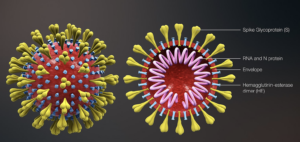
  • Bio-sequence, a possible solution to Corona

    Bio-sequence, a possible solution to Corona

    Dr.Annakannan

    (Annakannan Ideas – 39)

    When Corona / Covid-19 announced as pandemic, when first time lockdown announced in India, my wife asked me to find a solution to this issue. She used to hear many solutions from me for various issues and problems. I too was thinking about this, before she asked. But, didn’t get a catch. On 16th April 2020, in the early morning around 3 AM, I got a dream. The exact visual is tracing virus / bacteria through bio-sequence. Waked-up & I regain the word, that is ‘bio-sequence’. After that, I read few pages in online on this term.

    This page is related to this:

    “Bio-sequence analysis deals with the translation of bio-sequence information
    into biochemical and biophysical knowledge, to decipher the structural, functional and evolutionary clues encoded in the language of biological sequences.”

    We can create a tool / system, which can read the bio-sequence of entire eco-system with bigdata technologies. With this we can trace any and all virus / bacteria, where it’s alive, who are affected and which areas are affected and which level it is.

    We already know the bio-sequence of Corona (https://www.theverge.com). We need to deep scan with powerful tools, if there is any match in the surrounding; this tool should give immediate report of a person or any living being or any physical element or a surface or space in the air. Not only Corona / Covid-19, we can apply this to any virus or bacteria.

    Once, we know that a person is affected, we can quarantine. Again this bio-sequence can help in the treatment too. We can replace Covid-19 sequence with another sequence, which has more immunity. The Plasma treatment may help here. But, no need to depend a cured person. We can create the same healthy sequence & replace.

    I study biology only in my school days, that too 26 years back; just suggesting this with a basic logic. Scientists, doctors, biotech engineers or any science enthusiast can explore more. I hope, this ‘Key’ word will trigger the solution.

    ——————————————————-

    Pic courtesy: https://asm.org

    Share
  • (Peer Reviewed) பிள்ளைச்சிறு விண்ணப்பம் உணர்த்தும் உயிர் நேயம்

    (Peer Reviewed) பிள்ளைச்சிறு விண்ணப்பம் உணர்த்தும் உயிர் நேயம்

    முனைவர் பீ. பெரியசாமி,
    தமிழ்த்துறைத்தலைவர்,
    டி.எல். ஆர் கலை மற்றும் அறிவியல் கல்லூரி,                  
    விளாப்பாக்கம் – 632 521.  தமிழ்நாடு, இந்தியா.

    மின்னஞ்சல்: periyaswamydeva@gmail.com    

    முன்னுரை

    திருவருட்பா – திரு + அருள் + பா எனப் பிரியும்.  இறையருளால் பாடப்பெற்ற பாக்கள் என்றும் இறையருள் வேண்டிப் பாடப்பெற்ற பாக்கள் என்றும் பொருள் கொள்ளலாம். திரு என்பது மேன்மை என்ற பொருளில் வந்துள்ளது. இறைப் பற்றாளர்களின் அருள் அனுபவத்தால் ஊற்றெடுப்பவையே அருட்பாக்கள். இவை வள்ளற் பெருமானின் திருவாக்கினில் ஞானியர்களின் சிந்தனைகளில் சித்தர்கள் யோகிகளின் அனுபவங்களில் இழையோடுவதைக்  காணமுடிகின்றது. வள்ளற் பெருமான் உலகினில் இறைவனை அடையவும் இறவாநிலை பெறவும் ஒரோவழி உலகினில் வாழும் அனைத்து உயிர்களிடத்தும் மனிதநேயத்தோடு நாம் நடந்துகொள்வதே என்கிறார் என்பதை உரிய உதாரணங்களோடு வெளிக்கொணர்வதே இவ்வாய்வுக் கட்டுரையின் நோக்கமாகும்.

    உயிர் இரக்கமே உயர்ந்த பண்பு

    “வாழையடி வாழையென வந்த திருக் கூட்ட
    மரபினில் யான் ஒருவன் அன்றோ வகை யறியேன் இந்த
    ஏழைபடும் பாடு உனக்குத் திருவுளச் சம்மதமோ
    இது தகுமோ இது முறையோ இது தருமந்தானோ
    மாழை மணிப பொதுவில் நடஞ்செய் வள்ளால் யான் உமக்கு
    மகன் அலனோநீ எனக்கு வாய்த்த தந்தை யலையோ
    கோழை உலக உயிர்த் துயரம் இனிப பொறுக்க மாட்டேன்
    கொடுத்தருள் நின அருள் ஒளியைக் கொடுத்தருள் இப்பொழுதே .!”1

    எனத் தன்னைப் பற்றிக் கூறியவர். பகைவரும் வணங்கக் கூடிய பண்பாளர் நம் வள்ளற் பெருமான்.  உயிர் இரக்கமே தம் வாழ்வின் குறிக்கோளாகக் கொண்டு வாழ்ந்தவர்.

    “மண்ணினீள் நடையில் வந்தவெந் துயரை
    மதித்துளம் வருந்திய பிறர்தம்
    கண்ணினீர் விடக்கண் டையவோ நானும்
    கண்ணினீர் விட்டுளங் கவன்றேன்
    நண்ணிநின் றொருவர் அசப்பிலே என்னை
    அழைத்தபோ தடியனேன் எண்ணா
    தெண்ணியா துற்ற தோஎனக் கலங்கி
    ஏன்எனல் மறந்தனன் எந்தாய்”2

    துயருற்றோரைப் பார்த்துக் கண்ணீர் விடத் தொடங்கியவர் பிறர் அழைத்தபோதும் ஏன் எனல் மறந்தாராம்.

    “அன்பிற்கும் உண்டோ அடைக்குந்தாழ் ஆர்வலர்
    புன்கணீர் பூசல் தரும்.”3

    என்ற குறளுக்கு எடுத்துக்காட்டாய் நம் வள்ளல் விளங்கியதை அறிய முடிகிறது. பசிப்பிணி போக்கும் மருத்துவர், மனிதர் படுகின்ற துன்பங்களைப்,பசிதாகம்பிணி, இச்சைஎளிமைபயம், கொலை4 என்று  வகைப்படுத்துகின்றார். இத்துன்பங்களால் மனிதன் வேதனையுறுகிறான். இவற்றைத் தவிர்க்க எனக்கு வரம் கொடுக்க வேண்டுமென்று வேண்டுகிறார்.

     “கருணையே வடிவாய் பிறர்களுக் கடுத்தகடுந்துயர் அச்சமா திகளைத்
    தருணநின் அருளால் தவிர்த்தவர்க் கின்பம் தரவும்வன் புல்கொலை இரண்டும்
    ஒருவிய நெறியில் உலகெலாம் நடக்க உஞற்றவும் அம்பலந் தனிலே
    மருவிய புகழைவழுத்தவும் நிண்ணை வாழ்த்தவும் இச்சைகாண் எந்தாய்”5

    உலக உயிர்களுக்கு வரும் இடையூறுகளைத் தூர நின்று வேடிக்கை பாராமல் விரைந்து சென்று அதைப் போக்க எண்ணுபவனே சன்மார்க்கி.

    இதனை, ““வறியார்க்கு ஒன்று ஈவதே ஈகை6 “இலன்என்னும் எவ்வம் உரையாமை ஈதல்7 என்று திருக்குறள் ஈதலின் சிறப்பைக் கூறுகிறது. அறங்களிலேயே சிறந்தது உயிர்களுக்கெல்லாம் உணவளிப்பதுதான்.  எவ்வுயிரும் பட்டினியால் மடியாமல் பாதுகாக்கப்படவேண்டும்.  இந்த உண்மையை வலியுறுத்துவது மணிமேகலை,

    “மக்கள் தேவர் எனஇரு சார்க்கும்
    ஒத்த முடிவின் ஓரறம் உரைக்கேன்
    பசிப்பிணி தீர்த்தல் என்றே அவரும்
    தவப்பெரு நல்லறம் சாற்றினர் ஆதலின்
    மடுத்ததீக் கொளிய மன்னுயிர்ப் பசிகெட
    எடுத்தனள் பாத்திரம் இளங்கொடி தானென்.”8

    “பசியும் பிணியும் பகையும் நீங்கி
    வசியும் வளனுஞ் சுரக்கென வாழ்த்தி
    மாதர்க் கோலத்து வலவையி னுரைக்கும்”9

    “உண்டி கொடுத்தோர் உயிர் கொடுத்தோரே”10

    “கொல்லா விரதம் ஒன்று கொண்டவரே நல்லார் மற்று
    அல்லாதார் யாரோ அறியேன் பராபரமே ”11

    “கொல்லான் புலாலை மறுத்தானைக் கைகூப்பி
    எல்லா உயிருந் தொழும்.”12

    என எல்லா அற நூல்களும் பசிப்பிணி போக்குதலையும் கொல்லா விரதத்தையும் போற்றுகின்றன. ஈஸ்வர பக்தி என்பது எல்லா உயிர்களிடத்தும் கடவுள் வியாபித்திருத்தலை அறிதலாகும். ஜீவகாருண்யம் உண்டானால் அருள் உண்டாகும். அருள் உண்டானால் அன்பு உண்டாகும். அன்பு உண்டானால் சிவானுபவம் உண்டாகும். நேயம் ஐந்து வகை என்கிறார் வள்ளலார். இறை அனுபவம்தான் ஆன்மீகம். ஆன்மீகம் என்றால் உயிர்கள் தன்னலத்தைப் பெரிதாகக் கருதாமல் மற்ற உயிர்களுக்கும் பணிபுரிவதுதான் இதுவே வழிபாடு ஜீவகாருண்ய ஒழுக்கம். ஆன்மநேய ஒருமைப்பாட்டுரிமை எனப்பெருமான் கூறுகின்றார். இதுதான் சுத்த சன்மார்க்கத்தின் இலட்சியம்,  ஐந்து நேயங்கள் நேயம் என்பதும் அன்பே! இந்திரிய நேயம் என்பது பொறி புலன்களிடம் அன்பு காட்டுவது, கரண நேயம் என்பது கொள்கையில் ஈடுபடுவது, ஜீவநேயம் என்பது மனிதாபிமானத்தைக் குறிப்பது, ஆன்ம நேயம் எல்லா உயிர்களிடத்தும் உருக்கம் காட்டுவது, சிவநேயம் என்பது கடவுள் வழிபாடு.

    நடமாடும் உயிர்களுக்குச் சேவை

    இந்திரிய நேயம் மிக்கவர்கள் தங்கள் உடலை அழுகு படுத்துவதிலும் தங்கள் விருப்பத்தை நிறைவேற்றிக் கொள்வதிலுமே குறிக்கோளாய் வாழ்வர்.  இவ்வாறு வாழும் வாழ்க்கை சுயநலம் மிக்கதாகும்.  சாமானிய மனிதர்களின் வாழ்க்கை பெரும்பாலும் இவ்வாறே அமைந்து தங்கள் பிறப்பின் காரணத்தை அறிந்து கொள்ளாமலேயே வாழ்ந்து மறைவதாக உள்ளது.  கரண நேயம் மிக்கவர்கள் தாம் கொண்ட கொள்கையில் பிடிவாதமாய் இருப்பர். ஜீவநேயம் என்பது மனிதர்களிடையே தோன்றும் நேயமாகும். இங்கே மற்ற ஜீவராசிகள் மீது இரக்கம் என்பது பின்பற்றப்படுவதில்லை.  எல்லா ஜீவராசிகளும் தங்கள் இனத்தின் மீது காட்டும் நேயமும் இதுவே ஆகும்.  ஆன்ம நேயம் என்பது தம் இனம் மட்டுமின்றி எல்லா உயிர்களிடத்தும் காட்டும் நேயமாகும்.  வள்ளலார், புத்தர் போன்றோர் இந்நேயத்தோடு வாழ்ந்து மனிதர்களையன்றி எல்லா உயிர்களையும் மதித்துள்ளனர்.

    “உற்றநோய் நோன்றல் உயிர்க்குறுகண் செய்யாமை
    அற்றே தவத்திற்கு உரு”13

    உயிர் காத்தலைத் தவமாகப் போற்றுபவர்களாவர் இவர்கள்.

    “படமாடக் கோயில் பகவற்கு ஒன்று ஈயின்
    நடமாடக் கோயில் நம்பர்க்கு ஆங்கு ஆகா
    நடமாடக் கோயில் நம்பர்க்கு ஒன்று ஈயில்
    படமாடக் கோயில் பகவற்கு அது ஆமே”14

    என்கிறார் திருமூலர். நடமாடும் உயிர்களுக்குச் சேவை செய்தலே இறைவன் நீக்கமற நிறைந்துள்ளான் என்று உணர்ந்தவர்களின் நிலையாகும். அடுத்து ஐந்து சிவநேயம் என்பது கடவுள் வழிபாடு.  உயிர்கள் மீது நேயம் காட்டுதலையே கடவுள் வழிபாடாகக் கொள்வதாகும். வள்ளற் பெருமான் கடவுளை வழிபடவே சாதனம் வகுத்துக் கூறியுள்ளார் அது சர்வ சித்தியுடைய கடவுள் ஒருவர் உண்டென்றும் அவர் ஒருவரே என்றும் அவரை உண்மையின்பால் வழிபட வேண்டும்.  அப்படிப்பட்ட சமரச சுத்த சன்மார்க்கத்துக்கு  உரிய  கடவுளை வழிபாடு செய்வதற்குச் சாதனம் இருவகை.  பரோபகாரம் – என்பது தேகத்தாலும், வாக்காலும், பொருளாலும் உபகாரம் செய்வன, சத்விசாரம் – என்பது நேரிட்ட பக்ஷத்தில் ஆன்ம நேய சம்பந்தமான  தயாவிசாரத்தோடு  இருப்பது. கடவுளது புகழை விசாரித்தல், ஆன்மாவின் உண்மையை விசாரித்தல், தன் சிறுமையையே  கடவுளிடம் விண்ணப்பித்தல் என்பதாகும். இவ்வகையில் நம்பெருமான் இறைவனிடம் தன் பல்வேறு விண்ணப்பங்களைக் கூறி இறையருளை வேண்டியுள்ளார் என்பது விளங்குகிறது.

     “அருள் அலாது அணுவும் அசைந்திடாது அதனால்
    அருள் நலம் பரவுக என்று அறைந்த மெய்ச்சிவமே!”15

    என அகவல் கூறுகிறது. மனிதன் என்பவன் தெய்வமாகலாம் என்ற தத்துவத்தின் பொருள் இதன் மூலம் விளங்குவதை அறிய முடிகிறது.  ஆன்ம நேயமே மனிதனின் அடையாளம் என்று வாழ்ந்து காட்டிய பெருமான் சாகாவரம் தான் பெற்று விட்டதாகவும் அதைப் பெறுவதற்கான வழியையும் நமக்கு எடுத்துரைக்கின்றார்.

    “நோவாது நோன்பெனைப்போல் நோற்றவரும் எஞ்ஞான்றும்
    சாவா வரம்எனைப்போல் சார்ந்தவரும் – தேவாநின்
    பேரருளை என்போலப் பெற்றவரும் எவ்வுலகில்
    யார்உளர்நீ சற்றே அறை.”16

    “நினைந்து நினைந்து உணர்ந்து உணர்ந்து நெகிழ்ந்து நெகிழ்ந்து அன்பே
    நிறைந்து நிறைந்து ஊற்றெழும் கண்ணீரதனால் உடம்பு
    நனைந்து நனைந்து அருளமுதே நன்னிதியே ஞான
    நடத்தரசே என்னுரிமை நாயகனே என்று
    வனைந்து வனைந்து ஏத்துது நாம் வம்மின் உலகியலீர்
    மரணமிலாப் பெருவாழ்வில் வாழ்ந்திடலாம் கண்டீர்
    புனைந்துரையேன் பொய்புகலேன் சத்தியம் சொல்கின்றோர்
    சொற்சபையில் சிற்சபையில் புகுந்தருணம் இதுவே.”17

    “யானே பொய் என் நெஞ்சும் பொய்
    என் அன்பும் பொய்
    ஆனால் வினையேன் அழுதால்
    உன்னைப் பெறலாமே
    தேனே அமுதே கரும்பின்
    தெளிவே தித்திக்கும்
    மானே அருளாய் அடியேன்
    உனை வந்து உறுமாறே!”18

    என்கிறார் மாணிக்கவாசகரும். அதோடு மட்டுமின்றி மனித சமுதாயத்தின் குறிக்கோள் ஞானத்தை அடைவதே ஆகும்.  இன்பம் மனித வாழ்வின் இலட்சியமன்று. ஞானம் ஒன்றுதான் மனித வாழ்வின் இலட்சியம்.  இன்பமும், மகிழ்ச்சியும், துன்பமும் அழியக் கூடியவை.  எனவே உண்மையான ஞானத்தைப் பெறுவதே சிறந்தது.  அழியாத ஞானத்தைப் பெற வள்ளலார் கூறிய ஒழுகலாறுகள், ஜீவகாருணிய ஒழுக்கம், பசித்துயர் போக்குதல், ஆன்ம நேய ஒருமைப்பாடு, சாதி மதம் கடந்த சமரசம், ஒளி வழிபாடு என்பவை.  மேற்கண்ட உபாயங்களால் அழியாத உடம்பைப் பெறுவது உறுதி. இதனையே, உடம்பார் அழியில் உயிரார் அழிவர்”19 எனத் திருமூலர் குறிப்பிடுகிறார்.

    “பிறந்தோர் உறுவது பெருகிய துன்பம்
    பிறவார் உறுவது பெரும் பேரின்பம்
    பற்றின் வருவது முன்னது பின்னது
    அற்றோர் உறுவது அறிக.”20

    என்கிறது மணிமேகலை.  தாம் பெற்ற வரத்தைக் கூறுகையில்,

    “சாகாத வரம்எனக்கே தந்ததனித் தெய்வம்
    சன்மார்க்க சபையில்எனைத் தனிக்கவைத்த தெய்வம்
    மாகாத லால்எனக்கு வாய்த்தஒரு தெய்வம்
    மாதவரா தியர்எல்லாம் வாழ்த்துகின்ற தெய்வம்
    ஏகாத நிலைஅதன்மேல் எனைஏற்றும் தெய்வம்
    எண்ணுதொறும் என்னுளத்தே இனிக்கின்ற தெய்வம்
    தேகாதி உலகமெலாஞ் செயப்பணித்த தெய்வம்
    சிற்சபையில் விளங்குகின்ற தெய்வமதே தெய்வம்.”21

    ஒட்டுமொத்த திருவருட்பாவில் கூறப்பட்ட செய்திகளைப் பிள்ளைச்சிறு விண்ணப்பத்திலேயே கூறியுள்ளார் என்று அறுதியிட்டுக் கூறலாம். தன்னை மகனாகப் பாவித்து தனக்கு வரமருள வேண்டியதின் உண்மையான தவிப்பை, ஒவ்வொரு பாடலிலும் உணர முடிகிறது.

    உயிரிரக்கத்தால் பிறர் பசி, தாகம், பிணி, இச்சை, எளிமை, பயம், கொலை இவற்றைக் கண்டபோது இரக்கப்படுதலே ஆன்ம உருக்கமாகும். எவ்வுயிரும் பின்பற்றக் கூடிய ஒழுக்கத்தை நிறுவிய வள்ளலார் மனிதன் இதை ஏன் செய்ய வேண்டும் என்று விளக்குகிறார். “மனிதப் பிறவி மிகச்சிறந்த பிறவி கிடைப்பதற்கு அறிய பிறவி மனித தேகத்தில் தான் ‘அருள்’ விளக்கம் விளங்குகிறது. முக்தி இன்பத்திற்குரிய தேகமிது – வழி சன்மார்க்கம். மனித தேகமே அறிவைப் பெறக்கூடியது மனிதனே பிறர் உணர்வை உணரக் கூடியவன்.22 இவ்வாறே இறையுணர்வையும் பெறக் கூடியவன்  முறையான சாதனம் பயின்றால் தான் இறைவனை உணரமுடியும் என்பதை இராமகிருஷ்ண பரமஹம்சர்,

    “பாலில் உள்ள வெண்ணெய்யைக் கண்களால்
    பார்க்க முடிகின்றதா! வெண்ணெய்யைக் காணவேண்டி
    மத்து இட்டுக் கடைய வேண்டுமன்றோ! இதைப்
    போலவே இறைவனைக் காணவேண்டினும்
    சாதனம் பயில வேண்டும்”23

    “ஒன்றென்றிரு தெய்வம் உண்டென்றிரு உயர் செல்வமெல்லாம்
    அன்றென்றிரு பசித்தோர் முகம் பார் நல்லறமும் நட்பும்
    நன்றென்றிரு நடு நீங்காமலே நமக்கு இட்டபடி
    என்றென்றிரு மனமே உனக்கே உபதேச மிதே.”24

    இரக்கப்படுதலே ஆன்ம உருக்கம்

    ஒரு மனிதனுக்குத் தெய்வ நம்பிக்கை உண்டாகிவிட்டால் செல்வத்தின் மீது உண்டான அவா நீங்கும். காணும் உயிர்களிலெல்லாம் பொருட்களிலெல்லாம் இறைவனையே காண்பான்.  அதனால்தான் எந்த உயிரும் துன்பப்படுவதை விரும்புவதில்லை.  தன்னால் முடிந்த உதவிகளைச் செய்து அவ்வுயிருக்கு வந்த துன்பத்தை அகற்றுகின்றான்.  கண்ணப்ப நாயனாரும் அவ்வாறே தன் கண்ணைப் பெயர்த்து இறைவனுக்கு ஏற்பட்ட துன்பத்தை அகற்ற முற்படுகின்றார்.  உடல் எடுத்ததன் பயனே உயிர்களைக் காவல் செய்யவே ஆகும்.

    “தன்னூன் பெருக்கற்குத் தான்பிறிது ஊனுண்பான்
    எங்ஙனம் ஆளும் அருள்.”25

    என்று கேள்வி கேட்கிறார் வள்ளுவர்.

    இன்றைய உலக சமுதாய சூழ்நிலையில் விரிந்த கண்ணோட்டத்தோடு மக்களுக்கு தொண்டு முறையில் ஆன்மீக அறிவை ஊக்குவிக்கவும்அதனைத் தடுத்துக் கொண்டிருக்கும் கற்பனை புகையையும்துன்பங்கள், சிக்கல்கள் இவற்றைக் குறைப்பதற்காகவும் திட்டமிட்டுத் தொடங்கப்பட்ட நிறுவனமே ‘உலக சமுதாய சேவா சங்கமும்அதன் செயல்வழியாகிய மனவளக்கலையுமாகும். கர்ம  யோகம் என்னும் வாழ்க்கை நெறியை மக்கள் பண்பாடாக  வளர்ப்பது சிறந்ததோர் சீர்திருத்தத் திட்டமாகும்.26 என்கிறார் அருள் தந்தை யோகிராஜ் வேதாத்திரி மகரிஷி.

    மனிதனுக்கு உரிமையுணர்ச்சி பிறவியிலேயே அமைகிறது.  ஆனால்  கட்டுப்பாட்டுணர்ச்சி  பயிற்சியால் தான் கிடைக்கிறது என்கிறார் மு.வ.  தங்கத்தைச் சுடச்சுட பல்வேறு உருவம் எடுப்பதுபோல் வைரம் பட்டை தீட்டத் தீட்ட ஒளிர்வது போல் மனிதன் எத்துணை துன்பங்கள் வந்தாலும் இறைவனையே கைவிடாது தொழுதல் வேண்டும். அடுத்தடுத்த துன்பங்களே அவனைச் சோதிக்கும் பயிற்சிகளாகின்றன.

    வருத்தப்பட்டுப்  பாரஞ்சுமக்கிறவர்களே!  நீங்கள் என்னிடத்தில் வாருங்கள்நான் உங்களுக்கு இளைப்பாறுதல் தருவேன்.  நான் சாந்தமும் மனத் தாழ்மையுமாய் இருக்கிறேன். என் நுகத்தை உங்கள் மேல் ஏற்றுக்கொண்டு என்னிடத்தில் கற்றுக் கொள்ளுங்கள். அப்பொழுது உங்கள் ஆத்துமாக்களுக்கு இளைப்பாறுதல் கிடைக்கும்27 என்கிறார் இயேசு கிறிஸ்து.

    பல மதனிகளும் துன்பங்களைத் தாங்கிக் கொள்ளும்படி கூறுகின்றனர்.  துன்பம் இடைவிடாமல் நேர்ந்தாலும்   கொள்கையில் மாறாத அடியார்களின் கூட்டுறவால் ஞானசுத்த சன்மார்க்க சங்கம் காண விழைகிறார் வள்ளலார்.  அச்சங்கம் சார்பாகத் திருக்கோயில் கண்டிடவும்  நல்விளக்கமே   தரும  சன்மார்க்க  சங்கம்   நிடூழி  வாழவும் அந்தச் சங்கத்தில்தான் ஈடுபாட்டுடன் மனம் குளிர அருட்ஜோதி ஆண்டவனை நினைத்துப் பாடவும் ஆடவும் நமக்கு விருப்பமுள்ளதாய்ப் பிள்ளைச்சிறு விண்ணப்பத்தில் விளக்கி உரைக்கின்றார்.

    ”தங்கமே அனையார் கூடிய ஞான சமரச சுத்தசன் மார்க்கச்
    சங்கமே கண்டு களிக்கவும் சங்கம் சார்திருக் கோயில்கண் டிடவும்
    துங்கமே பெறுஞ்சற் சங்கம்நீ டூழி துலங்கவும் சங்கத்தில் அடியேன்
    அங்கமே குளிர நின்றனைப் பாடி ஆடவும் இச்சைகாண் எந்தாய்.”28

    எனவரும் அடிகள் இதனை மெய்ப்பிக்கும்.

    வள்ளலாரது சிந்தனை வளர்ச்சி

    பிற சமயவாதிகள்,  தத்துவக் கொள்கைவாதிகள்,  துறவிகள், மதகுருமார்கள், மக்களுக்கு ஆன்மீக ஞானத்தை போதனை அளவில் புகட்டுவதைப்போலன்றி நடைமுறையில் பயன்பெற வழிவகுத்தவர் இவர்.  இதற்காக அல்லும் பகலும் அயராது பாடுபட்டவர். தம் உடலையும் உள்ளத்தையும் உயிரையும் பல்வேறு ஒழுக்க நியதிக்கு உட்படுத்திப் புடம் போட்ட பொன்னாக ஆக்கிக் கொண்டு பிறரும் அந்த வாய்ப்பைப் பெற வழிகாட்டியவர். சமரச சுத்த சன்மார்க்க சங்கத்தை ஏற்படுத்தி ஒளி வழிபாட்டைத் துவங்கி வைக்கிறார். இறைவன் உருவமற்ற ஒளிவடிவானவன் என்பதை உலகிற்கு உணர்த்தினார்.

    “அருட்பெருஞ்ஜோதி அருட்பெருஞ்ஜோதி
    தனிப்பெருங்கருணை அருட்பெருஞ்ஜோதி”

    என்ற தாரக மந்திரத்தையும் போதித்தருளினார் நம் பெருமான். இந்த மகாமந்திரத்தில் உள்ள எழுத்துக்கள் 33 தமிழ் நெடுங்கணக்கில் உள்ள எழுத்துக்களின் தொகையும் 33. நம் முதுகெலும்பிலுள்ள எலும்புகள் 33 மனித மொழிகளிலுள்ள எழுத்துக்களின் ஒளி வடிவங்களும் 33 தான் இவற்றை ‘ஒலியன்கள்’  என்பர். இம்மகாமந்திரத்தில் உள்ள மெய் எழுத்துக்களை நீக்கி எண்ணினால் வரும் எழுத்துக்கள் 25 இவை 25 அனுபவங்களைக் குறிக்கின்றன.  இவை ஜீவ அனுபவம் 5, பர அனுபவம் 5, நின்மல அனுபவம் 5, குரு அனுபவம் 5, இறை அனுபவம் 5 ஆக 25 அனுபவங்கள். சன்மார்க்கக் கொடி ஒன்றையும் நம் பெருமான் உருவாக்கியருளினார். சன்மார்க்கக் கொடியில் மேல் 3/4 பாகம் வெண்மைநிறம் கீழ் 1/4 பாகம் பொன்மை நிறம் மகாமந்திரத்தில் அருட்பெருஞ்ஜோதி 3 முறை வருவது வெண்மையைக் குறிக்கும். தனிப்பெருங்கருணை ஒரு முறை வருதல் பொன்மையைக் குறிக்கும். வெண்மை தூய்மையைக் குறிப்பதோடு அறியாமையையும் குறிக்கும்.  அறியாமை நீங்க வேண்டுமானால் தொடர்ந்து உயிர்ப்பணி புரிதல் வேண்டும்.

    உயிர்ப்பணி புரியச் சத்திய தருமச் சாலை

    1867-இல் சத்திய தருமச்சாலையை நிறுவி அணையா அடுப்பேற்றி வைத்து அங்கு வருவோர்க்குப்  பசியாற உணவளித்தாராம்.  இன்றும் அந்த அடுப்பு வடலூரில் எரிந்த வண்ணம் உள்ளது. பசித்தோரின் வயிறு குளிர்ந்த வண்ணம் உள்ளது. கொலை புலை தவிர்த்தோர் உறவினத்தார் என்றும்,

    “உயிர்க்கொலையும் புலைப்பசிப்பும் உடையவர்கள்
    உறவினத்தார் அல்லர் அவர் புறவினத்தார் அவர்க்குப்
    பயிர்ப்புறும் ஓர் பசிதவிர்த்தல் மாத்திரமே புரிக
    புரிந்த மற்றைப் பண்புரையேல் நன்புத வேலிங்கே
    நயப்புறும் சன்மார்க்கம் அவர் அடையளவும் இதுதான்
    நம் ஆணை என்றெனக்கு நவின்ற அருள் இறையே””29

    உறவினத்தார், புறவினத்தார் என்று இரண்டு வகையான மனிதர்களைப் பற்றிப் பாடலில் கூறியுள்ளார். சாதி, சமய பேதமற்று மனிதர்களின் பசியைப் போக்க எழுப்பிய இத்தருமச் சாலையில் உறவினத்தார்க்கு (கொலை, புலை, தவித்தோர்) மட்டுமே உணவு என்று மாற்றி விடுவார்களோ என்றஞ்சிய வள்ளற் பெருமான் புறவினத்தார்க்கும் உணவிட்டுப் பசியாற்று விக்குமாறு ஆணையிடுகிறார்.  ஆணையிட்டு ஒருவரின் தீய குணங்களை யாராலும் மாற்ற இயலாது.  பசியாறியவுடன் புறவினத்தார் தம் குணத்தைப் பற்றி யோசித்து தாம் கூறிய வழியில் தானாகவே நடக்க முன்வருவார் என்று பெருமான் நம்புகிறார்.

    பஞ்சோபாயம்

    நயமாகப் பேசி நல்லவர்களாக்குதல், பொருளைக் கொடுத்து வசப்படுத்தல், வேறுபாடு காட்டி திருத்துதல், வணங்கி வழிக்குக் கொண்டு வருதல், இறைவனிடம் வழிபாடு செய்து திருத்துதல் என்பன பஞ்சோபாயமாகும். இதனை,

    “முதல் நான்கு உபாயங்களைவிட ஐந்தாவது உபாயம்
    மிகச் சிறந்தது, உயர்ந்தது.  தீய மனம் படைத்தவர்களை
    சன்மார்க்கிகள் தகுந்த அணுகுமுறையை மேற்கொண்டு
    பஞ்சோபாயத்தால் வென்று திருத்தி உயர்த்த வேண்டும்”30

    “சாதியிலே மதங்களிலே சமயநெறி களிலே
    சாத்திரச்சந் தடிகளிலே கோத்திரச்சண் டையிலே
    ஆதியிலே அபிமானித் தலைகின்ற உலகீர்
    அலைந்தலைந்து வீணேநீர் அழிதல்அழ கலவே
    நீதியிலே சன்மார்க்க நிலைதனிலே நிறுத்த
    நிருத்தமிடும் தனித்தலைவர் ஒருத்தர்அவர் தாமே
    வீதியிலே அருட்சோதி விளையாடல் புரிய
    மேவுகின்ற தருணம்இது கூவுகின்றேன் உமையே”31

    என்று மக்களின் தவறான செயல்களை எடுத்துக்கூறி வேறுபாடு காட்டி சன்மார்க்க நெறிக்கு அழைக்கிறார் நம்பெருமான்.

    “பொய்விளக்கப் புகுகின்றீர் போது கழிக்கின்றீர்
    புலைகொலைகள் புரிகின்றீர் கலகல என்கின்றீர்
    கைவிளக்குப் பிடித்தொரு பாழ் கிணற்றில் விழுகின்ற
    களியர் எனக் களிக்கின்றீர் கருத்திருந்தும் கருதீர்
    ஐவிளக்கு மூப்பு மரணாதிகளை நினைத்தால்
    அடிவயிற்றை முறுக்காதோ கொடிய முயற்றுலகீர்
    மெய்விளக்க எனதுதந்தை வருகின்ற தருணம்
    மேவிய தீண்டு அடைவீரேல் ஆவி பெறுவீரே!!”32

    என்று பலவாறு கூறி சிறுமையினைத் திருத்த முற்படுகின்றார் பெருமான்.

    “மயக்கும் கள்ளும் மன்னுயிர் கோறலும்
    கயக்கறு மாக்கள் கடிந்தனர் கேளாய்!
    பிறந்தவர் சாதலும் இறந்தவர் பிறத்தலும்
    உறங்கலும் விழித்தலும் போன்றது உண்மையின்
    நல்லறம் செய்வோர் நல்லுலகு அடைதலும்
    அல்லறம் செய்வோர் அருநரகு அடைதலும்
    உண்டு என உணர்தலின் உரவோர் களைந்தனர்
    கண்டனையாகு …”33

    என்று சீத்தலைச்சாத்தனாரும் அறிவை மயக்கும் கள்ளையும் பிறவுயிரைக் கொல்லும் செயலையும் அறிவுள்ளோர் வெறுத்து அகற்றினர். மேலும், நல்ல அறங்கள் செல்வோர் துறக்கம் பெறுவர். தீய அறம் (பாவம்) செய்வோர் கொடிய நரகம் அடைவர் என்று கூறி எச்சரிப்பதைக் காணலாம். மணிமேகலை என்ற புத்தமதக் கொள்கையை வலியுறுத்தும்  காவியத்தில் மேற்கண்ட கருத்துக்கள் பல நிரம்பியுள்ளன. மதங்கள் வேறானாலும் மார்க்கங்கள் பலவானாலும் கொள்கைகள் ஒன்றே என்பதை அறிய முடிகிறது.  சத்திய தருமச்சாலையில் பசியாற்றுதல் என்ற உயர் தர்மம் ஒன்றே இன்றளவும் பின்பற்றப்பட்டு பெருமானின் ஆணைக்கும் கட்டுப்பட்டு வாழ்கின்றனர் பெரியோர்.

    முதல் திருமுறை முதல் ஆறு திருமுறைகள்

    நாயன்மார்கள் ஆழ்வார்களைப் போல் பாடல்களை மனமுருகப்பாட ஆரம்பித்தவர் தன் சிந்தனையில் செயலில் வேறுபட்டவராக நமக்குக் காட்சியளிக்கின்றார். முருகனின் அழகை வர்ணித்துப் பாடுகையில், சீர் கொண்ட வதனங்கள் ஆறும்34 என்று மனமுருகப் பாடியவர். மேலும் பிள்ளையாரை, திருமாலை,  வடிவுடைய  மாணிக்கவல்லியை,  தியாகேசப் பெருமானை என முதலில் உருவ வழிபாட்டில் மனம் லயித்தவராய் காண்கிற நம்மால் அவருடைய எண்ணம் வித்தியாசமான சிந்தனையில் ஆழ்ந்திருந்ததை அறிய முடிகிறது.

    “வானத்தின் மீது மயிலாடக் கண்டேன்
    மயில் குயிலாச்சுதடி – அக்கச்சி
    மயில் குயிலாச்சுதடி
    துள்ளலை விட்டுத் தொடங்கினேன் மன்றாடும்
    வள்ளலைக் கண்டேனடி – அக்கச்சி
    வள்ளலைக் கண்டேனடி
    சாதி சமயக் சழக்கைவிட் டேனருள்
    ஜோதியைக் கண்டேனடி – அக்கச்சி
    ஜோதியைக் கண்டேனடி”35

    என்ற வரிகள் மூலமாகத் தம்முடைய மாற்றத்தைத் தானே கூறுவதை நம்மால் உணர முடிகிறது. சர்வ அழகு பொருந்திய பறவை மயில் கண்ணுக்குத் தெரியக் கூடியது.  ஆனால், குயிலோ எங்குள்ளது என்றே நம்மால் அறிய முடியாது.  ஆனால், இனிய ஓசை மட்டும் நம் காதுகளில் வந்து ஒலிக்கும்.  இந்த அழகான உவமையை எழுத்துக்குக் கூறியுள்ள விதம் எண்ணி எண்ணி இன்புறத்தக்கதாகும். மனிதனின் மனம் ஒருமைப்பட ஒரு உருவம் தேவைப்படுவது உண்மை.  நாளாக ஆகப் பக்தியில் பயிற்சியில் மேம்பட மேம்பட உருவமற்ற ஒரு சோதி வடிவில் தன்னை ஐக்கியப் படுத்திக் கொள்கிறான் மனிதன் தானே இறைவனாக இரண்டற்ற ஒரு நிலைக்கு வந்து விடுகிறான்.  நம் பெருமானும் அவ்வாறே முதல் ஐந்து திருமுறைகளில் உருவ வழிபாட்டில் ஈடுபட்டவராய் காணப்படுகிறார்.

    புல்லாகிப் பூடாய்ப் புழுவாய் மரமாகிப்
    பல்விருக மாகிப் பறவையாய்ப் பாம்பாகிக்
    கல்லாய் மனிதராய்ப் பேயாய்க் கணங்களாய்
    வல்லசுர ராகி முனிவராய்த் தேவராய்ச்
    செல்லாஅ நின்றஇத் தாவர சங்கமத்துள்
    எல்லாப் பிறப்பும் பிறந்திளைத்தேன் எம்பெருமான்
    மெய்யேயுன் பொன்னடிகள் கண்டின்று வீடுற்றேன். ”36

    என்பார் மாணிக்கவாசகர் சிவபுராணத்தில். ஓரறிவுடைய புல், பூண்டாக, ஊர்வன, பறப்பனவாக விலங்காக பிறவியெடுத்த உயிர் தன் பரிணாம வளர்ச்சியால் மனிதனாகப் பிறக்கிறது.  ஆறறிவு கொண்ட மனிதனுக்குப் பல சிறப்புகள் உள்ளன. ‘அரிது அரிது மானிடராய் பிறத்தல் அரிது’ மானிடப் பிறவியில் மட்டுமே தன்னுயிர்போல் மன்னுயிர் போற்றும் ஆறாவது அறிவு உருவாகிறது. இரக்கத்தாலும் அன்பாலும் கருணையாலும் மனிதன் இந்த உலகையே ஆட்கொள்கிறான்.  தன் பிறப்பின் பொருள் தேடுகிறான்.  தான் யார் என்று ஆராய்கிறான்.  தன்னை உணர்ந்தவன் தலைவனை (இறைவனை) அறிகிறான்.  இவ்வுலகிற்குத் தான் வந்ததன் குறிக்கோளை மனதிற் கொண்டு செயல்படுகிறான். நம்பெருமானும் அவ்வாறே தன் இலட்சியத்தைக் கூறுகிறார். உலகில் பெரும்பாலான மக்கள் இரட்டை வாழ்க்கை நடத்துகின்றனர்.  ஒரு நூறு பேய்கள் ஆட்டமாடும் பிணக்காடாய் இருக்கும் உள்ளத்தை மறைத்து உடலை ஆடை அணிகலன்களால் அழகுபடுத்திக் கொண்டு வலம் வருகின்ற மக்களைப் போல் வாழ்க்கை வாழ்பவர்களைக் கிறிஸ்துவ வேத நூல், “வெள்ளையடிக்கப் பட்ட கல்லறை போல் இருப்பதாகக் கூறுகிறது37  இவர்களைத் திருத்தி உள்ளும் புறமும் மாற்றமின்றி தூயவராய் மாற்றவே தான் இவ்வுலகிற்கு  வந்துள்ளதாகக்  கூறுகிறார் பெருமான்.  இதையே திருக்குறள்,

    ”மனத்துக்கண் மாசிலன் ஆதல் அனைத்துஅறன்
    ஆகுல நீர பிற” 38

    என்கிறது.

    “பெறற்கரிய மானிடப் பிறவியைப் பெற்றும்
    இந்தப் பிறவியிலேயே இறையனுபூதி பெற முயலாதவன்
    வீணில் பிறந்தவனே!”39

    மானிடர் அனைவரும் ஜீவகாருண்ய ஒழுக்கத்தையும் ஆன்ம நேய ஒருமைப் பாட்டுரிமையையும் பெற்று இறையனுபூதி அடைய வேண்டும் என்று பாடுபட்டவர் நம் பெருமானார். தான் கண்ட ஆனந்த  அனுபவத்தைப் பாடல்களாக்கினார் அன்பர்கள் இதைத் தொகுத்து நமக்குத் தந்துள்ளனர்.

    திருவருட்பாவின் ஒவ்வொரு திருமுறைப் பகுதிகளும் படித்துப் படித்துப்பார்த்து எண்ணியெண்ணி இன்புறத்தக்கதாகும். பெருமானின் அனுபவங்கள் நமக்குப் பாடமாகவும் நற்பேறுடைய ஓர் வழியாகவும் உள்ளது.

    “நல்லாற்றாள் நாடி அருளாள்க பல்லாற்றால்
    தேரினும் அஃதே துணை.”40

    நல்ல வழியில் ஆராய்ந்து நாம் அருள் என்ற பண்பையே கடைப்பிடிக்க வேண்டும்.  ஏனெனில் பல வழிகளில் ஆராய்ந்து பார்த்தாலும் அருளே வாழ்க்கைக்குத் துணையாக விளங்குகிறது என்கிறது உலகப் பொது மறை. அந்த வகையில் திருவருட்பா நமக்குக் காட்டும் அருள்வழியில் அன்பு வழியில் நாம் நடந்தோமேயானால் வாழ்வில் இன்புறலாம்.

    “யாவர்க்குமாம் இறைவற் கொரு பச்சிலை
    யாவர்க்குமாம் பசுவுக்கொரு வாயுறை
    யாவர்க்குமாம் உண்ணும்போதொரு கைப்பிடி
    யாவர்க்குமாம் பிறர்க்கின்னுரை தானே”41

    முடிவுரை

    உலகினில் பிறந்த மனிதர்கள் எல்லாம் மனிதர்கள் அல்லர். அடுத்த உயிரின் மீது யார் அதிக பாசமும் நேயமும் கொண்டு விளங்குகிறார்களோ அவர்களே சிறந்த மனிதர்கள் என்பதை வள்ளலாரின்  பாடல்களிலிருந்து  நாம் உணர்ந்து கொள்ளலாம். அவர், உயிர் இரக்கமே மற்ற பண்புகளைக் காட்டிலும் உயர்ந்த பண்பு என்கிறார்.  நடமாடும் உயிர்களுக்கு நாம் செய்யும் சேவை கடவுள் சேவைக்கு நிகரானது என்கிறார். உயிர்கள் வருத்தப்படும்போது வருந்துவதே ஆன்ம உருக்கம் என்கிறார். வள்ளலார் ஆரம்பத்தில் உருவ வழிபாடு கொண்டு வழிபட்டுப் பிறகுத தன் ஆத்ம ஞானத்தினால் ஒளி வழிபாட்டினை மேற்கொண்டார். அவ்வாறு ஒளி வழிபாட்டினை மேற்கொண்டவர் அனைத்து மத மனிதர்களும் சாதி, மதப் பாகுபாடின்றி  பசியிலிருந்து விடுபடச்  சத்திய  தருமச்சாலையை நிறுவினார். இதன் வழி அவர் ஓர் உயிருக்கு நாம் செய்ய வேண்டிய முதல் கடமை உணவளித்தல் என்பதை நமக்கு அறிவுறுத்துகிறார். பஞ்சோபாயம் என்பது கடவுள் வழிபாடு என்பது உயிர்களைக் கொல்லாது, துன்புறுத்தாது காத்தலே என்பதை உணர்த்துதலாகும். இதையே அனைத்துத் திருமுறைகளும் உணர்த்துகின்றன. இவற்றின் வழி வள்ளலார் பிள்ளைச்சிறு விண்ணப்பத்தில் மனிதநேயமே கடவுளை அடையவும் இறவாநிலை பெறவும் ஒரோவழி என்கிறார் என்பதை நாம் உணரலாம்.

    ”வாடிய பயிரைக் கண்டபோ தெல்லாம் வாடினேன் பசியினால் இளைத்தே
    வீடுதோ றிரந்தும் பசியறா தயர்ந்த வெற்றரைக் கண்டுளம் பதைத்தேன்
    நீடிய பிணியால் வருந்துகின்றோர் என் நேர் உறக்கண்டுளந்துடித்தேன்
    ஈடின்மானிகளாய் ஏழைகளாய் நெஞ் சிளைத்தவர் தமைக்கண்டே இளைத்தேன்”
    (திருவருட்பா பாடல்:3471)

    அடிக்குறிப்புகள்

    1. இராமலிங்கர், திருவருட்பா, பா. எண்.469.
    2. மேலது, பா. எண்.269.
    3. திருவள்ளுவர், திருக்குறள், 71.
    4. இராமலிங்கர், ஜீவகாருண்ய ஒழுக்கம், ப – 8.
    5. இராமலிங்கர், திருவருட்பா, பா. எண்.210.
    6. திருவள்ளுவர், திருக்குறள், 221.
    7. மேலது, 223.
    8. ஊரன் அடிகள், புத்தரும் வள்ளலாரும், ப – 46.
    9. மேலது, ப – 93.
    10. மேலது, ப – 77.
    11. தாயுமானவர், தாயுமான சுவாமி பாடல்கள், ப – 314.
    12. திருவள்ளுவர், திருக்குறள், 260.
    13. மேலது, 261.
    14. திருமூலர், பெரியபுராணம், ப – 130.
    15. சேலம் சேக்கிழார், வள்ளலாரும் இராமகிருஷ்ணரும், ப – 142.
    16. அப்பாய் செட்டியார். கோ.அ, அருட்பெருஞ்சோதி அகவல், ப – 26, பா. எண்.2.
    17. மேலது, பா. எண்.1530.
    18. மாணிக்கவாசகர், திருவாசகம், ப – 377.
    19. டாக்டர்குருசாமி. மா.பா, வாழ்விக்க வந்த வள்ளலார், ப – 17.
    20. சீத்தலைச் சாத்தனார், புத்தரும் வள்ளலாரும், ப – 40.
    21. இராமலிங்கர், திருவருட்பா, பா. எண்.743.
    22. இராமலிங்கர், ஜீவகாருண்ய ஒழுக்கம், ப – 11.
    23. இராமகிருஷ்ண பாமஹம்சர், வள்ளலாரும் இராமகிருஷ்ணரும், ப – 108.
    24. பட்டினத்தார், சித்தர் பாடல்கள், ப – 65.
    25. திருவள்ளுவர், திருக்குறள், 251.
    26. யோகிராஜ் வேதாத்திரி மகரிஷி, வாழ்க்கை மலர்கள், ப – 67.
    27. புதிய ஏற்பாடு, ப – 17.
    28. இராமலிங்கர், திருவருட்பா, பா. எண்.209.
    29. மேலது
    30. இராமலிங்கர், சன்மார்க்க பேருபதேசம், ப – 28.
    31. மேலது, ப – 1005.
    32. இராமலிங்கர், சன்மார்க்க பேருபதேசம், ப – 1476.
    33. ஊரன் அடிகள், புத்தரும் வள்ளலாரும், ப – 53.
    34. இராமலிங்கர், திருவருட்பா, பா. எண்.53.
    35. மேலது.2211.
    36. மாணிக்கவாசகர், திருவாசகம், ப – 121.
    37. புதிய ஏற்பாடு, ப – 36.
    38. திருவள்ளுவர், திருக்குறள், 242.
    39. இராமகிருஷ்ணர், ஞானமுரசு, ப – 29.
    40. திருவள்ளுவர், திருக்குறள், 242.
    41. திருமூலர், சித்தர் பாடல்கள், ப – 85.

    பயன்பட்ட நூல்கள்

    1. அரு. இராமநாதன் (பதி), சித்தர் பாடல்கள், 13-ஆம் பதிப்பு – 2005, பிரேமா பிரசுரம், 35, ஆற்காடு சாலை, கோடம்பாக்கம், சென்னை – 24.
    2. ஊரன் அடிகள், சன்மார்க்க தேசிகன், புத்தரும்வள்ளலாரும், மு.ப. 2005, சமரச சன்மார்க்க ஆராய்ச்சி நிலையம், வடலூர்.
    3. தாயுமானவர்,  ஸ்ரீ தாயுமானசுவாமி பாடல்கள், மு.ப. 1980, ஸ்ரீ ராம கிருஷ்ண தபோவனம், திருப்பராய்த்துறை – 639 115, எலமனூர் ரயில்வே ஸ்டேஷன், திருச்சி ஜில்லா.
    4. திருஅருட்பிரகாச வள்ளலார் தெய்வ நிலையம், திருஅருட்பிரகாச வள்ளலார் அருளிய திருஅருட்பா, ஆறாம் திருமுறை, மூ.ப. 2004, சிந்தாமணி பிரிண்டர்ஸ், மயிலாடுதுறை – வடலூர் – 607 303.
    5. திருஅருட்பிரகாச வள்ளலார் தெய்வ நிலையம், சன்மார்க்கம் பேருபதேசம், மு.ப.2003, திருஅருட்பிரகாச வள்ளலார் தெய்வ நிலையம், வடலூர் – 607 303.
    6. பரிசுத்த வேதாகமம், பதிப்பு 2000-2001, இந்திய வேதாகமச் சங்கம், 206, மகாத்மா காந்தி, பெங்களுர் – 560 001.
    7. வேதாத்திரி மகரிஷி, வாழ்க்கை மலர்கள் (நாள் ஒரு நற்சிந்தனை), மு.ப. மார்ச் 2003, வேதாத்திரி பதிப்பகம், 156 காந்திஜி சாலை, ஈரோடு – 638 001.
    8. இராமகிருஷ்ணர், ஞான முரசு, மு.ப. 2001, ஸ்ரீ ராமகிருஷ்ண மடம், மயிலாப்பூர், சென்னை – 4.
    9. சித்பவானந்தர் ஸ்ரீமத் சுவாமி (உ.ஆ.), திருவாசகம், மூ.ப. 1975, ஸ்ரீ ராமகிருஷ்ண தபோவனம், திருப்பராய்த்துறை – 639 115. எலமனூர் ஸ்டேஷன், திருச்சி ஜில்லா.
    10. சேக்கிழார். கொ. அ. (சேலம்) அப்பாய் செட்டியார், வள்ளலாரும் ராமகிருஷ்ணரும், மு.ப. டிசம்பர் 1988, மணிவாசகர் பதிப்பகம், 55. லிங்க தெரு, சென்னை – 1.
    11. திருமுருக கிருபானந்த வாரியார், பெரிய புராணம், மு.ப. 2003, குகஸ்ரீ வாரியார் பதிப்பகம், 107 சிங்கண்ண தெரு, சிந்தாதிரிப் பேட்டை, சென்னை – 2.
    12. திருஅருட்பிரகாச வள்ளலார், திருவருட்பா உரை – நடைப்பகுதி, மு.ப. 5.10.2000, திருவருட்பிரகாச வள்ளலார் தெய்வ நிலையம், வடலூர்.
    13. குருசாமி. மா.பா, வாழ்விக்க வந்த வள்ளலார், மு.ப. 2006, நியூசெஞ்சுரி புக் ஹவுஸ் (பி) லிட், நெ.41-பி, சிட்கோ இண்டஸ்டிரியல் எஸ்டேட், அம்பத்தூர், சென்னை – 98.

    ஆய்வறிஞர் கருத்துரை (Peer Review): 

    பிள்ளைச் சிறு விண்ணப்பம் உணர்த்தும் உயிர் நேயம் என்னும் இக்கட்டுரை திருவருட்பிரகாச வள்ளலாரின் அமுதனைய அருட்கோட்பாடுகளைப் பிழிவாக எடுத்து மொழிகிறது. வள்ளற் பெருமானின் உயிரிரக்கக் கொள்கை தோன்றுவதற்குக் காரணமான முந்தைய இலக்கியங்களின் சாரத்தையும் மேற்கோள்கள் வாயிலாக இக்கட்டுரை நிறுவியுள்ளது.

    மனித வாழ்வின் அடிப்படைத் தேவையாக உள்ள உணவே பசித்த வயிறுகளுக்குக் கிட்டாத காரணத்தால் சிக்கல்களுக்கும் காரணமாக உள்ளது என்பது வள்ளற் பெருமானின் அடிப்படைக் கொள்கை. இதனைத் தொடக்கத்திலிருந்தே தமிழ் இலக்கியங்கள் பலவும் தொடர்ந்து வலியுறுத்தி வந்திருக்கின்றன என்பதையும் இக்கட்டுரை நிறுவுகிறது.

    வள்ளல் பெருமானின் வழிகாட்டுதலின்படி நடாமாடும் எல்லா உயிர்களுக்கும்  அன்பு செய்து அவை உற்ற துயர்களைத் தீர்ப்பதே சன்மார்க்கியின் தலையாய கடன் என்பதையும், அதற்கான வழிமுறைகளைத் தந்துள்ள திருவருட்பாக் கருத்துகளையும் இக்கட்டுரை எடுத்து மொழிகிறது. அவற்றுள் முக்கியமானதாக விளங்கும் பஞ்சோபாயம் சன்மார்க்கிகளுக்கான தனிச்சிறப்பு என்பதையும் உணர்த்துகிறது.

    எல்லாவற்றுக்கும் மேலாக, ஆறு திருமுறைகளாக உள்ள திருவருட்பாக்களின் மொத்தப் பிழிவும் அவர் இயற்றிய பிள்ளைச் சிறுவிண்ணப்பத்திலேயே நிறைந்திருக்கிறது என்பதை இக்கட்டுரை நிறுவ முயல்கிறது.

    கட்டுரையாசிரியர் தம் கருத்துக்கு உரமாகச் சேர்க்கும் அருளாளர்களின் பாடல்களைப் பிழையில்லாமல் கையாளக் கற்றுக் கொள்ளுதல் அவசியம்.


    Share
  • THEOLOGICAL VALUE OF PATTINATHAR SONGS

    THEOLOGICAL VALUE OF PATTINATHAR SONGS

    Dr.S.Nagaretnam, M.A., M.Ed., M.Phil., D.G.T.
    Principal,
    Valliyammaiyar Hindu T.T I.,
    Kulasekarapattinam.
    Tuticorin district-628206.                                                        

    *****

    INTRODUCTION

    Down through history, we see that men who disobey God were destroyed beyond recognition. All religions talk about the love of God for the fellowmen. In Tamil literature, we see quite a number of examples. This had a great impact on the minds of the readers including Pattinathar. Pattinathar was often influenced by the Hindu epics. He often talks about Dharma which is the absolute truth. He reiterates strongly that it is the truth that will overcome flaws and dishonesty.

    Pattinathar songs are innumerable and invaluable. Pattinathar has written Manimalai, Thirukkulumalabum, Manikovai, Thiruvidai Maruthoor Mummani Kovai, Thiruvanthaathi, and Oorupa Orupahthu. He lived in the 11th century. Pattinathar’s songs demand people  turn from sin to God. It creates an awareness of one’s ability and emptiness. It also enhances the reader to look for absolute truth and peace. It enlightens people to recover from their earthly pleasures. It leads to the formation of good behavior and a contented mind. The very word purifies the mind and thought. They also form good behavior and a contented mind.

    The essay attempts to analyze the theological value of Pattinathar’s songs in different aspects like God’s rule over us, means to reach God, God’s forgiveness, and God’s quality.

    GOD RULES US

    God has created this world, and all living beings are made to play a definite role in this world. According to his will, it will move about. This is crystal clearly explained in Pattinathar’s songs. In P.P.Thiru: 4 he clearly says,

     “It is God who created this world as a creature to experience this world. This is portrayed as a painting that is made beautiful according to the mind of the painter. We are like a puppet in his hand when the rope is torn, we fall flat. So, we are governed and controlled by God.”

     In P.P.Thiru :32,he says

    “According to a man’s good deeds, his birth is decided. Pattinathar cries to God, “Please help me to evade the evil and walk in the right path so that I can reach your holy feet without any hurdle. And make me an instrument of peace, let me help you and other fellowmen.”

    In P.P.KAILAYAM: 7  he says,

    “Lord, I am born worse than a dog. I am governed by my sense. Young monkey is all the time attached to its mother. Like that mother, you lead me as you like.”

    MEANS TO REACH GOD

    “Desire is the root cause of all evils,” says Buddha. It is quite true. It is the desire that destroys men. Desire creates quite a lot of unwanted behaviour. Pattinathar also appeals that if we uproot desire, then definitely we can reach God. There are a number of songs that cite men in those ways.

     In P.P.Thiru:5 he says,

    “Love for gold women and land remains Maya. These are the hurdles that prevent us from reaching God. Because of this desire, we get relationships with several relatives. Is there any benefit from these relatives? None. Maya becomes still greater. But we develop a friendship with good people pray to God and they destroy Maya completely.”

    In P.P.Thiru:8 he says,

    “Desires hurdles us from reaching God. We are much worried about our belly i.e. food. In addition to this, we long for gold and wealth. All these things prevent us from thinking about God. So, it is better we discard desire to its very root.”

    In P.P.Thiru: 12 he says,

    “Without God’s blessings, it is difficult to give up worldly pleasures. Hence one must learn to control oneself and seek the abode of God.”

    GOD FORGIVES US

    God the Supreme Being accepts and forgives us amidst limitations and flaws. There are a number of examples cited by Pattinathar.

    In P.P.Thiru:9 he says,

    “Lord I often sin against you. I hardly think of you. I never read holy books about you. I have done innumerable sins. Do forgive me the very prayer makes God forgives us.”

    In P.P.Thiru:10 he says,

    “In all the births I have killed a number of living beings. And I know very well that I should not kill. Do forgive and fill me with your force. Lord at least in my next birth I should not kill other living beings. Thus, he cries to God, the creator. Hence save me, lord. Everything is subjected to destruction. But God remains forever, nothing yields his everlasting power.”

    In P.P.Thiru:13 he says,

    “Even the place where we live might not give us pleasure. Our relatives, mother, wife, and children are not permanent. Nothing shall accompany us except for his help. So when we live in this world we ought to seek God’s help.”

    GOD’S QUALITY

    According to man’s deed, he is blessed or punished. Many of the songs of Pattinathar suggest this notion. In P.P.Thiru:20 he says,

    “Water is pure, but depending on the nature of the land it begets the colour and the taste. Likewise, God’s presence is felt in air, land, water, etc. He is omnipotent.”

    CONCLUSION

    Beyond doubt, Pattinathar exhorts the people to search for eternity. He also emphasizes the importance of the everlasting peace that is awarded for the men who lead a worthy, chase life. He adds that desire causes all evils. Hence man must realize his total emptiness and seek his holy feet for true happiness.

    He also stresses that man is limited in power. He can possess unlimited power if he attaches himself to God, the almighty. It is God who is the Supreme Being who governs everyone in this corrupted world. If we want to be redeemed from these earthly, transitory possessions we ought to lead detached life. And our minds should be set high at the feet of his holiness which alone can yield perennial peace.

    REFERENCES

    1) SHARMA.R.A., Fundamentals of Educational Research, Loyal Book Depot, 1993.
    2) Fox, Davis J. Research Process in Educational new work, Holt Richard and Winston 1969.
    3) Meyyappan, S, Pattinathar Padalgal, Chidambara Manivasagar Pathipagam,1986.

    *****

    ADDRESS FOR COMMUNICATION:

    Dr.S.Nagaretnam,M.A.,M.Ed, M.Phil., D.G.T,
    135/6F, West street,
    Polepettai,
    Tuticorin-628002

    MY EMAIL ID: Sunjana1969@gmail.com


    Share
  • Annakannan Ideas – 38

    Annakannan Ideas – 38

    How mosquitoes are biting us, little away from the reach of our hands? Mostly in back body, back arms, legs, thighs, forehead, neck… etc? I was wondering & observing this so long. If it is in front of us, we will kill them on the spot. Now, before we reach the spot, they will flee & stay safe.

    Yesterday I found the reason, when a mosquito was biting me. It’s similar to Newton discovered Gravity when he saw a falling apple .

    Mosquitoes have an ability to sense human eyes. They have a sensor to detect our vision in microseconds. Also whether the eye is active or sleepy, the direction and the concentration. So, it’s avoiding the focus point of eyes. You may notice, if we look or concentrate somewhere else, it will sit straight on top of the nose. In normal, it will prefer to bite, where we are not looking.

    How are mosquitoes able to sense the vision?

    I remember an unique feature of eyes. If someone look us from anywhere, from any distance, even we look in the opposite side, we will turn to them immediately. There is a connection / contact in between eyes.

    This eye contact exists even with animals including snakes, dogs, elephants. In general, we understand this as a power of human eyes. Humans  make eye contact with other animals. Now we have to look in reverse. Animals and other species make eye contact with one another & also with humans. This research will be really an eye opener.
    In this background, mosquito is reading human eyes to select the safe spot to bite. But, human beings don’t have the ability to read a mosquito’s eyes.

    Quote from Orkin.com:

    Male and female mosquitoes see by using their two compound eyes for vision. Compound eyes are located on each side of the adult mosquito’s head and each eye is made up on hundreds of small lenses called ommatidia. The multitude of ommatidia enables the mosquito to see from many directions at once.

    We need to create a device or sensor to detect mosquito eyes; also to create an artificial vision to send signals to mosquitoes that the human vision is active and following / focusing mosquito. If we make this, there is a chance to restrict mosquitoes.

    In another way, we can detect mosquito eyes and send a nano laser light with more blink or bright or sound; if it happened, they will not come close to the object and surrounding. This should be only observed by mosquitoes; not by human or any other species. An artificial intelligence system can easily detect mosquito eyes by it’s unique design. If we blind that eye with a sharp light, that will be the end of mosquito.

    I request biomedical scientists to take this research forward.

    Share
  • An Oral Folk History of Kongu Natu: Dr.Brenda Beck

    An Oral Folk History of Kongu Natu: Dr.Brenda Beck

    About the talk
    The talk will discuss the oral Tamil folk epic known as the Annanmar Kathai and detail the extraordinary contribution this story makes to our understanding of Tamilnadu on many levels.  The speaker will interpret this rich and long legend as a broad metaphor couched in the format of one family’s life experiences over three generations, but which can also be understood as a tool helpful in telescoping about 500 years of local history. Dr. Beck’s own life-long immersion in Kongu natu culture will be woven into the story with photos of her first of many visits to the area in 1954. The themes discussed will include local myths, star lore, temple layouts and more. It will also suggest possible trade contact both with ancient Babylon and with the early Indus Valley civilization. This heavy illustrated presentation will conclude by linking all of the above to a discussion of the significance of the Patti Pongal in the Kongu area, to the Pleiades and to Siva’s great bull, Nandi.
     
    About the Speaker
    Brenda Beck is an Oxford-educated Social Anthropologist who has spent a lifetime studying South Asia and, in particular, the Kongu nadu area of Tamilnadu. She has published eight books, two of which are double-volume works, and she has contributed to and/or edited many more. She has also authored over sixty journal articles. Dr. Beck has a passion for South Asian mythology. She has written a number of articles related to divine figures including Indian goddesses and animal figures like the wild boar. She has also examined a number of human epic characters, detailing their stories and describing their related festivals. One unique folk epic, the Legend of Ponnivala Nadu, has held her interest for over fifty years. Brenda is an Adjunct (Full) Professor of Anthropology at The University of Toronto and President of The Sophia Hilton Foundation of Canada, a charitable foundation that promotes the use of storytelling in education at all levels. Her earliest ethnographic work, Peasant Society in Kongu has just been translated into Tamil by Adaiyaalam, a South Indian educational publishing house. In the past three years alone Brenda has received twelve awards from Tamil community groups based in the US, in Canada, in Tamilnadu, and also one in Malaysia for her work in helping to deepen a worldwide appreciation of Tamil folk literature, especially by those living in the Diaspora.
     
    About Prof. M. Anandakrishnan
    Prof. Anandakrishnan obtained Ph.D in Civil Engineering (1960) from the University of Minnesota, USA. He served as Professor of Civil Engineering at IIT, Kanpur between 1963 and 1974. He served the United Nations  in the UN Centre for S&T for Development(1978-1989); as the Vice-Chancellor of Anna University (1990-96); and as Vice-Chairman of the Tamil Nadu State Council for Higher Education from 1996-2002.  Currently he is the Chairman,  Board of Governors, Indian Institute of Technology  Kanpur and Rajasthan; President, Ranganathan Centre for Information Studies (RCIS), Chennai; President, Tamil Nadu Academy of Sciences,  Chennai; Member, Board of Management, NUEPA, Delhi; Member, High Power Committee on Renovation and Rejuvenation of Higher Education in India and Chairman, Executive Council, Science City, Chennai. He was Chairman, MIDS between 2003 and 2008. He has served as Chairman or Member of several high level committees of MHRD, UGC, AICTE and NAAC. His honours and awards include Padma Shri from the President of India (2002); the Order of Scientific Merit from the President of Brazil (1996); Distinguished Leadership Award of the University of Minnesota (2003); Honorary Fellow of the Indian Society for Technical Education (2005); UGC National Swami Pranavananda Saraswati Award in Education (2006); Fellow of the Institution of Engineers, India and Fellow of the National Academy of Sciences, India. 
    Share
  • Telling the Tale of Tamils Across the Oceans – A Talk

    Telling the Tale of Tamils Across the Oceans – A Talk

    Telling the Tale of Tamils Across the Oceans – A Talk
    Prof. M. Anandakrishnan Endowment Lecture Series

     About the talk


    A talk on an unprecedented publication on Tamils in Southeast Asia and Singapore. Two distinguished Singapore institutions – the Indian Heritage Centre and the Institute of Policy Studies – join hands to publish an authoritative, scholarly but accessible account of  the 2000-year history of Tamil influence on and imprint in Southeast Asia and a more contemporary history of Tamil arrival and settlement in the island of Singapore. The two-volume book features insightful essays by established scholars from around the world as well as by young Singaporeans who have lived as Tamil Singaporeans. The connections between Tamil Nadu and the lands across the Bay of Bengal speak of one of the most penetrating soft power projections anywhere in this world and yet that tale has largely been forgotten or ignored or both. This book and the introductory talk are gentle reminders of our continuities and discontinuities.

    About the speakers


    Arun Mahizhnan is Special Research Adviser at the Institute of Policy Studies. He undertakes selected special projects at the Institute. Currently, he is leading the effort to publish Singapore Chronicles, a 50-volume book series to commemorate the 50th anniversary of Singapore’s Independence (https://lkyspp.nus.edu.sg/ips/research/special-projects/singapore-chronicles). He was previously Deputy Director and the head of the Arts, Culture and Media research cluster in IPS. He was concurrently an Adjunct Professor at the Wee Kim Wee School of Communication & Information at the Nanyang Technological University till 2017. Before joining IPS in 1991, he held senior positions in public communications in broadcasting and public relations. In the public domain, he has been a long time contributor to the development of arts and culture in Singapore and currently serves as Chairman of the Intercultural Theatre Institute, a tertiary level theatre training institute, and as Director of the Centre for Singapore Tamil Culture, an NGO focused on building bridges across Singapore cultures.

    Nalina Gopal is Curator at the Indian Heritage Centre and oversees the centre’s curatorial team. She has a BA in History and an MA in International Studies from the University of Madras. Prior to joining the centre in 2008, she was curator and registrar at a private museum in Chennai, India. Her research interests include South Asian diaspora in southeast Asia as well as Indian history and art. Her recent publications include Singapore Indian Heritage (2017), and Once Upon a Time in Little India (2019), for which she has authored chapters and artefact descriptions; some recent publications include “Through the Lens of Art: Setting the context to Indian Heritage in Singapore and Southeast Asia,” in ASEAN— India Shared Cultural Heritage in “Act East” ASEAN-Indian Shared Cultural Heritage (2019). In addition to the Centre’s permanent galleries, she has also recently curated exhibitions including Once Upon a Time in Little India, Symbols and Scripts—The Language of Craft, Chetti Melaka of the Straits—Rediscovering Peranakan Indian Communities and From the  Coromandel Coast to the Straits— Revisiting our Tamil Heritage.

    About Prof. M. Anandakrishnan


    Prof. Anandakrishnan obtained Ph.D in Civil Engineering (1960) from the University of Minnesota, USA. He served as Professor of Civil Engineering at IIT, Kanpur between 1963 and 1974. He served the United Nations  in the UN Centre for S&T for Development(1978-1989); as the Vice-Chancellor of Anna University (1990-96); and as Vice-Chairman of the Tamil Nadu State Council for Higher Education from 1996-2002.  Currently he is the Chairman,  Board of Governors, Indian Institute of Technology  Kanpur and Rajasthan; President, Ranganathan Centre for Information Studies (RCIS), Chennai; President, Tamil Nadu Academy of Sciences,  Chennai; Member, Board of Management, NUEPA, Delhi; Member, High Power Committee on Renovation and Rejuvenation of Higher Education in India and Chairman, Executive Council, Science City, Chennai. He was Chairman, MIDS between 2003 and 2008. He has served as Chairman or Member of several high level committees of MHRD, UGC, AICTE and NAAC. His honours and awards include Padma Shri from the President of India (2002); the Order of Scientific Merit from the President of Brazil (1996); Distinguished Leadership Award of the University of Minnesota (2003); Honorary Fellow of the Indian Society for Technical Education (2005); UGC National Swami Pranavananda Saraswati Award in Education (2006); Fellow of the Institution of Engineers, India and Fellow of the National Academy of Sciences, India.


    Share
  • Annakannan Ideas – 37

    Annakannan Ideas – 37

    Got a call from this number; an usual automated voice call for marketing & promotion of a credit card. When I cut the call, got an idea.

    Mobile phone manufacturers & UI designers can add two buttons in the Call app: 1.Spam 2.Block.

    When we get unwanted calls & messages, instead of End / Delete button, we can choose either Spam or Block. It will not only delete; also mark as spam; also block the number. It will save lot of time.

    Share
  • “Include us” – Sri Lankan Hindus appeal to India

    Maravanpulavu K Sachithananthan
    Leader, Sri Lankan Shiva Senai
     
    Citizenship Amendment Bill presented today 09.12.2019 in Lok Sabha by the Honorable Home Minister attempts to redress longstanding grievances of Hindu refugees in India who do not want to return to their home lands.
     
    The bill seeks to facilitate Hindu refugees from Afghanistan Pakistan and Bangladesh.
     
    The situation for Hindus in all three countries is not different from that of the Hindus in Sri Lanka. But the bill has conveniently ignored the the ten thousand year old history of the Hindus in Sri Lanka.
     
    Sri Lanka is the land the Hindus. Periodic introductions of religion and sects alien to the land had brought irrepairable damage to the Hindus in Sri Lanka.
     
    Recent happenings require the attention of the Indian government and the Lok Sabha.
     
    In 1958 at Pananthurai, 30 kilometres south of Colombo, during the height of arsom looting and damage to Hindu persons and properties, Hindu priest was burnt alive inside the Murugan Temple.
     
    In 1983 during the anti Hindu riots, statue of Lord Ganesha situated at the entrance to the fort of Trincomalee was uprooted and thrown into the sea. A line was written in Sinhala language at the place where the statue was. It’s said Lord Ganesha had gone for a bath.
     
    During the long drawn out struggle Hindus had since 1948, they lost nearly 3000 Hindu temples. That was the estimate in May 2009 when the war almost ended.
     
    Post war semblance of peace and harmony has been intentionally disturbed by placing Hindus in a precarious situation.
     
    Navatkuli is Hindu dominated village. Few Buddhist settlers colonized with government support. They started building a Buddhist vihara. The colony dispersed. The Vihars continues to be there in the midst of Hindus. This is in Jaffna district.
     
    Kanakambhihai kulam Hindu temple is venerated by Hindus of Kilinochchi district. On the full moon day of Vaikasi it has been tradition of 1000 years or more that Hindus congregate in large numbers (say more than a lakh) to offer pongal to the deity. During 2017 statue of Buddha has been erected in the area close to the sanctum sanctorum preventing Hindus from taking their chariot procession. This is in Kilinochi district.
     
    Archaeologicaly significant Hindu temple for Lord Ganesha is at Nayaru. During 2016 Buddha statue was erected subsequently an enclave of Buddhist presence dominated by Buddha priests sprang up. During 2019 after the Hindus celebratre their pongal, Buddhists damaged the flags to the irritation of Hindus. This is in Mullaitivu district.
     
    At Murunkan on the banks of the Giants tank, a temple for Shakti was built during the time Giants tank was constructed nearly 2000 years ago. Untouched by other religionists until 2016, suddenly a Buddhist priest came to the temple and erected statue of Buddha. This is Mannar district.
     
    Swami Vigyanand ji, International Secretary of the Vishwa Hindu Parishad had first hand personal experience of facing difficulties in taking over the historical Hindu Amman kovil at Kathirkamam  at Hambantota district Sri Lanka.
     
    Kannya is tourist attraction for its antiquity. There are seven hot spring wells each having a different temperature. Ravana is said to have performed the last rites for his mother, when he constructed these hot spring wells. There is a Shiva temple and temple for Lord Ganesha. Post war the Buddhists came and started erecting structures for propagation of Buddhism. Recently in 2019 the trustee of the Lord Ganesha Temple begin reconstruction work to conduct the Maha kumbh abhishekam. Buddhist priests came and obstructed with assistance of their fellow believers. Now now the matter is subjudice. This is in Trincomalee district.
     
    These are examples or instances. Post independent Buddhist majority exercises are aimed at damage and destruction to Hindu temples and in driving away the Hindus from their traditional homelands.
     
    So much so today Hindus have fled to nearly 40 countries all over the world seeking refuge. 12 lacs of Hindu refugees from Sri lanka are spread across the world.
     
    Except in India in almost all the countries these Hindu refugees enjoy citizenship or permanent resident status.
     
    Since 1983 almost three hundred thousand Hindus are living in India as refugees. Of these around one hundred thousand are inside refugee camps and around 200000 living outside refugee camps.
     
    Various incentives by the government of Sri Lanka and the UNHCR to move this refuges in India to Sri Lanka proved futile.
     
    Even the families who returned, many have decided to go back to India because of the poor facilitation and continued discrimination.
     
    For 35 long years around 300000 Hindus living in India are without citizenship. They do not have travel documents. They do not enjoy the same benefits Indians enjoy.
     
    Out of these three hundred thousand nearly a third do not know their mother country. For them India is their motherland.
     
    Situation for Hindus in Sri Lanka is not different from that of those in Afghanistan Pakistan of Bangladesh.
     
    For the Hindu, the Sri Lankan situation is a fire place without flames. Post independent Sri Lanka is an example of this fire place fanning from time to time into flames by extremist Buddhist elements. The sober, the moderate and reason minded Buddhist practitioners have little or no say on these extreme elements. There is no social political judicial or other mechanism in place to control them.
     
    We the Hindus in Sri Lanka appeal to the members of the Lok Sabha in India and to the government of India to include Sri Lanka as a country along with Afghanistan Pakistan and Bangladesh in the Citizenship Amendment Bill.
     
    That will facilitate those Sri Lankan refugee Hindus who may want to remain India. The human angle should not be forgotten. Because they were born as Hindus and the Sri Lankan Buddhists extremists do not tolerate them, are they to perish without citizenship during their lifespan?
     
    (09 12 2019)
    Share
  • ROLE OF PRANAYAMA IN ENHANCING MEMORY SKILLS OF STUDENTS LEADING TO BETTER ACADEMIC PERFORMANCE

    ROLE OF PRANAYAMA IN ENHANCING MEMORY SKILLS OF STUDENTS LEADING TO BETTER ACADEMIC PERFORMANCE

    R. MALATHI* and V.RAMADAS**

    M.Phil Scholar*, Associate Professor** Department of Yoga for Human Excellence, WCSC- VISION SKY Research Centre, Aliyar, Pollachi-642101.

    ******

    ABSTRACT

    Yoga is an ancient philosophical and religious tradition thought to have originated in India in 5000 BC. It has been incorporated into modern medicine during the few decades because of the increasing incidence of diseases of modern civilization such as obesity, hypertension, coronary artery diseases, and diabetes mellitus, which are rooted in faulty lifestyle and psychological stress. Yoga is the best lifestyle modification, which aims to attain the unity of mind, body, and spirit through asanas (exercise), pranayama (breathing), and meditation. Student communities are the pillars of the future world.  Clever and blooming students become responsible citizens. This article is aimed to provide insight into the part of academic stress among young adults, their emotional adjustment and coping mechanism. Various studies have stated that disturbing number of students are not able to handle their stress due to the heavy syllabus and expectations of their parents. This has resulted in having a risky outcome for the students, leading them to mental health issues like depression and fretfulness. It leads to a lack of interest, poor concentration and scoring low marks in their studies. In order to overcome such issues, most of the educational institutions follow the Yoga system and provide yoga practices like Asana, meditation and Moral values for relaxing and improving physical and mental health among students. However, Pranayama is the best method of enhancing the memory power of students and it is part of the yoga system.  Pranayama is the formal practice of controlling the breath, which is the source of our prana, or vital life force. Here, read up on pranayama exercises and poses, breathing techniques and sequences. It helps one to regulate breathing, improving oxygen level in our body, especially the uniform supply of oxygen to the brain.  It leads to getting better and excellent memory skills in students, leading to better academic performance especially scoring high marks.

    Keywords: Yoga – Pranayama – School Students – Reduce Stress – Depression – Enhancing Memory Skills – Better academic Performance. 

    Introduction:

    Thousands of years ago, yoga originated in India, and in present-day and age, an alarming awareness was observed in health and natural remedies among people by yoga and pranayama which has been proven an effective method for improving health in addition to prevention and management of diseases. With increasing scientific research in yoga, its therapeutic aspects are also being explored. Yoga is reported to reduce stress and anxiety, improve autonomic functions by triggering neuro-hormonal mechanisms by the suppression of sympathetic activity, and even, nowadays, several reports suggested yoga is beneficial for the physical health of cancer patients. Such global recognition of yoga also testifies to India’s growing cultural influence. Student communities are the pillars of the future world. Clever and blooming students become responsible citizens. This article is aimed to provide insight into the role of academic stress among young adults, their emotional adjustment and coping mechanism. Various studies have stated that, due to anxiety, due to the heavy syllabus and expectations of their parents’ many students are not able to handle their studies properly. This has resulted in having a risky outcome for the students, leading them to mental health issues like depression and fretfulness. It leads to a lack of interest, poor concentration and scoring low marks in their studies. In order to overcome such issues, most of the educational institutions follow the Yoga system and provide yoga practices like Asana, Meditation,  and Moral values for relaxing and improving the physical and mental health of students. However, Pranayama is the best method of enhancing the memory power of students.   Pranayama is a Sanskrit word alternatively translated as “extension of the praa (breath or life force)” or “breath control.” The word is composed from two Sanskrit words: Prana meaning life force (noted particularly as the breath), and either Ayama (to restrain or control the prana, implying a set of breathing techniques where the  breath  is  intentionally  altered  in  order  to  produce  specific  results)  or  the  negative form ayāma,  meaning  to  extend  or  draw  out  (as  in  extension  of  the  life  force). 

    It is a yogic discipline that originated from ancient India. Pranayama is a well-planned yoga system. It helps in regulating our breathing, improving oxygen levels in our body, especially the brain. Pranayama is an essential limb of the Yoga system.  Pranayama is the regulation of inhalation and exhalation. It is an art and has techniques to make the respiratory organ move and expand internally, rhythmically and intensively (Srinivasan, 1991).  The practice of Pranayama is necessary for removing all impurities in the nadis or the subtle channels through which the pranic energy flows in the body.  The tranquility of mind, overcoming disease and the fear of death are the outcomes of proper practice of Pranayama (Digambariji, 1970).

    Literature Review:

    Many people in the USA today claim to practice yoga for its health benefits, without consciously adopting Hindu religious perspectives which underlies the practice and usually become apparent in more advanced stages of instruction. Elementary courses of hatha yoga focus on physical exercises consisting of various postures and breathing techniques. A growing body of research evidence supports the belief that certain yoga techniques may improve physical and mental health through the regulation of the Hypothalamic  Pituitary  Adrenal (HPA) axis and the sympathetic nervous system. Stress and stress-induced disorders like Hypertension and Angina are fast-growing epidemics. They are the bane of “modern” society. The holistic science of yoga is the best method for prevention as well as management of stress and stress-induced disorders. Numerous studies have shown yoga to have an immediate curing effect on both the HPA axis responses to stress.  The effectiveness of yoga against stress management is well established (Michalsen et al., 2005). It is also identified that brief yoga-based relaxation training normalizes the function of the autonomic nervous system by deviating both sympathetic and parasympathetic indices toward a more “normal” middle region of the reference values. Studies show that yoga decreases levels of salivary cortisol, blood glucose, as well as plasma renin levels, and 24-h urine nor-epinephrine and epinephrine levels. Yoga significantly decreases heart rate and systolic and diastolic blood pressures.  These studies suggest that yoga has an immediate quietening effect on the HPA axis response to stress. While the precise mechanism of action has not been determined, it will be hypothesized that some yoga exercises cause a shift toward parasympathetic nervous system dominance, possibly via direct vagal stimulation noted significant reductions in low-frequency heart rate variability – a sign of sympathetic nervous system activation – in depressed patients following an 8-week yoga intervention. Regardless of the pathophysiologic pathway, yoga has been shown to have immediate psychological effects: decreasing anxiety and increasing feelings of emotional, social, and spiritual well-being (Kirkwood et al., 2005).

    Present-day students and their problems

    Academic performance is concerned with the quantity and quality of learning attained in a subject or group of subjects after a long period of instruction. Today students have excessive stress hampers on performance. This study shows how Yoga and Pranayama help to improve academic performance and alertness among college students. Improvement in academic performance and alertness has been reported in several yogic studies. The population of the study consisted of students from the College of Agriculture, Waghai sample study. Questionnaires are used to collect information regarding their views. The data collected are analyzed using statistical tools. The outcome of the study indicated, how student performance is effectively improved by Yoga and PranayamaMany psychiatrists have articulated their apprehension at the emergence of educational strain faced by students leading to the high occurrence of deaths by committing suicide.  The research has postulated that many youths in India are asked to visit a psychiatrist for school-related distress, exhibiting higher levels of anxiety, refusal from going to school, phobia, physical complaints, prone to depression, weeping spells, irritability and decreased interest in performing school tasks. The education institutions organize quite a few activities that can build up their knowledge of interface among the existence.  Meanwhile, it can create more stress for students. Furthermore, the above problems affect the productivity or the outcome students perform. When students are stressed they do not give their level best results, it manifests in the outputs they bring to get in the grades, lack of ability to bring up new ideas to solve problems and force issues. (George, 2017) When the students have to practice pranayama, they become more tolerable and value education and co-curricular activities too. The rhythm of breath to eliminate anxiety and support the various organs and systems within the body, transform overpowering emotion, it supports to restore the action of mental peace, thus supporting the whole mind-body system.

    Definition of Pranayama:

    Prana is the infinite, raw energy of the Universe. One who has learned how to control prana controls all the energies of the Universe, thus controlling his or her body and mind. In Sanskrit, Pran means Breath and Ayama means control so it is called Pranayama. Pranayama is the complete breathing exercise; it cures our body internally if we practice regularly. Pranayama is an excellent breathing exercise for our healthy life and releasing stress and depression (Vedraj, 2013). It consists of a long, sustained flow of inhalation (puraka), exhalation (rechaka), and retention of breath (kumbhaka). Puraka stimulates the system; rechaka throws out vitiated air and toxins; kumbhaka distributes the energy throughout the body.  This disciplined breathing helps the mind to concentrate and enables the sadhaka to attain robust health and longevity.

    The excellence of Pranayama:

    Our breathing is a perfectly accurate and honest barometer for our emotions. We can feel ourselves how stress affects the ease and pace of our breathing, especially the way we inhale. If you become aware of this strained condition, you can “heal” yourself simply by taking a few conscious breaths – soft, deep and slow. Instantly, you will discover that a deep peace settles in your mind. Conscious breathing is quite elementary and extremely efficient. Taking soft deep breaths should provide you with an immediate sense of how to manage the restlessness in your body and your galloping thoughts by simply controlling your breath (Stig,2010). During Pranayama, the diaphragm is raised naturally to the thoracic cavity and we can manipulate the abdominal muscles. Again, as long as our diaphragm is in the raised position, air pumps the abdominal muscles inward and outward in quick succession. (Vishnudevanand, 1960).  Pranayama produces improvement in neural function at both central and peripheral levels of the nervous system and also balances sympathetic and parasympathetic limbs of the autonomic nervous system. This homeostatic “Samatvam” is a potent vaccine and antidote to the pandemic of stress disorders (Ananda, 2016).  Pranayama is a powerful tool that stimulates the brain and improves the power of memory.  During pranayama the mind is focused on breath, the level of the oxygen also increases in the body and brain by the regulation of breath; it helps in improving concentration and memory.

    Enhancing concentration and memory skills through Pranayama:

    Concentration means wholeness, unity, equilibrium. It is focusing of attention upon a particular object. Memory is an ability to recall or remember past events or previously learned information or skills. The process of concentration of attention and power of recalling are the major factors in learning.  Improvement in concentration and memory has been reported in yogic studies, while many studies report brain electrical activity or  EEG changes during Pranayama, increases blood circulation to head region and improve the amount of oxygenation to head.  This will help us to keep calm, focused and sharp concentration and memory skills. The students who are exposed to pranayama are sure to enhance memory and improved concentration (Ram, 2015). The regular practice of pranayama makes the body attractive, strong and healthy. Too much fat is reduced. There is luster in the face. Eyes sparkle like a diamond. The voice becomes sweet and melodious. The student is free from all sorts of disease and becomes so perfect and smart; his mind will not be shaken. When the mind is raised into the superconscious state of perfection, it begins to act from there and experience higher facts and greater knowledge. Such is the ultimate object of yoga, which is achieved by the practice of Pranayama.  Another yoga researcher, Boston University’s Chris Streeter, found evidence of yoga’s potential to help treat anxiety and depression. In her studies, Dr. Streeter scanned the brains of yoga practitioners and found that, compared with walking, yoga produces a decrease in anxiety and boosts brain chemical that enhances our mood.

    Conclusion:

    Pranayama is frequently called Breath control. The students, who practice pranayama achieve higher concentration and memory skills. It is a useful tool to keep a person healthy throughout life, by regular practice.  Reports of various authors indicate that Pranayama improves the way our brain functions, including our ability to concentrate and perform well on academic performances.

    References:

    1. Ananda Balayogi Bhavanani, 2016. Power of Pranayama; Yogachara.
    1. Fazilah Idrisa and Zaharah Hassana, 2001. The role of education in shaping youth’s national identity.
    1. George Essel and Patrick Owusu; 2017; Causes of students’ stress, its effects on their academic success, and stress management by students, pp.29.
    1. Iyengar B.K.S 1989. Light on Pranayama Cross road, N. Y., p. 14.
    1. Kirkwood G, Rampes H, Tuffrey V, Richardson J, Pilkington K, Ramaratnam S. Yoga for anxiety:  A systematic review of the research evidence.  Br J Sports Med.39:884–91.
    1. Michalsen A, Grossman P, Acil A, Langhorst J, Ludtke R, Esch T, 2005, Rapid stress reduction and anxiolysis among distressed women as a consequence of a three-month intensive yoga program. Med Sci Monit. 11:555–61.
    1. Ram Kalap Tiwari, 2015. Benefits of Yoga Practices on High school student’s memory and concentration in relation to Examination stress, Volume: 4, Issue: 2, pp.27-29.
    1. Srinivasan, T.M.; July & October 1991; Pranayama and Brain Correlates, pp. 1–6   Vol., No. XI No.1 & 2.
    1. Stig Avall Severinsen, 2010. Breatheology – the art of conscious breathing; pp. 25.
    1. Swami   Digambarji   and   Pundit   Kopkaje   (Ed);   Hatapradipika   of    Svatmarama Kaivalyadhama SMYM, Lonavala, p. 52 – 59 (1970).
    1. Swami Vishnudevan, 1960. The Complete Illustrated Book of Yoga. The Julian Press, N. Y., p. 24.
    1. Vedraj Menon, 2013 Seven Pranayama, Breathing Exercises, and Benefits.
    1. yogabasics.com/learn/improving-memory-and-concentration.
    Share
  • Wife in heart, son on shoulder!

    Wife in heart, son on shoulder!

    Jayanthi Sankar, Singapore

    After more than three weeks, I suddenly realized today that I had forgotten to share them with you all. I had in my folder a line drawing whose source is unknow, shared by my brother Ram, months back. I used it as the base for the Swaminatha swami. Colour combinations are mine.

    And the other, Vishnu with Lakshmi, (named by me as) ‘Harivaksha sthasthalAlayAm’ is an inspiration from the famous Artist Kesav’s work. With my sincere respects to him, I took the basic structure and explored a different set of hues.

    Preparing the A1 sized 300mg watercolor papers took me a week and painting another.

    I affectionately dedicate these with the best of my wishes and heartful prayers to Ram.

    Share
  • Interview with Jayanthi Sankar, the author of ‘Dangling Gandhi’

    Interview with Jayanthi Sankar, the author of ‘Dangling Gandhi’

    Jayanthi Sankar, born and brought up in India, living in Singapore since 1990, has been creatively active from 1995. While she is in the process of writing her first novel, this is her first book of short stories collection – Dangling Gandhi, coincidentally published three days before Gandhiji’s 150th birthday. She has edited and translated the Global Anthology of 43 contemporary Tamil short stories ‘Unwinding’-with contributions from 10 countries has been published in July 2019. She has been published in several magazines and ezines like the indianruminations, museindia, The Wagon, inOpinion. Her short stories have found places in various anthologies including ‘the other’. She has been invited to participate in the panels of literary festivals such as (Asia Pacific Writers & Translators) APWT 2018 at Gold coastSingapore Writers Festival, Seemanchal International Literary festival, Asean- India Pravasi Bharatiya Divas Writers Festival.  Also a watercolour artist, she has been a freelancer for more than a decade and a half, with a three years of experience in journalism.  jeyanthisankar28@gmail.com  /   yesjey28@gmail.com

    Sredhanea

    R. Sredhanea is a food technologist and psychotherapist with a lifetime goal to establish a non-profit organisation that provides quality nutrition and education for the mentally disabled kids. She is presently the CPO of Neolithic Foods Private Limited, Theni. Her flair for the English language and inspiration from the works of Dan Brown, Jeffrey Archer, and Amish Tripathi nudged her to try her hand in fiction. Her two unpublished novels, “The Chord” and “The ugly duckling” strive to shout out her love for the two worlds- Literature and science. “Mirabhai” a translation of the renowned Tamil author Madhumitha’s work is her debut as a translator. She wishes to publish both her books and widen the horizons of Indian youth beyond Young Adult fiction.

    ————————————————————————————–

    Sredhanea Ramkrishnan in a dialogue with the Author Jayanthi Sankar
    July 2019 – via email
    (On Dangling Gandhi and other short stories)

    Sredhanea Ramkrishnan: Let’s begin with the title, what do you intend to send across to the readers by this title?

    Jayanthi Sankar: As you have already read the book, so you would know that in the title story Dangling
    Gandhi, is only a subtle metaphor. Although my favourite story of the collection is not this, I decided on this
    title for the book as it suits all kinds of uncertainties and doubts of our times, the world over, on Gandhism as
    well as the nonviolence he upheld, becoming more and more debatable in this modern world. However, the
    story hardly touches on these, interestingly.

    Sredhanea Ramkrishnan: In that story, an older adult’s love for his motherland is brought in by a jubilant
    flashback. Isn't it strange how attached our human minds are to our land and our past?  And all that a soul
    needed before its departure was a whiff of reminiscence!?

    Jayanthi Sankar: The story did just that – to capture the childhood memories of the departing soul amidst the
    interestingly woven present life and the voices of the next two generations. A gentle stroke of the zero brush of
    multicultural diversity helped add value to this particular painting of words.

    Sredhanea Ramkrishnan: We are all well aware of the dreadful imperialism, but your stories paint a different
    shade of post-colonialism that none of us even imagined, don't you think it might offend or shock a patriotic
    mind?

    Jayanthi Sankar: However dreadful a period may be, it will certainly have other sides to it. At least one angle
    other than what has always been projected to the future generations. When you say ‘none of us even imagined’
    shows how we are all preconditioned to think other than what has been prescribed to us.

    Haven’t we seen Schindler in the famous movie? Are we going to argue that that character is going to offend
    the Jews? Such a character or depiction creates debates, and that’s the sole purpose.

    In the same way, my stories are not meant to offend anyone or deliberately crafted to paint a different shade but
    only to raise questions and to provide ample space for debates. They are, but many flashes and images of real-
    life gathered in my memory over decades since my childhood, from what I heard from seniors in the family,
    relatives, extended families, and friends. Readers are sure to feel my neutral tone as they are not biased in any
    way.

    Sredhanea Ramkrishnan: As we all are slowly moving towards being global citizens, is patriotism even relevant
    anymore?

    Jayanthi Sankar: Yes, patriotism is slowly losing its meaning in the modern world but, knowing the past and
    the period when patriotism in its truest sense existed and had its relevance becomes important to confront our
    modern day challenges. They may be of border issues, immigration, and terrorism of any kind. Values and
    issues do vary, but there is always a string of continuity.

    Sredhanea Ramkrishnan: When we see the twelve short stories, the sequence seems to be chronological, almost
    from the 1850s till present date, but with a higher leaning towards the period of Independence of India. Why
    does the part seem to interest you the most?

    Jayanthi Sankar: Well, it’s interesting to note that you have read them as one whole unit. I guess my interest in
    the Independence of India could have arisen from the life experiences seniors shared along the journey of my
    growing up years and the school days’ subject of Indian history. Nothing more than any of us would normally
    know.

    Sredhanea Ramkrishnan: Tell us a bit about your journey and evolution as an author and a human being.

    Jayanthi Sankar: Although I remember growing up as the eldest of the four children in the family, turning a
    second mother to the youngest when I was nine a lot of internal debates and thought processes had happened
    with less than optimum reading, I’d say. I used to be always quiet and responding more in syllables than words,
    everything around me set me to think though I never used to express.

    Having grown up in different states in India, naturally, I got exposed to different languages, people, and
    cultures. I never knew back then that I would write one day.

    Later, when I came to Singapore as a young mother of my elder son, the libraries here fascinated me. My
    reading increased unimaginably. I used to read in English and Tamil. I started writing fiction in 1995 in both the
    languages and eventually decided to focus on one language at a time. And in the past 4 to 5 years, I have turned
    my focus to writing primarily in English.

    The voracious reading shaped the human being that I am today with the writer being is only a byproduct.
    Reading continues to catalyst the evolution of both in me, also resulting in spiritual progress.

    Sredhanea Ramkrishnan: I would like to know how you came up with the idea of making the floods the centric
    theme or the connecting factor between two differently timed yet profound sorrows and what effect you expect
    on a reader with a fleeting note about Winston Churchill in the story.

    Jayanthi Sankar: ‘Did Churchill know?’ was written long before the recent devastating floods of Kerala.
    When I witnessed the images of the floods, I was intrigued, especially because I had lived through a similar one
    in my fiction during its creation.

    This story carries two tiny canvases of the older man and Jack with a very vast and broader canvas of the tea
    estates that began during the colonial periods and how the devastating floods destroyed the hilly region.
    I’d been to Munnar a few years back for four days on holiday with friends. The hill station with the surrounding
    ranges of hills captivated me just as the Winston Churchill bridge/arch did. I felt the arch stood there heavily
    carrying the remnants of the past. Ironically, Churchill detested India and Indians, and that makes us, the people
    of the later generations raise several questions.

    The story comes under parallel storytelling. It was not planned. I discovered that the story fell into that
    category, only upon reflecting later on.

    Sredhanea Ramkrishnan: Physical disability is often looked upon as a bane; for the first time, your second story
    depicts a hearing and speech impaired man as an asset rather than a liability. Did you want to bring out this
    point in particular or was it just an unintentional note?

    Jayanthi Sankar: It is more complex than that in the story ‘Punkah Wallah.’ For Herman, Mani may be an
    asset. But when you read a little deeper, you will also feel that an act that appears to help many a time becomes
    the exploitation of the situation.

    The protagonist of this short story represents the community of fan men. Colonial English of not only the
    subcontinent of India but also of Malaya used these men to do this job of fanning them. Those were the days
    before Electricity came widely to the eastern part of the world.

    My dad used to have an elderly friend when I was in my mid-teens while we were in Shillong. He was a Sardar
    who used to share things about his ancestors, childhood, and partition. He said there were many of his relatives
    in the then British Indian army and many worked as fan men and that one such lad was taken away to far away
    Malaya. The memories of those interactions surfaced in me to craft this short story, one of my favorites.

    Sredhanea Ramkrishnan: Do you mean to say animal-loving and animal eating/ killing pests and insects the
    complete contrasts and exclusive of each other?

    Jayanthi Sankar: On the contrary, in ‘The peacock feather fan’ I depicted the interdependency of not just
    animals, insects and pests but also the humans. There is an inevitable, invisible chain similar to the food chain
    also at workplace, the institution of family and marriage and everywhere. And this chain also has prey that turns
    a predator or a predator turning to be a prey at some point of time, and that’s what the story intends to bring
    about.

    Sredhanea Ramkrishnan: Subtle yet profound expression of the pain of betrayal of trust in ‘Mobile Dictionary’
    which raises in the reader a question. Which betrayal do you think would have been more hurtful, by the family
    member or the dotted upon friend?

    Jayanthi Sankar: The betrayal by the friend or mentee of the story in today’s world would not even be a
    betrayal at all. In those days, especially in the community that the protagonist belonged to such a betrayal meant
    heinous.

    There are other nuances in the story like Ramasamy Iyer who could empathise the hunger of his beloved cow,
    could not even digest what his 20 years old sister needed and was after.

    This story is typically character-driven. The protagonist is based on my paternal grandfather, who founded three
    primary and high schools in the Southernmost of the present state of Tamil Nadu, during the colonial period. An
    erudite who memorized the dictionary used to be revered by his English friends, I have been told. I have never
    met him. He died when my dad was hardly five years old.

    Sredhanea Ramkrishnan: In love, life, and separation, the significance of sacrifice has been well talked about
    by all, but timing? Isn’t that the most crucial of it all?

    Jayanthi Sankar: We continue to learn in this school of life, don’t we? The timely favourable happenings bring
    us happiness and joy and a stronger belief in humanity and untimely unfavourable incidents just the opposite.
    Ironically, the whole unpredictability of life and the uncertainties make our lives. Those who realize this and
    embrace the truth to live with the flow find peace with life. In ‘The Pavilion’ the love and untimely separation
    in the past bring into this world the protagonist.

    Sredhanea Ramkrishnan: Poverty vs. luxury well explained by a bus ride, a child's kindness and observance
    shine through, do you think as we grow into adults we lose sight of humanity or are we too selfish to observe
    the need of others?

    Jayanthi Sankar: It’s more to do with the conditioning of the mind rather than the adulthood by itself. Those
    who grow into adulthood with some awareness that the conditioning is almost inevitable, escape this to some
    extent. Even those who are already adults and can unlearn are capable of shedding at least portions of the
    conditionings. In these, I believe, lies the selflessness and humanity. Though ‘Beyond Borders’ portrays a
    typical bus ride in Singapore, a simple story runs through in which I guess the unconditioned mind of the child
    has naturally come out well.

    Sredhanea Ramkrishnan: Again, strength and talent despite a physical disability. What inspires you to highlight
    the good side of physical challenges?

    Jayanthi Sankar: I didn’t think of highlighting the good side of physical challenge. I created the character
    Venu in ‘The Pavilion’ who lives his life normally like his peers despite his condition. It’s neither to glorify
    physical challenge nor to bring sympathy in the readers but to show perhaps his inner strength, more through
    the feel the reader gets rather than through words. And it used to be common those days to come across people
    affected by Polio.

    Sredhanea Ramkrishnan: Allegory, the most difficult form of literature seems to be your forte. What made you
    prefer it over other styles like flash fiction or vignette? Do you think the readers would be able to find the
    essence of the story in the same thread as you wish them to?

    Jayanthi Sankar: Normally, I play with the theme and characters in my mind before I start crafting. Therefore,
    I let the theme and content choose the form. That having said, I love all other forms, and I hope to try my hand
    at them as well.

    Different readers can read these stories in different depths. Albeit the stories are in a simple language, I won’t
    deny that they are layered and require some effort to understand well enough. I’ve been blessed with readers
    like you who read in some places beyond my intent and also those who sought my guidance before reading the
    second time. There were also a couple of readers who said they were unable to go into them and I could
    understand.

    Sredhanea Ramkrishnan: Suffering is the ones left behind, not the dead. Aren't we all in a way facing the
    consequences of our ancestor's actions? Good or bad?

    Jayanthi Sankar: The dead leave behind both good and bad residues for us to endure, I suppose, just the way
    we will be when we leave.

    ‘Mother’ talks about the devastating fury of Earth turning upside down the lives of an entire lineage of an
    English family settled in Shillong.

    Sredhanea Ramkrishnan: One can write about emotion in detail only if one had experienced it, loss by death or
    love and ways of overcoming the loss seem to be better depicted in your stories. Is there a reason behind this?

    Jayanthi Sankar: This moment, when I read your question, I am thinking. And except my empathy, I have no
    reason that I can think of because, fortunately, loss by death or love and ways of overcoming the loss have not
    been my life. Those effective depictions in my stories, for me, reflect my empathy. I tend to live those lives
    while conceiving and crafting.

    If a writer can write well about death only after he experiences it, is it even possible for us readers to have texts
    depicting death?

    I believe empathy is capable of creating the emotion in any writer even if she had not experienced that
    particular emotion.

    Sredhanea Ramkrishnan: As an author, how do you think writing this book helped you?

    Jayanthi Sankar: Only ‘Read Singapore’ was written back in 2011. Writing the other 11 of the stories over
    four years was so far the best creative phase that I loved and enjoyed.

    I am writing a novel in English right now, and Dangling Gandhi has become the creative personal record that I
    hope to break. And that generates so much of motivation and drive, although, I have to accept that there are
    times when the other end is also felt. These swings by themselves are so interesting to watch as I currently plan
    the novel chapters.

    Sredhanea Ramkrishnan: Who do you think are your target audience?

    Jayanthi Sankar: All readers who enjoy literary fiction, Literary critics, Academics, and the serious readers of
    the western world who are eager to know more about literature, culture, lands, and people of the east. I am very
    sure the simple language will help the readers enjoy these varied, layered, nonlinear narrations, and assimilate.

    Sredhanea Ramkrishnan: Is feminism just supporting equal rights and liberating women, or is it much deeper
    than that? Maybe not judging anyone for their actions and respecting their journey?

    Jayanthi Sankar: ‘My mother is feminist’ aims to tell that respecting others’ journey is just the basic. It tells us
    that a man though a son would still see his mother as a feminist if he searches for reasons to justify his action
    that he has mixed feelings about – undergoes an unexpected after-effect.

    To me, feminism with all its various shades is deeper than those two. Constantly evolving as we human evolve,
    feminism too undergoes constant changes.

    This story was included in the Anthology, ‘the Other’.

    Sredhanea Ramkrishnan: Are love and pain co-dependant? What's your take on unrequited love? Do we hate the object of our love that left us or ourselves for having fallen for the wrong person?

    Jayanthi Sankar: I think it’s both – the love turning into hatred for the one who left and also upon self for
    having fallen for the wrong person. Natasha in ‘Am I a jar?’ is hurt and confused for the same reasons. As far as my knowledge goes, Love mostly comes along with heartaches and naturally unrequited love would mean
    naturally tremendous pain.

    Sredhanea Ramkrishnan: Life, love, loss, you've covered them all, is satire too latent in your words?

    Jayanthi Sankar: I hope to search to discover, which I’ve already started.

    Sredhanea Ramkrishnan: It's good to know where we come from and respect our culture but do you think we
    should branch out and flourish or still be grounded and attached to our roots

    Jayanthi Sankar: Knowing the roots can give the feeling of a groundedness wherever you may go. With the
    globe shrinking, it’s only natural that one branches out to explore and flourish as he takes his roots within him.
    Some are unable to part with their roots and land and therefore end up returning sooner. Momo in ‘The peasant
    girl’ is one such girl.

    Sredhanea Ramkrishnan: Indian, Malay, and Chinese cultures beautifully intersperse in your words. Being an
    Indian descent settled in Singapore, tell us what impact the history of Indian, Chinese and Malay, and
    mythology and politics have on your writings.

    Jayanthi Sankar: Comprising not just the local ethnic groups but also of the immigrants and the floating tourist
    population, Singapore is almost as diverse as London. Two hundred years old modern Singapore is
    comparatively young, though. Due to her geographical location, one of the earliest ports in the Asia Pacific,
    diversity has always been her specialty.

    When one lives here for nearly three decades, it’s very natural that she gets exposed to diversity. It is not too
    unique when she happens to evolve as a writer, and she depicts that.

    In my formative years, I was fortunate to have been exposed to a multicultural environment as my dad being a
    central government engineer used to be transferred all over the subcontinent. So I grew up in many states.
    Shillong was one such beautifully diverse place.

    Sredhanea Ramkrishnan: Having read about, heard, and even being an immigrant, what do you think is the
    biggest shock an immigrant faces? Cultural, social, economic, or educational?

    Jayanthi Sankar: I think it depends much on the immigrant’s exposure, childhood, upbringing, and other
    backgrounds. For instance, 30 years back when I migrated to Singapore, because of my exposure I could see the
    city as naturally diverse whereas many ladies came directly from their home town could not take the culture
    shock. They had lived all their lives in their village, or town, or city, or state.

    Here, I am reminded of a friend’s friend, a guy from IIT Chennai, graduated, and had gone to the US. Decades
    back, not exposed to other cultures when the Information technology was not as advanced as it is now, he had a
    culture shock of seeing the cleavages of the American women and returned within months to his native place.
    Sredhanea Ramkrishnan: If you'd written these stories maybe a few years ago, do you think they'd have shaped up the same way?

    Jayanthi Sankar: My creative journey started in my late twenties, and so now, in my mid-fifties, my
    storytelling has evolved. I’m better exposed and experienced in forms and techniques, and therefore, I think
    these stories have come out at the right time for these themes that stayed in me for decades would not have
    shaped this well, if years ago.

    Sredhanea Ramkrishnan: What recent/ past life experience of yours readied you to pen down these stories?
    Jayanthi Sankar: Like I said earlier, my experience from enriched explorations in both reading and writing has
    brought me to this phase, and naturally. Most of these stories have always been churning deep in me all the
    time, only waiting to be created, I suppose. When the stories surfaced I could give them the needed shapes.

    Title: Dangling Gandhi
    Author: Jayanthi Sankar
    Genre: (Literary) fiction/short stories
    Published by: Zero Degree publishing
    Year: 2019 / ISBN: 978-93-88860-03-12
    Pages: 154
    Price: Rs.220

    Credit: ScarletleafReview, CANADA

    Share